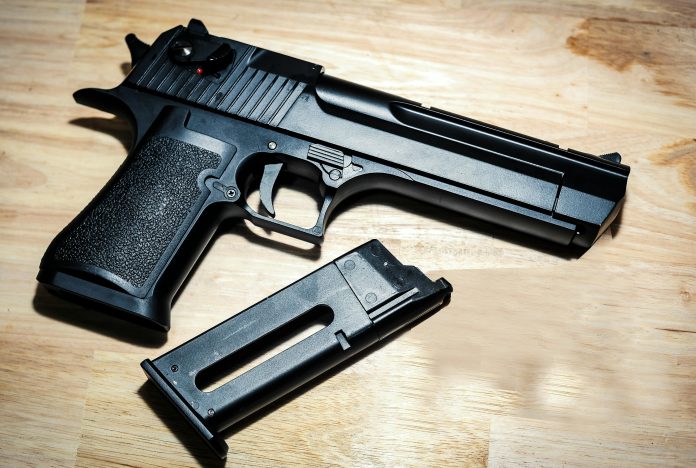
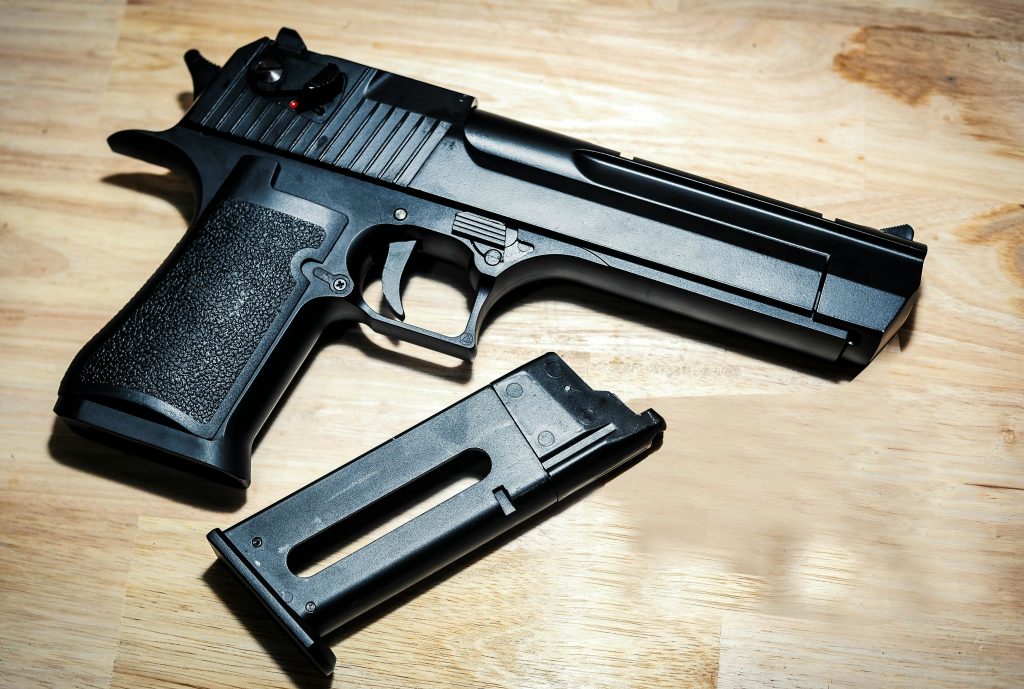
Polymer frames changed the handgun market by cutting weight, simplifying manufacturing, and proving that “plastic” sidearms could survive serious use. That shift never erased the appeal of metal. In specialist circles, especially where pistols are expected to endure punishing round counts and hostile environments, heavier handguns still hold a distinct place. The reason is less about nostalgia than engineering. Steel and alloy-framed pistols behave differently under recoil, heat, wear, and long-term maintenance, and some special operations units kept choosing those traits long after polymer became mainstream.
1. Weight can improve control when speed matters
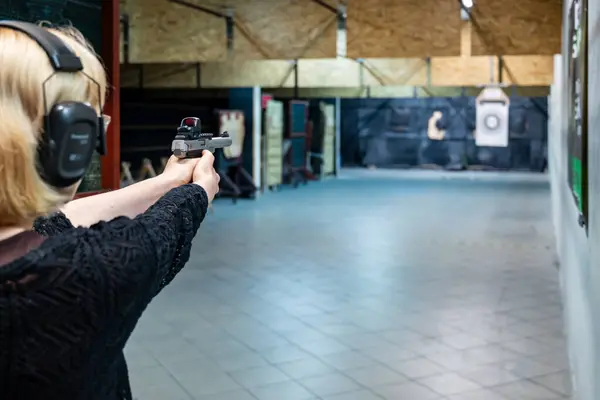
A metal-framed pistol carries more mass low in the gun, close to the shooter’s hands. That extra weight tends to reduce felt recoil and muzzle rise, which can make the pistol settle faster between shots. In hard-use roles where a sidearm may be fired rapidly and repeatedly, that steadier impulse remains a practical advantage. Polymer guns are easier to carry, but lighter frames often feel sharper in recoil. For operators who place a premium on fast follow-up shots rather than minimum belt weight, the trade can favor metal.
2. Rigid frames deliver more consistent feedback
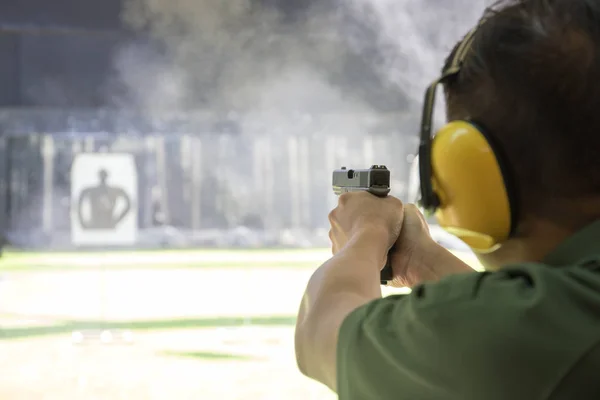
Steel does not flex the way polymer can. That rigidity changes how recoil is transmitted and how the pistol “hangs” in the hands. Many shooters describe metal guns as offering a more predictable return to the same grip angle and sight picture. That matters in close, technical shooting. Consistent feedback helps skilled users track the gun through recoil, especially during long training days when subtle differences in handling become easier to feel.
3. Endurance testing has favored robust metal service pistols
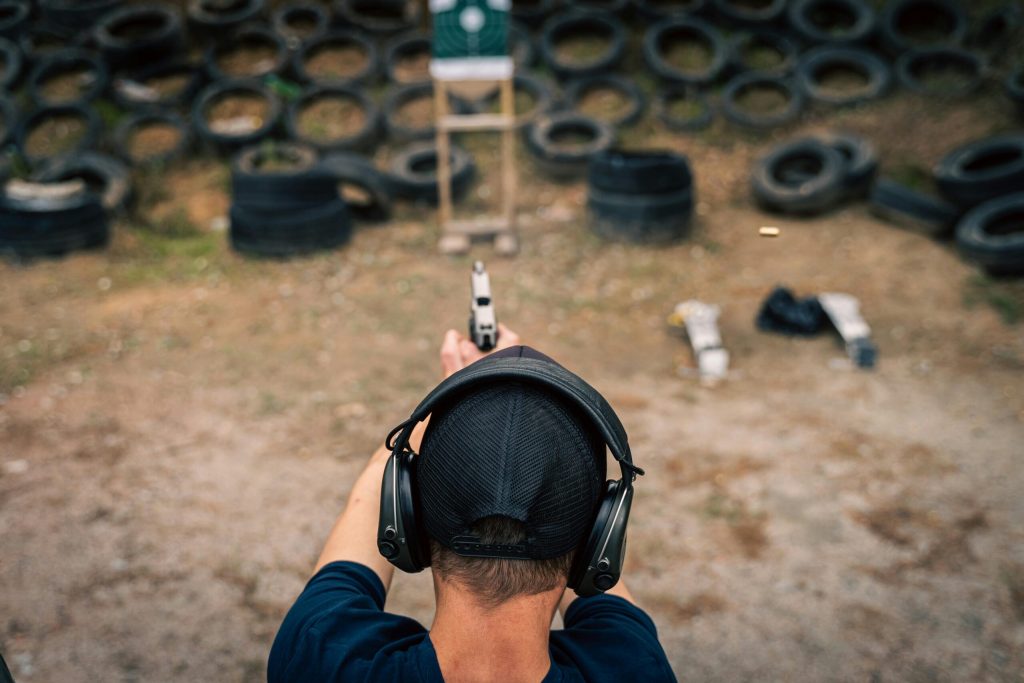
Elite units have historically stressed handguns far beyond ordinary service use. In the case of the SIG P226, pistols evaluated for naval special warfare use reportedly faced thirty-thousand-round endurance test conditions after environmental trials involving sand, salt water, and mud. That kind of abuse rewards durable locking systems, strong slides, and frames that maintain tolerances over time. Metal pistols earned their reputation in exactly that environment: high round counts, harsh exposure, and constant repetition rather than occasional range use.
4. Heat tolerance still matters in sustained firing
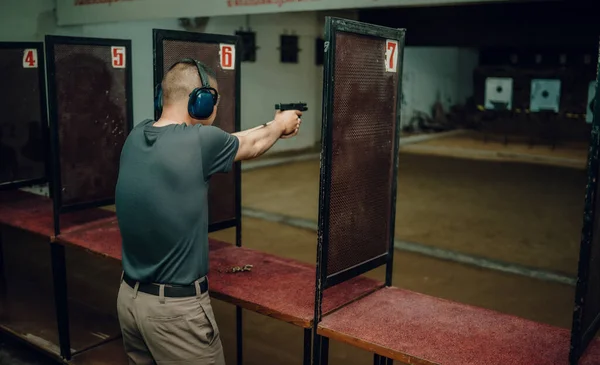
Long strings of fire generate heat where rails, dust covers, and grip areas meet the shooter’s hand. Steel handles elevated temperatures without softening, and its rigidity helps preserve the feel of the gun as it warms up. This is one of the least glamorous advantages of metal, but it is one of the most mechanical. A pistol that stays dimensionally stable through heavy use is easier to trust when training volume is extreme.
5. Corrosion resistance in metal guns became highly refined
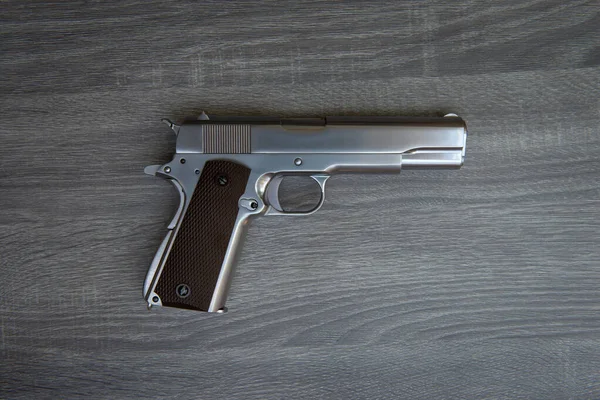
One of polymer’s obvious selling points is that the frame itself does not rust. Metal makers answered with coatings, stainless components, and lined barrels. The naval variant of the P226 combined a stainless slide with a protective finish and features intended for maritime service, including chrome lined chamber and barrel. That is why the metal-versus-polymer debate is not simply a battle between old and new. Once corrosion-resistant finishes matured, metal pistols could serve effectively even in saltwater-heavy operating profiles.
6. Proven legacy designs remain hard to replace
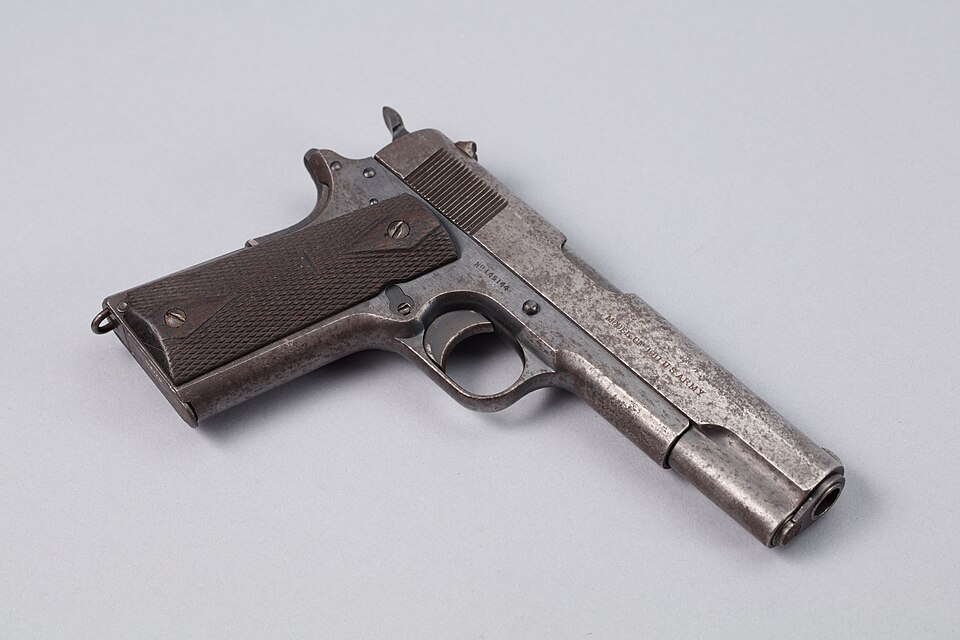
Some of the most influential pistol architectures were built around metal from the start. The 1911, Browning Hi-Power, CZ-75 family, and classic SIG service pistols all developed reputations around ergonomics, trigger systems, and slide-to-frame relationships designed for metal bearing surfaces. Those designs persisted because they remained functional, not because they looked traditional. When an established platform already delivers reliability, accuracy, and familiar controls, specialist users often keep it in service longer than mass-issue organizations do.
7. Metal guns are easier to keep in service for decades
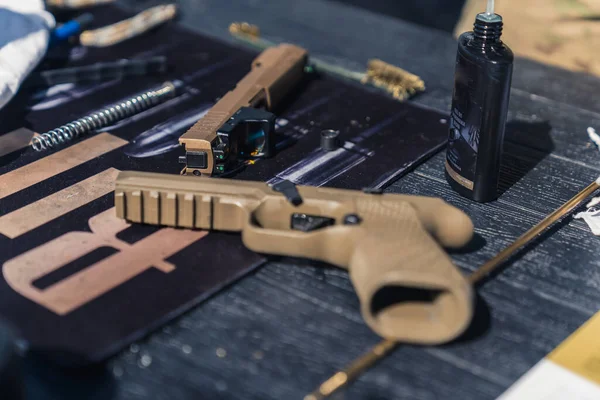
Steel frames fit naturally into a long maintenance cycle. They can be refinished, re-fit, and tuned in ways polymer does not always welcome. Wear on a metal frame often appears as finish loss rather than irreversible structural aging, and gunsmiths can address critical surfaces with traditional fitting methods. This helps explain why older metal pistols stay relevant in institutional inventories. They are not disposable objects. They are systems that can be serviced, rebuilt, and returned to rotation.
8. Special operations units often optimize for mission use, not broad issue
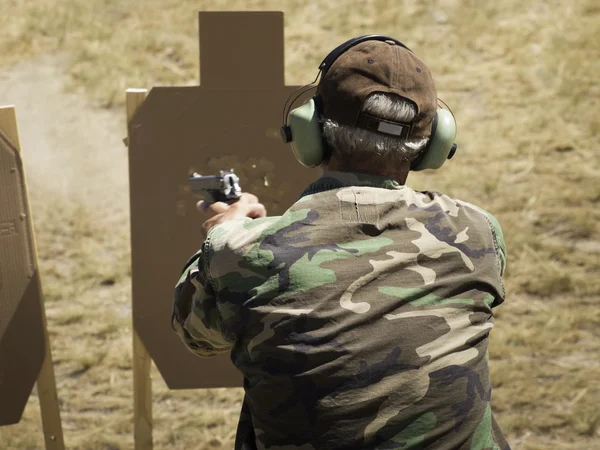
General military adoption tends to favor standardization, weight savings, and simplicity across large forces. Specialist units can make narrower choices based on mission profile. The P226’s long run in U.S. naval special warfare began when the first Mk. 25 were fielded in 1989, and it stayed relevant for decades because it matched the unit’s demands at the time. That is the real lesson of the metal pistol’s survival. Special forces do not keep heavier handguns out of sentiment. They keep them when recoil behavior, durability, environmental resistance, and maintainability outweigh the convenience of a lighter frame.
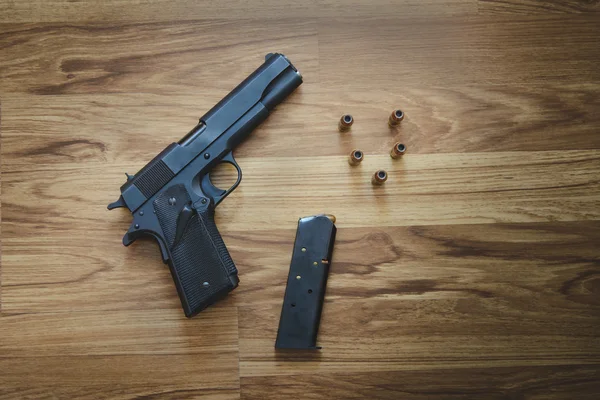
Polymer won the mainstream era for good reasons. It is lighter, broadly reliable, and easier to issue at scale. Metal never disappeared because its strengths were different, not obsolete. In specialist use, heavy pistols still offer a combination of stability, toughness, and service life that remains hard to duplicate. The modern handgun landscape may be dominated by polymer, but elite users have continued to show that engineering trade-offs do not vanish just because the industry changes direction.


