Long-range shooting does not come apart all at once. It usually starts with small errors getting bigger as distance stretches, wind calls get less certain, and bullet behavior becomes less forgiving. Past 800 yards, cartridges that look perfectly serviceable at midrange can begin to show why some rounds dominate precision matches while others require far more correction and judgment.
The dividing line is not raw accuracy at 100 yards. It is how well a cartridge limits uncertainty when wind, velocity loss, and bullet design start stacking together. As Berger explains, higher BC bullets are deflected less in the wind, which means a smaller miss when the wind estimate is wrong. That matters most when distance grows and consistency becomes harder to hold.
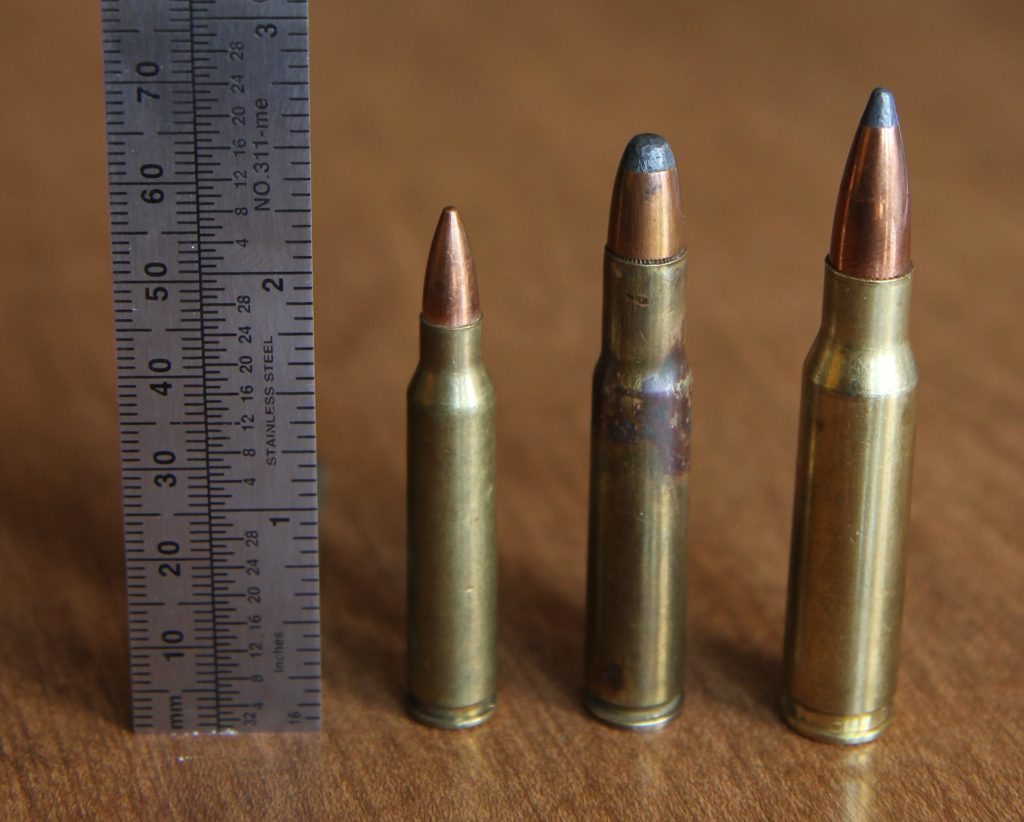
1. .223 Remington / 5.56 NATO
The .223 can be impressively capable in skilled hands, and competition shooters have stretched it farther than many expect. Even so, it becomes far less forgiving past 800 yards because it depends heavily on long, high-BC bullets, careful loading, and precise wind work to stay competitive.
Average drift figures tell the story. In a 10 mph wind, the cartridge moves about 21.9 inches at 500 yards according to wind-drift averages for common rifle cartridges, and the problem only compounds beyond that. The platform can still hit at 1,000, but consistency becomes conditional rather than routine.
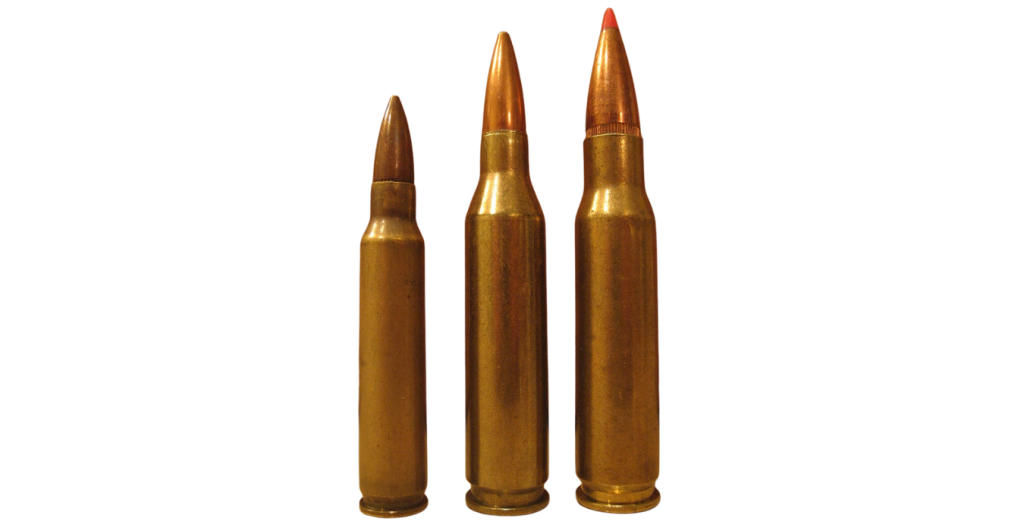
2. .243 Winchester
The .243 Winchester has always had reach, but long-range consistency is where it begins to separate from newer 6mm designs. Its lighter-for-caliber bullets and more general-purpose heritage leave less margin once the target is far enough away for wind error to dominate the shot.
One comparison is especially revealing: a 100-grain .243 bullet with a G1 BC around .400 drifts 22 inches at 500 yards in a 10 mph crosswind, while a 108-grain 6mm Creedmoor load drifts 15.7 inches, based on a side-by-side 500-yard comparison. That gap widens with distance, and the cartridge’s consistency starts to fade once the shooter moves into true long-range territory.
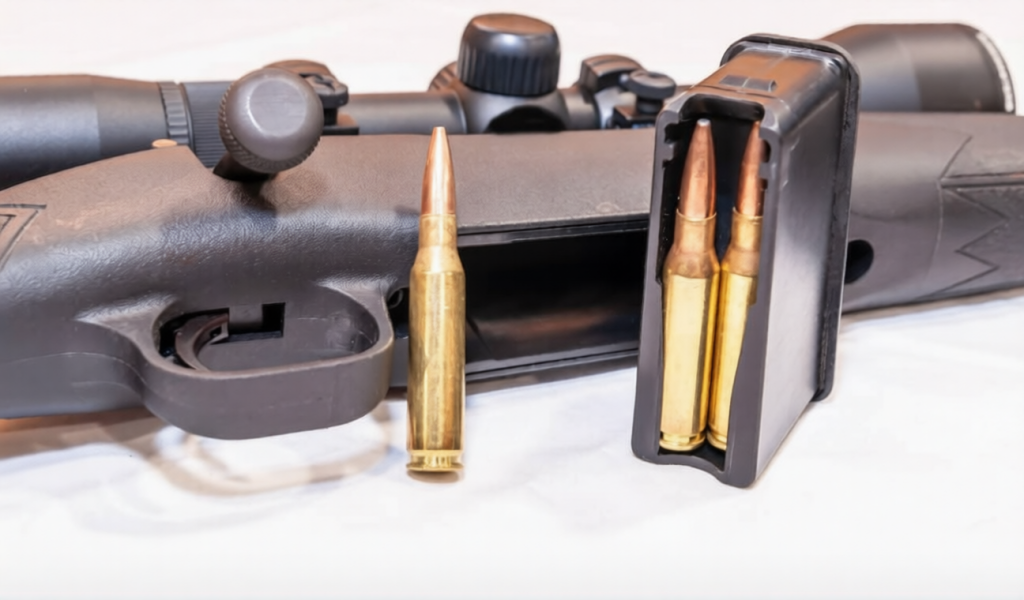
3. 7mm-08 Remington
The 7mm-08 performs well enough to build confidence at moderate distance. That is part of what makes its falloff more noticeable past 800 yards. It is not a poor cartridge; it simply was not optimized around the kind of heavy, sleek bullets and velocity balance that make modern long-range rounds feel calm in changing conditions.
Backfire’s data describes it as acceptable in the wind without standing out. That is usually the warning sign. At shorter distances, acceptable is plenty. At 900 or 1,000 yards, acceptable often means that a small mistake becomes a miss.
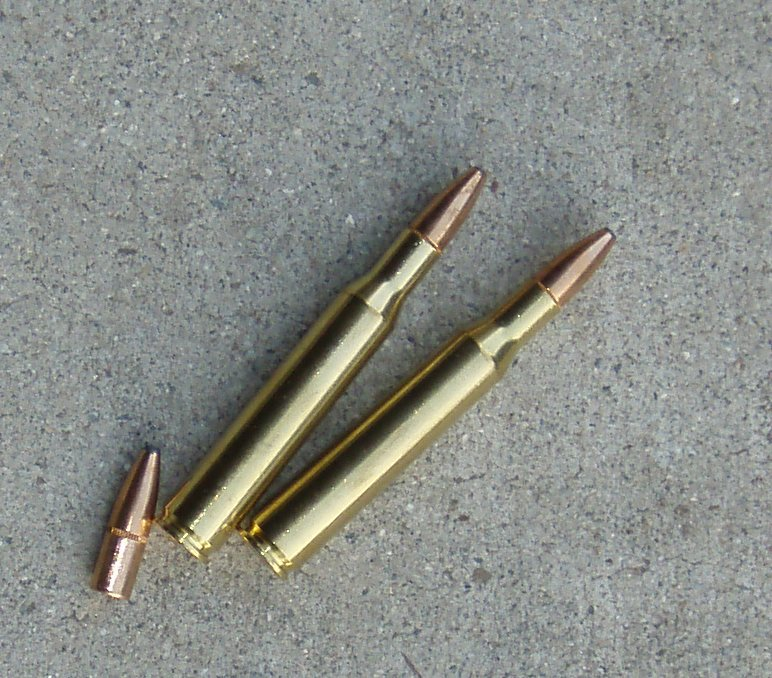
4. .270 Winchester
The .270 Winchester remains effective and can resist wind better than many shooters assume when paired with streamlined bullets. But its long-range consistency starts to erode beyond 800 yards because its best behavior depends on bullet selection, and not every common .270 loading is built around the highest-BC projectiles.
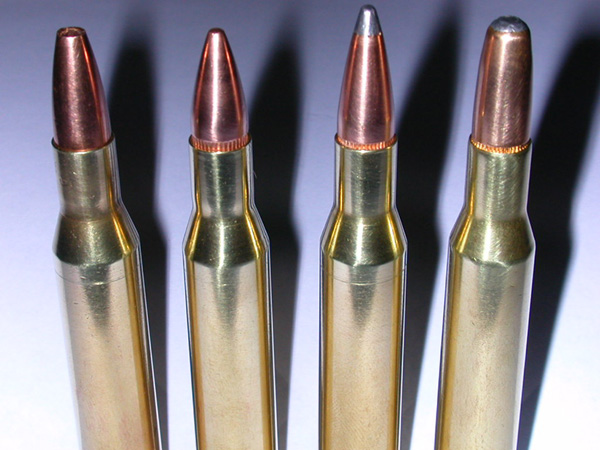
In a 10 mph wind, average drift is 18.7 inches at 500 yards and 91.4 inches at 1,000 yards. Those are respectable numbers, but they place the cartridge behind more specialized long-range choices. Past 800 yards, that larger correction window leaves less tolerance for imperfect wind reads.
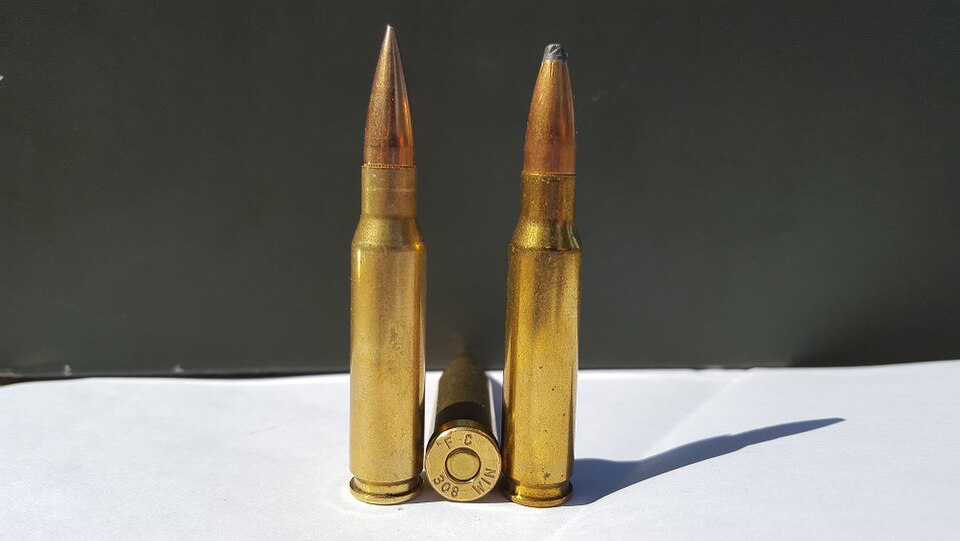
5. .308 Winchester
The .308 is accurate, proven, and still deeply relevant. It is also one of the clearest examples of a cartridge that can reach long range without remaining easy there. That distinction matters. Good shooters can make a .308 work at 1,000 yards, but the cartridge asks for more compensation and gives back less forgiveness than modern alternatives.
Its average drift is 21.3 inches at 500 yards and 100.5 inches at 1,000 yards in a 10 mph wind. Guns & Ammo put the limitation bluntly, noting that the .308’s trajectory can make “a rainbow look flat” and that “a grasshopper’s sneeze will drift its bullets off course.” Those are colorful words for a real engineering problem: limited case capacity restricts how well the .308 can drive long, heavy, high-BC bullets at truly useful long-range speeds.
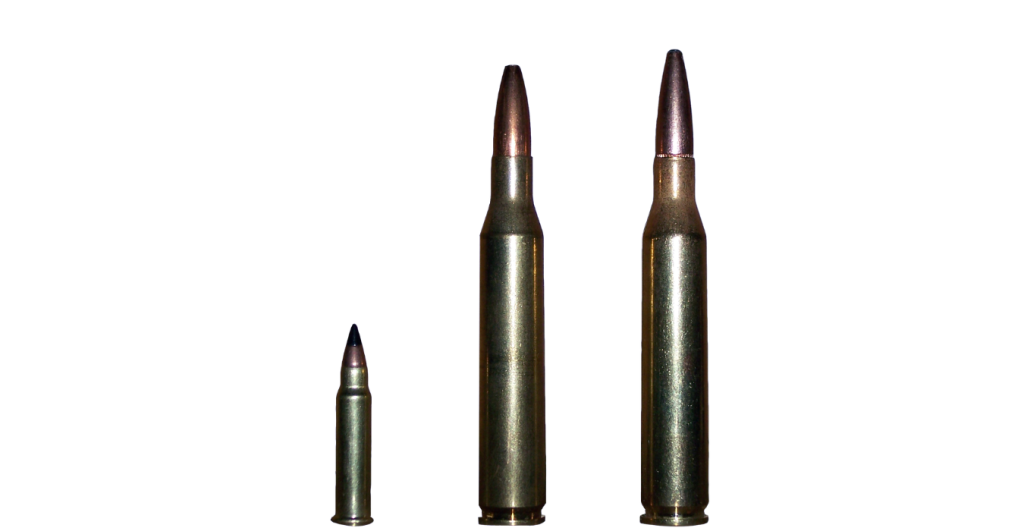
6. .25-Caliber Speed Cartridges
Fast .25s, including rounds such as the .25-06, often look better on paper at ordinary field distances than they do once conditions turn windy and the target moves well past 800 yards. High muzzle speed helps early in flight, but it does not fully erase the handicap of lighter, less aerodynamic bullets.
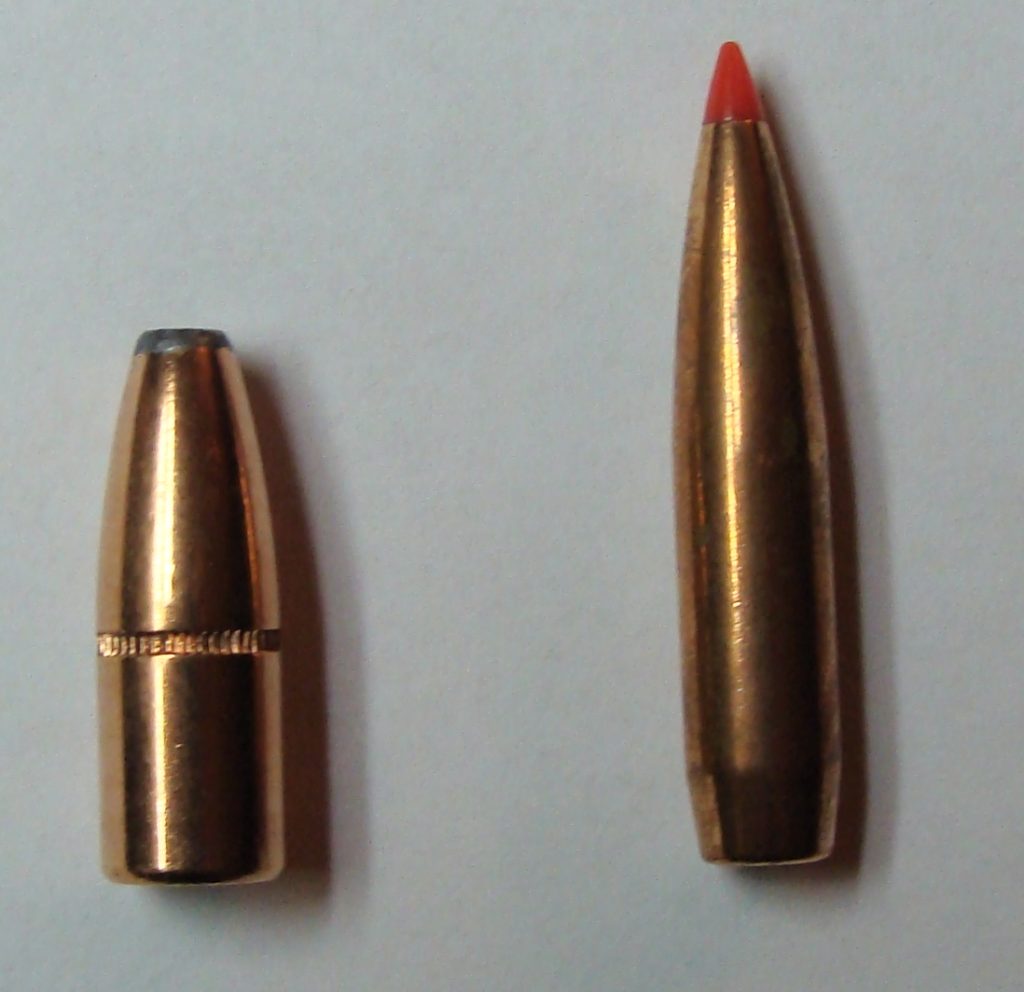
RifleShooter noted that bullets of .25 caliber and below rarely reach the BC levels seen in 6.5mm and larger long-range favorites. The result is familiar: they can start fast, then bleed velocity and yield more drift than a slower bullet with better shape. At long range, that weaker resistance to uncertainty shows up on target.
7. Cartridges That Go Transonic Too Early
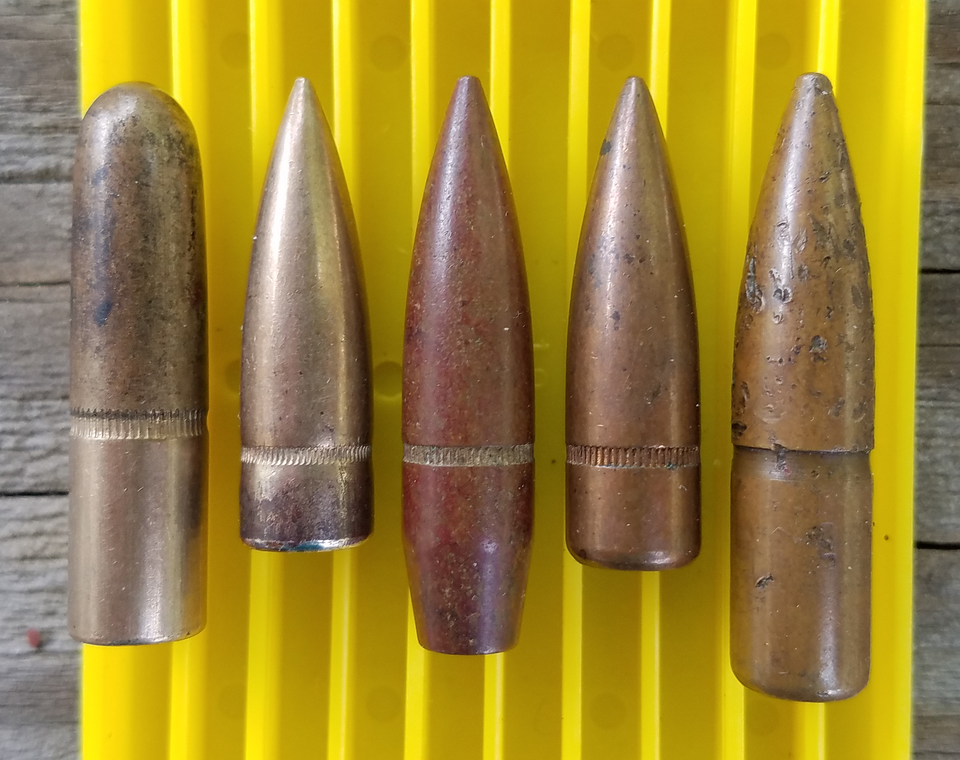
Some long-range inconsistency is less about the head stamp and more about what happens when a load slows too much before it reaches the target. Once a bullet enters the transonic range, predictability gets harder to maintain. Accurate Shooter summarizes Bryan Litz’s warning clearly: going transonic is generally not a good thing for bullets.
Transonic effects begin around Mach 1.2, roughly 1,340 fps. As velocity falls toward the speed of sound, the bullet can lose stability, pitch and yaw more, and even shed effective BC. That makes trajectory harder to predict, especially with bullets that are long or less tolerant of that speed range. A cartridge that is merely adequate at 600 can feel erratic at 900 if the load is already crowding that zone.
The common thread is not that these cartridges stop working at 800 yards. It is that they stop being forgiving. Wind drift grows, BC limitations matter more, and any transition toward transonic speed makes outcomes harder to predict. That is why modern long-range design keeps circling back to the same formula: efficient cases, high-BC bullets, and enough velocity to stay stable and supersonic deep into the shot. Past 800 yards, consistency belongs to cartridges that reduce uncertainty rather than simply survive it.


