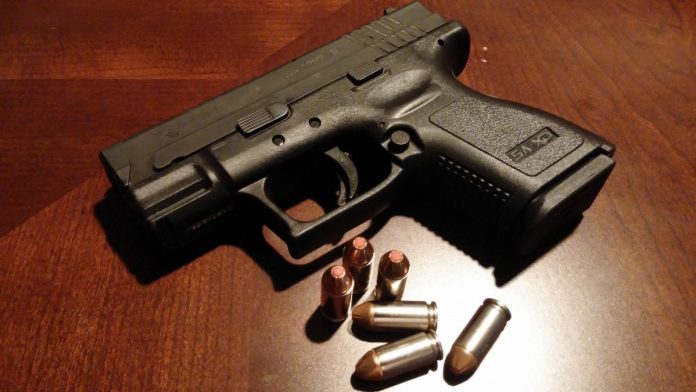
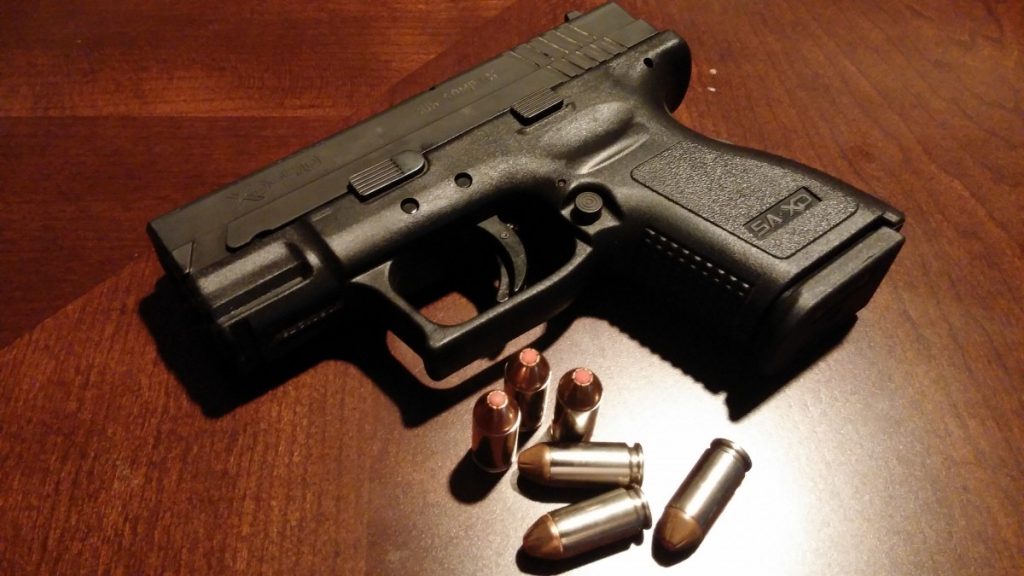
Handgun reliability is often discussed as if it were a fixed trait stamped onto a slide or frame. In practice, it behaves more like a chain of interlocking variables: the pistol, the magazine, the ammunition, the shooter’s grip, spring condition, lubrication state, and even how the slide is released all influence whether the gun cycles cleanly.
That is why many of the most persistent beliefs about “reliable” pistols survive far longer than they should. Some are leftovers from older designs, some come from marketing shorthand, and some come from range habits that never get tested under less-than-ideal conditions.
1. A reliable pistol will run no matter how it is gripped
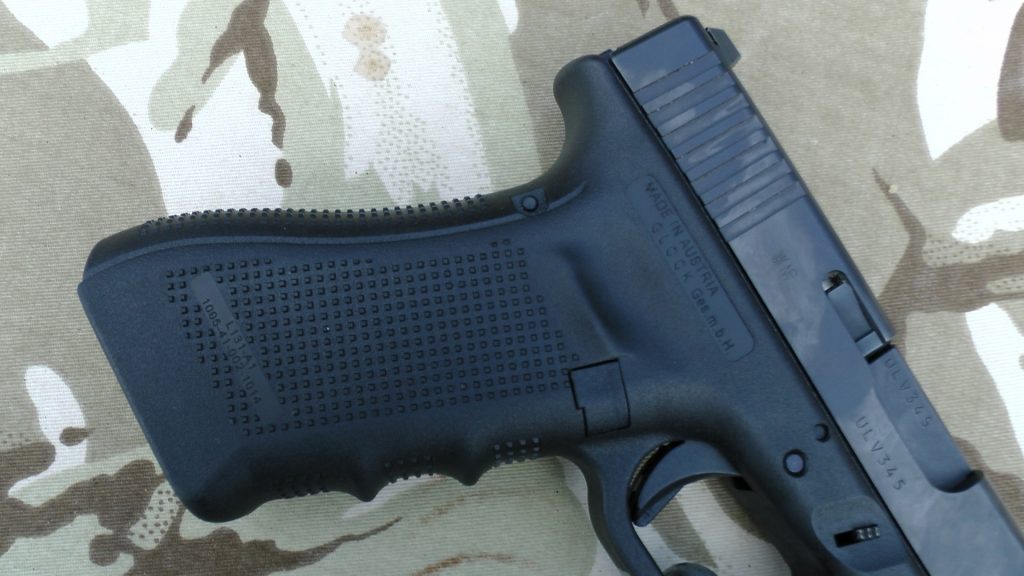
This myth falls apart quickly with compact and lightweight semi-autos. A self-loading pistol depends on enough relative movement between slide and frame to extract, eject, and chamber the next round. If the shooter’s wrist and grip absorb too much of that motion, the slide can lose the energy it needs to complete the cycle. That is why stoppages blamed on the gun are often linked to shooter input. Failures to eject, erratic ejection, and slides that do not fully return to battery can all appear when grip stability breaks down. Under fatigue, awkward shooting angles, or one-handed firing, the problem becomes easier to expose.
2. Modern hollow points feed perfectly in every handgun
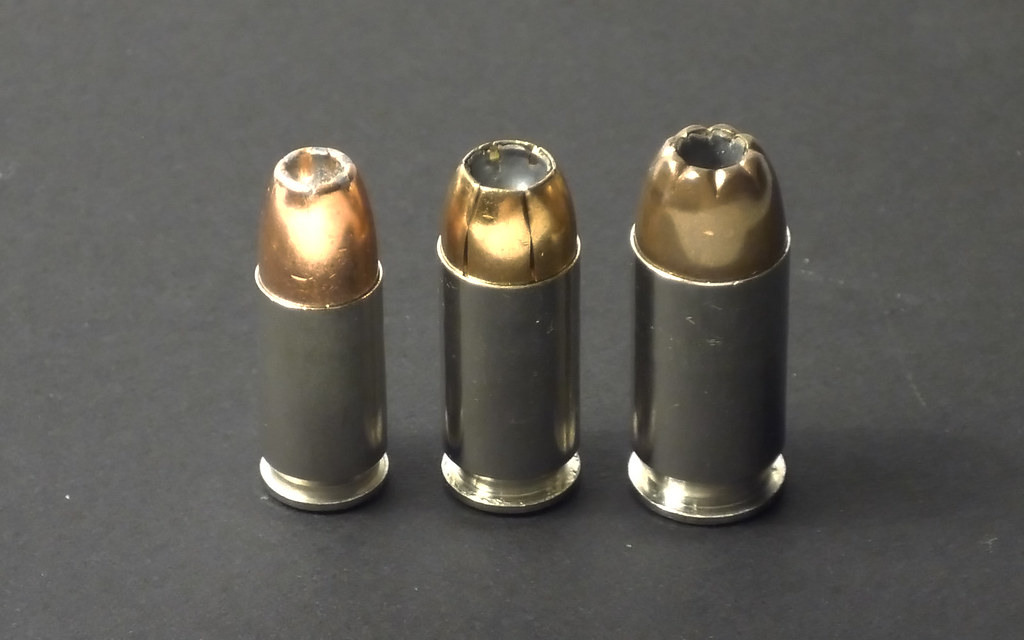
Modern defensive ammunition is far better than early hollow-point designs, but bullet profile still matters. Feed reliability depends on how a particular cartridge shape interacts with a pistol’s magazine geometry, feed ramp, chamber dimensions, and slide velocity. A load can be excellent on paper and still prove inconsistent in one handgun. The practical standard is simple: the pistol must repeatedly feed the exact ammunition that will actually be used. Reliability with generic range ammunition does not automatically transfer to a different bullet profile.
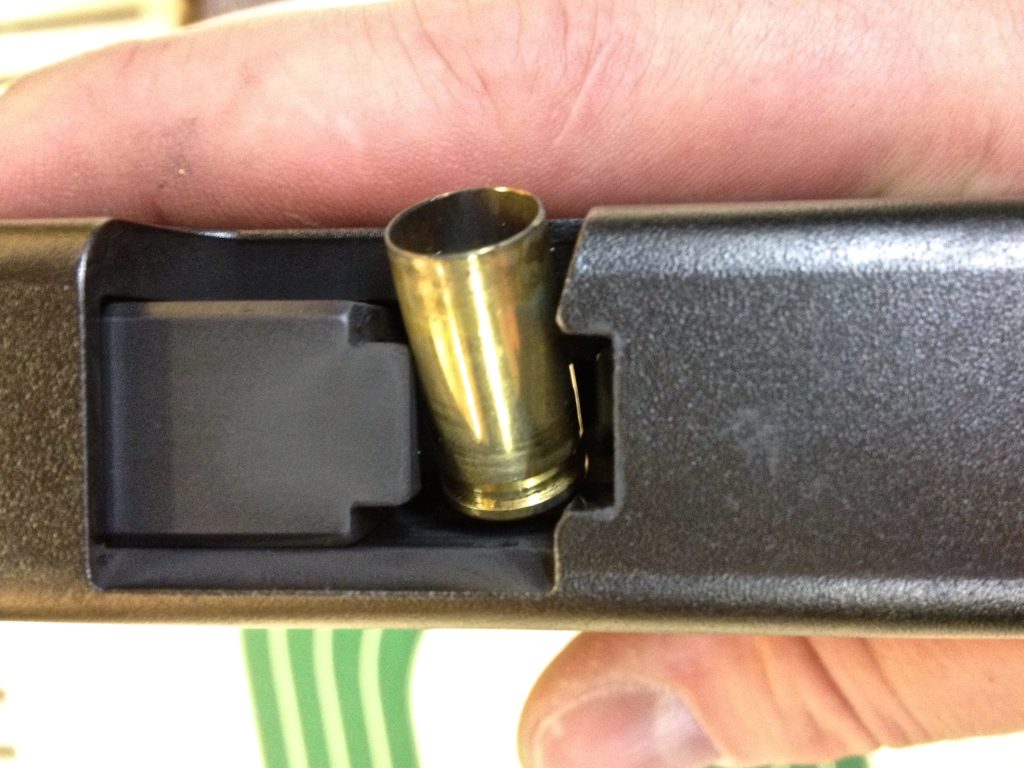
3. Tap-rack fixes every malfunction worth worrying about
Tap-rack remains a useful immediate action drill, especially for common stoppages like a stovepipe or a simple failure to eject. But it is not a universal repair. Mechanical faults such as extractor tension issues, damaged parts, or repeated failures to extract can return immediately after a single clearing attempt. The broader troubleshooting literature on failure to extract, double feeds, and squib hazards shows why all stoppages cannot be treated as identical. A pistol that keeps re-failing is signaling a system problem, not just a momentary interruption.
4. A brand’s reputation guarantees reliability
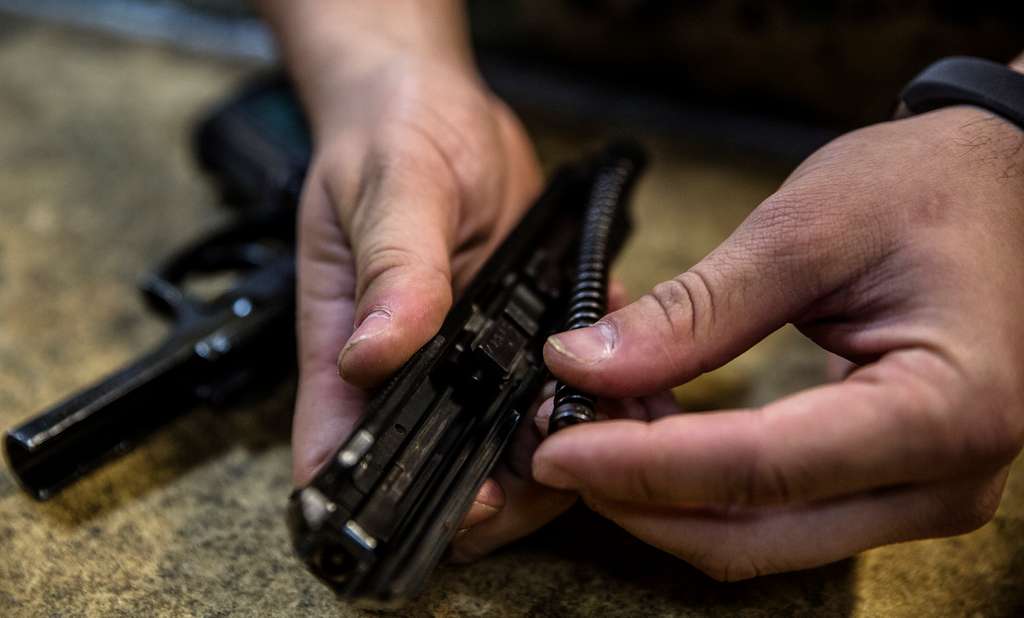
Brand reputation matters, but it does not replace inspection and upkeep. Even respected platforms can suffer from worn springs, damaged magazines, chamber fouling, poor lubrication, or ammunition incompatibility. Reliability is proven on an individual pistol, not inherited from a logo. At the same time, modern manufacturing has shown that broad assumptions about materials can be misleading. Early skepticism toward polymer-framed pistols faded as designs like the Glock 17 became widely adopted, and polymer frames proved durable in long-term service. That durability, however, does not exempt any handgun from maintenance.
5. New pistols do not need any testing before serious use
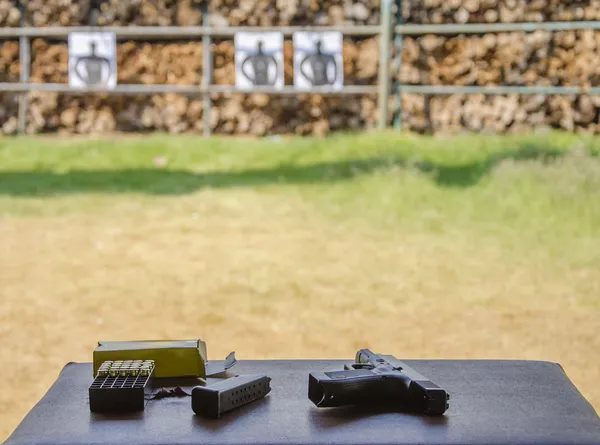
A new handgun is still a machine with springs, friction surfaces, magazines, and tolerances that need verification in the real world. Early cycling can reveal stiff magazines, rough bearing surfaces, inconsistent slide return, or shooter-induced issues that never show up on a sales sheet. This is where many reliability myths get exposed. A pistol can feel smooth in dry handling and still stumble during reloads, with a full magazine, or with the slide released using the shooter’s normal method. Even platforms with impressive institutional test records, including 12,000-round testing with zero stoppages, do not eliminate the need to validate an individual sample with its actual magazines and ammunition.
6. Leaving magazines loaded ruins their springs
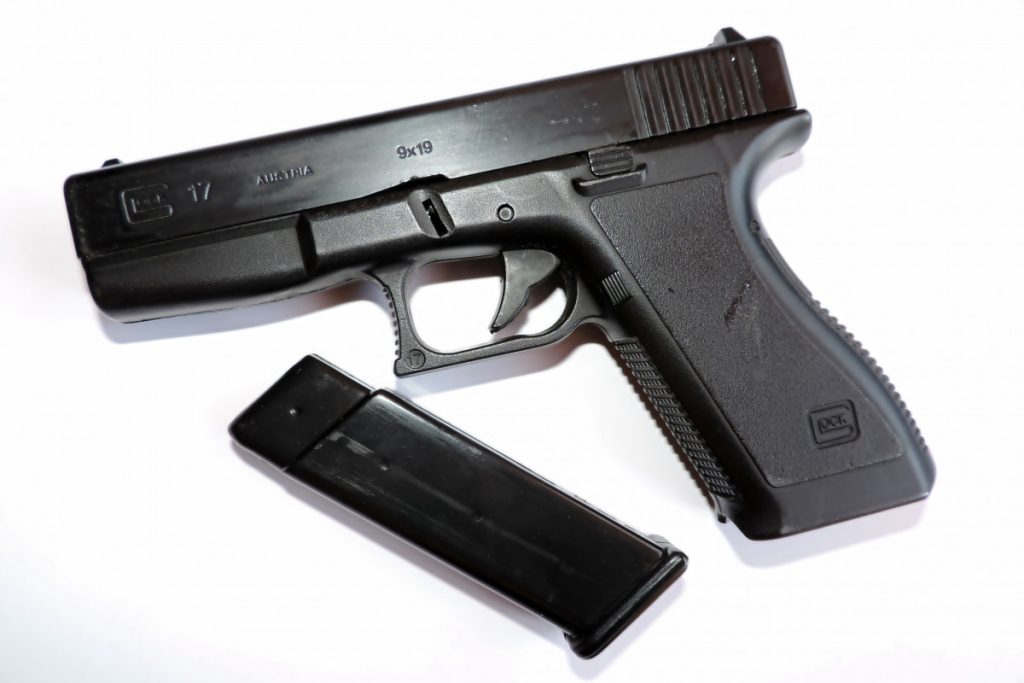
This belief remains deeply embedded, yet spring wear is more closely tied to repeated compression cycles than to simply remaining under load. A carry magazine that stays loaded is not automatically being harmed by static compression alone.
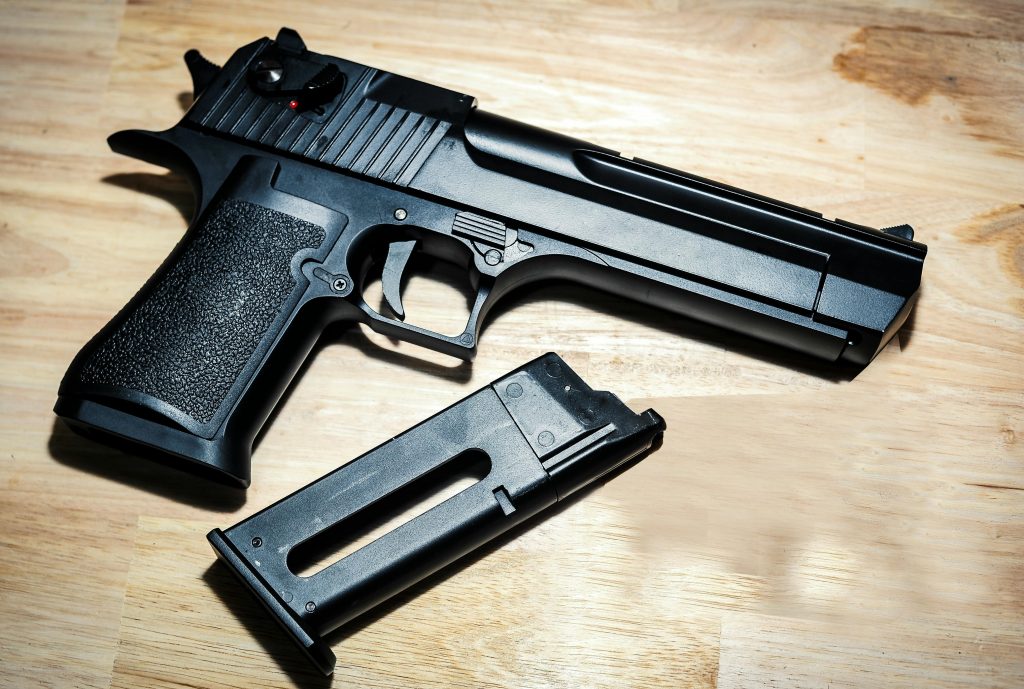
The bigger reliability risk is the untested magazine. Feed lips can deform, followers can drag, and fresh springs can behave differently when a magazine is topped off and fired quickly. A magazine trusted for carry but rarely shot in that exact condition is still an unknown component.

7. If a pistol works at the range, it will work under stress
Calm, upright lane shooting is not a complete reliability test. Under pressure, shooters grip harder in some places and softer in others, wrists unlock, shoulders tense, and attention narrows. Those changes alter how the pistol cycles and can expose borderline recoil spring strength, magazine sensitivity, or grip-dependent behavior. This matters because modern pistols are precise machines handling repeated high-pressure events. As one training-oriented explanation puts it, a handgun is a device with moving parts and tight tolerances experiencing a rapid series of 35,000 psi explosions.

Minor weaknesses that stay hidden during relaxed strings often appear when the shooter is moving, shooting one-handed, or working from compromised positions. The most useful way to think about handgun reliability is not as a promise, but as a performance standard. It must be demonstrated with the actual pistol, actual magazines, actual ammunition, and actual handling methods that matter. Most myths survive because they contain a partial truth. Good designs help, quality ammunition helps, and strong reputations usually come from somewhere. But dependable function remains a systems question, and systems only earn trust through repetition, maintenance, and testing.


