The 1911-versus-polymer argument has lasted because it is not really an argument about old versus new. It is a question of what kind of compromises a shooter is willing to live with once the pistol leaves the bench and starts riding through sweat, lint, weather, and rushed daily routines. Both platforms solve real problems. They just solve different ones, and the gap shows up in places that matter more than brand loyalty.
1. Weight changes carry habits before a shot is ever fired
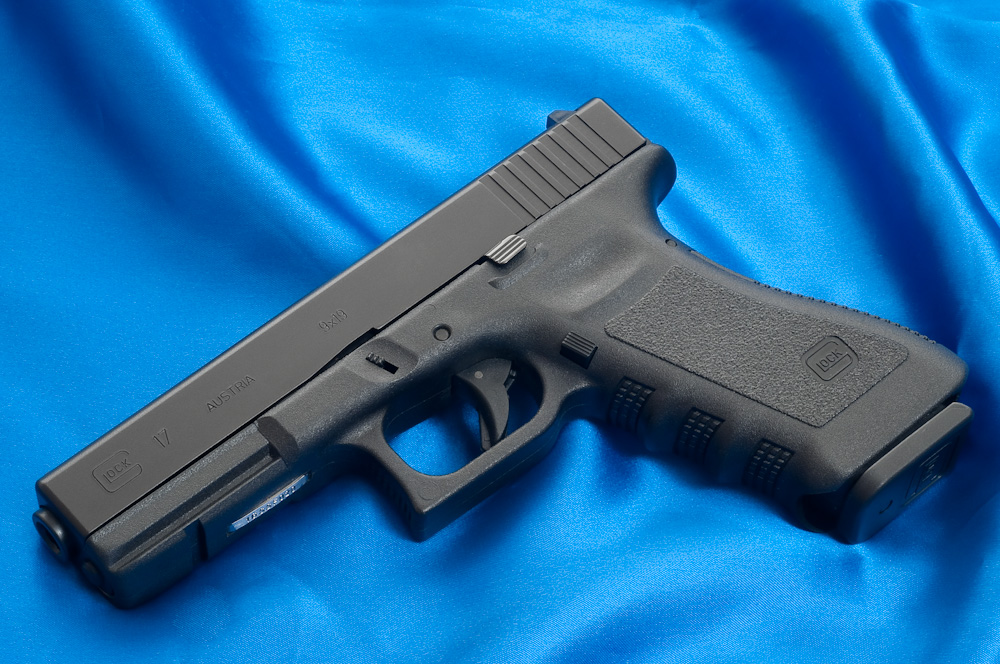
A steel 1911 commonly lands in the mid-30-ounce range unloaded, while a full-size polymer benchmark like the Glock 17 weighing 24.87 ounces unloaded sits much lighter. That difference does more than alter comfort on paper. It changes belt choice, holster stability, clothing flexibility, and how often the gun actually gets worn during long days.
The 1911’s mass helps settle recoil and gives the pistol a planted feel. Polymer carry guns reduce the burden of all-day carry, and that often translates into more consistent carry in real life, especially when schedules get messy and wardrobe choices are limited.
2. Trigger quality can either reward skill or expose weak mechanics
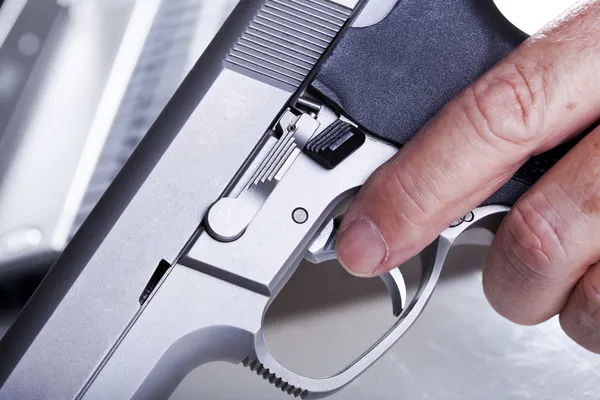
The 1911’s single-action trigger still defines what many shooters consider a clean break. Short travel, little take-up, and a crisp reset make deliberate shooting feel unusually direct. At distance or on precise shots, that can be a real advantage.
The tradeoff is honesty. A 1911 trigger does not hide poor finger placement or hurried presses. Striker-fired triggers tend to be more uniform than refined, but that sameness helps many shooters build repeatable handling faster. As one reference article put it, “The 1911 rewards discipline, grip control, and timing. Striker-fired pistols reward simplicity, speed, and consistency.”
3. Capacity is really about reload timing, not bragging rights
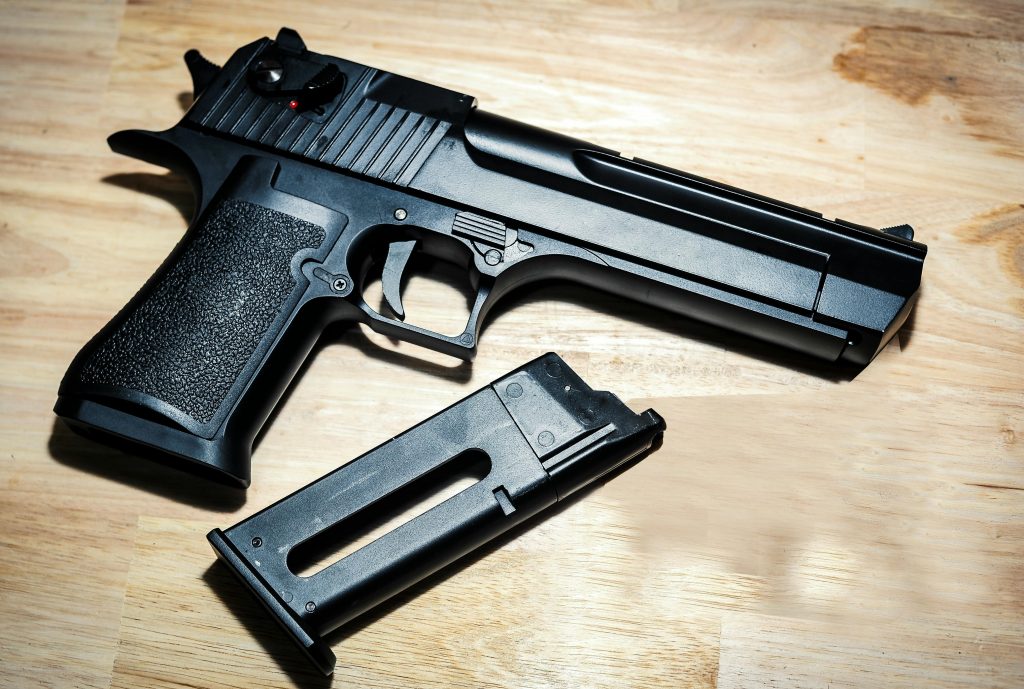
A traditional single-stack 1911 usually carries 7 or 8 rounds in the magazine. Most modern polymer carry and duty pistols run far higher, often from the mid-teens upward. That gap changes more than round count. It changes how urgently reloads matter, how much spare magazine carriage feels necessary, and how much margin exists if a stage or encounter runs longer than expected.
Forum discussions in the reference material showed the split clearly. Some shooters remain fully comfortable with single-stack carry if they trust their accuracy and carry spare magazines. Others see fewer reloads as the more practical answer because reloads cost time and can become the weak point under stress. The divide is not theoretical; it is a question of how much complexity a shooter wants to manage when things go wrong.
4. Reliability depends on system tolerance, not slogans
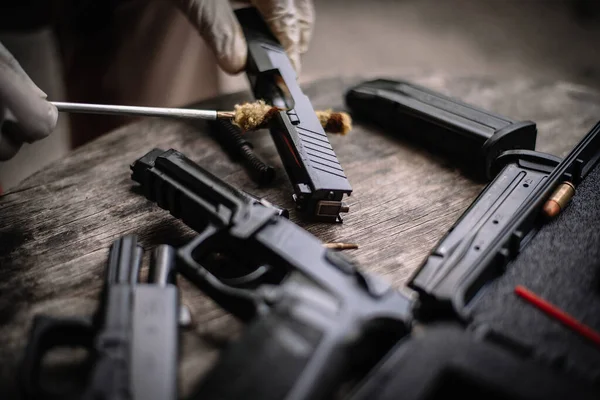
Modern polymer striker pistols earned their reputation by continuing to run through deferred cleaning, modest lubrication, and a fair amount of neglect. A 1911 can be highly reliable too, but it usually asks for a narrower setup window. Magazine design, feed geometry, extractor tension, recoil spring condition, and lubrication all matter more.
That is why “reliable” means different things on the two platforms. The polymer gun often tolerates abuse longer before behavior changes. The 1911 often performs brilliantly when maintained properly, but it is less likely to forgive bad magazine choices or ignored maintenance.
5. Ammunition shape and magazine design matter more in a 1911
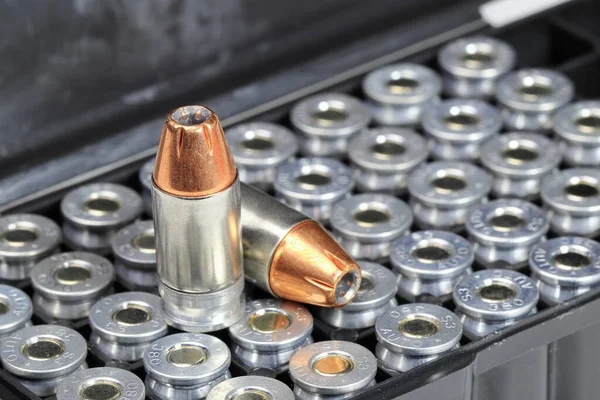
The original 1911 was built around round-nose ball ammunition, and that history still matters. Many 1911s, particularly shorter examples, can be more sensitive to hollow-point profiles, feed-ramp geometry, and magazine feed-lip design than a typical polymer pistol.
That creates a testing burden. A shooter carrying a 1911 often needs to confirm a specific defensive load with a specific magazine combination rather than assuming broad compatibility. Polymer pistols are not immune to ammunition issues, but the modern service-gun pattern usually demands less experimentation.
6. Dirt, sweat, and corrosion attack the platforms differently
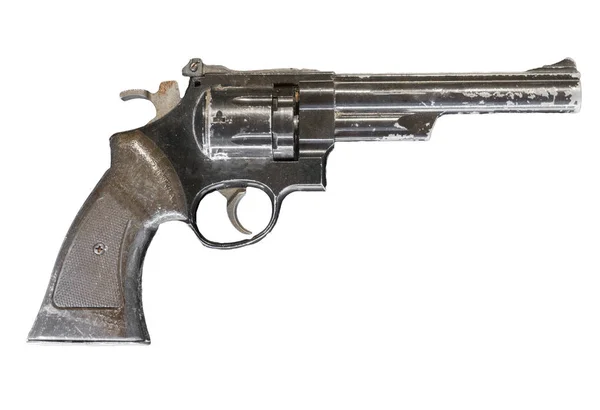
Daily carry is hostile to metal. Sweat salts, humidity, lint, and skin oils accumulate around the muzzle, inside magazines, under the slide, and near the extractor. Steel-frame pistols can resist rust very well with proper care, but they also present more steel surfaces and recesses where moisture can hide.
Polymer frames remove one major corrosion variable because the frame itself does not rust. Attention then shifts to the slide, barrel, pins, and magazines. Many modern striker pistols also use ferritic nitrocarburizing or similar surface treatments on steel parts, which improves resistance in daily carry conditions.
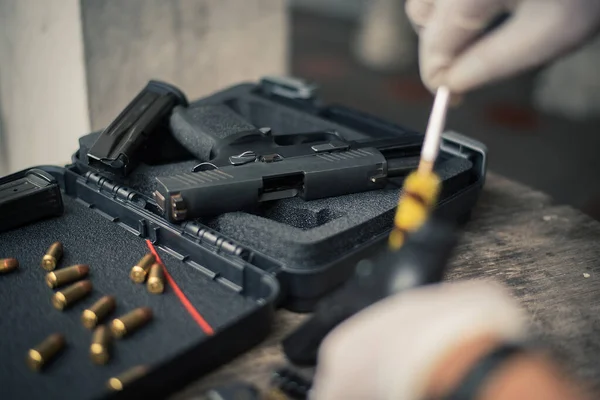
7. Tight tolerances feel great clean and can turn stubborn in the cold
A tightly fit 1911 can feel superb on a clean range. It can also become less forgiving when grit enters the gun, lubrication thickens, or cold hands reduce manipulation strength. Slide timing and friction become more sensitive when everything is fitted closely.
That is one reason striker-fired duty pistols became common hard-use sidearms. Looser operating tolerance, simpler controls, and fewer friction-sensitive relationships give them more room to keep running in wet, dirty, or rushed conditions. In the 1911 world, less tightly fit examples often prove more tolerant than the slickest bench-built guns.
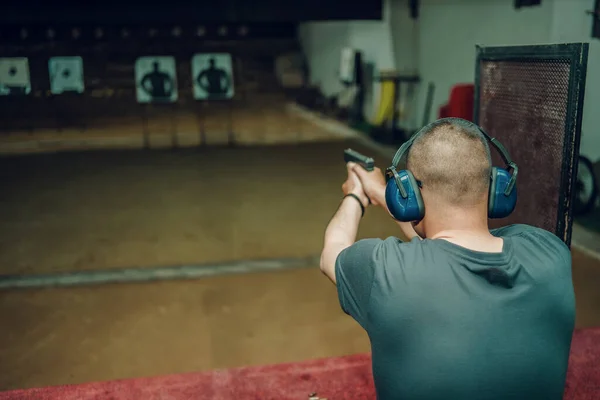
8. Recoil feel can mislead shooters about control
The all-steel 1911 often feels softer than its chambering suggests because weight damps movement and helps the sights track smoothly. Polymer pistols can feel sharper, especially as they shrink into compact and micro-compact sizes. That difference matters in rapid strings more than in a single slow shot.
But feel in the hand is not the same as behavior on the clock. Some polymer pistols seem comfortable when gripped statically and still recoil like very light guns when fired quickly. The lesson is simple: recoil control is a mix of gun weight, grip shape, technique, and repetition, not first impressions.
9. Safety systems demand different kinds of discipline
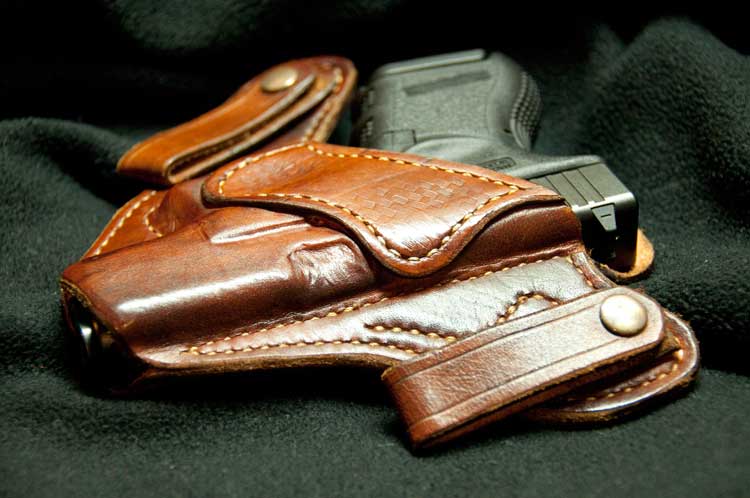
A 1911 carried cocked and locked depends on a trained thumb safety sweep and reliable grip safety engagement. In practiced hands, that sequence is fast and automatic. Without repetition, it becomes one more place for inconsistency to appear. Most striker-fired carry pistols simplify the draw by removing the manual safety step and relying on internal safeties, holster quality, and strict trigger discipline. That makes reholstering habits especially important. One reference discussion described the contrast bluntly: “Both types of firearm require their own manual of arms and instruction.” Another noted that “The trigger must be pulled and that is not the fault of the gun.” The practical difference is not which system sounds safer in theory, but which one matches the shooter’s training depth and daily habits.
There is a reason this comparison refuses to die. The 1911 still offers an unusually good trigger, slim ergonomics, and a style of shooting that rewards deliberate skill. Polymer carry guns offer lighter weight, more onboard ammunition, and a larger margin for neglect and rough conditions. That leaves one clear dividing line: the better carry pistol is usually the one that best fits the owner’s maintenance routine, reload practice, and handling discipline once ideal range conditions disappear.


