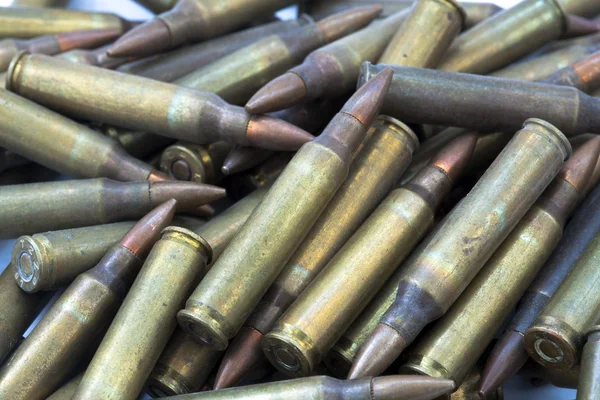
Some cartridges are excellent at exactly what they were built to do. The problem starts when hunters ask them to do a bigger job than physics will allow. That matters most when game gets heavy, angles get awkward, and bone has to be broken before a bullet ever reaches the lungs. Modern bullet design has improved a lot, but it has not erased the difference between a mild varmint round and a cartridge suited to elk-, moose-, or bear-sized animals. The better question is not whether a cartridge can kill. It is whether it gives enough penetration, margin, and bullet performance to do it cleanly.
1. .17 HMR
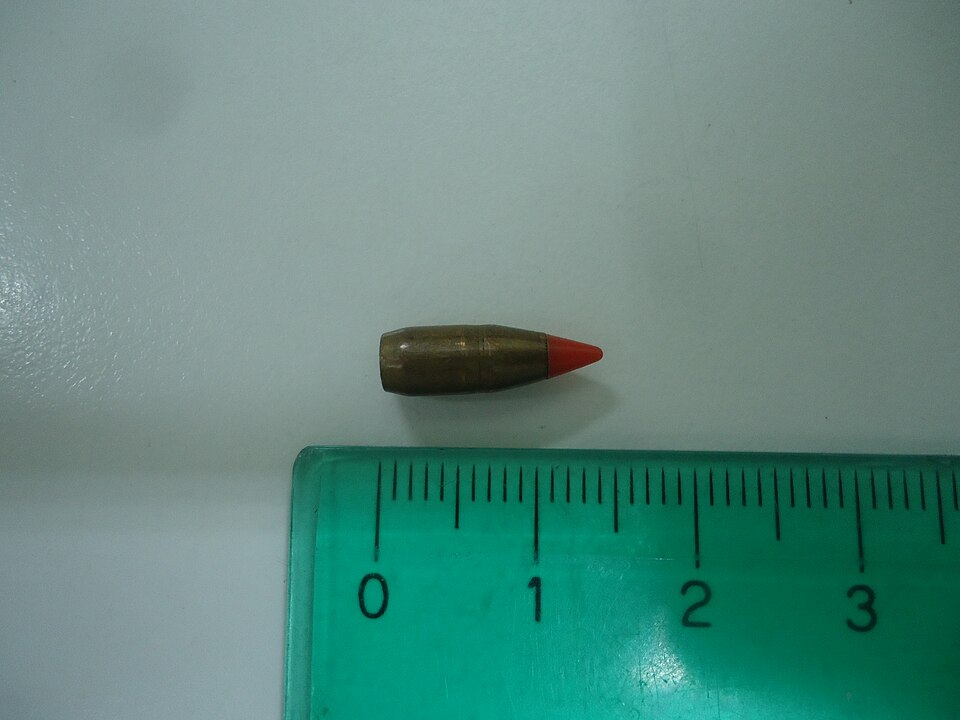
The .17 HMR is one of the easiest rounds to like on paper. It is accurate, soft-shooting, and fast for a rimfire. On small varmints, that combination makes perfect sense. On deer-sized game and above, it does not. With a 17-grain bullet and only a little more than 250 foot-pounds at the muzzle, the .17 HMR simply does not bring enough penetration or tissue damage for big game. This is not a bullet-construction debate. It is a cartridge-capacity problem. The smarter role for the .17 HMR remains pest and varmint work, where its precision and low recoil actually fit the target.
2. .223 Remington
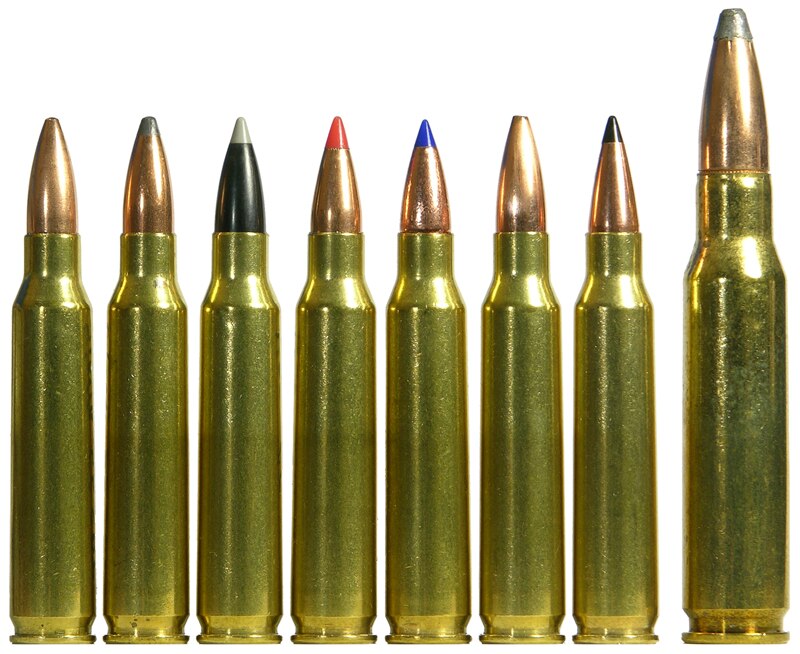
The .223 Remington creates arguments in every deer camp because it sits right on the edge of adequacy for some uses and clearly below it for others. With the right bullet, many hunters use it effectively on whitetails at modest range. 36 out of 50 states currently allow it for deer, and modern controlled bullets have made it more useful than it once was. That does not make it a big-game cartridge. It remains highly dependent on broadside presentation, careful shot placement, and short range. Even advocates of the round describe it as limited once angles get tough or distance grows. For larger-bodied animals, hunters gain badly needed forgiveness by stepping up to cartridges such as the .243 Winchester for deer-only use or the .308 Winchester when game size may increase.
3. 5.56 NATO
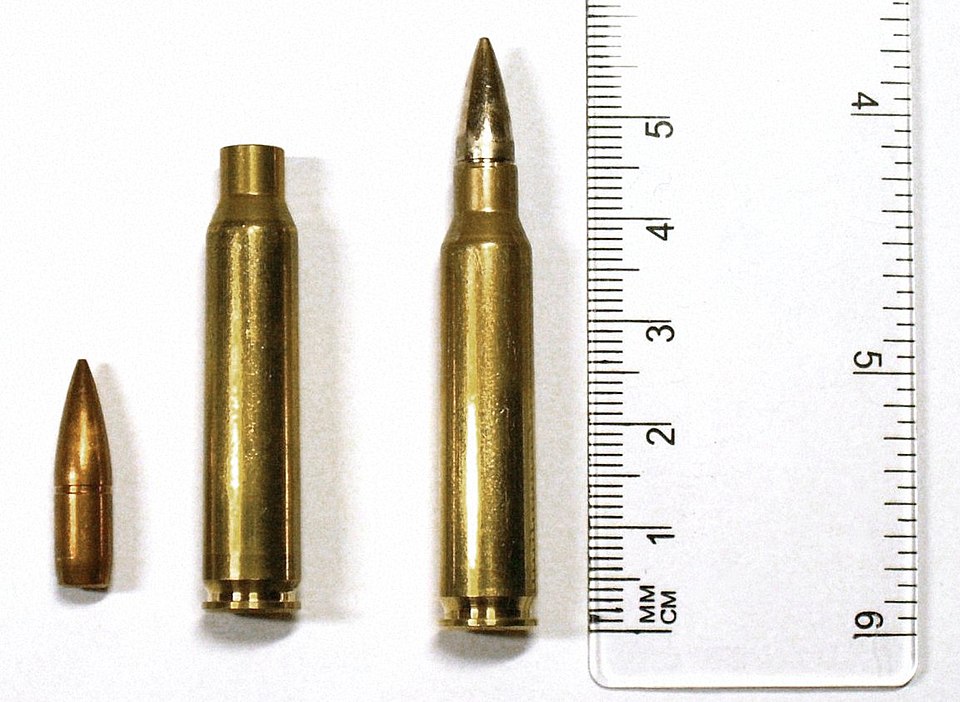
The 5.56 NATO often gets lumped together with the .223 Remington, and in practical hunting terms the limitation is similar. Slightly higher operating pressure does not change the fact that this is still a light-for-caliber .22 centerfire trying to do work normally better handled by larger bullets. It can be serviceable for deer in jurisdictions where legal, but it is still a narrow-window choice. Once the target is heavier than deer, its lack of penetration reserve becomes hard to ignore. For hunters wanting an easy-shooting rifle without giving up too much field performance, cartridges like 7mm-08 Remington and 6.5 Creedmoor offer a much broader operating envelope while keeping recoil manageable.
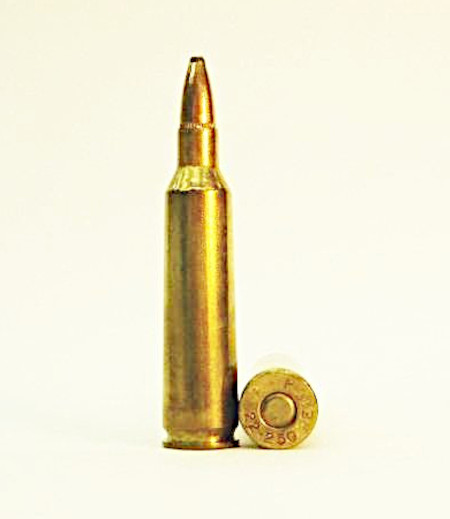
4. .22-250 Remington
The .22-250 wins admirers with speed. It is flat, fast, and famously effective on predators. That same velocity can fool hunters into thinking it belongs in a heavier class than it really does. Its weakness is not speed but mass. Light bullets, even at high velocity, can expand quickly and fail to drive deep enough on larger animals. That makes the .22-250 a poor choice when thick muscle, heavy shoulder structure, or quartering shots enter the picture. For hunters who like low recoil but need a true deer cartridge, the .243 Winchester does the same general job with a lot more authority.

5. .30 Carbine
The .30 Carbine has history, handiness, and plenty of nostalgic appeal. None of that changes its field limitations. It launches a 110-grain bullet at velocities that place it closer to high-end pistol territory than to modern big-game rifle performance. At close range on small to medium game, it can work. Beyond that, its shallow reserve of energy and modest bullet construction leave little room for error. Hunters wanting a compact rifle with short-range authority are better served by cartridges that were actually built for game animals, such as the .30-30 Winchester or the 350 Legend introduced in 2019.
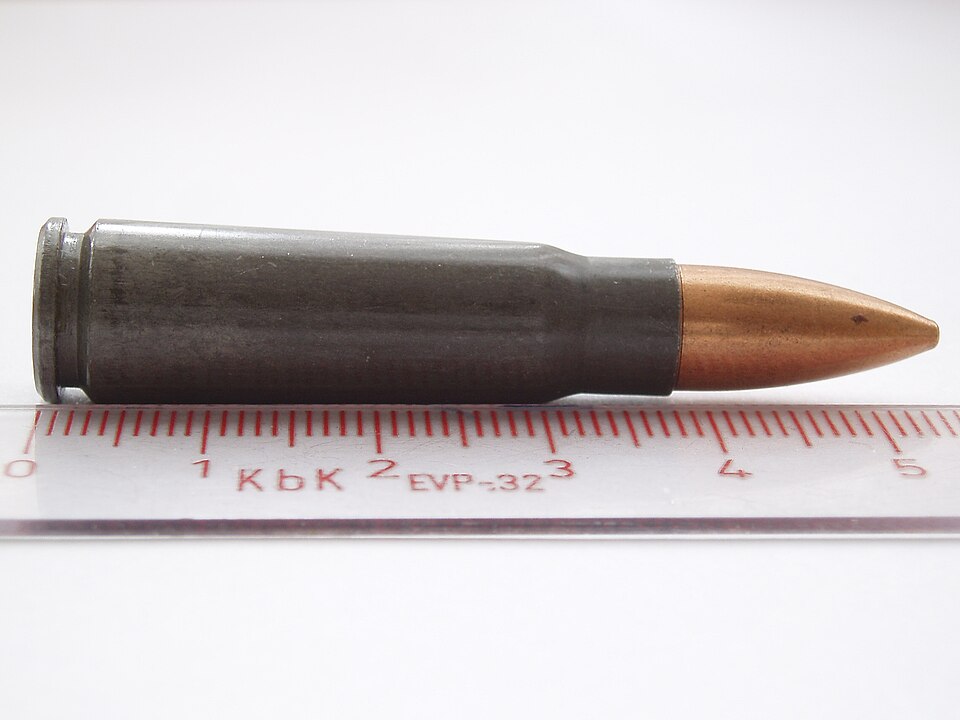
6. 7.62x39mm
The 7.62x39mm is tougher in the field than many critics admit, and inside modest distance it can handle deer. Its trouble is that it runs out of steam early and does not leave much room for difficult angles or bigger game. That short-range profile is the entire story. The bullet is not especially aerodynamic, velocity falls off quickly, and impact performance becomes far less certain as distance increases.
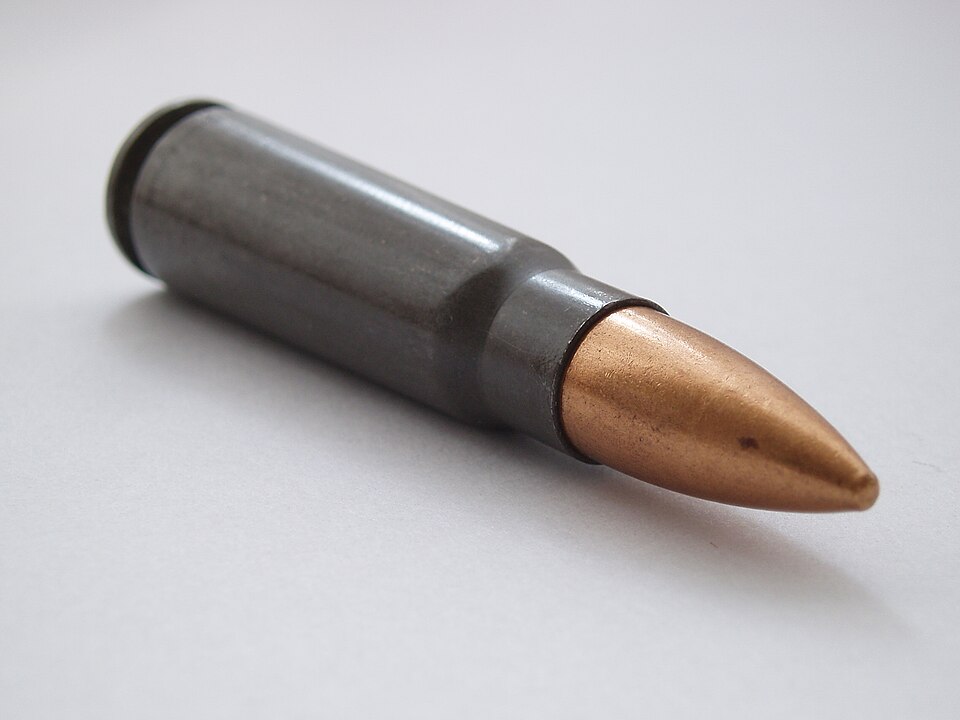
Hunters who need a mild cartridge for woods deer can make it work, but anyone trying to cover deer and larger game with one rifle is better off with the .308 Winchester or 7mm-08, both of which carry energy and penetration far more convincingly.
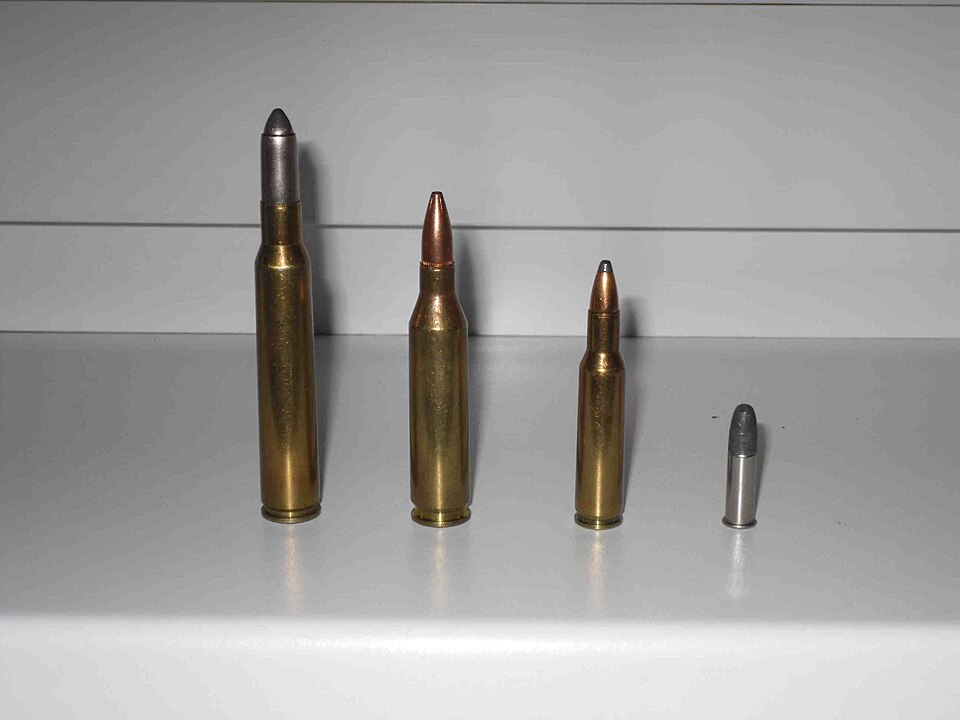
7. .243 Winchester for Heavy Game
This is the cartridge on the list that needs the most careful wording. The .243 Winchester is not a bad deer cartridge. In fact, it remains one of the best low-recoil choices for whitetails, and many hunters have proven that point for decades. Good bullets and proper placement make it entirely legitimate on deer-sized animals. Where it gets misused is on elk, moose, and similarly heavy game. That is where sectional density, frontal area, and impact authority begin to matter more. A .243 can work when everything goes right, but big animals are exactly where hunters should stop demanding perfection from a light cartridge.
Bullet construction matters too: bonded or monolithic bullets retain weight better on bone, but construction cannot fully compensate for limited cartridge size. For crossover duty, the safer step up is a .270 Winchester, 7mm-08, or .308 Winchester. For hunters who still want mild recoil, recoil guides generally place under 10 ft-lbs as ideal for newer shooters, a range where several better-balanced deer cartridges still fit.
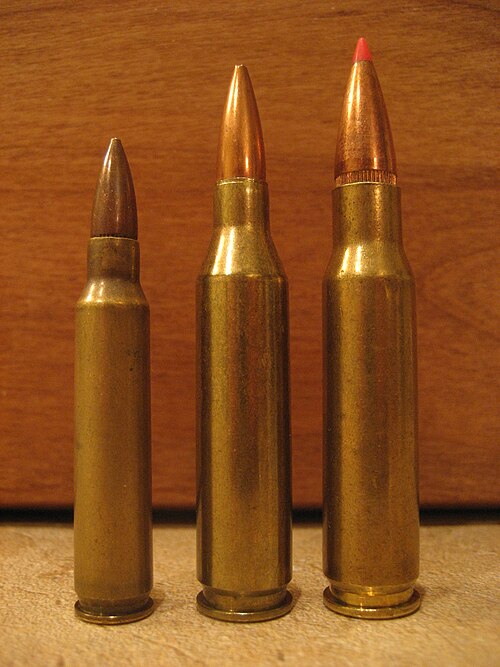
The common thread in all seven picks is not that they are useless. It is that they are easy to misuse. Many of them shine in the roles they were designed for, from varmints to close-range deer. Big game changes the standard. Once the animal gets larger, the better choice is the cartridge that still works when the shot is not perfect, the distance stretches, or the shoulder has to be punched through before the bullet reaches the vitals. That is where caliber choice stops being campfire talk and starts becoming part of a clean kill.


