Handgun caliber arguments usually get noisy fast. Bigger bullet versus faster bullet, old-school reputation versus new-school gel data, and endless claims about “stopping power” tend to crowd out the one thing that actually separates useful rounds from weak ones: consistent penetration and dependable bullet behavior. The modern benchmark is familiar for a reason.
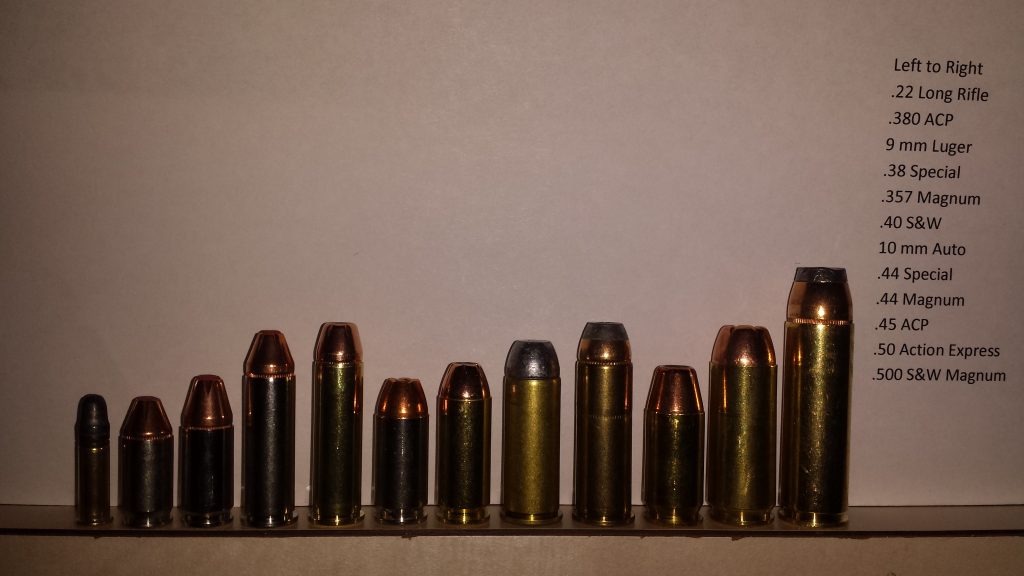
The FBI’s long-running testing standard centers on 12 to 18 inches in gelatin, because a handgun bullet still has to reach vital structures after clothing and other disruptions. That standard also helps explain why modern institutions shifted attention away from caliber myths and toward bullet construction, controllability, and repeatable performance. Viewed through that lens, some handgun calibers are not underrated at all. They are simply limited.
1. .22 Short
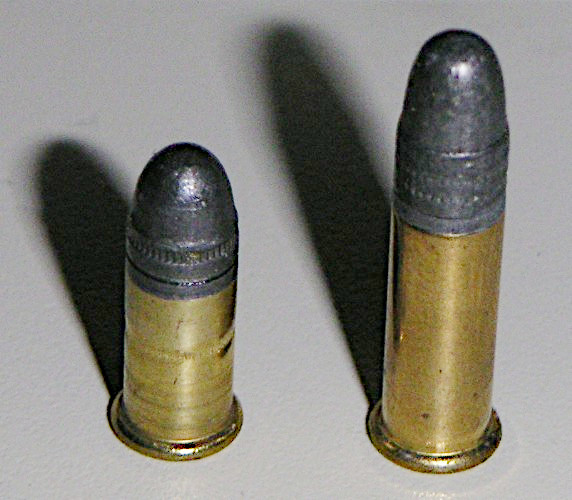
The .22 Short still earns respect as a historic cartridge and an easy-shooting option for casual range work. Its recoil is minimal, its report is modest, and its place in firearms history is secure. That does not change what it does from a handgun. The cartridge carries too little momentum and too little penetration margin for serious defensive use or for ethically taking anything larger than very small pests. Once bone, heavy clothing, or poor angles enter the picture, its shortcomings stop being theoretical. The old saying that any caliber works with perfect shot placement becomes especially fragile here, because this is one of the rounds that gives almost no room for error.
2. .25 ACP
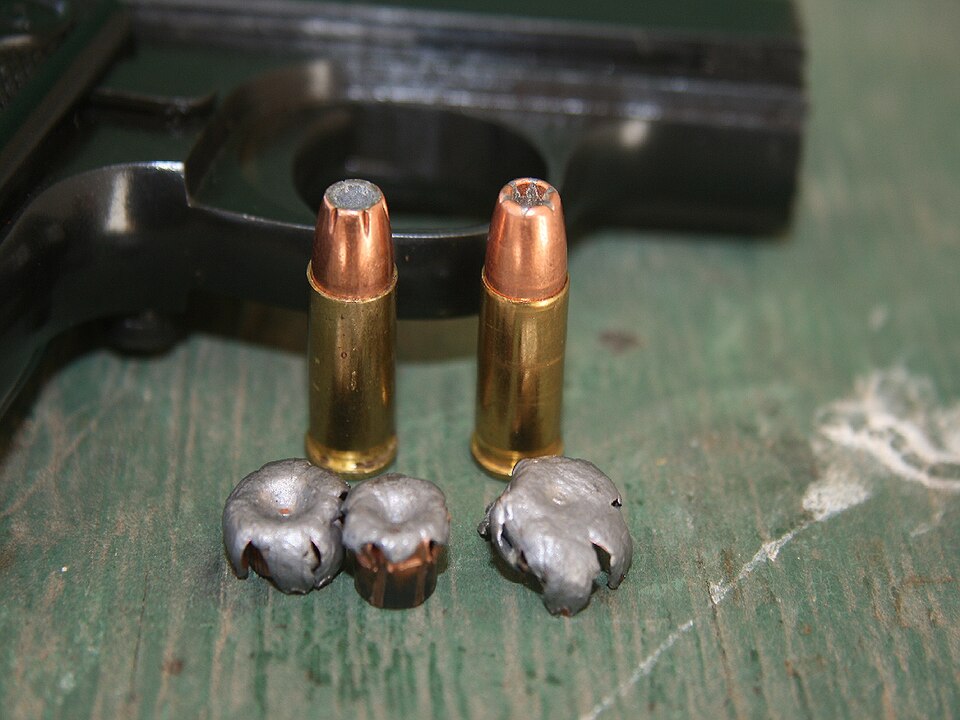
John Browning’s .25 ACP was meant to improve on tiny rimfire pocket guns by using centerfire ignition, and that part of the design still matters. It is generally more reliable to ignite than rimfire ammunition in guns of similar size. Its problem is not ignition. It is reach. In pocket-pistol gel testing, .25 ACP loads showed modest and inconsistent penetration, with few loads getting close to modern expectations. Expanding bullets often give away even more depth, while non-expanding loads still do not inspire much confidence. In a platform already compromised by tiny sights, tiny grips, and short barrels, the cartridge offers very little ballistic cushion when conditions are less than ideal.
3. .32 S&W
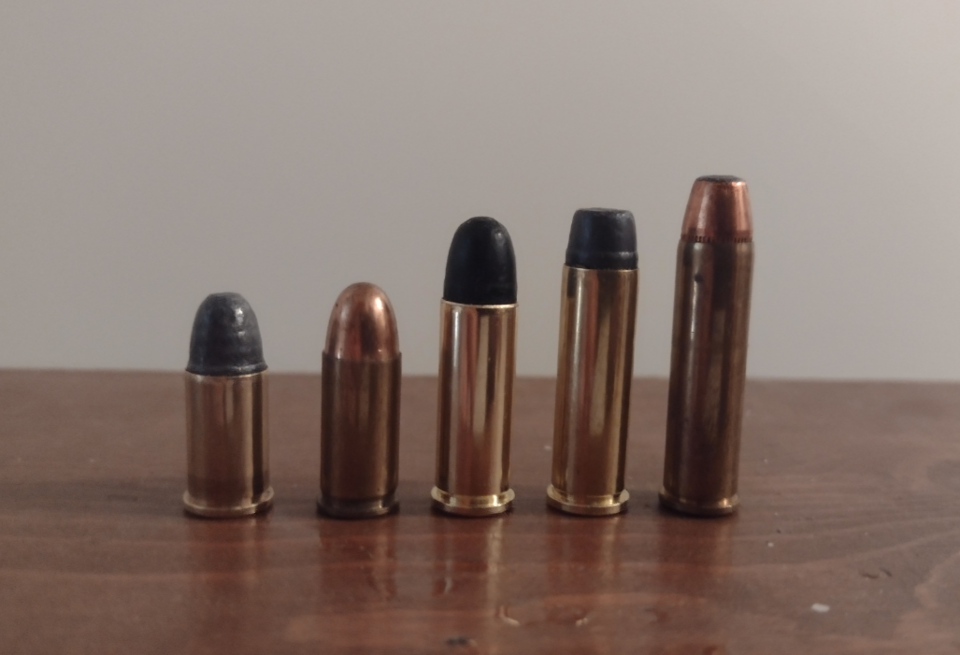
The original .32 S&W once rode in countless small revolvers, and for its era that made sense. It was soft recoiling, compact, and easy to chamber in simple handguns. Today it survives mostly as a historical cartridge, and modern standards show why. Compared with later .32-family rounds, it lacks the velocity and energy needed for dependable penetration and meaningful tissue disruption. Even among small revolver cartridges, it has been eclipsed by descendants that do the same general job with far more authority. Nostalgia keeps it alive; performance does not.
4. .410 Bore From a Handgun
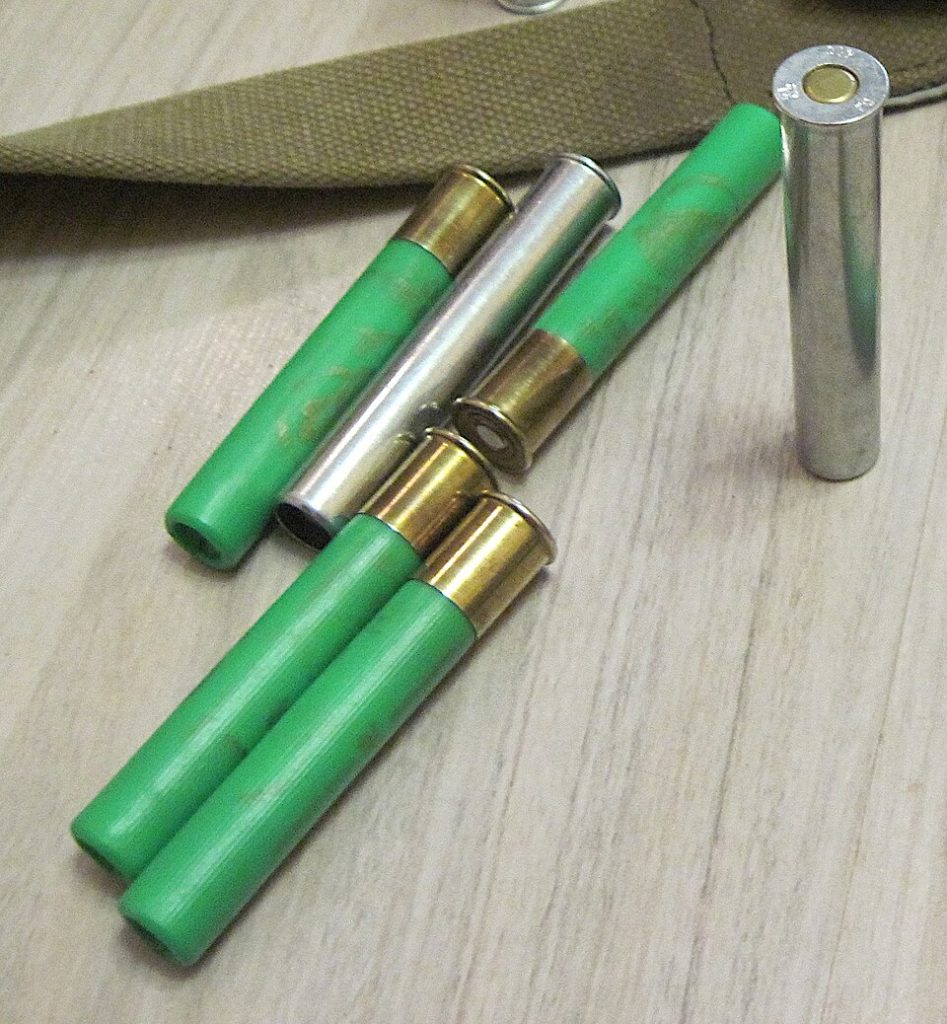
Handgun-sized .410 revolvers get attention because they look formidable and promise pattern spread from a defensive sidearm. That visual impression has always been stronger than the ballistic reality. Short barrels work against the .410 in almost every way that matters. Buckshot pellets shed performance quickly, birdshot lacks the depth required for serious defensive use, and slug loads can be erratic out of handgun platforms. Even when some buckshot loads show acceptable penetration in bare media, results degrade once clothing is involved. The concept offers spectacle, but short-barreled .410 handguns often trade away the consistency that conventional handgun cartridges can deliver more cleanly.
5. .22 LR From a Defensive Handgun
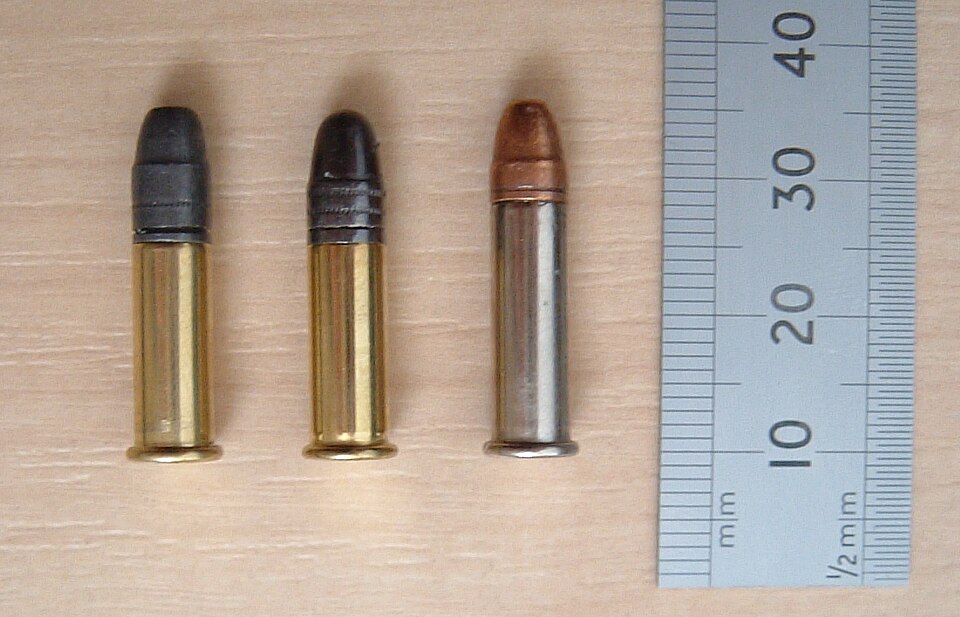
.22 LR is the cartridge that starts more shooters than any other, and that popularity often carries over into defensive discussions. Low recoil, low cost, and high capacity are all real advantages. So are its limits. Rimfire ignition remains less dependable than centerfire, and short handgun barrels can noticeably reduce velocity. In testing, longer handgun barrels produced major velocity gains over snub-length barrels, which is another reminder that .22 LR performance is highly platform-dependent. When expansion occurs, penetration often suffers. When expansion does not occur, the round is still starting from a very small diameter and modest energy level. It can be dangerous, but “can” is not the same thing as “consistently effective.”
6. .380 ACP With the Wrong Load
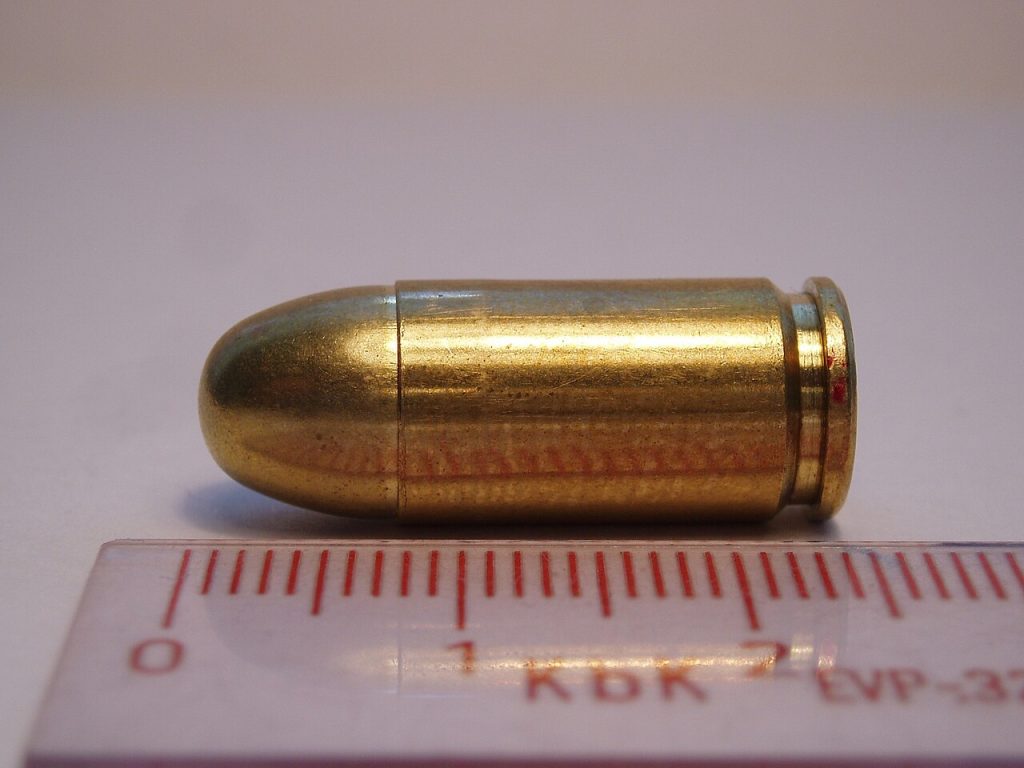
.380 ACP sits near the lower edge of what many shooters consider workable for defense, which makes ammunition selection unusually important. This is not a forgiving caliber. Full metal jacket loads may feed smoothly, but they can create narrow wound tracks and may either over-penetrate or still fail to produce ideal effect depending on impact conditions. Jacketed hollow points are a balancing act in .380 ACP, because the cartridge has less velocity reserve to support both expansion and adequate depth. Some loads perform well enough, but many do not. That narrow margin is exactly why larger service cartridges gained so much ground once bullet design improved. As retired FBI firearms veteran Bill Vanderpool put it, “It was more a matter of bullet construction than caliber.” The broader lesson from the Bureau’s return to 9mm was driven by bullet construction than caliber, not by nostalgia or bigger-bore loyalty.
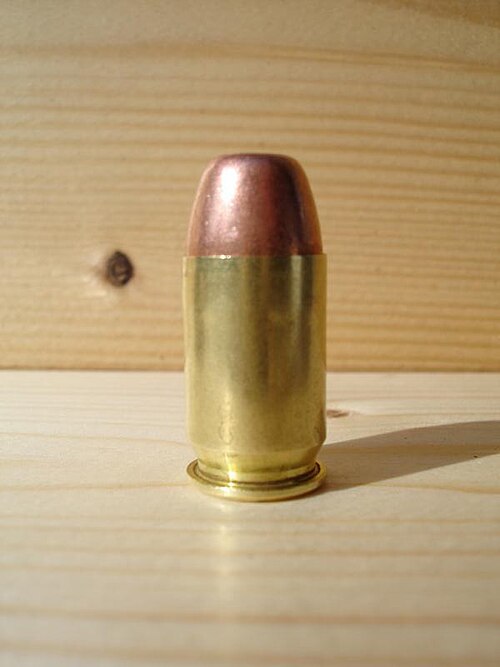
7. .45 GAP
.45 GAP was designed to deliver .45 ACP-like performance in a shorter cartridge, giving pistols a more compact grip profile. On paper, that was a tidy engineering solution. In the market and in the holster, it never gained enough momentum to matter. It did not produce a decisive practical advantage in recoil, accuracy, or terminal effect over established service rounds, and it arrived in a world where improved projectile design had already narrowed the real-world performance gap among major service calibers. Comparative analysis of modern duty rounds has shown only small terminal differences among service calibers when penetration is comparable. That left .45 GAP with a shrinking role and little reason for broad adoption.
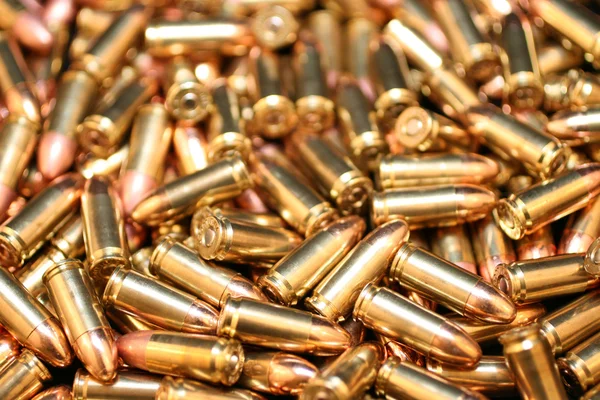
What ties these cartridges together is not that they are useless. It is that each one asks the shooter to accept a tradeoff that modern handgun standards no longer need to excuse. Some are historically important. Some are easy to carry. Some are enjoyable on the range. But when handgun performance is judged by penetration, consistency, and the ability to work through real-world variables, these calibers show where charm and capability stop being the same thing.


