Some firearms did more than succeed in their own era. They established design habits that still shape what shooters handle today, from service pistols and carry guns to hunting rifles and modular carbines.
The models below endured for different reasons: some won trust through mechanical simplicity, some changed manufacturing, and others created a blueprint that later platforms never really abandoned. Together, they explain why certain old ideas still dominate modern shooting culture.
1. Colt 1911
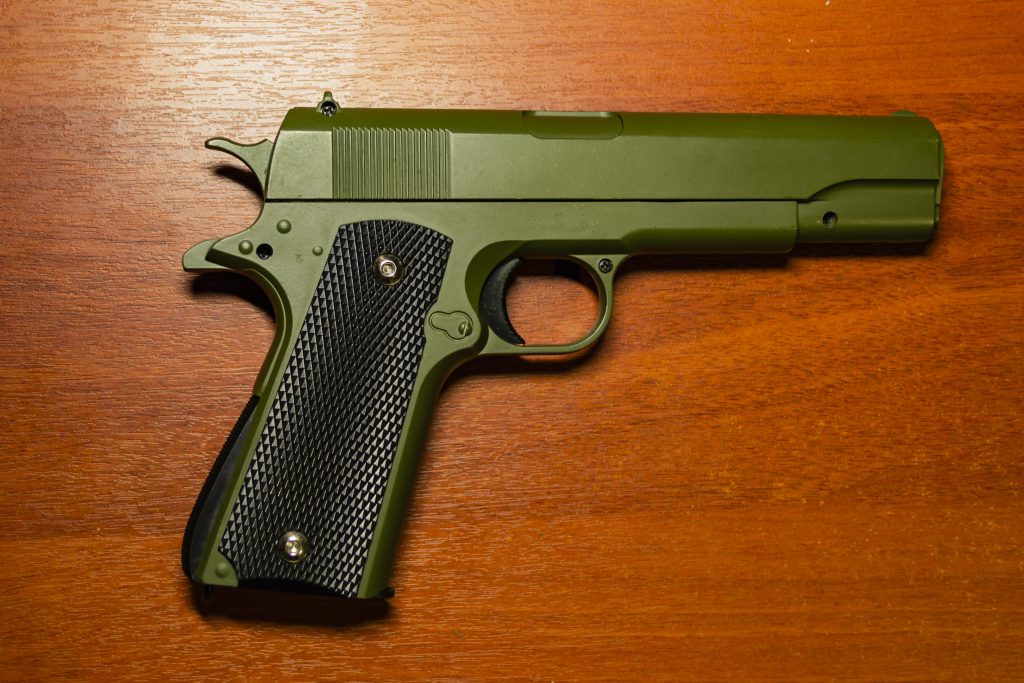
John Browning’s 1911 remains the rare combat pistol that survived long enough to become both a historical artifact and a living platform. Adopted by the U.S. military in the early 20th century, it built its reputation around a steel frame, a single-action trigger, and a cartridge pairing that made the design inseparable from .45 ACP in the public mind. Its staying power comes from feel as much as function. Shooters still return to the 1911 for its trigger quality, slim grip profile, and the way its weight helps tame recoil. By current standards, the classic seven-round magazine is modest, but the pistol’s balance and shootability kept it relevant in competition, custom gunsmithing, and defensive use long after newer service pistols took over police holsters.
2. Glock 17 and the Polymer Pistol Shift
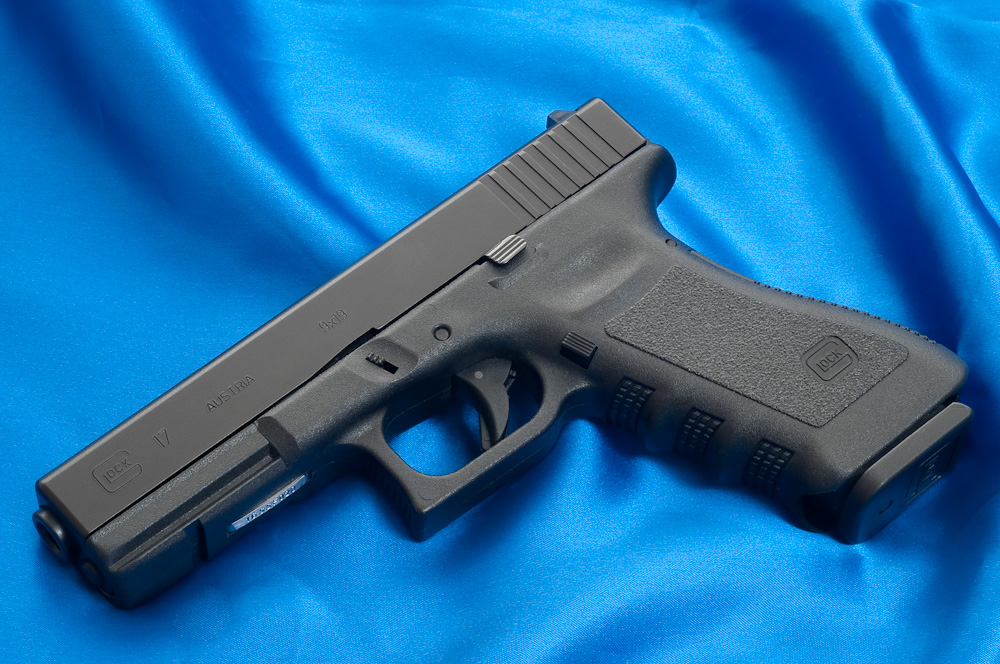
The Glock 17 did not invent polymer-framed handguns, but it pushed the concept into the mainstream. Built in the early 1980s for Austrian military trials, the pistol combined a synthetic frame, a high-capacity magazine, and the SAFE ACTION system in a package meant to be simple under pressure. Glock states the design uses an average of only 35 parts, a detail that helps explain its reputation for easy maintenance. The formula was hard for the rest of the handgun industry to ignore. Lightweight construction, corrosion resistance, consistent trigger pull, and simplified internal safeties became the standard checklist for a modern duty pistol. The company also says over 65% of federal, state and local agencies in the United States have been issued Glock pistols, which helps show how completely the polymer service pistol won the institutional market.
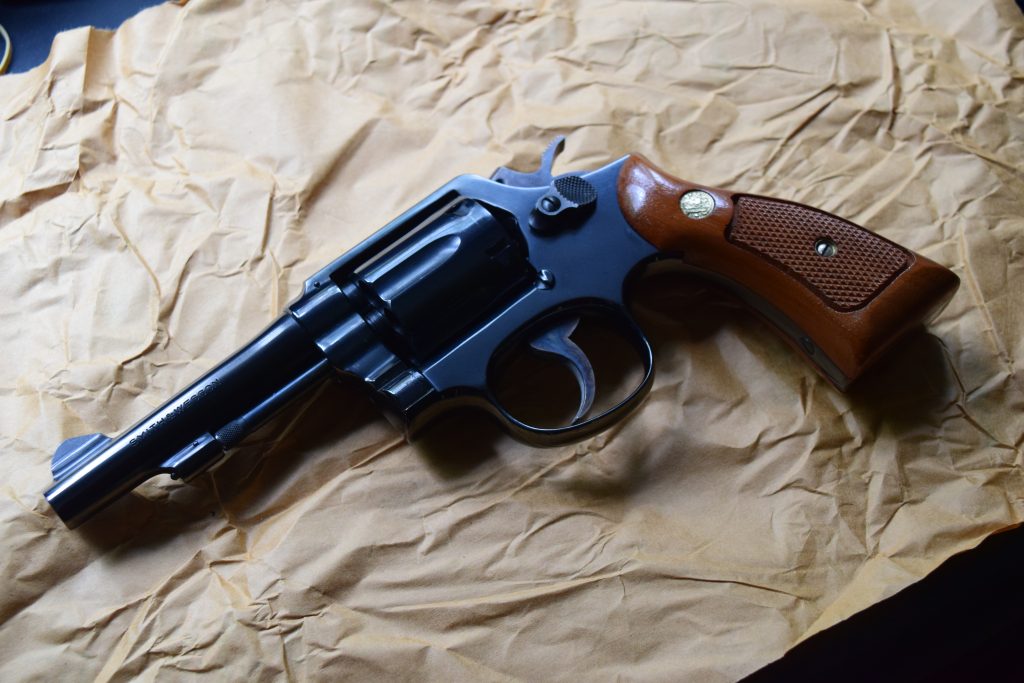
3. Smith & Wesson and Colt Double-Action Revolvers
Before semiautos dominated, American double-action revolvers set the standard for sidearm reliability and finish quality. Models like the Smith & Wesson Model 10 and Colt Python represented an era when smooth trigger pulls, precise timing, and strong lockwork mattered as much as raw capacity. They still matter because they solved a different engineering problem than magazine-fed pistols. A revolver’s manual of arms is direct, its operation is easy to understand, and its durability gave generations of shooters confidence in a sidearm with few external controls. Even now, revolvers remain a reference point for trigger quality, hand-fitting, and the older craft traditions of American gunmaking.
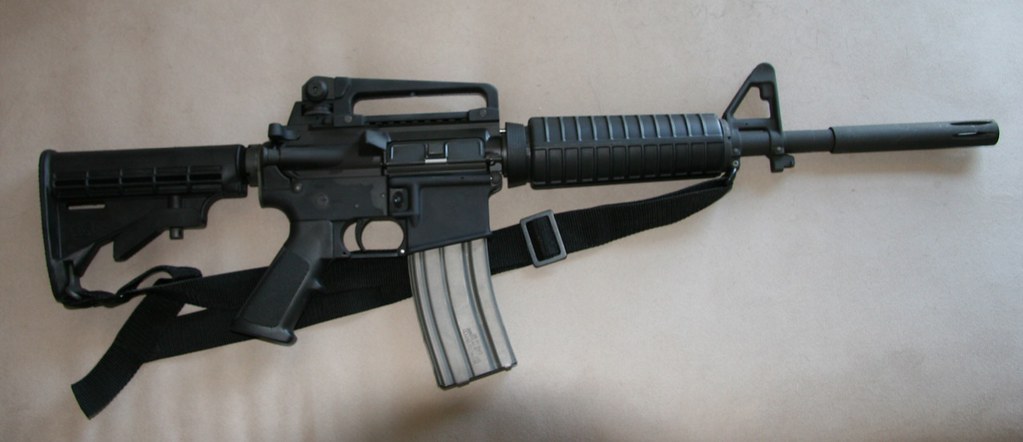
4. AR-15 Pattern Rifles
The AR-15 pattern became dominant by turning a rifle into a modular system. Developed from Eugene Stoner’s earlier work and commercialized after ArmaLite sold the design to Colt in 1959, the civilian semi-automatic platform eventually exploded into a huge ecosystem once Colt’s patents expired in 1977. Its real legacy is architectural. The two-part receiver, easy takedown pins, swappable uppers, and huge aftermarket changed what owners expected from a rifle. Instead of one fixed configuration, the AR became a platform that could shift between roles with different optics, barrels, furniture, and calibers. That modular logic spread far beyond the AR world and changed how manufacturers design civilian rifles today.
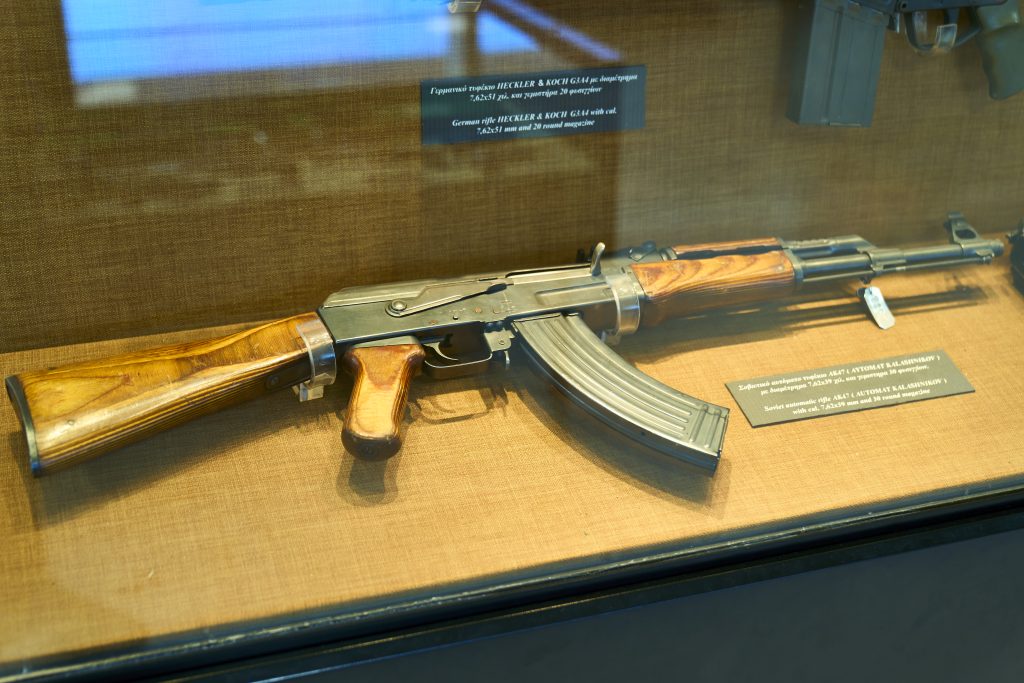
5. AK-47
The AK-47 became iconic because it married battlefield durability to industrial pragmatism. Developed in the Soviet Union and officially accepted in 1949, it used a long-stroke gas system, generous internal clearances, and a layout intended to keep running in poor conditions. The result was a rifle platform that earned a reputation for reliability that still defines the Kalashnikov name. Its influence extends well beyond mechanics. The rifle and its descendants spread so widely that the World Bank estimate cited in the AK-47 historical record placed 100 million in the Kalashnikov family. Just as important for engineering history, the AK proved that a rifle could be rugged, easy to mass-produce, and forgiving of abuse without becoming mechanically exotic. That tradeoff between precision and resilience still shapes debates around rifle design.
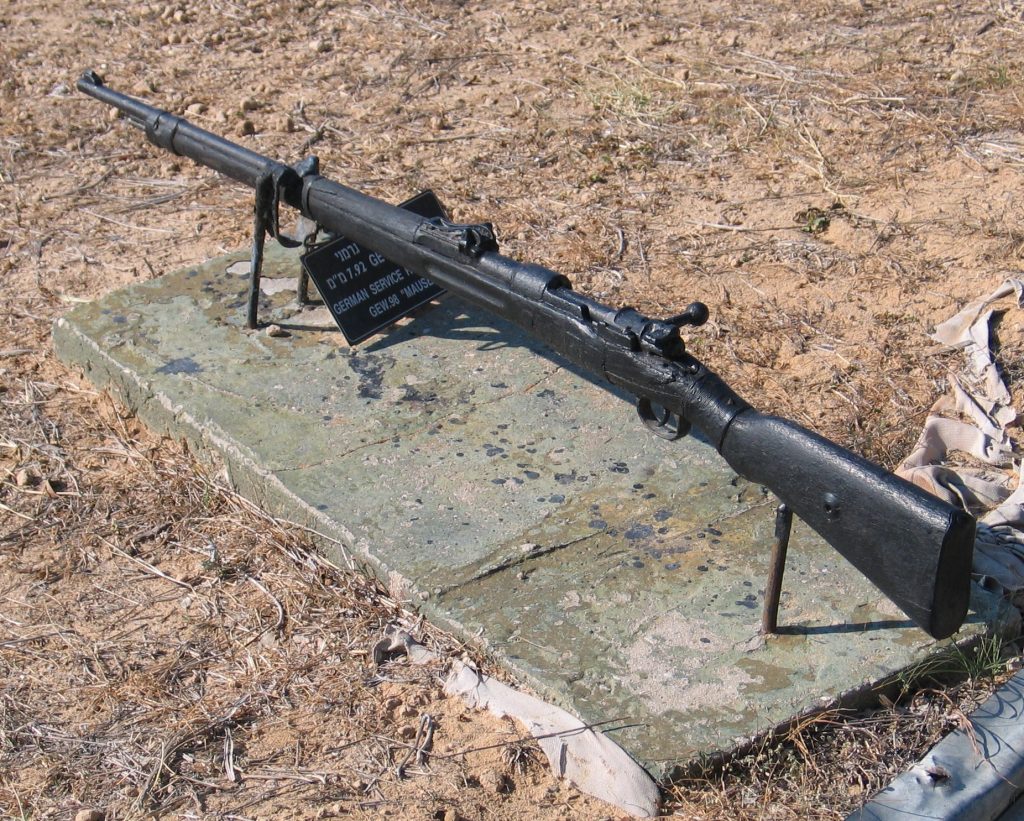
6. Mauser 98
The Mauser 98 is still the benchmark for bolt-action rifle design because it got the fundamentals right so early. Introduced in 1898, it brought together controlled-round feed, a massive claw extractor, and strong locking geometry in a system that inspired countless military and sporting rifles that followed.
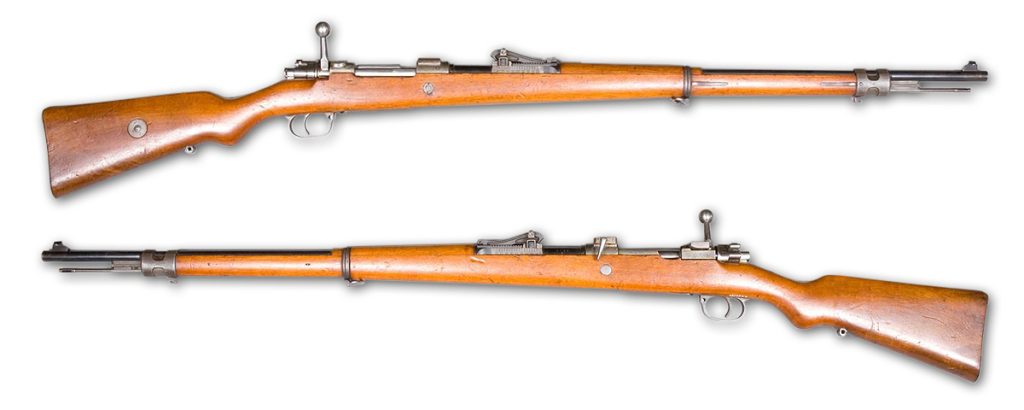
Its continuing relevance shows up every hunting season. Even when modern rifles use new materials, improved optics, and tighter manufacturing tolerances, they often preserve core Mauser ideas because the action feeds reliably, handles cartridges with authority, and gives shooters confidence in harsh field conditions. Many later rifles became popular; the Mauser became foundational.
7. Winchester Model 94
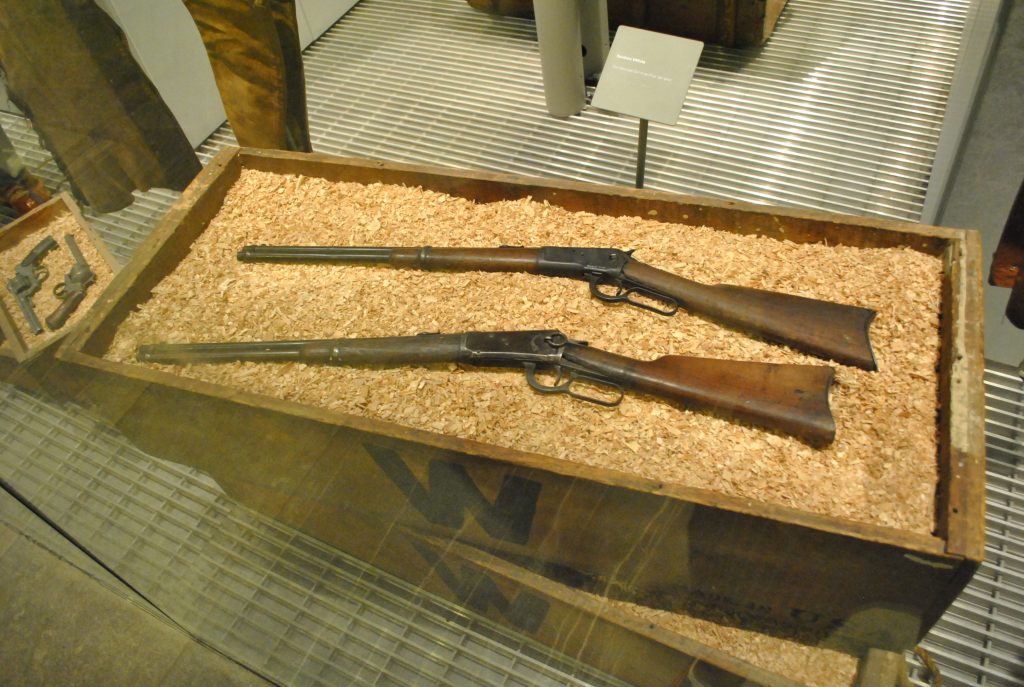
The Winchester Model 94 turned the lever gun into one of the most recognizable sporting rifles ever built. Introduced in 1894 and strongly associated with .30-30 Winchester, it was compact, fast-handling, and well suited to woods hunting and horseback carry. That combination made it a practical rifle first and a cultural symbol second. Its importance is easy to underestimate because it looks traditional. In reality, it helped normalize the idea of a light, quick repeating rifle for ordinary field use, not just military service. More than 5.5 million copies of the Model 94 were produced, and that long production run says a great deal about how well Browning’s layout matched real-world hunting needs.
These firearms lasted because they solved enduring problems. How should a sidearm balance power, weight, and simplicity? How should a rifle trade accuracy against durability, or tradition against modularity? The strongest designs answered those questions clearly enough that later generations kept borrowing from them. That is why they still matter. Even when current guns look newer, lighter, or more specialized, many are still working inside patterns these older firearms established decades ago.


