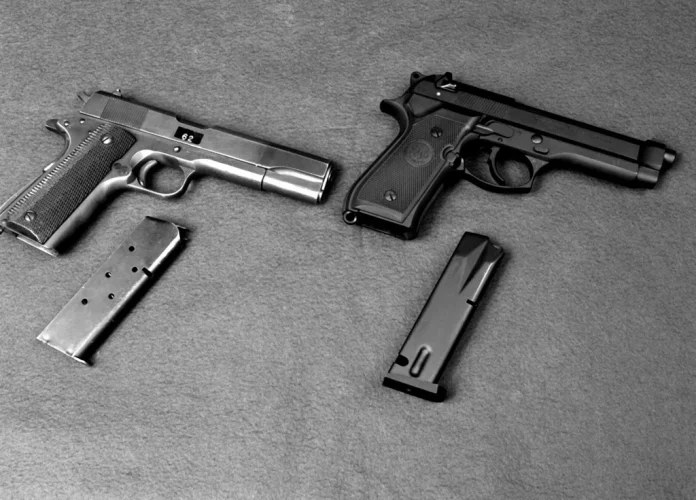
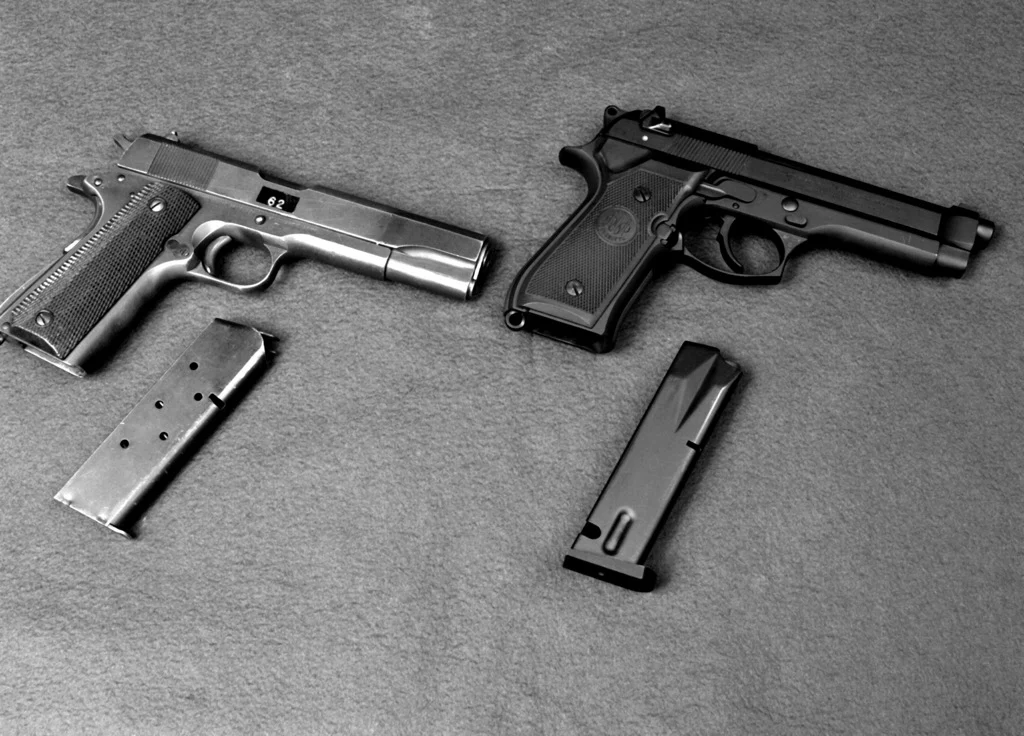
The argument between the steel frame 1911 and the modern polymer pistol has lasted long enough to outlive several generations of handgun design. Both formats have proven they can work, but they solve different problems. One leans on history, weight, and a famously crisp trigger. The other leans on lighter construction, simpler upkeep, and higher onboard capacity. For anyone comparing them as serious working handguns rather than collectibles, the real differences show up in carry comfort, training demands, and how much effort the owner wants to invest over time.
1. Carry Weight Changes the Entire Experience
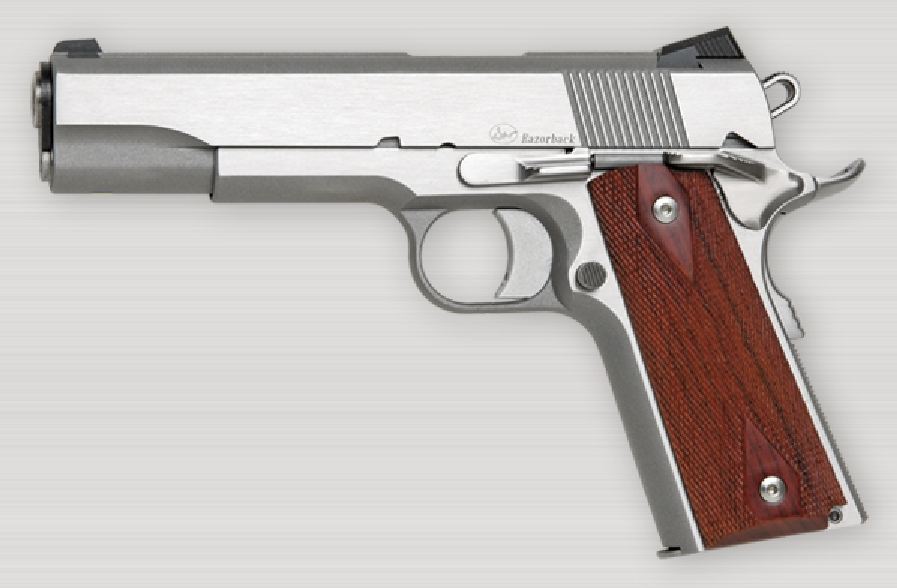
A full-size steel 1911 commonly pushes past 40 ounces unloaded, and that mass is impossible to ignore after a long day on the belt. The extra weight helps settle the pistol during firing, but it also demands better support gear and more tolerance from the person carrying it. Polymer framed pistols were embraced in part because polymer is lighter than pretty much any metal used for handgun frames. That difference is not minor. It affects concealment, fatigue, and whether the pistol actually stays on the body from morning to night.
2. The 1911 Still Owns the Trigger Debate
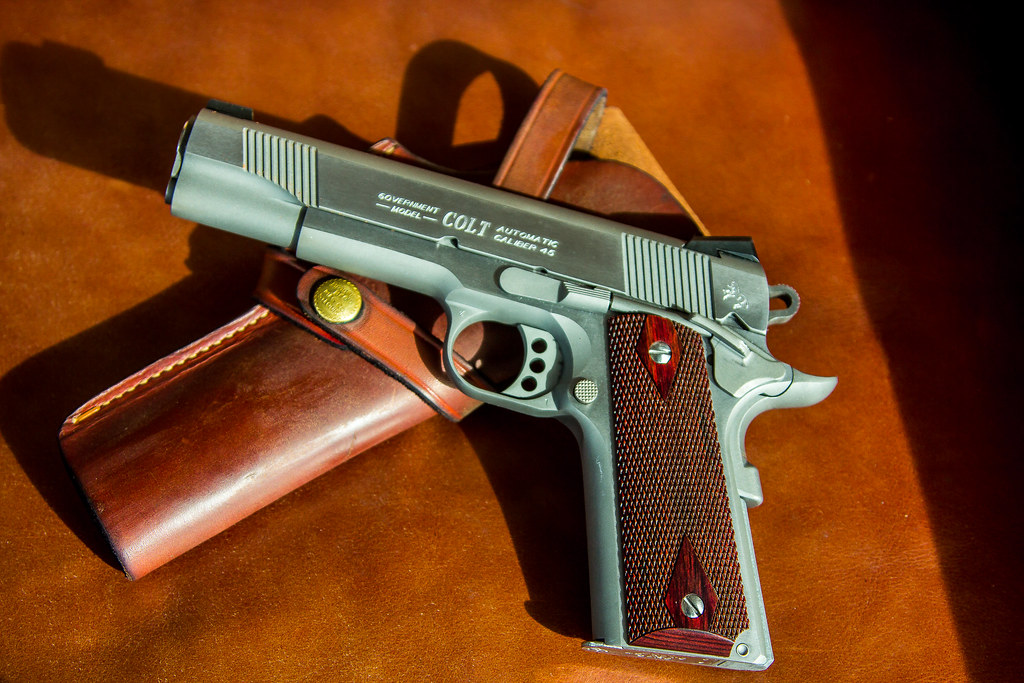
The 1911’s single action trigger remains the standard many shooters measure everything else against. Short take up, a clean break, and a brief reset make precise shooting easier for many hands, especially at speed. Striker-fired polymer pistols answer with consistency rather than refinement. The pull is usually not as crisp, but every shot feels similar, which simplifies practice and defensive use. That predictability is one reason the format has spread so broadly into duty and concealed carry roles.
3. Capacity Favors the Polymer Gun
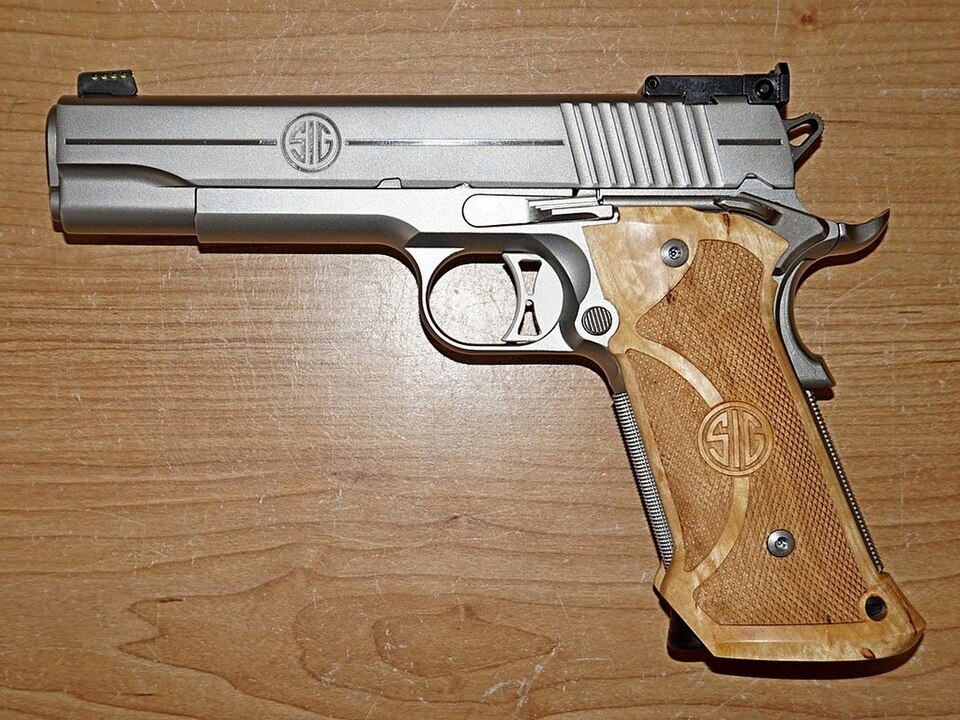
Traditional .45 ACP 1911 magazines usually hold seven or eight rounds, while many full-size polymer 9mm pistols carry 15 to 18. That gap changes reload frequency in a hurry. Training discussions around high round count classes often come back to the same practical point: higher-capacity pistols keep the shooter working instead of constantly changing magazines. The 1911 can still perform well in class or on the range, but it usually asks for more magazines on hand and more interruptions between strings of fire.
4. Maintenance Demands Are Not the Same
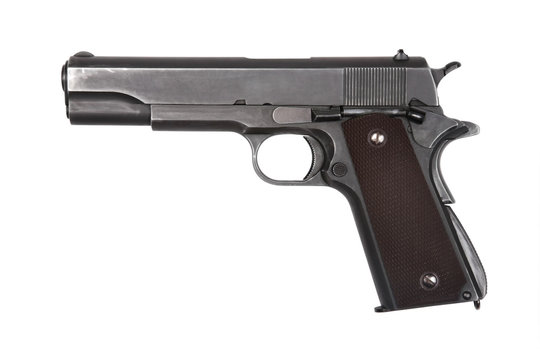
The 1911 has a long record of surviving harsh service, but many examples run best when kept properly lubricated, reasonably clean, and fed ammunition they like. Tighter guns can become less forgiving when maintenance slips. Polymer pistols built for defensive use generally have a stronger reputation for low drama ownership. The frame itself does not rust, and the format was popularized by designs built to endure mud, moisture, and temperature swings with minimal attention. In military trials, handguns were exposed to temperature extremes between 40 and 140 deg F along with sand, snow, mud, and saltwater.
5. Recoil Feels Different for Reasons Beyond Caliber
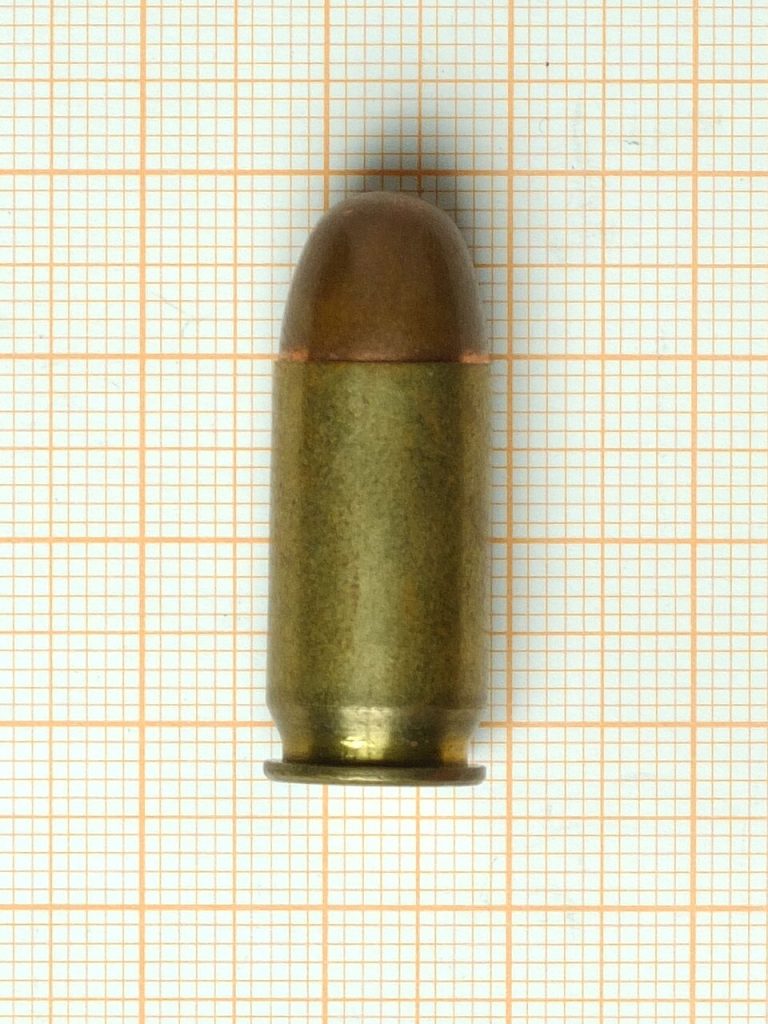
Weight matters here. A steel 1911 soaks up recoil in a way lighter pistols usually cannot, especially in .45 ACP. That heavier frame often produces a softer, steadier feel and can make rapid follow-up shots feel more controlled. Polymer pistols, particularly compact ones, tend to feel sharper in the hand. Some shooters tolerate that easily, while others notice faster fatigue. The trade is simple: less weight on the belt often means more movement during firing.
6. Concealment Is About More Than Thickness
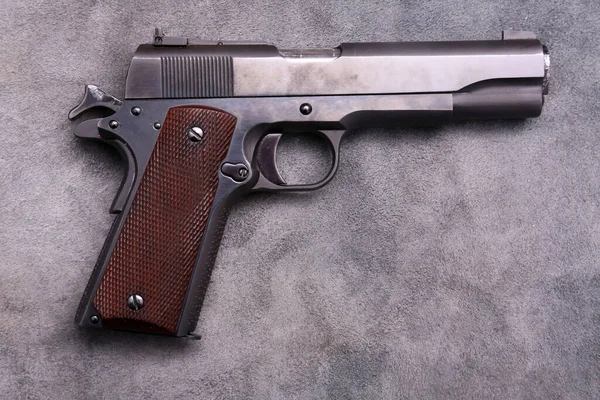
The 1911 is slim for a serious handgun because of its single-stack magazine, and that narrow profile still helps it hide. But a government-size pistol is long and heavy, which creates its own concealment problems under light clothing. Polymer lines usually offer more size options, from duty-size to subcompact, with far less mass. That flexibility matters. A smaller polymer frame can be easier to conceal in warm weather, easier to carry for long hours, and easier to fit to different body types without changing the basic manual of arms.
7. Safety Systems Demand Different Habits
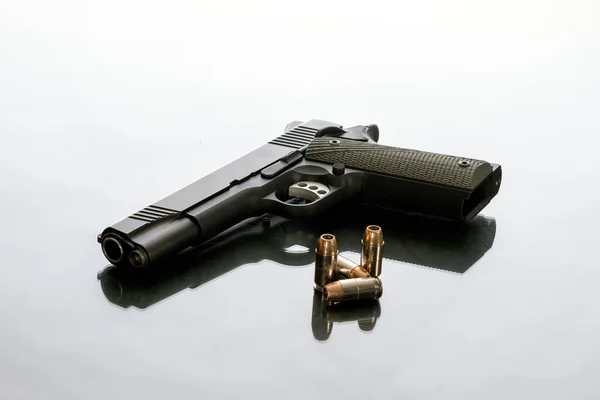
The classic 1911 setup combines a thumb safety with a grip safety, and that system rewards repetition. Carried in its normal ready condition, it expects the user to disengage the safety cleanly on the draw and re-engage it when appropriate. Polymer striker-fired pistols usually reduce external controls and rely on internal safeties plus trigger safety systems. That can simplify operation, but it shifts more responsibility to holster quality and disciplined handling. As many experienced shooters note, the real issue is not which system is superior in theory, but whether the user stays with one operating system long enough for it to become automatic under stress.
8. Materials Shape Longevity and Modularity
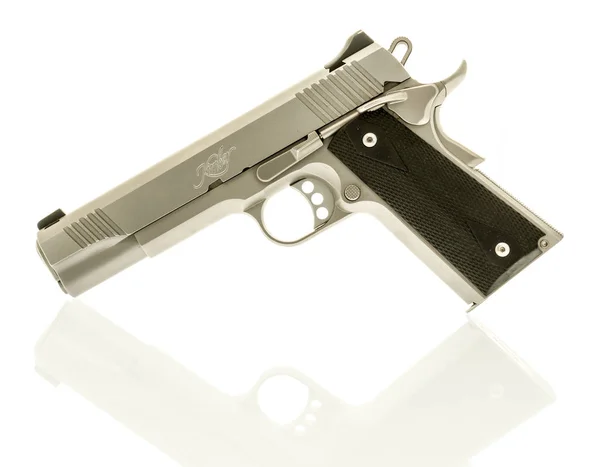
The 1911’s steel construction gives it a dense, machined feel that many shooters associate with durability and craftsmanship. It also gives the platform enormous room for tuning, from sights and safeties to triggers and grip panels. Polymer changed the engineering equation by making frames faster and cheaper to produce at scale. In some newer designs, the serialized “chassis” is separate from the grip module, allowing a shooter to swap frame sizes without replacing the legal firearm. That kind of modularity has no true traditional 1911 equivalent.
9. One Is a Machine, the Other Is Often a Meaningful Object
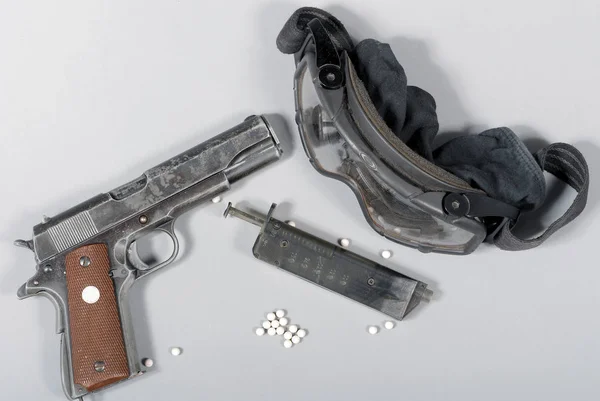
The 1911 carries a century of mechanical identity. Its lines, controls, and all-metal construction connect it to military service, competition shooting, and custom pistol craft in a way few other handguns can match. The platform’s origin traces back to a pistol that, in the Army’s 6,000 rounds apiece over the course of two days test, finished without stoppages in its final form.
Polymer pistols rarely compete on nostalgia. Their appeal is usually cleaner and more modern: lower weight, higher capacity, simpler maintenance, and broad parts compatibility. For many owners, that is enough. For others, the 1911 offers something polymer still does not, a sense that the mechanism itself is part of the reason to carry it.
The divide is not really old versus new. It is priority versus priority. The 1911 rewards shooters who value trigger quality, recoil control, slim steel ergonomics, and a platform with deep historical roots. Polymer pistols reward shooters who want lighter carry, more rounds on board, easier upkeep, and a format shaped by modern manufacturing. The stronger choice depends on which trade-offs matter most once the pistol leaves the display case and becomes part of daily use.


