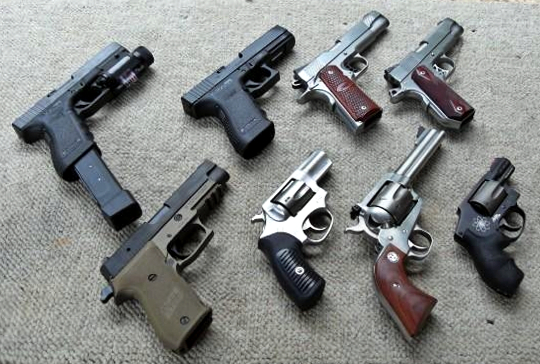
Modern striker-fired pistols earned their place through simple controls, compact packaging, and a trigger pull that stays broadly consistent from shot to shot. That reputation for simplicity can hide where stoppages and safety concerns actually begin: not at the dramatic point of failure, but in tiny surfaces, springs, and alignment relationships that wear quietly over time. Gunsmiths tend to look past brand loyalty and focus on interfaces. In a striker gun, the recurring trouble spots usually involve magazines, extractor behavior, recoil energy, chamber condition, and the trigger system’s narrow margin for error. The result is not a single fatal flaw, but a cluster of small mechanical weak points that can stack up quickly.
1. Magazine feed lips that stop presenting rounds correctly
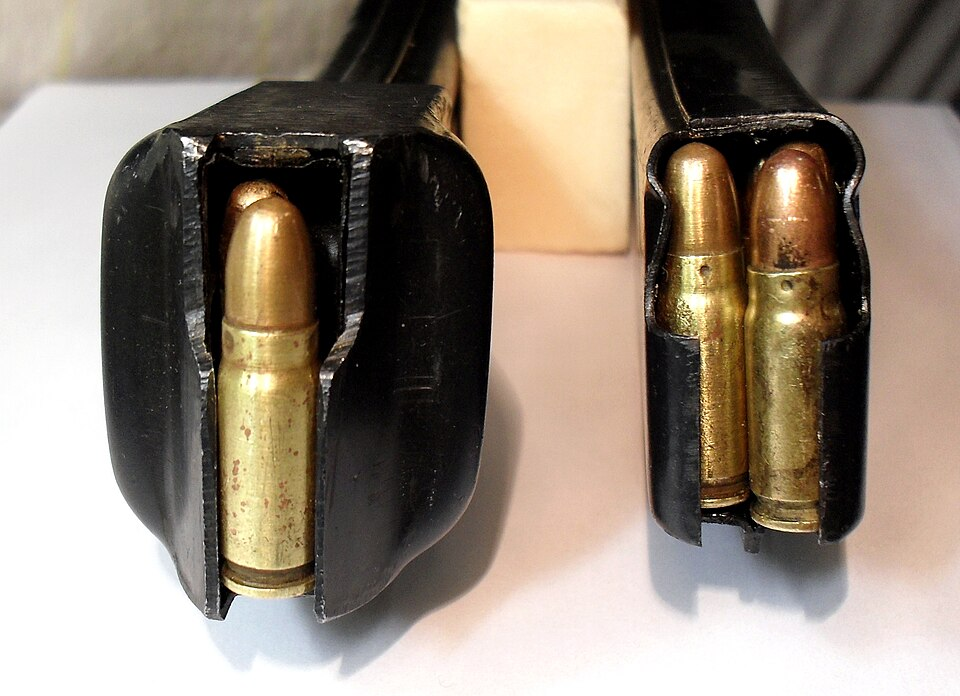
The magazine remains the most common place for feeding problems to begin. Bent or worn feed lips can release a cartridge too early, too late, or at the wrong angle, which changes how the slide strips the round and how the nose approaches the chamber. That is why a pistol that seems fine with one magazine can choke repeatedly with another.
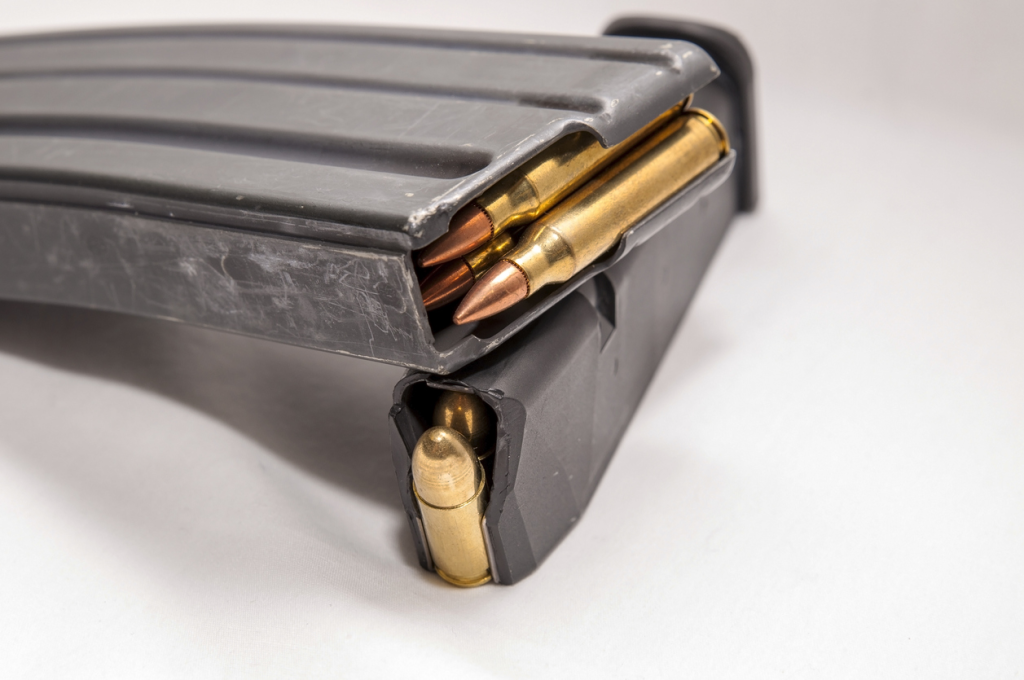
Damage here often shows up as nose-up or nose-down jams rather than a completely obvious magazine failure. The issue is especially deceptive because the slide, barrel, and recoil system may all be working normally while the cartridge is being launched into the wrong path. Regular inspection of bent feed lips and weak magazine springs is one of the simplest ways to catch this before it becomes a range mystery.
2. Magazine catch wear that leaves the mag just low enough to fail
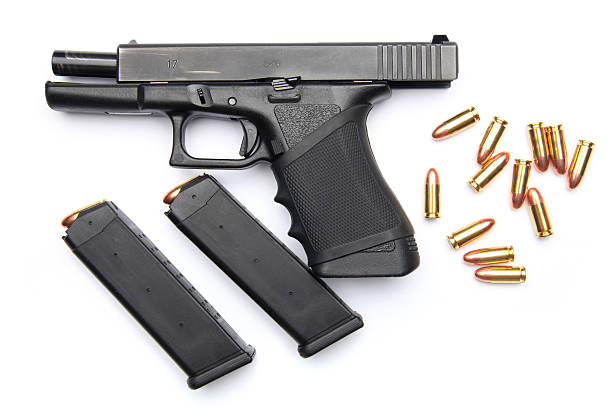
A magazine does not need to fall free to cause trouble. It only needs to sit slightly low in the frame. When the magazine catch, magazine notch, or magwell area is worn, dirty, or out of spec, the slide can partially miss the cartridge base during its forward stroke. That creates the classic empty-chamber surprise after a shot, even though cartridges are still in the magazine. Reference material on failure-to-feed diagnosis notes that debris around the magwell or damage near the magazine locking cutout can keep the magazine from fully seating, allowing the slide to skip over the next cartridge.
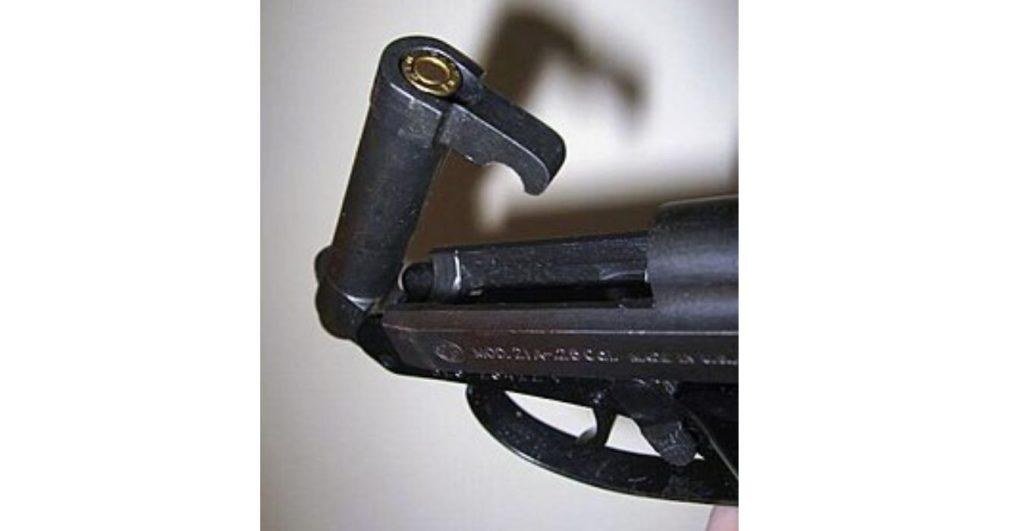
3. Extractor tension that disrupts feeding before extraction ever matters
Many shooters think of the extractor only as the part that pulls a fired case out. In reality, it also helps control cartridge position during feeding. As the slide pushes a fresh round forward, the case head moves up the breech face and under extractor control. If the extractor is too tight, too loose, dirty under the hook, or slightly damaged, the round can lose proper alignment before it ever reaches full chambering. This is one of the more hidden striker-pistol issues because it mimics magazine or ammo problems. A pistol may show intermittent nose-down jams, nose-up stoppages, or erratic chambering with no single obvious culprit. Gunsmiths often inspect extractor tension and hook cleanliness early because they know the extractor influences feeding, chambering, and extraction, not just the last step.
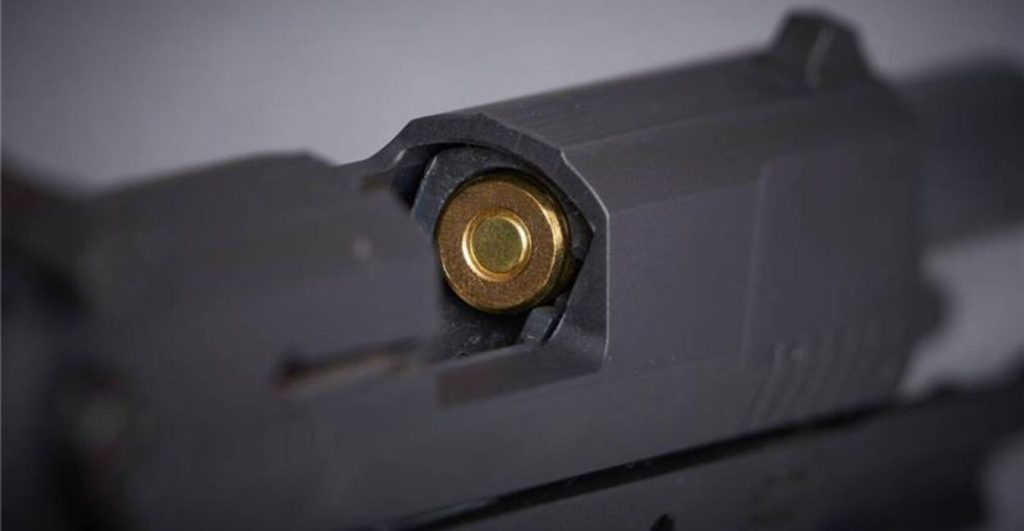
4. Chamber fouling that quietly prevents full return to battery
A striker pistol can appear nearly in battery while still being out of action. The slide may be only slightly rearward, but that small gap is enough to stop the pistol from firing. Carbon buildup, dirt, or a rough chamber can add just enough resistance to halt the cartridge short of full seating. This becomes more noticeable when ammunition runs near the upper edge of dimensional tolerance, or when the pistol has been shot extensively without cleaning. One source on common malfunctions argues that a dirty gun can account for around 90% of firearm malfunctions, while another points directly to chamber fouling and debris in locking areas as common causes of failure to return to battery.
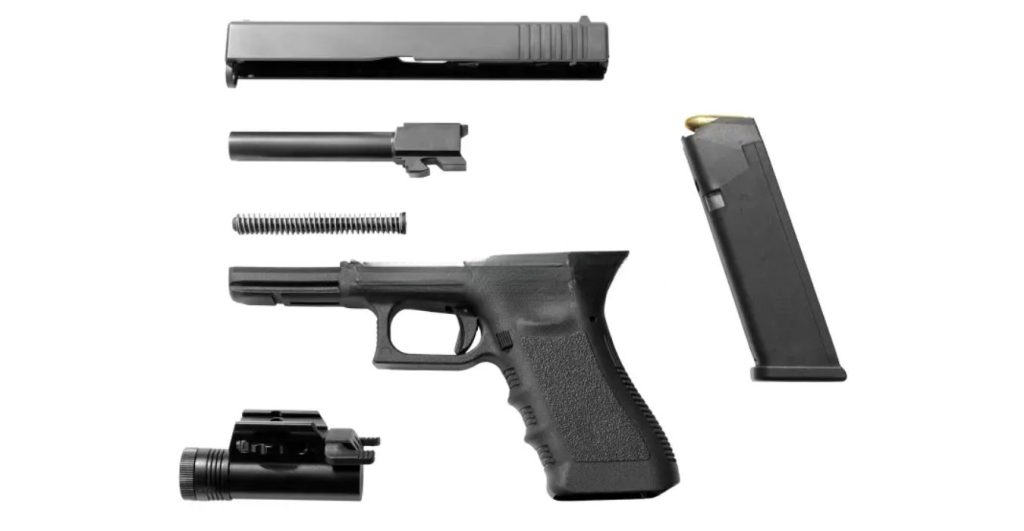
5. Recoil springs that lose the force margin modern pistols depend on
Compact and subcompact striker pistols run on tight timing. As recoil springs age, they may still function most of the time, but the reserve force that shoves the slide fully forward begins to fade. That loss shows up as sluggish return to battery, inconsistent chambering, and increasing sensitivity to dirt, ammo variation, or drag in the rails.
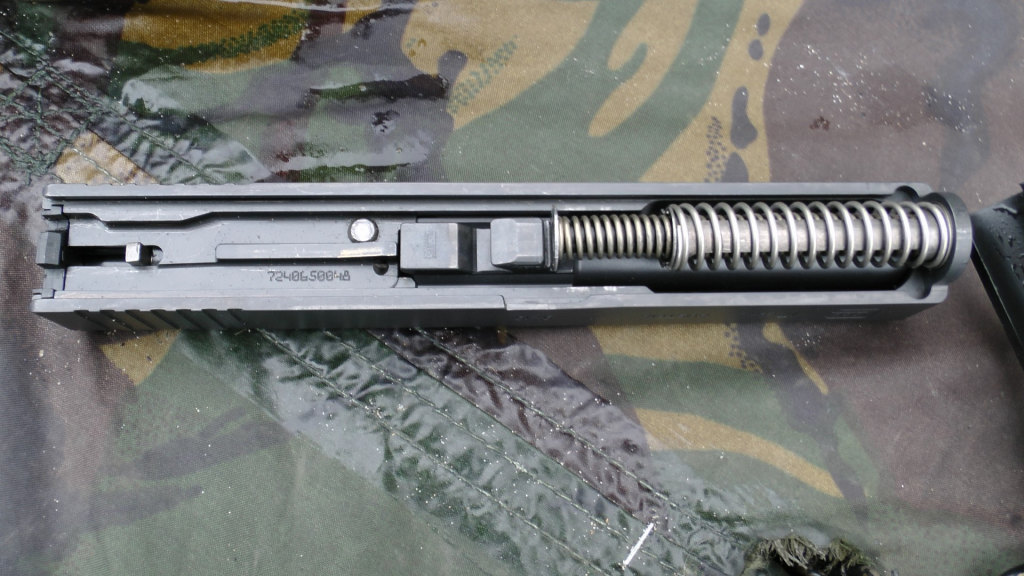
Diagnosis guides routinely flag the recoil spring as the spring changed most often because it experiences the greatest compression cycle. Recommendations vary, but the larger point is consistent: a weak spring reduces the pistol’s ability to overcome normal friction and slight misalignment. In a modern striker design, that can turn ordinary fouling into a stoppage.

6. Trigger-guard intrusion during handling and reholstering
Not every failure point is a broken part. Some are built into how the system is managed. Striker-fired pistols typically pair relatively short trigger travel with internal safeties rather than a long double-action first press or an external manual safety. That arrangement keeps operation simple, but it also means foreign objects or a poorly placed finger can defeat the margin of safety quickly. One reference describes the modern striker format as functionally similar to carrying a pistol with a short, light trigger and notes that even Glock’s trigger safety is not foolproof against unintended trigger movement caused by intrusion into the trigger guard.
7. Slide-stop interference that looks mechanical but often is not
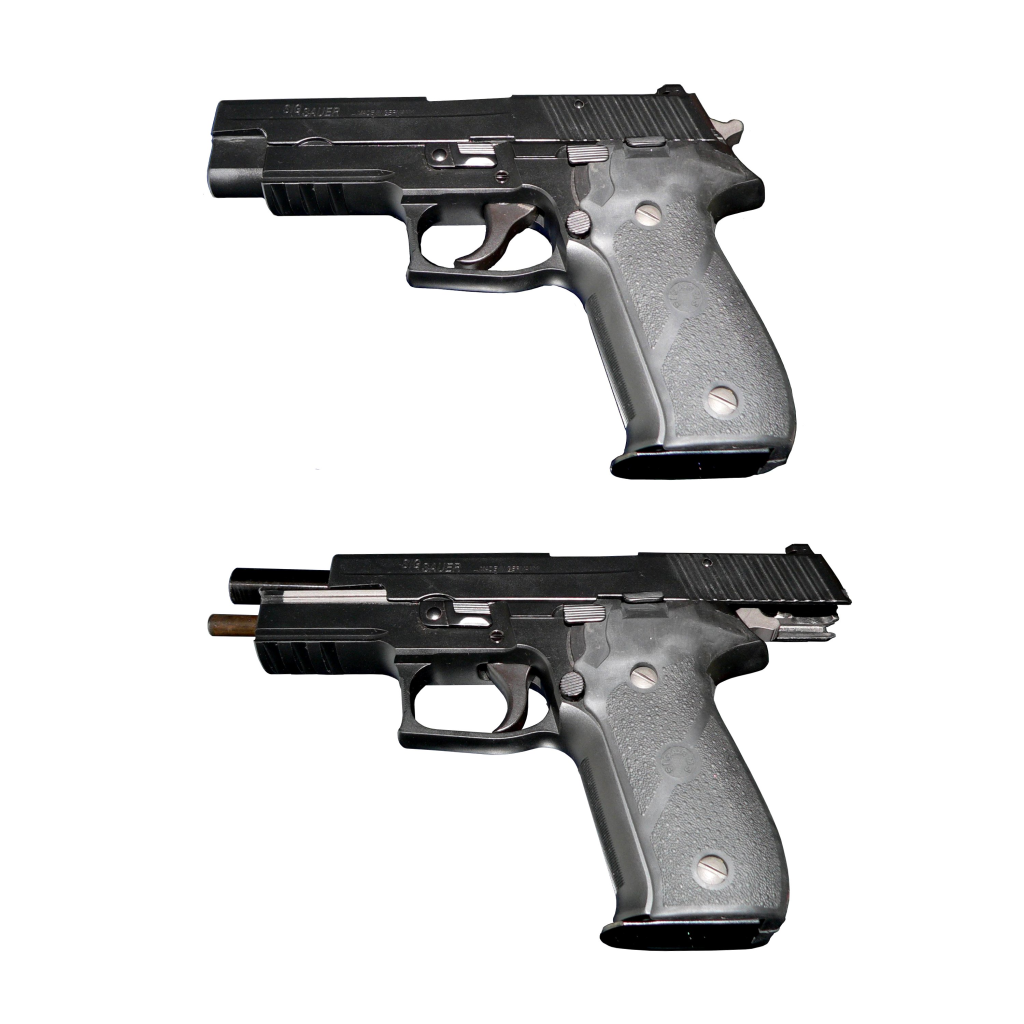
Premature slide lock is one of the most frustrating stoppages in a striker pistol because it feels like a parts failure even when the pistol is mechanically sound. The slide locks open with rounds still in the magazine, interrupting the cycle at the worst possible time. Weak slide-stop spring tension, follower geometry, or magazine issues can cause it, but training sources repeatedly note that shooter contact is a leading cause. A thumb brushing the lever during recoil is enough to trip the stop upward. Gunsmiths still check the hardware, because internal spring tension and magazine-to-stop interaction matter, but they also know this malfunction lives at the border between machine tolerance and human grip.
Modern striker pistols remain mechanically efficient, but their reliability depends on small parts working inside narrow timing windows. The hidden failure points are rarely dramatic on their own; they become significant when dirt, wear, ammo variation, and handling habits combine. That is why careful inspection tends to center on the mundane items first: magazines, extractor condition, recoil springs, chamber cleanliness, and trigger-path clearance. In a striker pistol, those quiet details usually decide whether the gun runs smoothly or starts signaling for attention.


