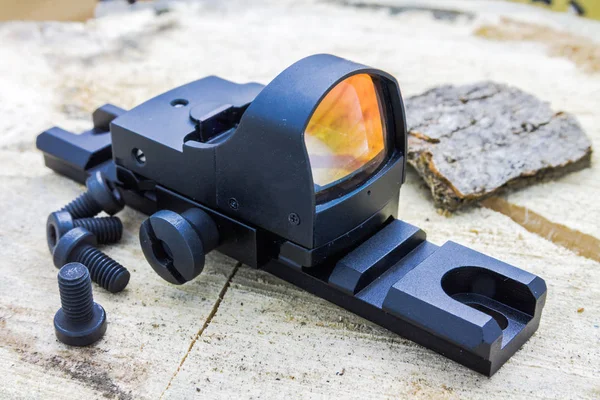
The red dot versus iron sight debate usually gets framed as a gear preference. Under pressure, it becomes a performance question. Recent law-enforcement survey data and range-based comparisons point to a consistent theme: both systems can work well, but they separate shooters in different ways when speed, visual processing, and consistency start to break down. That is where the real gap appears.

1. Visual focus changes the entire shooting task
Iron sights ask the shooter to bring attention to the front sight while accepting a less distinct target image. A pistol optic changes that task by keeping the aiming reference and target on nearly the same visual plane. That difference matters when attention narrows under stress. One officer in the NLEFIA survey described the effect directly: “By utilizing the optic on my handgun, I was enabled a larger picture of the suspect’s actions as well as a sighting system.” The practical takeaway is that red dots support target-focused shooting, while irons depend more heavily on front-sight discipline. Under pressure, that visual demand is one of the clearest separation points between the two systems.

2. Presentation errors are punished differently
A red dot can be faster, but only when the pistol arrives in front of the eye line the same way every time. If the presentation is inconsistent, the dot disappears from the window and the shooter loses time searching for it. Iron sights are more forgiving in that specific moment because the rear notch and front blade still provide a visible alignment reference even when the presentation is slightly imperfect. This is one of the biggest training divides. Shooters moving to optics often discover that the sight itself is not the problem; their grip and draw path are. That is why the “find the dot” issue keeps surfacing in training discussions even though the sight picture itself is simpler once acquired.

3. Close-range stress can erase both systems
At very short distance, the debate often becomes less important than expected. In the five-year law-enforcement findings, reports of not seeing the dot occurred at five yards or less. Some respondents indicated the encounter was so close that there was no meaningful opportunity to use the sighting system at all. That is a critical performance gap: under extreme urgency, both red dots and irons can be outrun by the pace of the event. The distinction is important for training because it separates marksmanship problems from entangled, compressed-distance problems. A sighting system can improve aimed fire, but it does not remove the reality of contact-distance shooting dynamics.
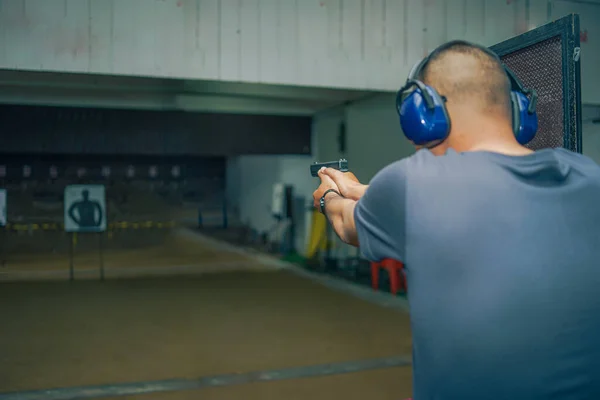
4. Accuracy gains show up most clearly when the shot gets harder
Red dots tend to widen the shooter’s margin on difficult shots, especially as distance increases or target size shrinks. That advantage appears in both survey results and practical testing, even if the benefit is less dramatic at ordinary defensive ranges. The strongest real-world data point in the reference set is the survey finding of a 63% hit ratio with pistol optics, compared with a commonly cited 35% average in U.S. officer-involved shootings. In controlled range work, the gap can shrink. One side-by-side test at 10 yards produced 1.9-inch groups with both systems, showing that irons remain highly capable when the shooter can clearly see and align them. The performance split grows when precision becomes more demanding, not necessarily when the target is large and close.

5. Low light exposes different weaknesses
An illuminated aiming point is easier to see in darkness than a conventional sight picture, which helps explain why pistol optics gained momentum as defensive handguns became more optics-ready. But low light is not a universal red-dot win. Brightness management matters. One range comparison found an auto-adjusting optic appeared faint when the shooter stood under shade while aiming into bright sun, a problem tied to ambient-light sensing from the shooting position. Iron sights have their own limitations, but they do not depend on electronic brightness logic. Under mixed lighting, each system can create a different type of delay.
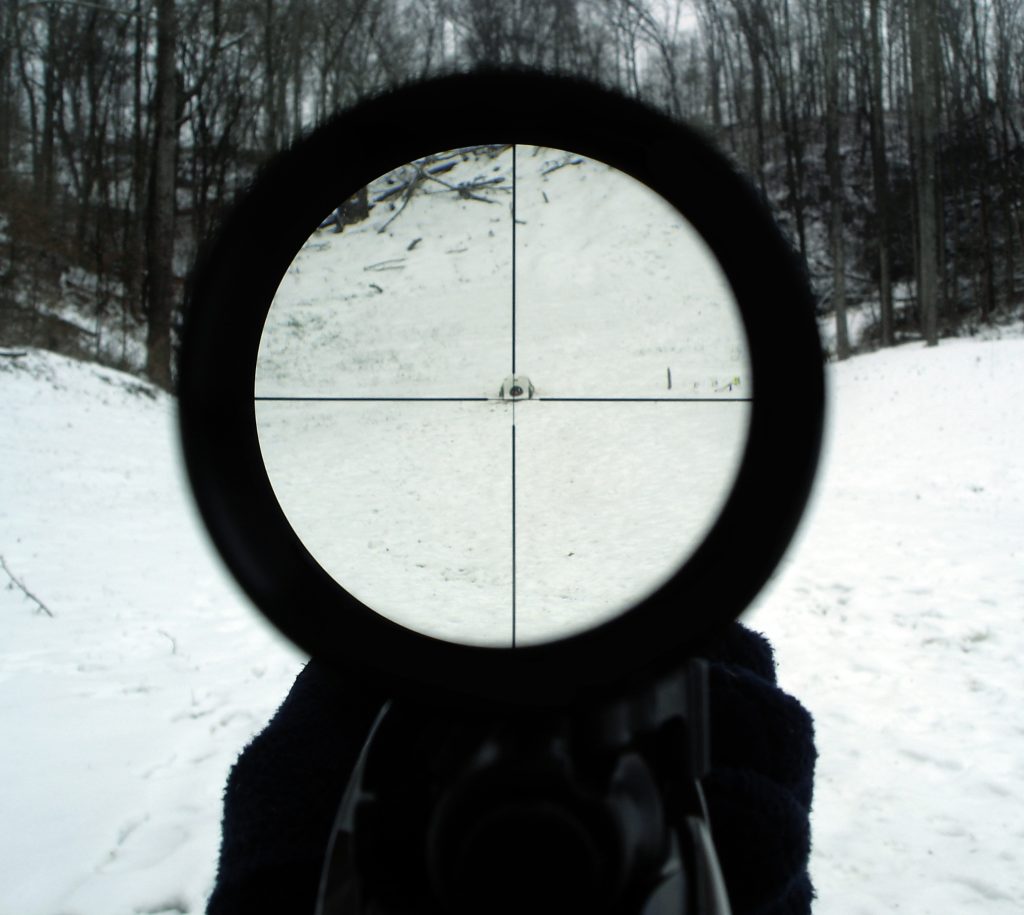
6. Equipment failure is mostly an optic problem, not an iron-sight problem
Iron sights are mechanically simple. Red dots add batteries, glass, screws, emitters, and mounting interfaces. Modern optics are far more durable than early pistol-mounted designs, and agencies have adopted them in large numbers, but the failure tree is still longer.
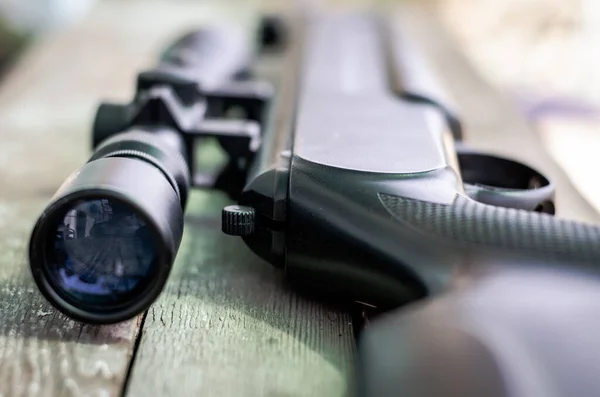
That remains relevant because some documented performance problems were not shooter-induced. In the NLEFIA findings, 14% of officers reported delay or difficulty seeing the dot, and two reported that the optic failed or became occluded. Meanwhile, enclosed-emitter models such as the first pistol sights to offer a fully enclosed optical channel were developed specifically to protect the emitter from debris and weather. The engineering trend is clear: optics keep getting tougher because the vulnerability is real.

7. Training debt shows up faster with red dots
The most important gap may not be in the hardware at all. It is in preparation. Survey data showed 20% of respondents had no training from their agency before carrying a pistol optic. Half had 16 to 20 hours of training, while 40% had 10 hours or less. Red dots can raise capability, but they also expose inconsistent presentation, poor grip mechanics, and weak visual habits almost immediately. Iron sights often let those flaws hide longer.

That makes optics unusually revealing tools. They can produce better hit performance, but they also punish casual adoption. Under stress, untrained shooters do not just miss with a different sighting system; they lose time, visual confidence, and rhythm. The practical divide is not red dot versus iron sights in isolation. It is how each system behaves when vision narrows, time compresses, and technique becomes automatic. Iron sights remain durable, direct, and fully capable. Red dots reduce some visual burdens and can improve hit performance, especially on more difficult shots. The largest gap under stress comes from how much consistency the shooter has built before the pressure starts.


