Rifle accuracy gets discussed as if it comes from one magic part, one perfect load, or one brag-worthy target. That habit keeps a lot of shooters chasing the wrong fixes. Modern rifles are better than ever, but the myths around them remain stubborn. A closer look at group data, barrel behavior, ammunition fit, and shooter input shows that precision is usually the product of several small factors working together, not one silver bullet.
1. A rifle is either “Sub-MOA” or it is not
This is the myth that refuses to leave the bench. Many shooters treat “sub-MOA” like a permanent identity, when in practice it is often a conditional result tied to a particular load, test method, and number of shots. In a set of recent hunting-rifle evaluations, best average group sizes mostly landed in the 1 to 1.5-inch range, even with respected factory rifles.
That matters because it separates occasional small groups from repeatable performance. One small group is not the same thing as a consistently precise rifle. A rifle that drops a lucky cluster once but normally prints wider groups has not earned the label in any useful way.

2. Three-shot groups tell the whole truth
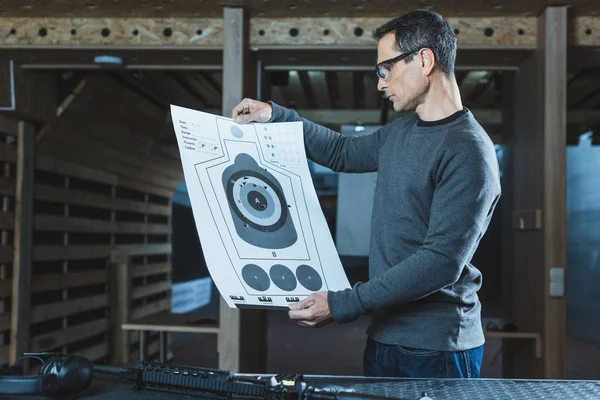
Short groups are attractive because they are fast, cheap, and easy to post online. They also hide variation. A rifle can produce a tidy three-shot cluster and still open up when the sample gets larger or when conditions change slightly. That is one reason a few standout targets often create unrealistic expectations.
The issue is not that three-shot groups are worthless. They are simply incomplete. A modern shooter learns more from repeated groups, different ammunition, and a record of where the first shot lands from a cold bore than from one flattering target stapled to the wall.
3. Twist rate only matters for extreme long-range shooters
Twist rate has a direct relationship to stability, and stability has a direct relationship to useful accuracy. A barrel marked 1:8 spins the bullet once in eight inches, which affects how well certain bullet lengths remain stable in flight. The common oversimplification is that only specialists need to care.
In reality, twist rate matters any time bullet length and barrel spin are poorly matched. Longer bullets generally need faster twist. Lighter, shorter bullets often tolerate slower twist just fine. That does not mean every mismatch causes disaster, but it does mean unexplained inaccuracy is sometimes a barrel-and-projectile compatibility problem rather than a bad scope or a bad trigger press.

4. Faster twist automatically means better accuracy
The opposite mistake is just as common. Shooters often assume more spin must equal more precision, but barrel twist is about appropriate stabilization, not maximum stabilization. Some combinations work beautifully across a broad bullet range, while others are less forgiving with lighter projectiles.
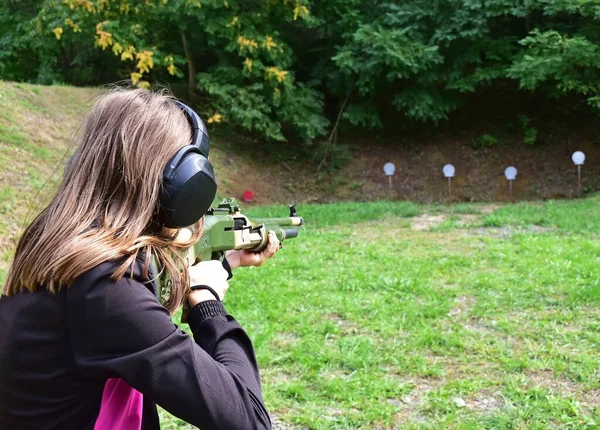
That is why the most practical twist is often the most versatile one, not the most aggressive one. According to common .223 twist guidelines, 1:7, 1:8, and 1:9 barrels each favor different bullet-weight windows. Accuracy usually improves when the bullet fits the barrel’s spin rate, not when spin is simply increased.
5. Accuracy problems usually come from the rifle alone
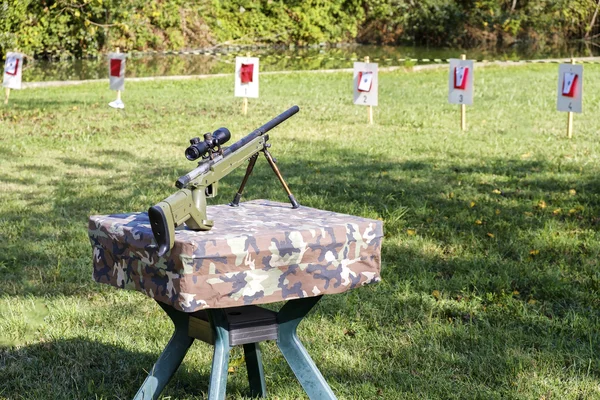
This myth survives because hardware is easier to blame than process. Yet experienced shooters know precision can unravel through bedding, muzzle condition, optics mounting, recoil management, support setup, trigger control, velocity consistency, neck tension, powder temperature behavior, and wind judgment.
A long-running technical discussion of accuracy variables includes dozens of interacting influences, from seating depth and muzzle velocity spread to shooter fatigue and rest selection. Rifles shoot systems, not parts. When accuracy falls apart, the cleanest answer is rarely “bad barrel” by itself.
6. Tiny bench groups matter more than the first cold-bore shot
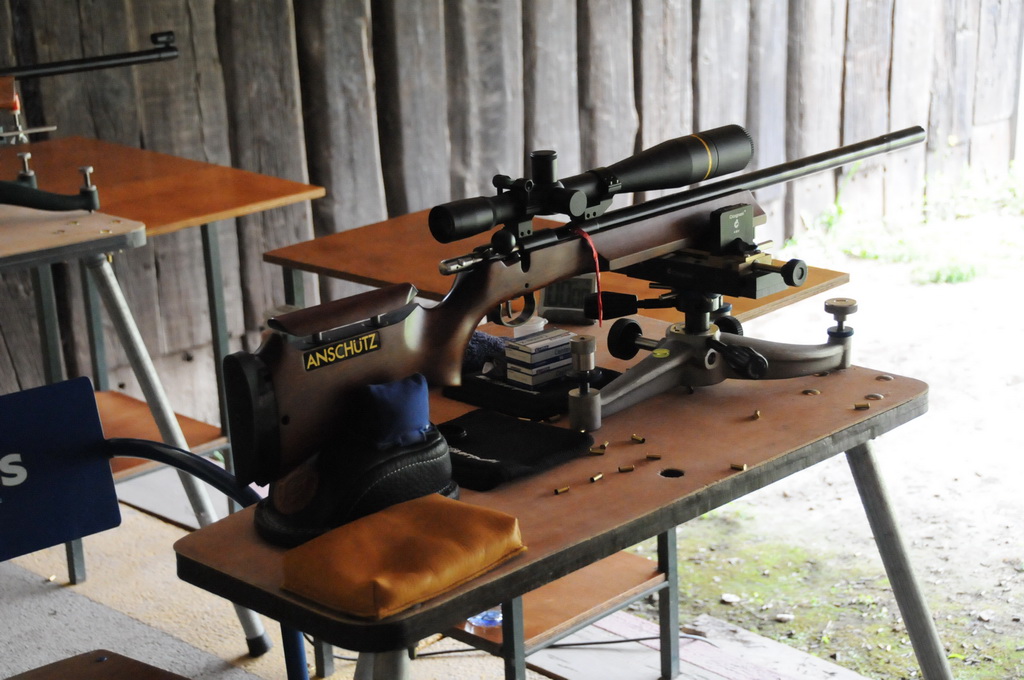
Bench accuracy still has value, especially when comparing loads. But for field rifles, the first shot often carries more practical meaning than the fifth. A hunting or utility rifle is not usually judged by how it behaves after a string of carefully managed rounds from a stable bench. It is judged by where it places the shot that counts.
This is where the obsession with average group size can distort expectations. A rifle that reliably places a cold-bore shot where expected may be more useful than one that occasionally posts a dramatic cluster after repeated strings. The paper target does not always reflect the real task.
7. Better gear can replace practice and data
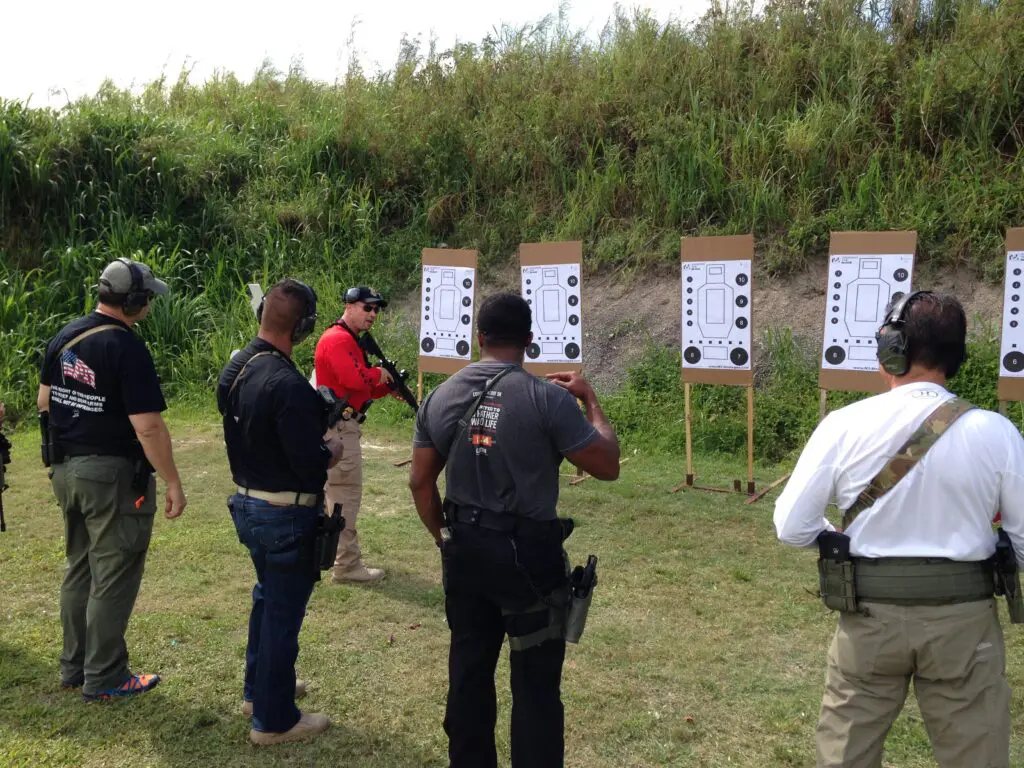
Modern optics, barrels, and factory ammunition have narrowed the gap between average and excellent equipment. They have not removed the shooter from the equation. Range estimation, wind reading, rifle level, body position, follow-through, and plain consistency still shape results on target. That is the least glamorous part of the topic, which is probably why it gets ignored. But it remains true. No component upgrade can substitute for tracking groups honestly, testing loads methodically, and learning what the rifle actually does shot after shot.
Most rifle-accuracy myths stay alive because they contain a sliver of truth. Some rifles really are exceptional. Some three-shot groups do represent a strong load. Some twist rates are broadly forgiving. The problem starts when a partial truth becomes a universal rule. Modern shooters get closer to real accuracy when they stop treating precision as a slogan and start treating it as a repeatable pattern. That shift usually produces better targets, and fewer excuses.


