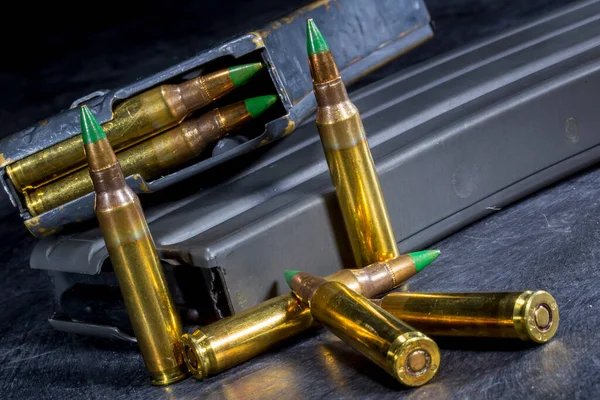
Some hunting cartridges earn a reputation that follows them far beyond the conditions where they do their best work. That reputation usually comes from clean kills, broad availability, and decades of campfire confidence. The problem starts when cartridge praise gets separated from barrel length, bullet design, and impact velocity. In the field, a caliber is only part of the equation. A rifle that gives up velocity through a short barrel, or a bullet that needs more speed to open reliably, can turn a trusted favorite into a narrower tool than many hunters assume.
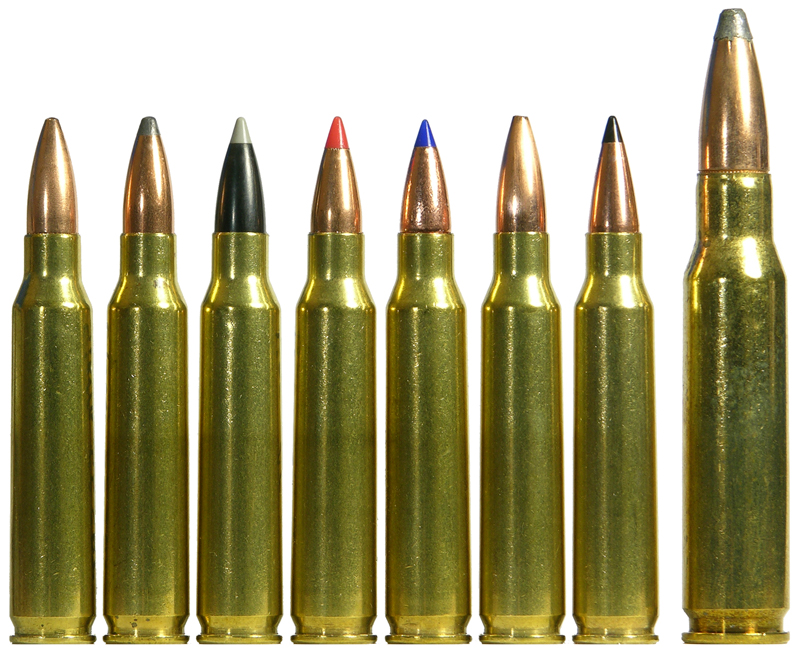
1. .223 Remington
The .223 Remington gets stretched into roles that depend heavily on bullet choice and impact speed. That is where confidence often outruns the cartridge. Light recoil and excellent practical accuracy make it easy to shoot well, but terminal performance has a smaller margin when bullet construction is not matched to game size and distance.
That matters because many rifle bullets stop expanding reliably once impact velocity falls near 1,900 fps. Specialized bullets can work below that, but ordinary assumptions about “caliber power” do not apply cleanly here. The .223 can be effective inside its lane; it simply gets treated too often as though it carries the forgiveness of a larger deer cartridge.
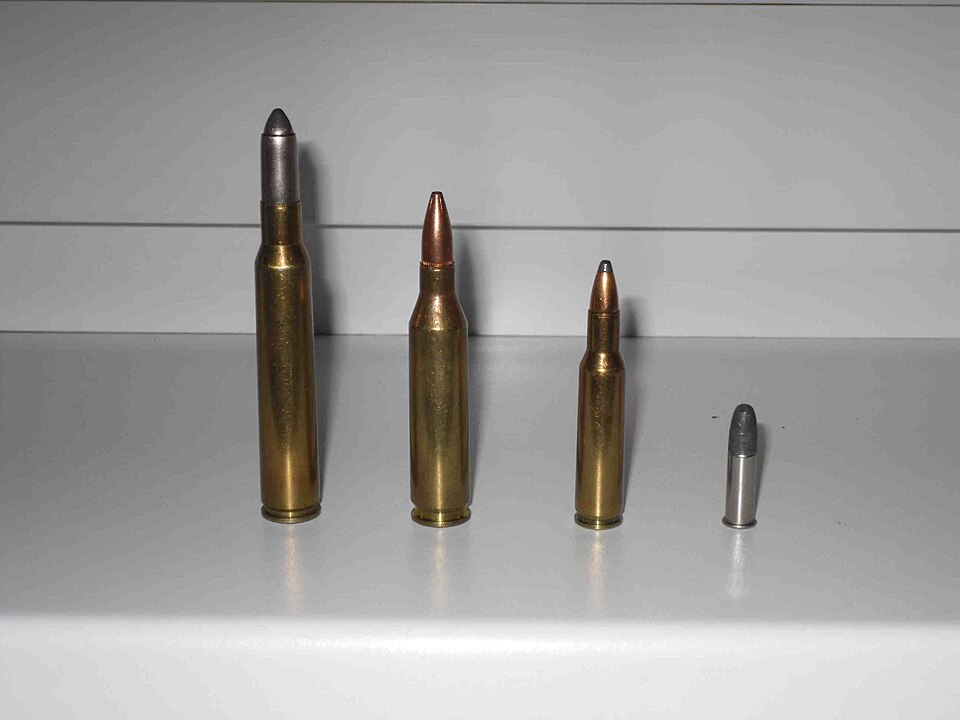
2. .243 Winchester
The .243 Winchester has accounted for huge numbers of deer, but it is often trusted as a do-everything answer when its real strength is precision with moderate bullet weight. On light-framed game, it performs cleanly. On tougher animals or poor angles, it depends more on bullet integrity than many hunters admit.
Its reputation was built partly on speed, and speed can cut both ways. Higher impact velocity can create more violent upset and less penetration with softer bullets, while lower speed at distance can reduce expansion. The cartridge is not weak; it is simply less tolerant of bullet mismatch than its popularity suggests.
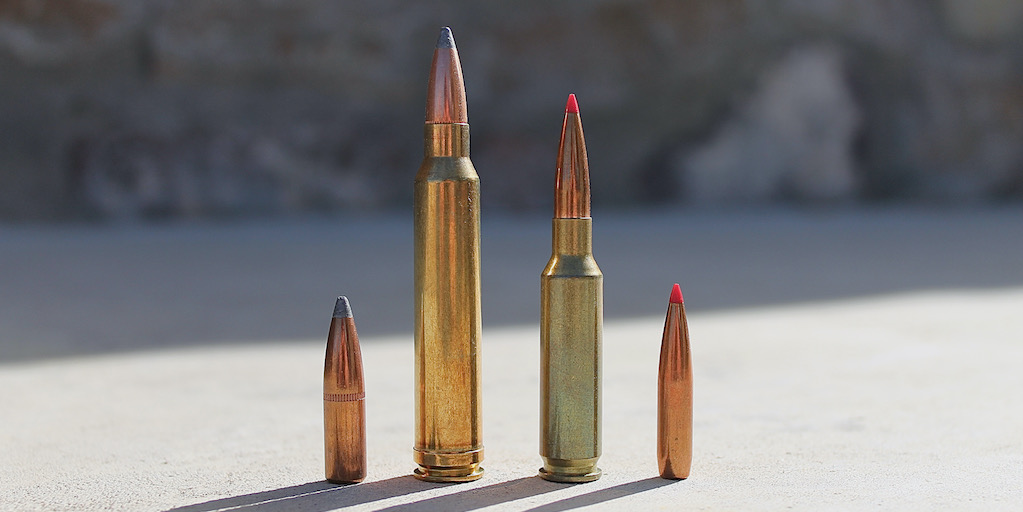
3. 6.5 Creedmoor
The 6.5 Creedmoor became a benchmark because it is efficient, accurate, and easy to shoot. That has also made it one of the easiest calibers to overestimate. Hunters often carry over target-range confidence into field conditions where wind, animal movement, and terminal thresholds matter more than paper accuracy.
Barrel length complicates that confidence. As a rule of thumb, changing barrel length often shifts muzzle speed by about 25 fps per inch, and shorter hunting rifles can give away useful velocity before the bullet ever reaches the animal. With modern bullets the Creedmoor remains highly capable, but real-world authority depends on retained speed, not just its polished reputation.
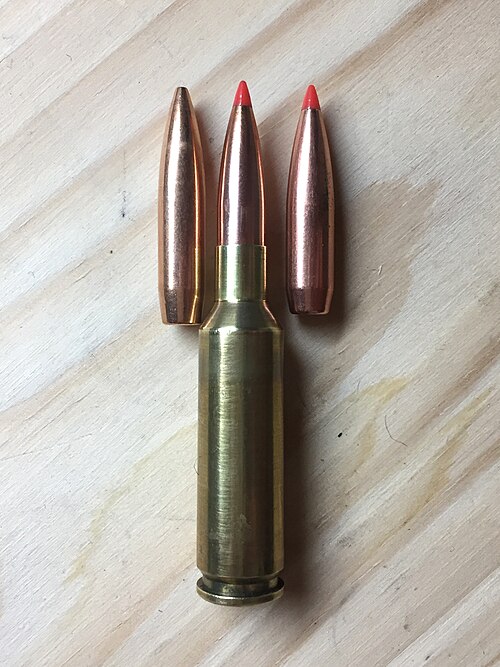
4. 6.5 PRC
The 6.5 PRC is often treated as a cure for everything people think the Creedmoor lacks. In practice, it is still a velocity-dependent cartridge whose benefits shrink when paired with short barrels or bullets unsuited to close-range impact. More speed does not automatically mean more forgiveness.
That is especially true because bullet behavior changes with impact velocity. According to field discussion summarized in one long-running thread, higher-speed hits can produce more fragmentation and sometimes less penetration than hunters expect. The PRC is effective, but many treat its extra speed as a blanket advantage instead of a variable that must be managed.
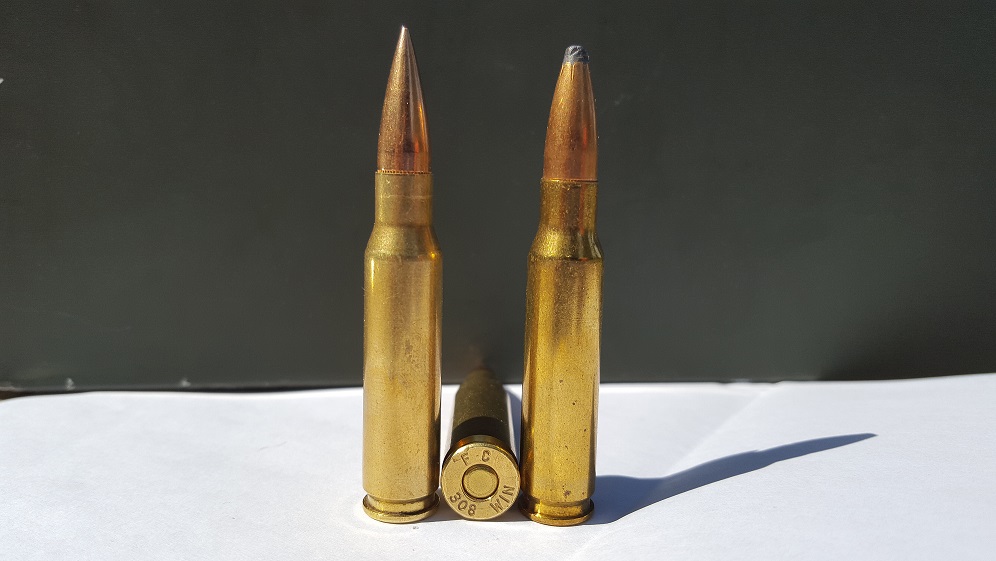
5. .308 Winchester
The .308 Winchester may be the classic example of a cartridge people trust on momentum alone. It works across a wide range of rifles, handles short actions well, and remains one of the most balanced big-game rounds ever designed. Yet that same balance leads many hunters to assume it is almost immune to setup mistakes.
It is not. A short barrel suits the .308 better than many magnums, but bullet choice still controls the end result. Traditional soft points generally need around 2,000 fps for dependable expansion, while bonded or tipped designs can push that threshold lower. The .308 stays useful because it is adaptable, not because it ignores physics.
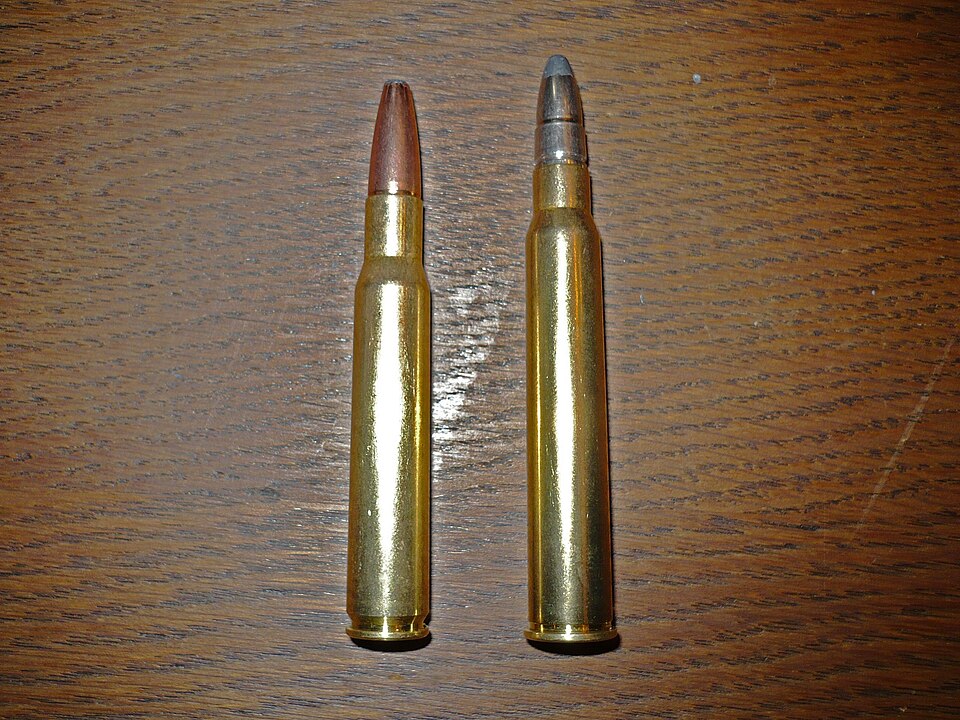
6. .30-06 Springfield
The .30-06 has long been treated as the universal answer, and its flexibility is real. It handles a broad spread of bullet weights and has enough case capacity to remain effective on everything from deer to larger game. What gets overstated is how little rifle configuration matters.
It does matter. Standard-length cartridges like the .30-06 generally show better results from 24-inch barrels than from chopped hunting rigs. When hunters shorten the rifle for portability, they also reduce the velocity cushion that helps bullets expand and carry energy at distance. The cartridge remains excellent, but it is often credited for performance the rifle may no longer deliver.
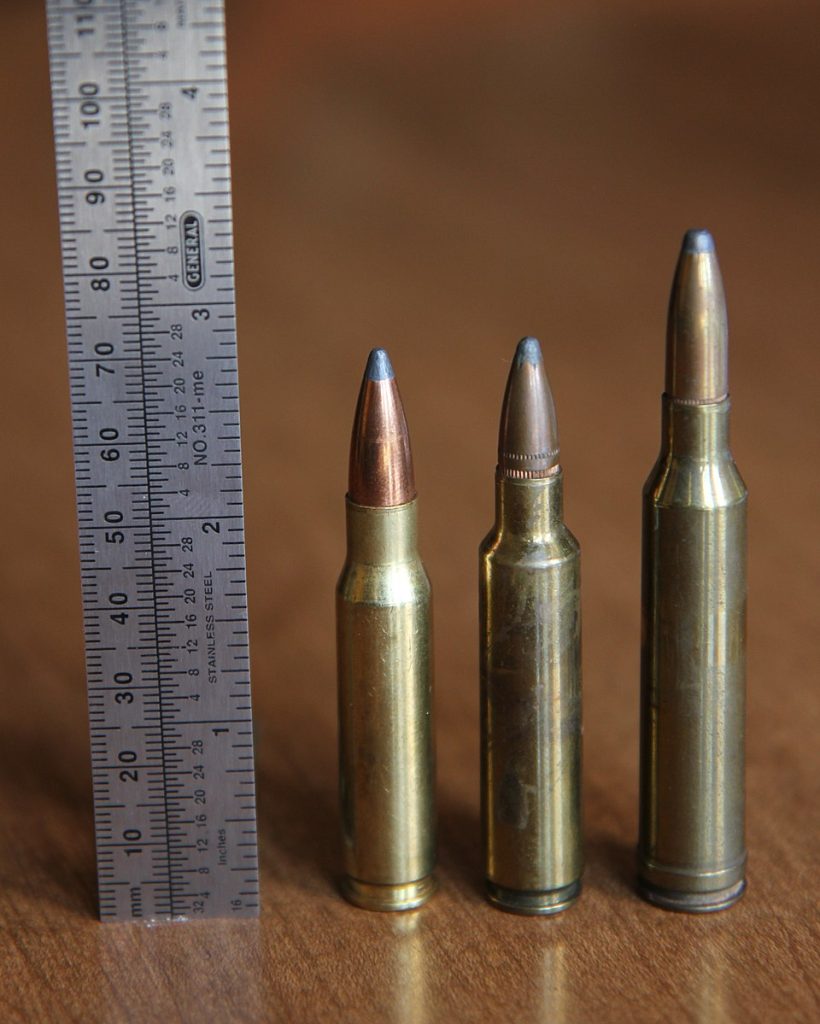
7. 7mm Remington Magnum
The 7mm Remington Magnum has one of the strongest reputations in hunting, and much of it is earned. Still, it is trusted too far when hunters assume the word “magnum” guarantees full performance from any rifle and at any range. This cartridge needs enough barrel to burn powder efficiently and enough bullet speed on impact to justify its long-range image.
That is why compact magnum rifles can disappoint. Loads that look impressive on paper may be based on longer test barrels, while field rifles give away speed before the shot. Add wind, angle, and bullet expansion limits, and the usable distance can be far shorter than the caliber’s reputation suggests.
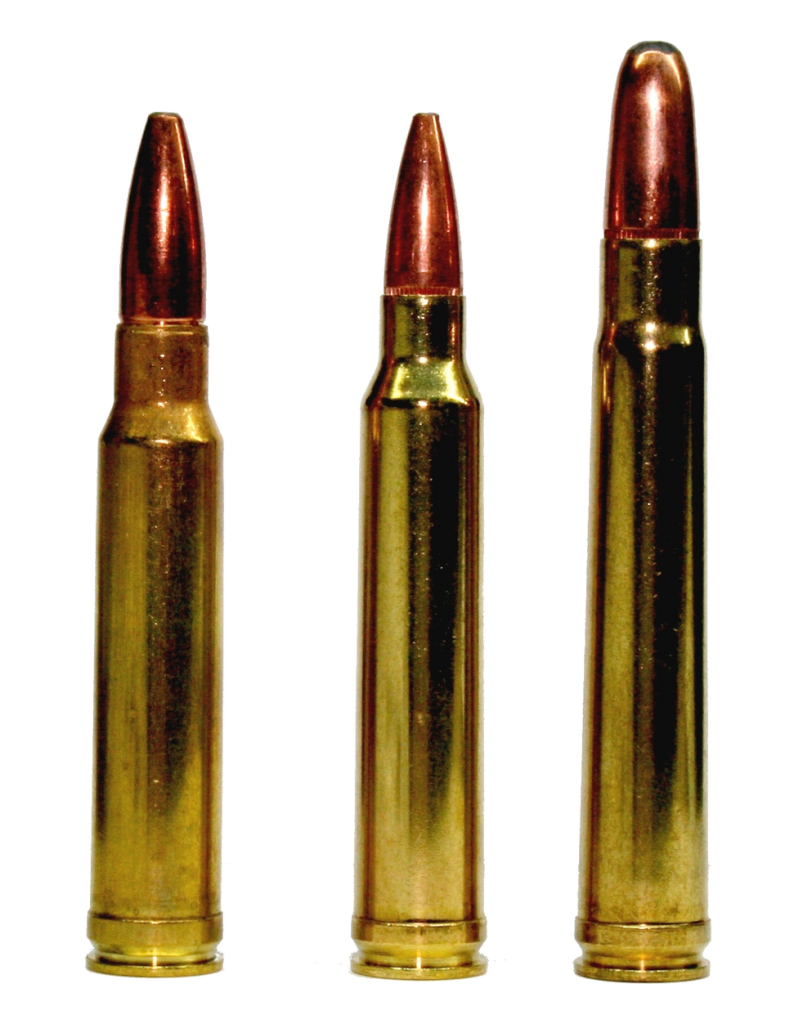
8. .300 Winchester Magnum
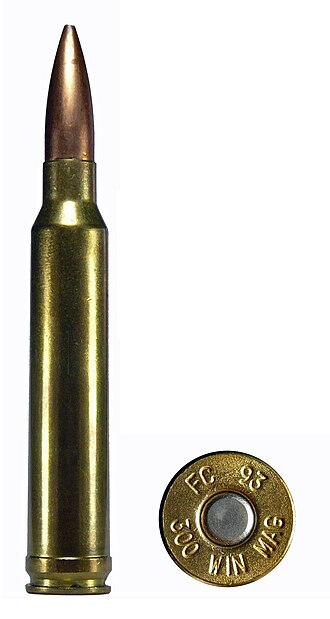
The .300 Winchester Magnum may be the most overtrusted of the lot because it encourages broad confidence. Hunters assume its extra horsepower solves every terminal problem, but field performance still depends on practical shootability and bullet construction. Recoil alone can reduce real hit quality in ways ballistic charts never show.
It also belongs to the class of cartridges that are hard to optimize from short barrels. American Hunter noted that trying to get full performance from cartridges like the .300 Winchester Magnum in 20-or 22-inch barrels is “nearly impossible.” In other words, the cartridge is often trusted for advertised velocity that the carried rifle never produces.
The pattern across these cartridges is simple. Hunters rarely overtrust the chambering alone; they overtrust the reputation attached to it. Barrel length, bullet style, and expansion threshold narrow or widen that reputation in the field. The most dependable rifle setups are usually the least romantic ones: a cartridge used inside its true velocity window, with a bullet built for the job, from a rifle that preserves the performance printed on the box.


