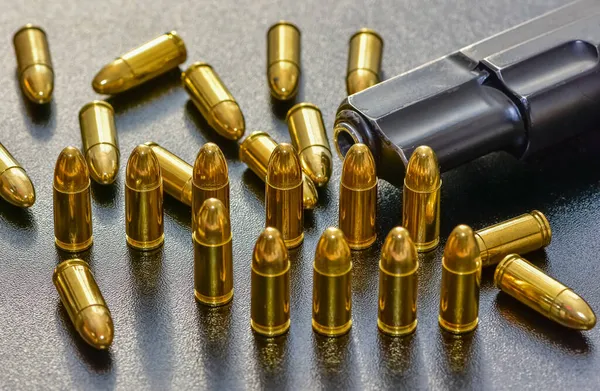
Handgun caliber arguments often start with energy figures, bullet diameter, or reputation. Real defensive performance is less dramatic. A pistol round still has to penetrate deeply enough, work through clothing, and stay controllable in the gun actually being carried.
That is why some cartridges develop an outsized image. They look forceful on paper or in conversation, but they create avoidable compromises in penetration, expansion, reliability, or recoil. the FBI’s 12-18 inch penetration benchmark remains one of the clearest ways to separate image from function.
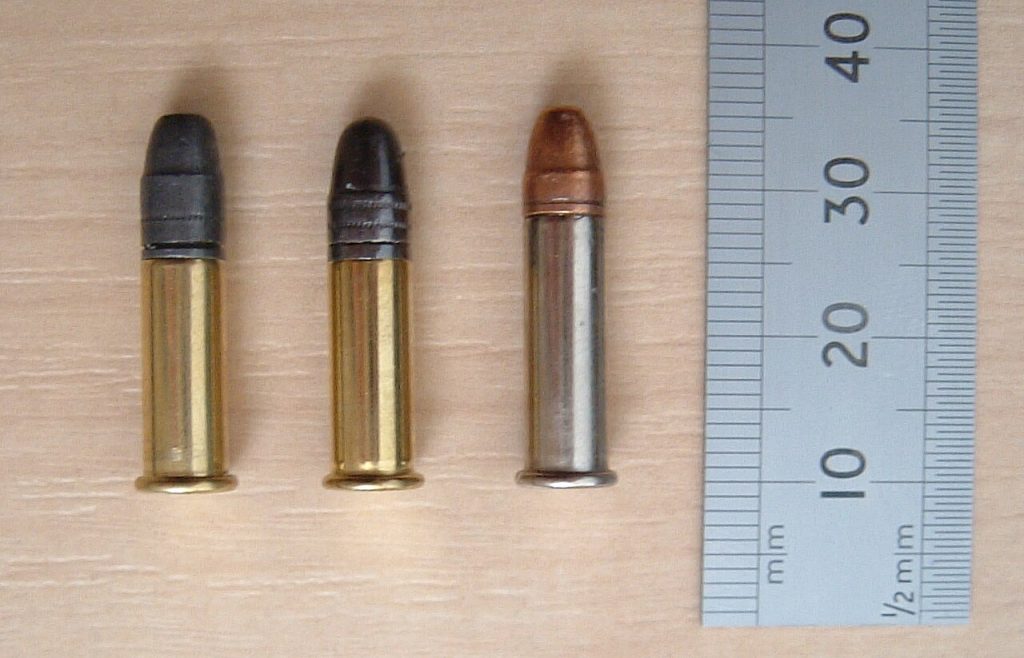
1. .22 LR
The .22 LR looks appealing because it is easy to shoot, easy to carry, and available in very small handguns. That combination can create the impression that accurate shot placement will erase the caliber’s limitations. It does not. The largest problem is not only power, but consistency. As a rimfire cartridge, .22 LR is more prone to ignition failures than centerfire ammunition, and small semi-autos can add feeding problems on top of that.
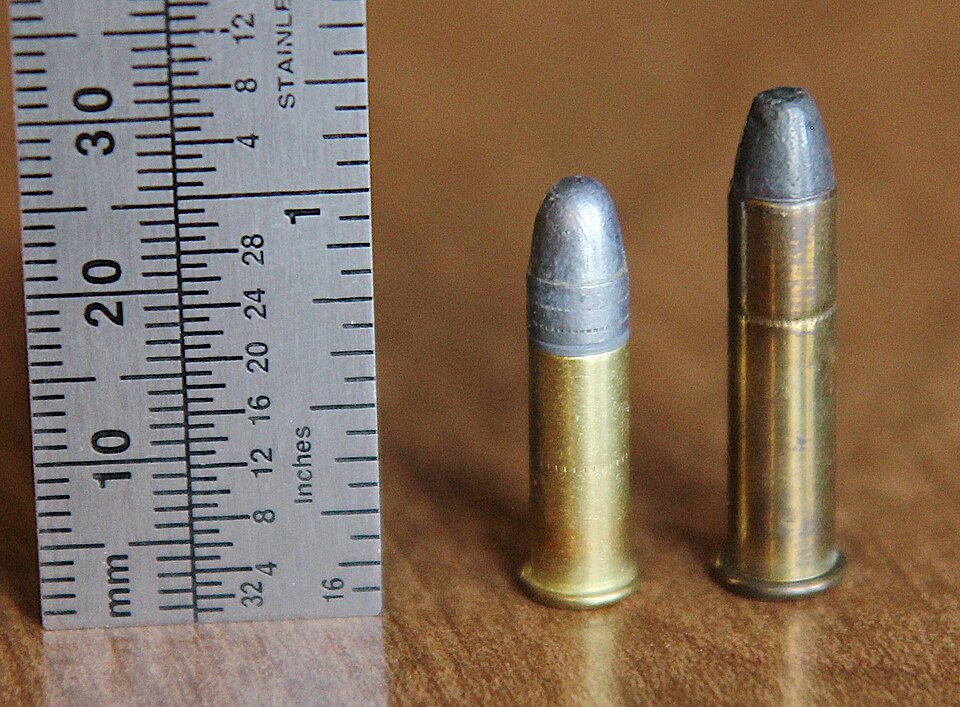
Lucky Gunner’s review of defensive use noted that rimfire ignition failures are more common than centerfire, even when good ammunition and careful maintenance reduce the risk. That makes the cartridge harder to trust when a stoppage matters most. Low recoil is useful, but reliability is the first requirement.
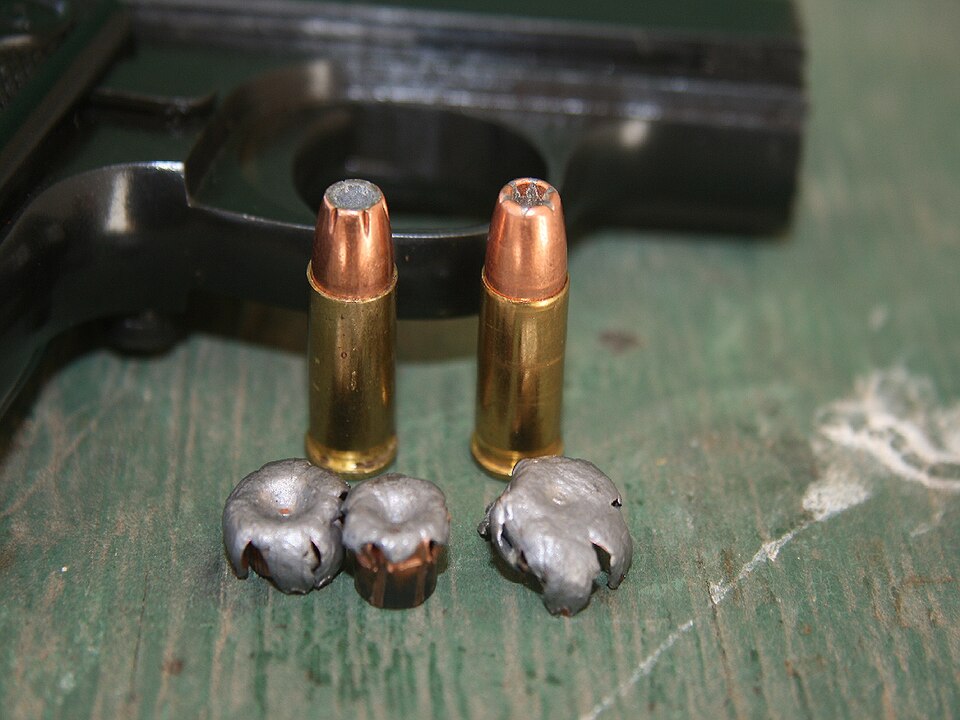
2. .25 ACP
The .25 ACP has long benefited from a reputation as a “better than nothing” pocket caliber. Its centerfire design gives it an advantage over .22 LR in primer reliability, but that does not fix its basic defensive problem. It starts with very limited terminal effect from tiny bullets at modest velocity.
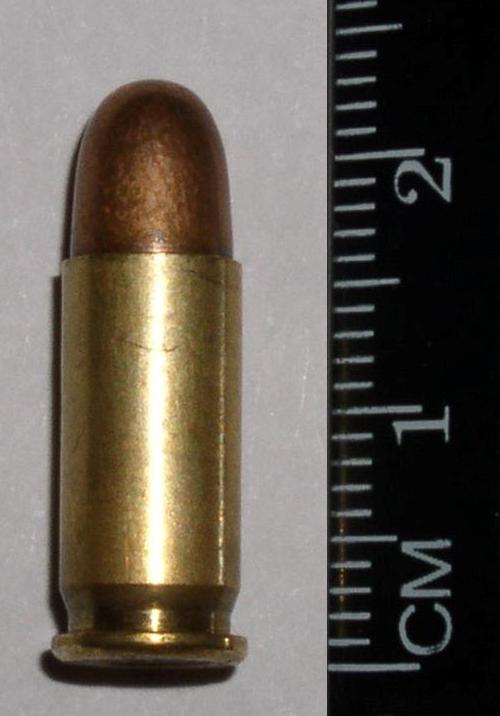
The same ballistic standards used to judge larger service cartridges make small calibers struggle, because penetration and expansion become difficult to balance. When a handgun bullet already “pokes little holes,” as Lucky Gunner bluntly summarized handgun wounding, a very small bullet makes that limitation even more obvious. The .25 ACP can fit in extremely compact pistols, but concealability does not make it persuasive as a defensive round.
3. .380 ACP
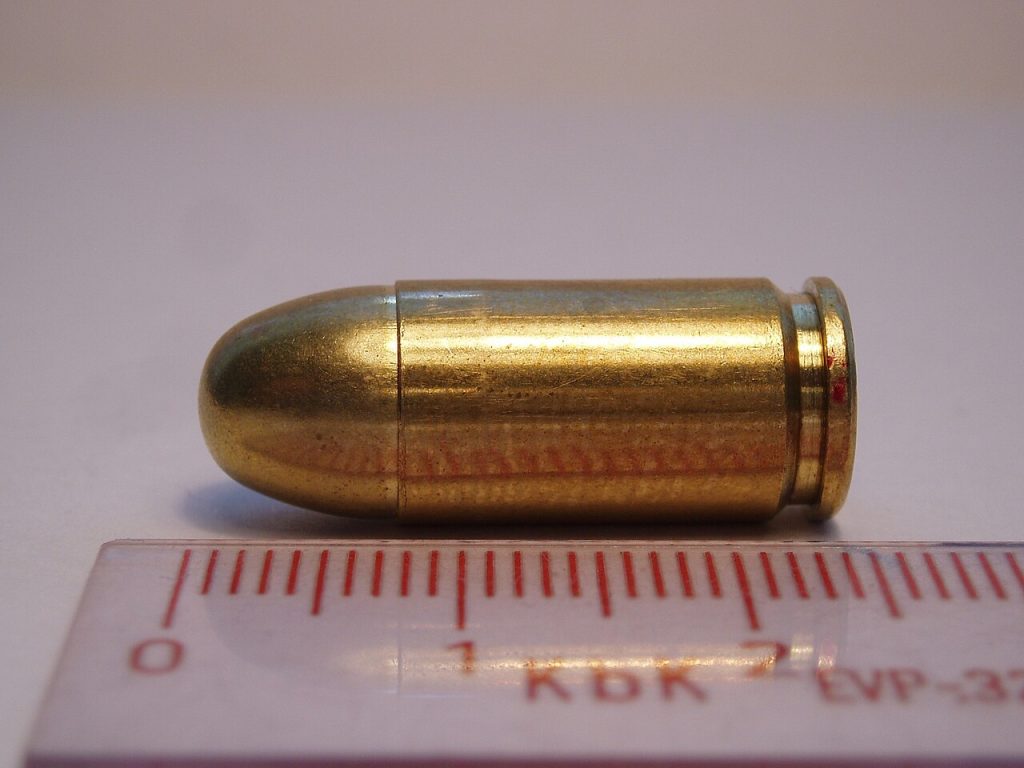
.380 ACP may be the clearest example of a caliber that looks stronger than it often is. It is chambered in many modern carry pistols, and its popularity sometimes gives it the aura of a solved problem. Ballistic testing says otherwise. In Lucky Gunner’s gel work, .380 ACP showed the weakest overall performance among the major service-caliber group they tested.
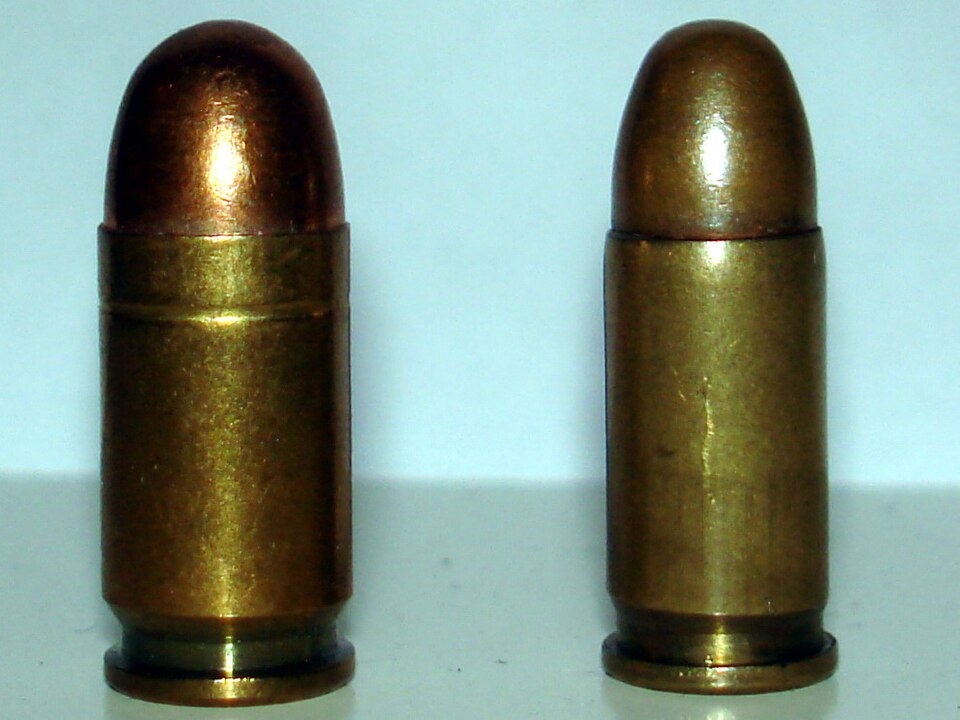
Many loads either expanded and fell short on penetration or penetrated adequately without meaningful expansion. Gun Tests reached a similar conclusion from another angle, noting that .380 loads often delivered one attribute or the other, but seldom both. Some individual loads perform acceptably, but the caliber leaves much less margin for error than 9mm. Its small size advantage is real; its ballistic margin is not.
4. .38 Special from a snubnose revolver
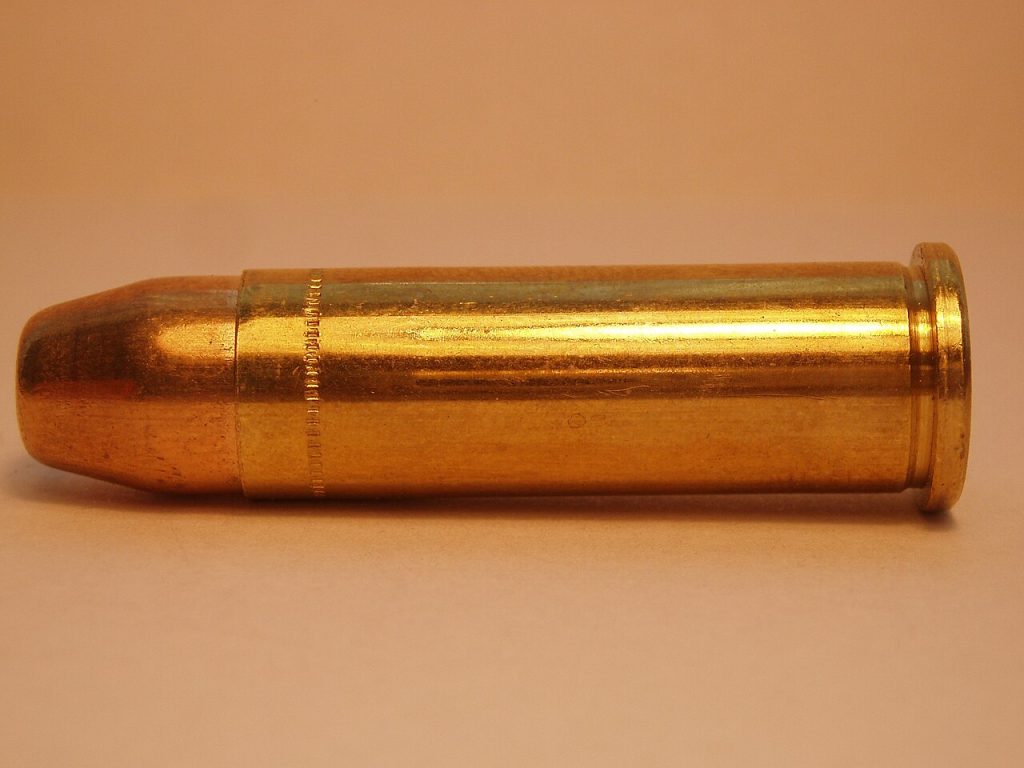
The .38 Special still carries a powerful legacy. That history can make a lightweight snubnose revolver seem more authoritative than it really is when paired with short barrels and average ammunition. Short barrels cut velocity, and defensive bullets that were designed around longer revolvers do not always respond well. Lucky Gunner’s revolver testing found that most .38 Special loads landed near the low end of the ideal penetration window, while expansion was much less convincing.
Twelve of 18 tested .38 Special loads had at least one bullet fail to expand, and five loads failed to expand in any of the rounds fired. Shooting Illustrated’s snubnose velocity work showed that good load design can narrow the gap, but that is the point: the cartridge often depends heavily on very specific ammunition choices to avoid mediocre results.
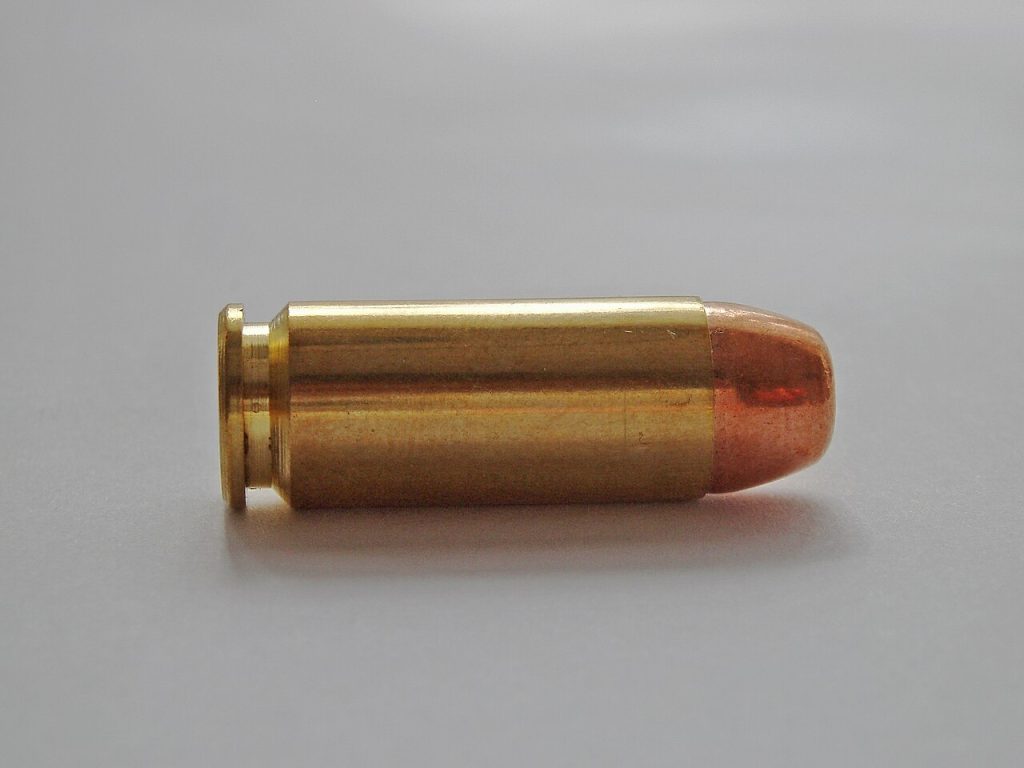
5. 10mm Auto
10mm has the opposite image problem. It rarely looks weak. It looks overwhelming, and that can be just as misleading in a defensive handgun. More power is not automatically more useful when it produces heavier recoil, slower follow-up shots, and a greater tendency toward over-penetration with some loads. The basic lesson from modern handgun ballistics is that service calibers are effective when they reach vital structures reliably, not when they generate the most impressive numbers.
The same testing framework that rewards adequate penetration also shows why excess can become a liability. In practical defense, a cartridge that is harder to control without producing a proportionate gain in real stopping effect can fail the user even while looking formidable on paper. That makes 10mm less of a universal answer than its reputation suggests.
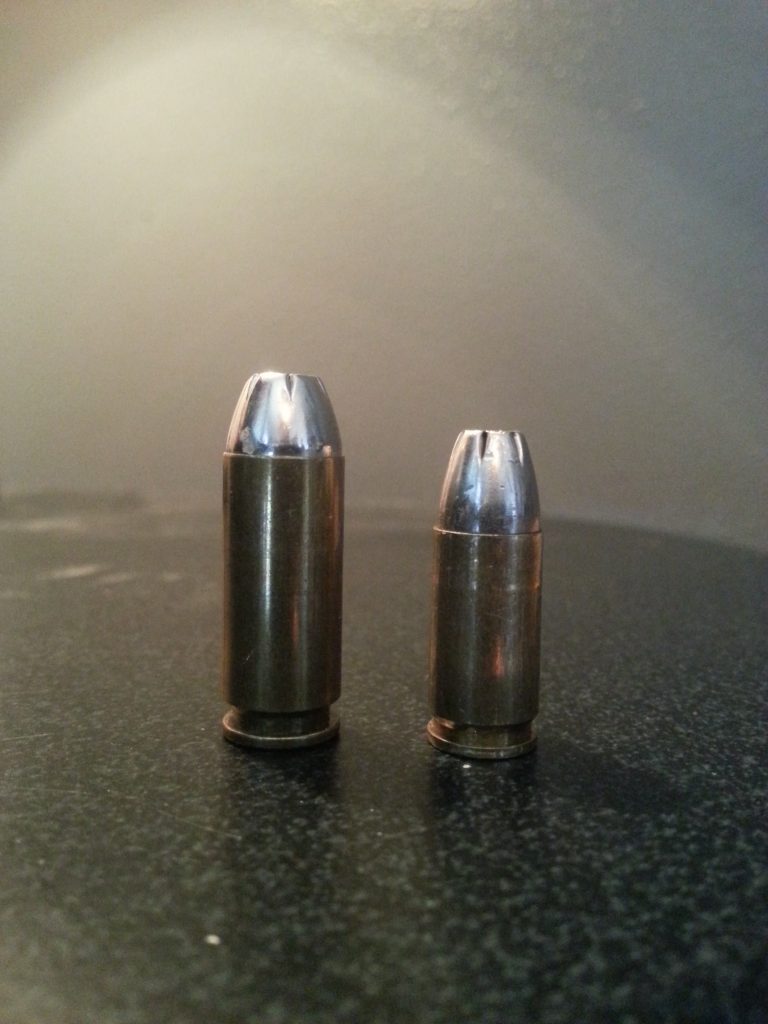
The recurring pattern is simple. Defensive handgun rounds are not judged by myth, muzzle energy, or old one-liners about “stopping power.” They are judged by reliability, penetration, expansion, and controllability. That is why the calibers with the strongest reputations are not always the most convincing choices. The rounds that only look powerful tend to expose their weaknesses as soon as testing moves past labels and into gel blocks, short barrels, and real carry guns.


