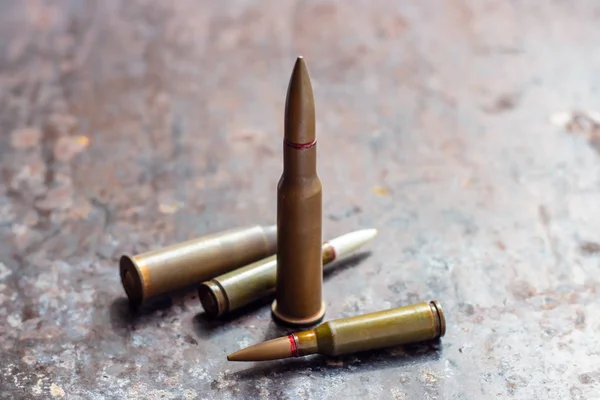
Long-range accuracy is not built on velocity alone. The cartridges that keep showing up on benches, hunting ridgelines, and steel ranges tend to share the same core traits: manageable recoil, predictable flight, broad rifle compatibility, and the ability to stay consistent when distance starts exposing mistakes. That is why some older chamberings still hold ground against newer designs. A few were built around match performance from the start, while others earned their place by proving they shoot cleanly in real rifles under ordinary conditions.
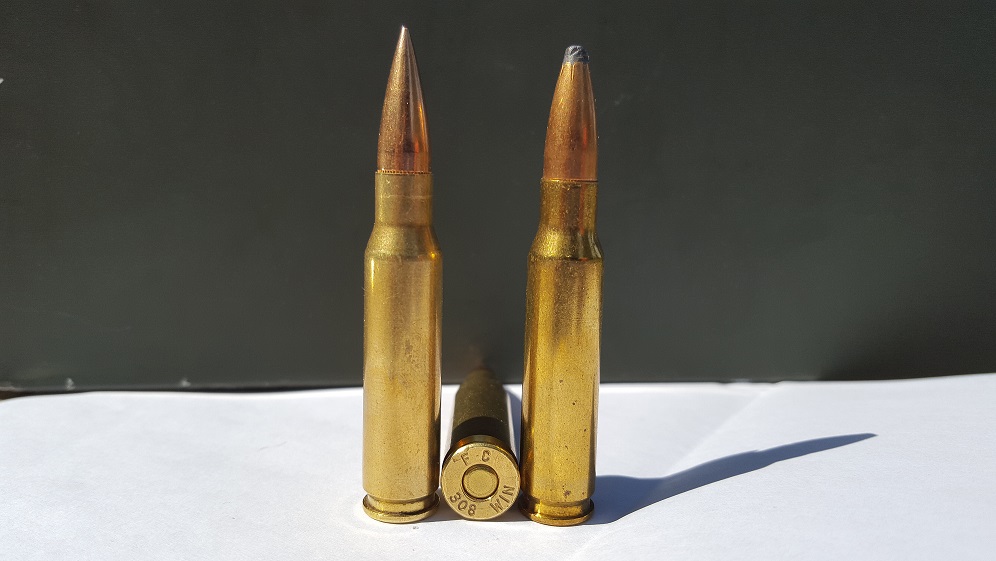
1. .308 Winchester
The .308 Winchester remains the reference point for practical precision because it does so many things well without demanding much from the shooter. It has a long record in match rifles and field rifles alike, and it tends to deliver stable, repeatable results across a wide range of barrel lengths and rifle setups. That broad compatibility is a major reason it still matters. Its reputation was built on balance. Recoil is firm but manageable, factory match loads are common, and the cartridge is forgiving enough that shooters can focus on fundamentals instead of chasing a narrow handload window. For many riflemen, that matters more than chasing the flattest trajectory on paper.
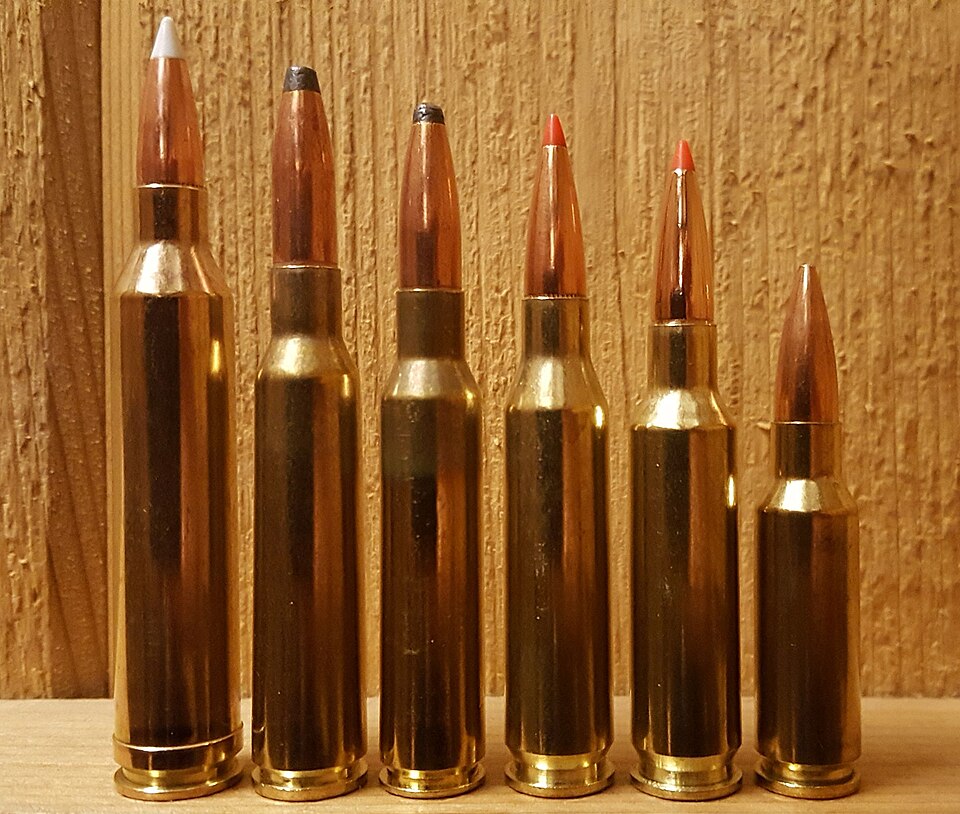
2. 6.5 Creedmoor
The 6.5 Creedmoor was designed around long-range efficiency, and its case geometry, fast twist rates, and preference for sleek bullets explain why it spread so quickly through competition and hunting rifles. It fits short actions, runs with modest recoil, and keeps enough aerodynamic efficiency to stay useful well past ordinary hunting distances. Its advantage is not mystery or hype. In one technical comparison, the cartridge showed 110 inches less drop at 1,000 yards than a comparable .308 Winchester load, while also reducing wind drift and shooter fatigue. A deeper factory-ammo study found that hit probability can change dramatically depending on load quality, with 760 rounds of live-fire data used to model performance from 400 to 1,200 yards. That kind of evidence helps explain why the Creedmoor still anchors so many modern precision setups.
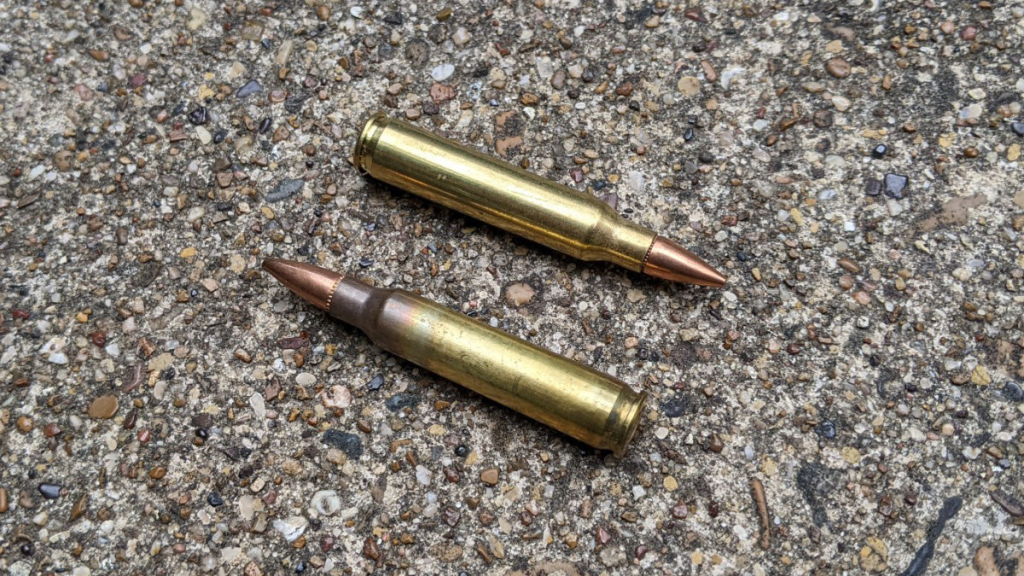
3. .223 Remington / 5.56 NATO
This pairing is often treated as a training round first and a long-range round second, but that undersells what it can do in a good rifle. Low recoil lets shooters spot impacts, correct quickly, and stay disciplined through long strings. With proper twist rates and the right bullet weights, it can deliver surprising precision much farther than many expect. Its real strength is efficiency. A shooter can spend more time practicing without the fatigue and disruption that come with heavier cartridges, and that often translates into better real-world results.
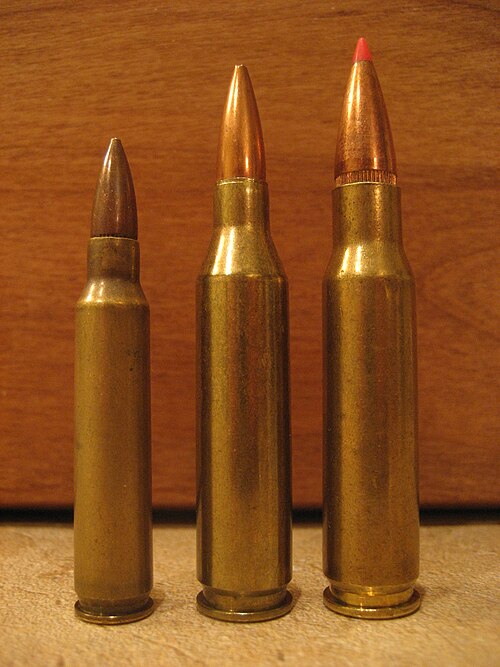
4. .243 Winchester
The .243 Winchester has always had a loyal following among shooters who value flat flight without punishing recoil. In accurate bolt rifles, it has a habit of producing tight groups, and that easy-shooting nature makes it attractive to both newer marksmen and experienced hunters. It also occupies a useful middle ground. It is light enough to shoot comfortably, yet it carries enough speed and stability to stay credible when wind and distance begin to matter.
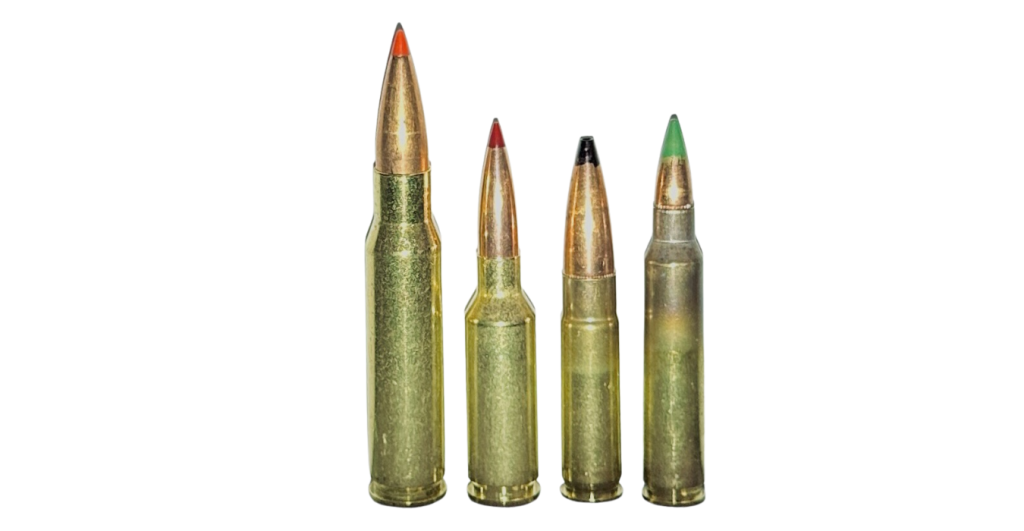
5. 6mm ARC
The 6mm ARC gave the AR-15 platform a real long-range option without forcing shooters into a larger rifle. It was built around high-ballistic-coefficient bullets, and that shows in how it stretches the reach of a compact semi-auto platform. Hornady designed it to stay supersonic past 1,000 yards, which is a meaningful benchmark for precision consistency. The cartridge also gained attention for trimming drop and wind drift compared with .223-class loads, making it one of the more consequential platform-specific developments of the last several years.

6. .270 Winchester
The .270 Winchester is one of the oldest cartridges on this list, but it remains relevant because flat trajectories never go out of style. Since 1925, it has built a reputation as a dependable hunting round that usually shoots well without much drama. Its staying power comes from simplicity. In ordinary factory rifles, it often delivers better-than-average accuracy, and it does it with less fuss than many shooters expect from a classic hunting cartridge.
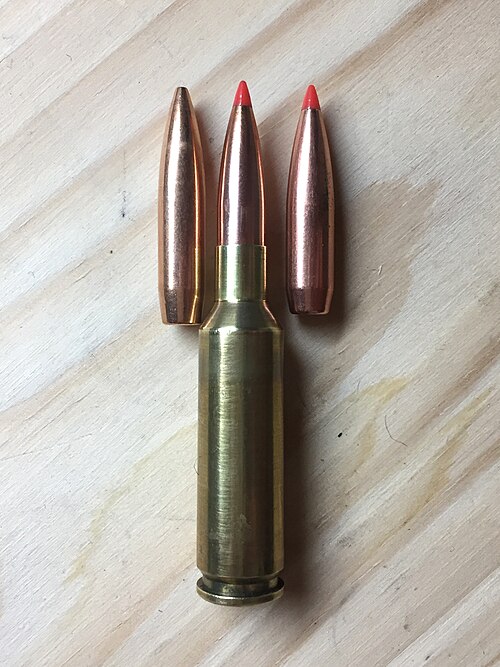
7. 6.5 PRC
The 6.5 PRC takes the low-drag strengths of the Creedmoor and adds more speed. Typical factory loads push 140-to 147-grain bullets around 2,910 to 2,925 fps, and that extra velocity buys more reach, less wind deflection, and stronger downrange energy. It also sits in an appealing middle lane. According to short-action 6.5 PRC performance data, it offers magnum-level hunting flexibility without moving fully into the recoil and rifle bulk of larger magnums. That makes it one of the more practical “step-up” cartridges for shooters who have outgrown milder rounds.
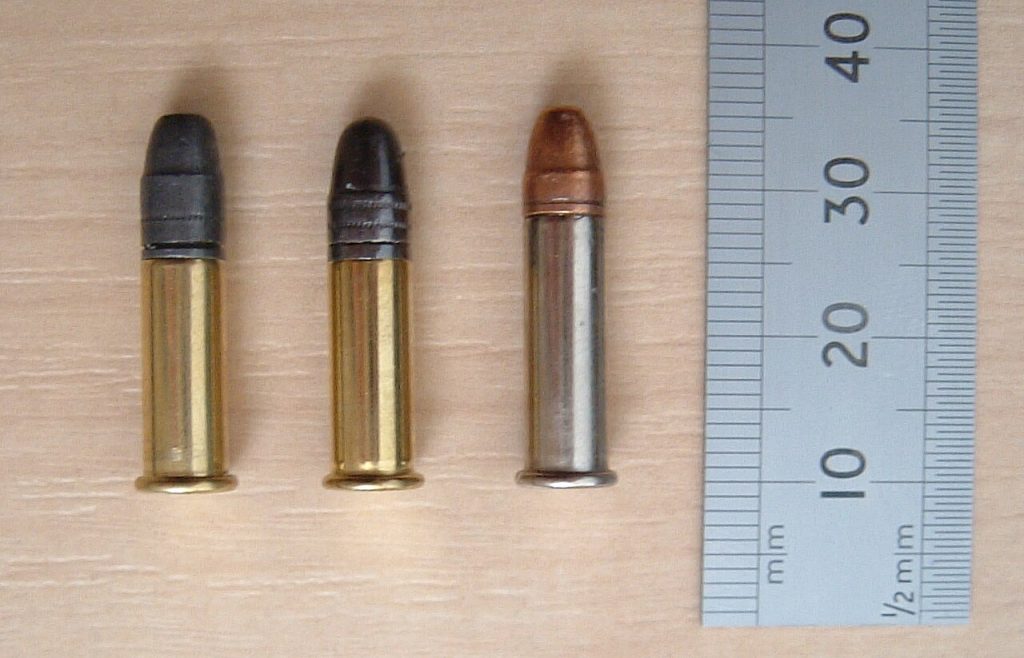
8. Match-Grade .22 LR
The .22 LR looks out of place until the purpose is understood. In match form, it is one of the best tools for refining position, trigger control, and wind reading at modest distances where tiny errors still show up clearly. Good rifles with good lots can print exceptionally small groups at 50 and 100 yards. The key is ammunition quality. Competitive rimfire shooters rely on lot-tested loads and often prefer subsonic velocities to avoid the instability that appears near the transonic zone. For building precision habits, few cartridges are more useful.
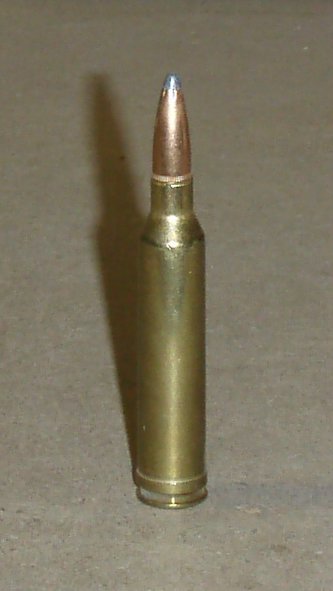
9. 7mm Remington Magnum
The 7mm Remington Magnum remains one of the strongest crossovers between long-range target work and serious hunting. Its appeal comes from pushing heavy, aerodynamic bullets fast enough to stay flat while resisting wind better than many standard cartridges. Modern bullet design corrected many of the mismatches that limited early factory loads, and that has kept the 7mm magnum highly relevant.
It also occupies an important practical tier. Comparative long-range discussions have shown the 7mm Remington Magnum remains a big seller because it combines broad bullet selection, serious reach, and field-worthy energy without stepping into the size and overhead of ultra-large magnum systems.
The common thread across these cartridges is not trendiness. It is repeatability. Some are soft-shooting trainers, some are classic hunting staples, and some were engineered specifically for modern precision work, but all of them have proved they can stay useful when ranges stretch and conditions stop being friendly. That is why long-range shooters still circle back to them. Ballistics charts can start the conversation, but consistent hits are what keep a cartridge in the rack.


