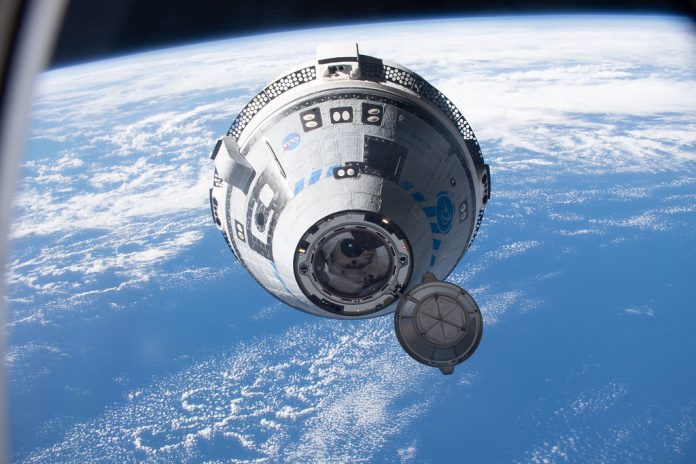
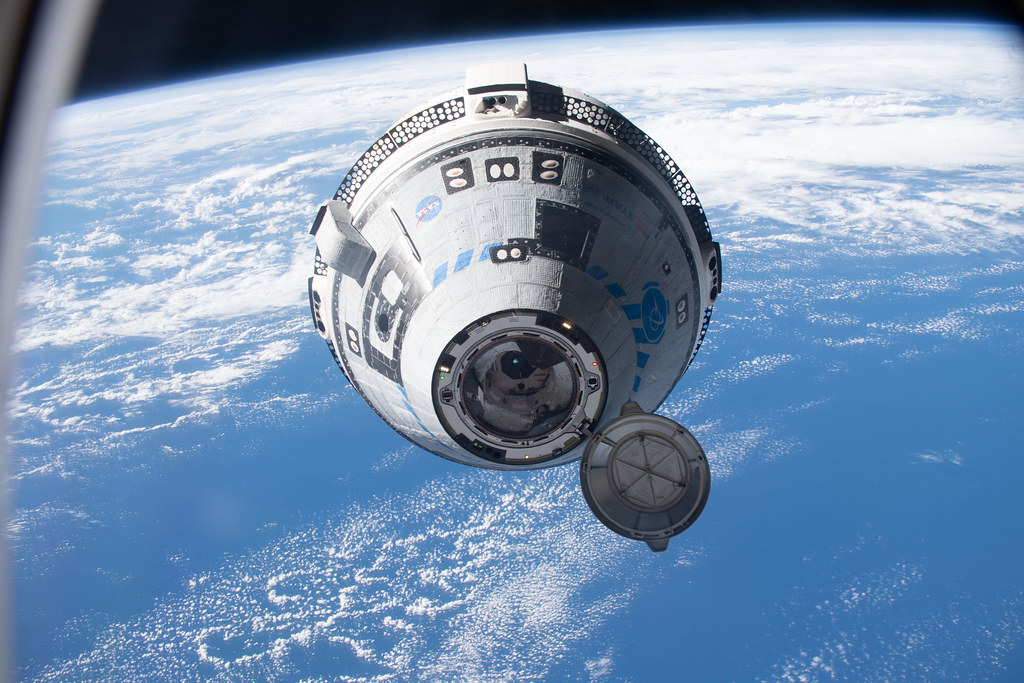
NASA’s decision to strip astronauts from Starliner’s next mission did more than change a flight manifest. It turned Boeing’s capsule into a live engineering test, one that now has to prove its propulsion system can work reliably before anyone rides aboard again.
The move followed a crewed test flight that was supposed to last just over a week but stretched to 93 days, ending with the spacecraft returning to Earth empty while its crew came home later on a SpaceX vehicle. What looked at first like a propulsion scare is now framed as a much broader systems failure.
1. The next Starliner flight is now a certification exercise
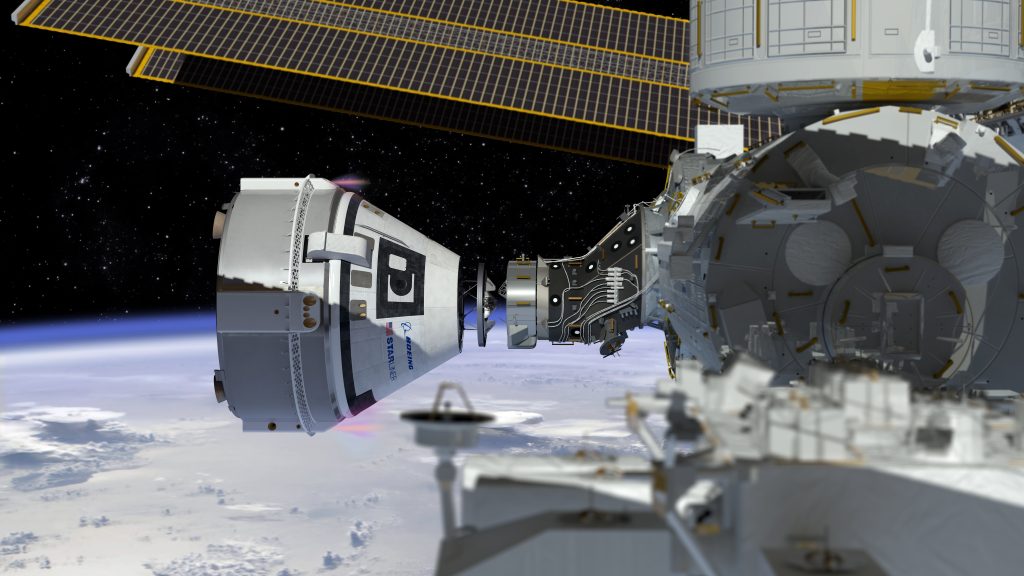
NASA and Boeing are targeting no earlier than April 2026 for Starliner-1, but the mission has been narrowed to cargo only. Under a revised contract, the program’s definitively ordered operational missions drop from six to four, with two still optional, and the next flight is meant to validate spacecraft changes rather than begin routine crew service.
NASA described the new plan as a way to focus on safe certification before resuming astronaut transport. The agency said Starliner-1 will carry only cargo to the International Space Station while testing modifications made after the troubled crewed mission.
2. The propulsion trouble was not a single bad component
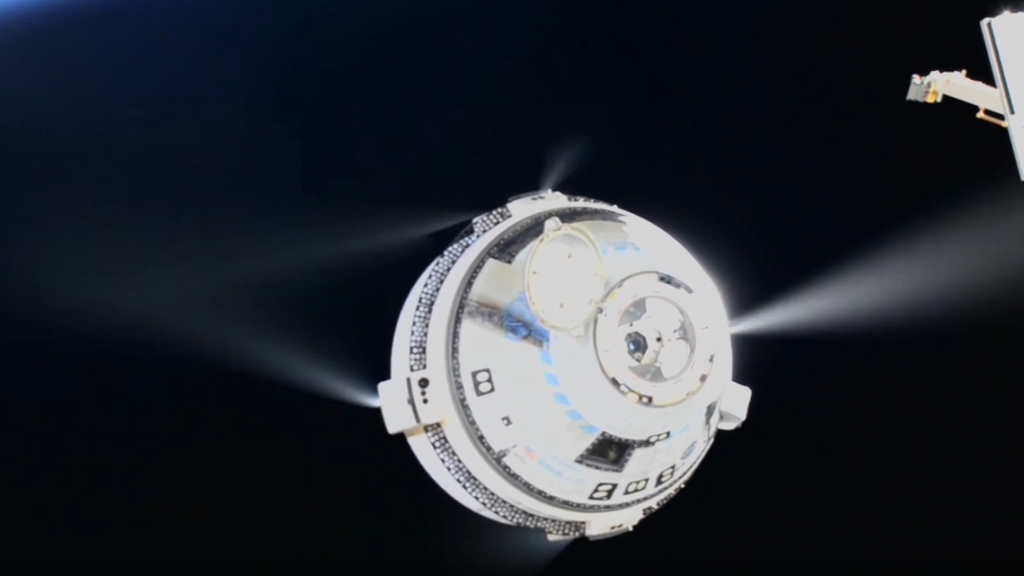
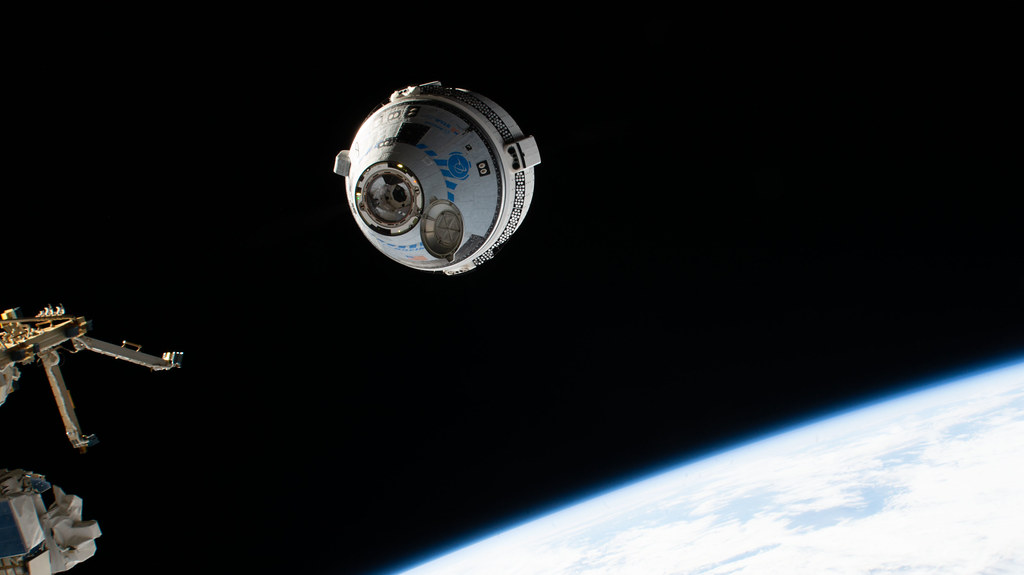
During approach to the station in June 2024, five of Starliner’s 28 reaction control thrusters failed. Four were eventually recovered, but the anomaly was serious enough to raise concerns about docking control and the spacecraft’s ability to return safely.
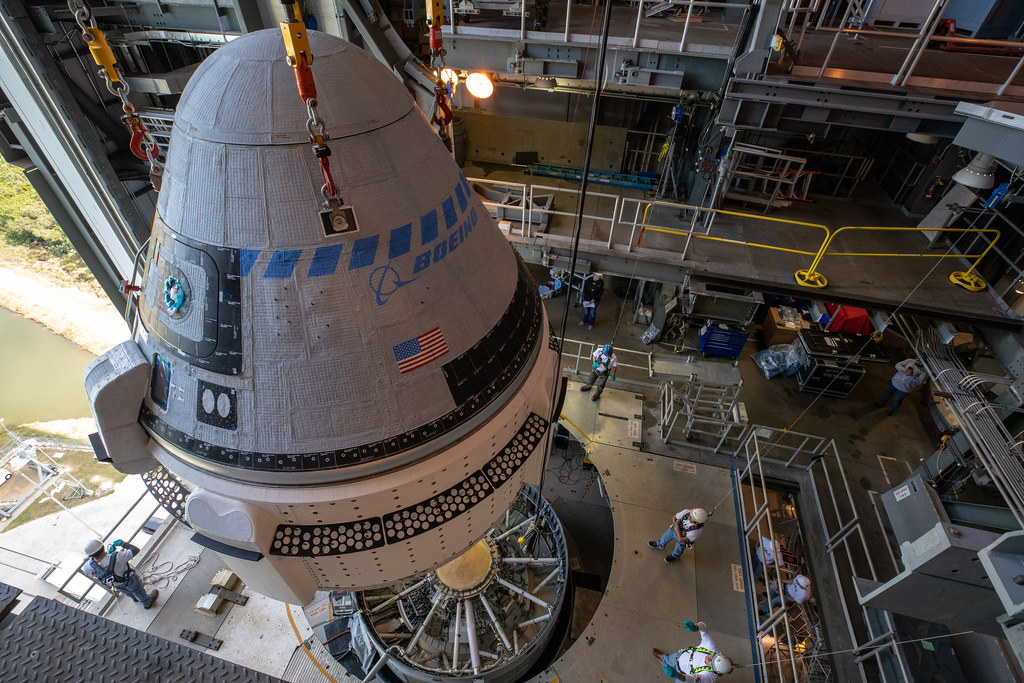
Investigators linked the immediate thruster problem to overheating inside valve assemblies. Small Teflon poppet seals could deform when exposed to repeated firings and harsh thermal conditions, restricting propellant flow. Ground work at White Sands suggested the seals could recover after cooling, but the behavior exposed a vulnerability in a system that had already shown signs of trouble on earlier flights.
3. Helium leaks turned a thruster problem into a bigger risk case
Thruster outages were only half the concern. Starliner also recorded five helium leaks in its service module propulsion system, including one seen before launch and four more during the mission.
Helium is not the propellant, but it is essential because it pressurizes the system that feeds the thrusters. Engineers concluded there was still enough margin for a return, yet the combined effect of leaks and intermittent thrust made the overall picture much harder to accept for a crewed reentry. That combination is what pushed the mission out of the category of an awkward test and into something far more consequential.
4. NASA now classifies the flight as a top-level mishap
The agency’s later investigation formally reclassified the 2024 crewed test as a Type A mishap, NASA’s highest mishap category. That designation reflects not only damage thresholds but also the potential for a major loss event.
NASA Administrator Jared Isaacman said, “We have to own our mistakes and ensure they never happen again.” The investigation found that the mission’s risk picture was shaped by hardware failures, qualification gaps, leadership errors, and cultural breakdowns that did not meet NASA’s human spaceflight safety standards.
5. The harshest findings were about process, not just hardware
NASA’s investigation did not stop at seals, valves, and plumbing. It pointed to a deeper breakdown in how risks were understood, challenged, and communicated between Boeing and NASA teams.
According to the report, investigators found an interplay of technical faults and organizational failures. Isaacman stated, “It’s decision-making and leadership that, if left unchecked, could create a culture incompatible with human spaceflight.” That language matters because it shifts Starliner’s problem from a parts replacement campaign to a program-wide recovery effort involving engineering discipline, oversight, and internal accountability.
6. Starliner has a long history of verification gaps
The 2024 mission did not emerge from an otherwise smooth development record. Starliner’s 2019 uncrewed test failed to reach the ISS because of software issues, and a later mission was delayed by corroded oxidizer valves. In 2023, engineers also had to address parachute and wiring concerns before the crewed test could proceed.
That history helps explain why the latest propulsion anomalies landed so heavily. The recurring pattern was not one isolated defect but repeated evidence that the spacecraft’s verification pipeline had missed important failure modes before flight.
7. SpaceX’s reliability has raised the bar even higher
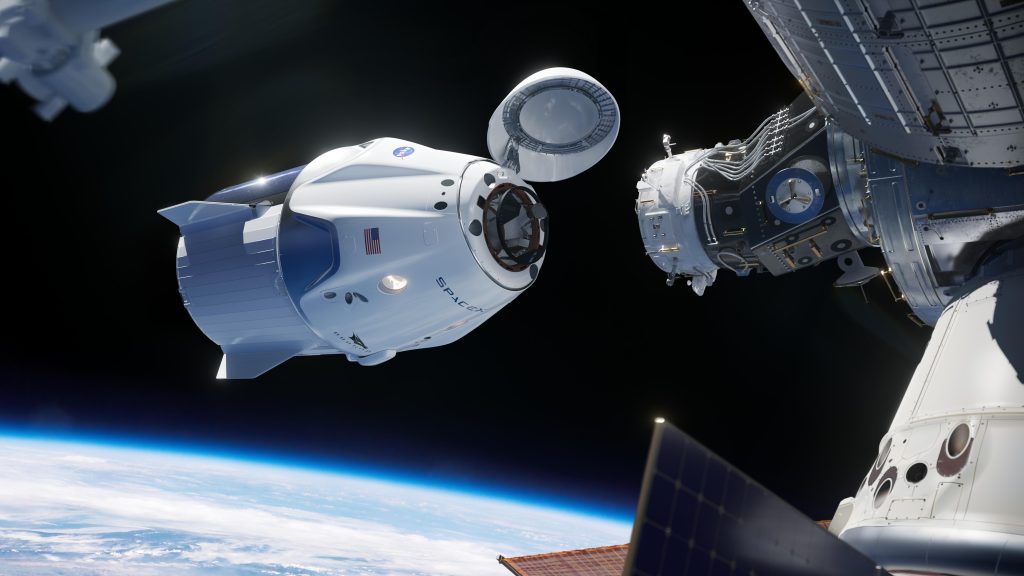
While Boeing has struggled to qualify Starliner, SpaceX’s Crew Dragon has carried NASA crews regularly since 2020. The contrast has practical consequences for mission planning, not just public perception.
Dragon has become the operational backbone of US crew transport to low Earth orbit, and it ultimately brought Butch Wilmore and Suni Williams home. Starliner’s expendable service module also complicates failure analysis because the portion containing the troubled thrusters is discarded before landing, limiting direct post-flight inspection compared with systems that return more hardware intact.
8. NASA still wants Starliner for one reason: redundancy
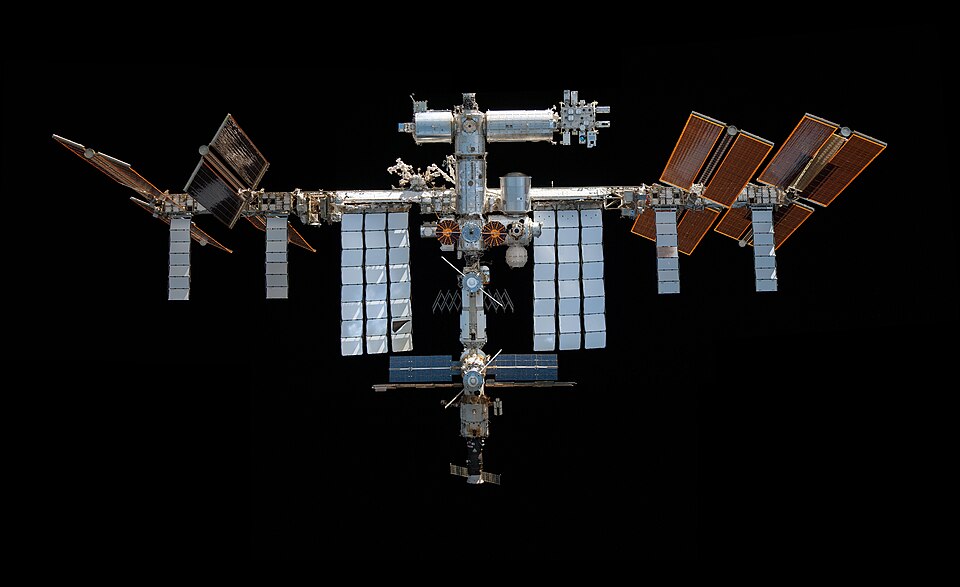
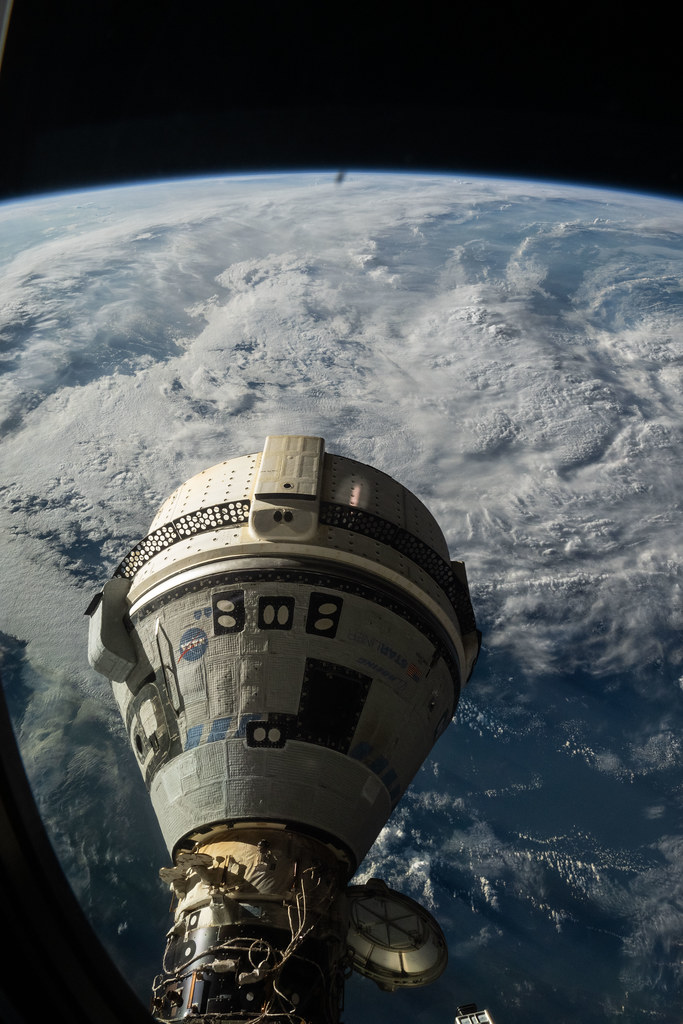
Even after the mishap finding, NASA has not abandoned the program. The agency still wants two independent US crew transportation systems so that a grounding of one vehicle does not leave it dependent on a single provider. That goal is increasingly constrained by the calendar. The ISS is scheduled to retire in 2030, leaving a narrow window for Starliner to complete a cargo validation flight, earn certification, and contribute meaningful crew rotations.
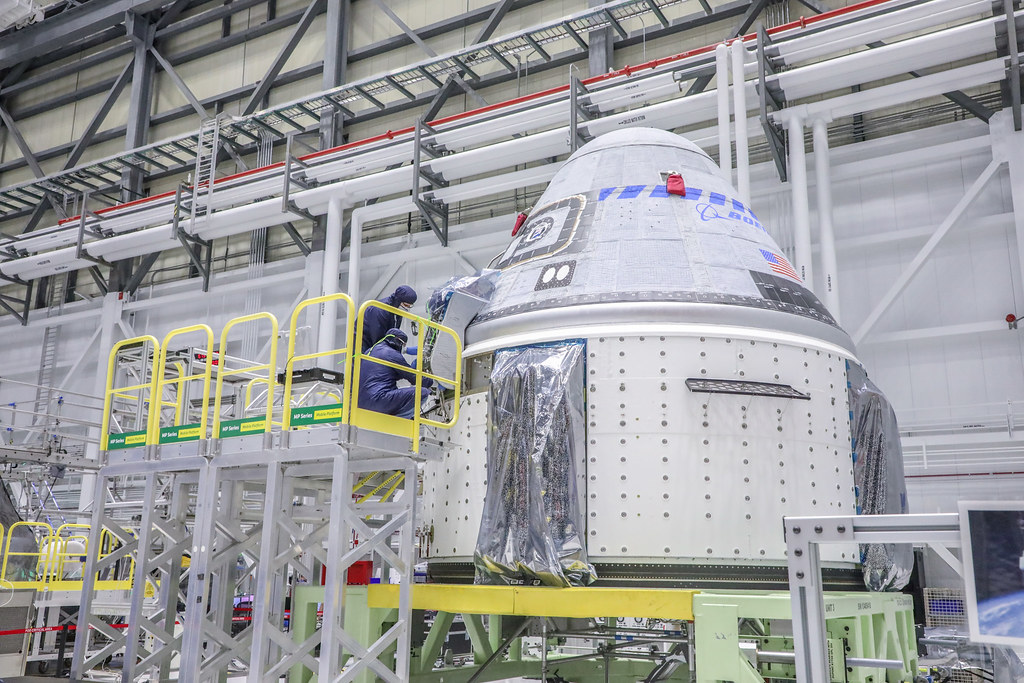
NASA’s revised plan effectively gives Boeing a shorter runway and a clearer test: fix the propulsion system, prove it in orbit, and only then return astronauts to the capsule. That is why the cargo-only mission matters. It is less a logistical run than a verdict on whether Starliner can still become a dependable part of NASA’s human spaceflight architecture.


