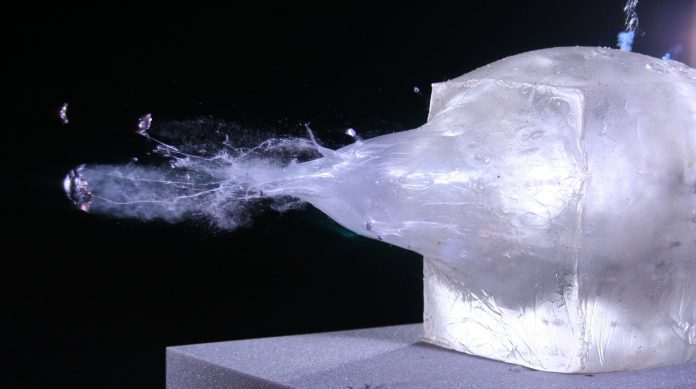
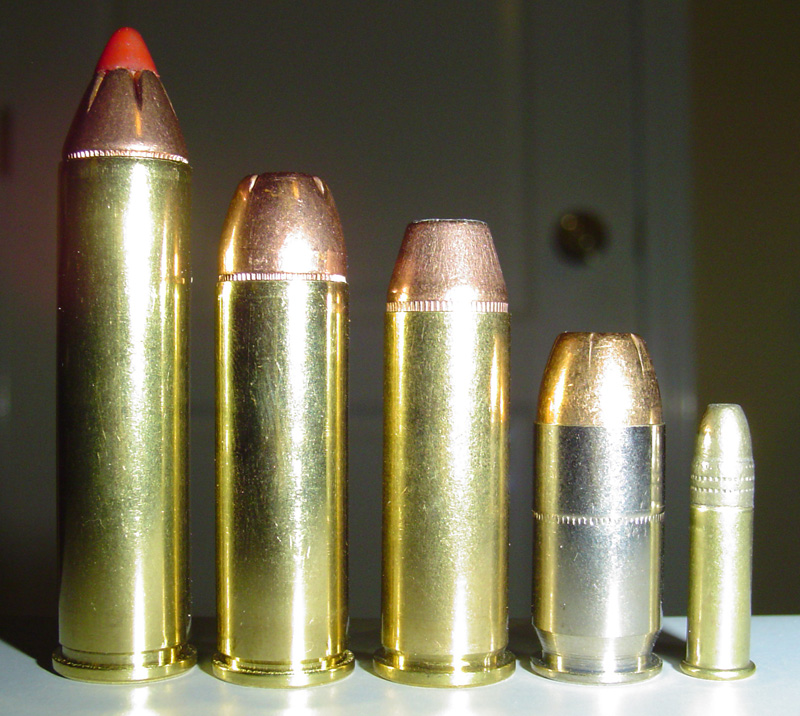
Ballistic gel has become the default language of handgun-ammo debates because it gives repeatable numbers. That repeatability matters. It also creates a habit of treating lab results like a script for what a bullet will do in a bedroom, hallway, or living room. Home interiors add angles, drywall, doors, furniture, clothing, and imperfect hits. The useful way to read gel data is not as a prediction machine, but as a filter that reveals which loads behave consistently before the real world starts adding chaos.
1. Ballistic gel recreates what happens in a house
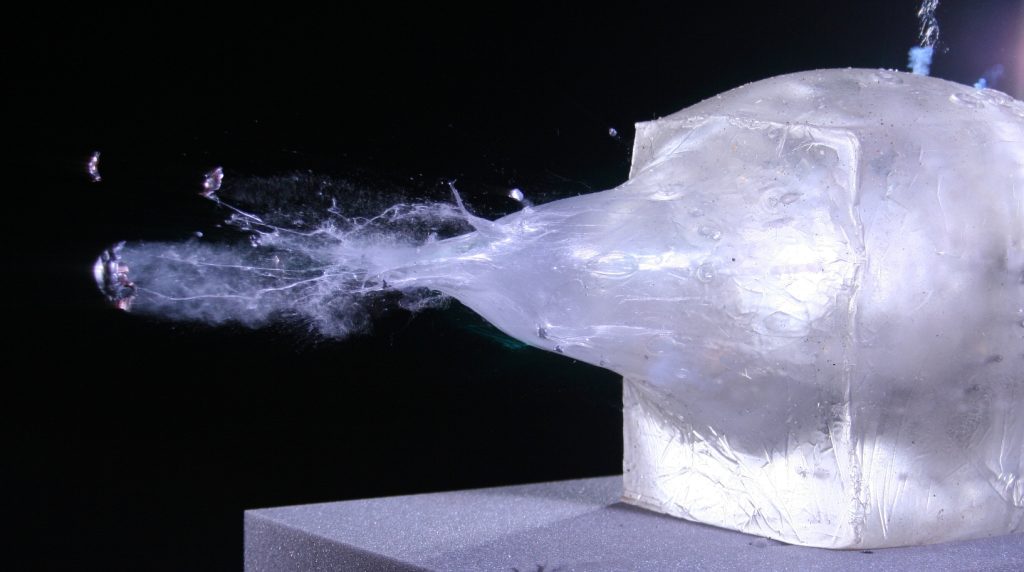
It does not. Gel is a measuring medium, not a furnished room and not a human body. Research on wound-ballistics methods has shown that gel is valuable because it gives a reasonable comparison of penetration and permanent damage in soft tissue analogs, while also carrying known limits around bone, impact angle, clothing, and other variables soft tissue analogs. That is why the same bullet can look tidy in a clear block and behave far less neatly after striking an arm first, entering at an angle, or pushing through household materials before reaching the target. Gel remains useful precisely because it removes variables. Houses do the opposite.
2. The FBI standard was built as a one-size-fits-all answer
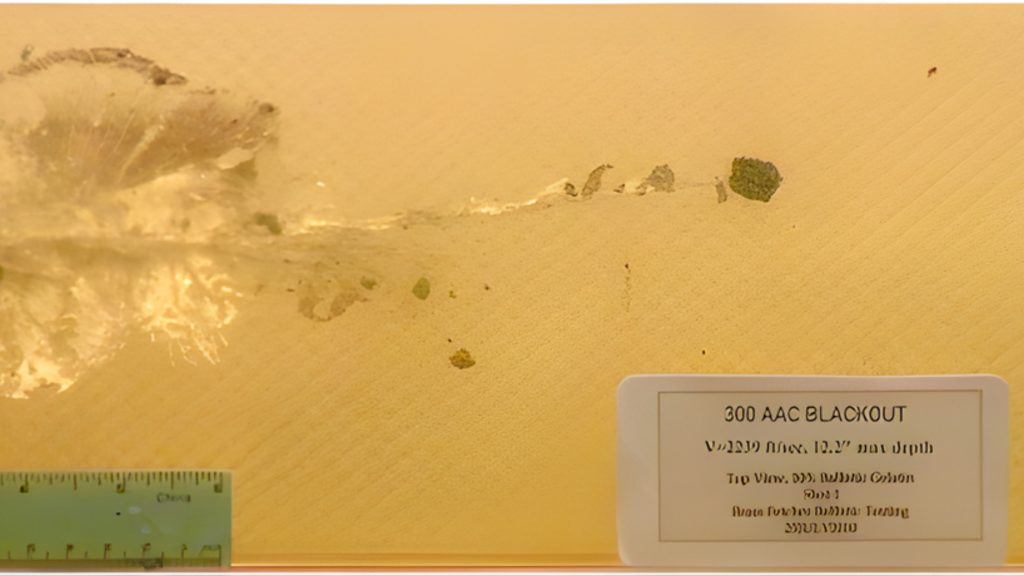
The FBI protocol is a standardized duty-ammunition yardstick, not a universal prescription for every civilian floor plan. Its test sequence includes bare gel, heavy clothing, wallboard, plywood, sheet metal, and auto glass, with rounds evaluated across multiple shots and barriers multiple shots and barriers. That makes sense for agencies buying ammunition that must work across many officers, many guns, and many scenarios. A homeowner is dealing with a narrower problem set. The protocol still matters, but mainly as a benchmark for terminal reliability rather than a final answer to indoor-defense questions.
3. If a round hits 12 to 18 inches in gel, the job is done
The familiar 12-to-18-inch range is a standard for penetration depth in calibrated testing, not a guarantee of how a bullet will behave after passing through clothing, bone, or an off-center hit. It exists because under-penetration can fail to reach vital structures, while excessive penetration increases risk beyond the target. What the number does best is allow side-by-side comparison. What it does not do is promise the same result in every room or every body position.
4. Heavy clothing is just a minor testing detail
For indoor defensive use, clothing may be the most relevant FBI-style variable of all. Hollow points can clog when fabric fills the cavity, and once that happens the bullet may act more like a non-expanding design. That can mean a narrower wound path and deeper travel than expected. The value of heavy-clothing tests is not dramatic photos of recovered bullets; it is seeing whether expansion remains consistent shot after shot when fabric starts interfering with the design.
5. Drywall will stop a missed handgun round
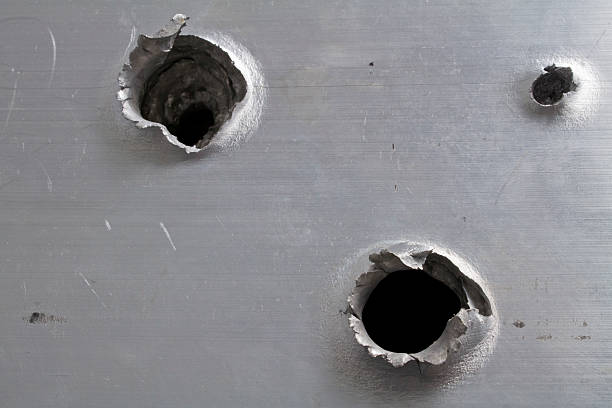
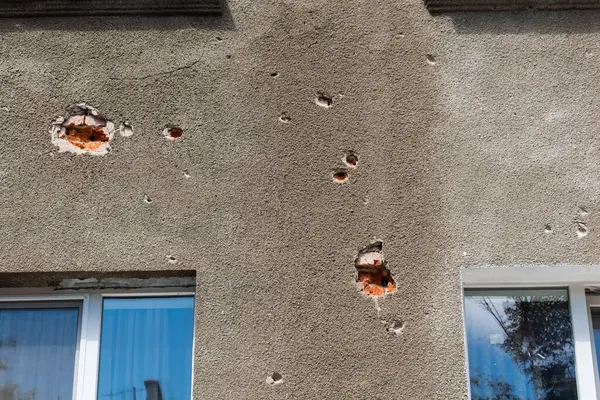
Interior walls are poor bullet traps. Controlled drywall tests have repeatedly shown that handgun rounds can keep traveling after passing through standard partitions, and in one simple multi-wall setup .45 ACP FMJ sailed through all three walls. Separate wall-penetration testing with common defensive calibers reached the same broad conclusion: standard building materials do little to guarantee safety once a round misses. The practical lesson is blunt. Drywall is concealment, not containment.
6. Hollow points are basically a safety switch
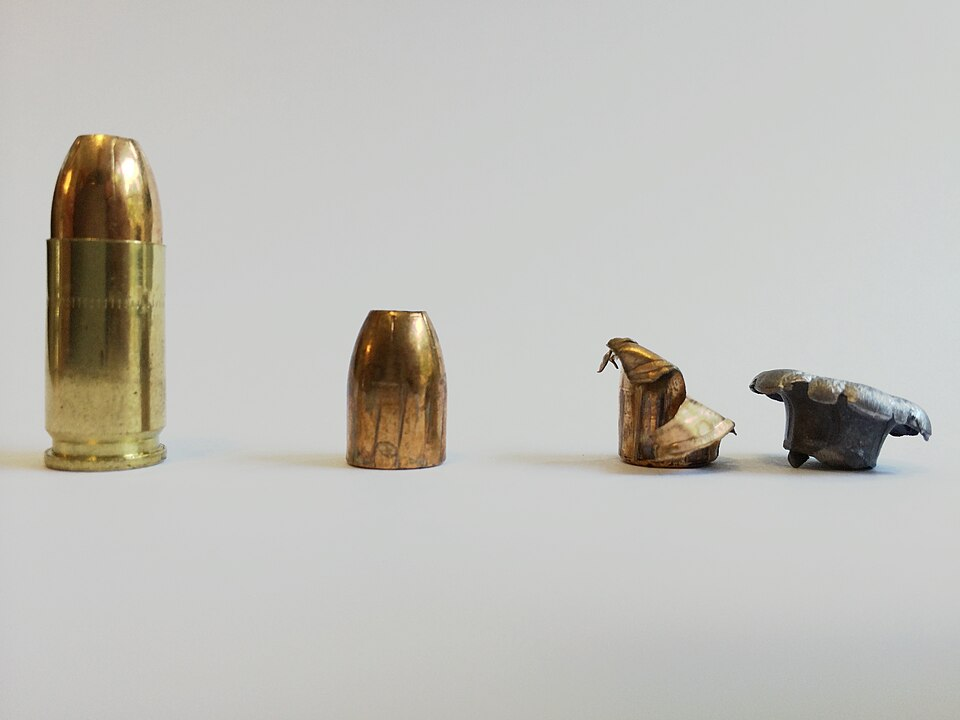
Expansion can help reduce risk, but only when it happens as intended. Barrier testing has shown that some hollow points expand well in bare gel and then lose that behavior after drywall or other hard materials, sometimes driving much deeper than expected. Other loads remain more consistent. That is why a single recovered-bullet photo proves almost nothing. Repeated performance matters more than one perfect mushroom.
7. Temporary cavity is the main thing to watch in gel videos
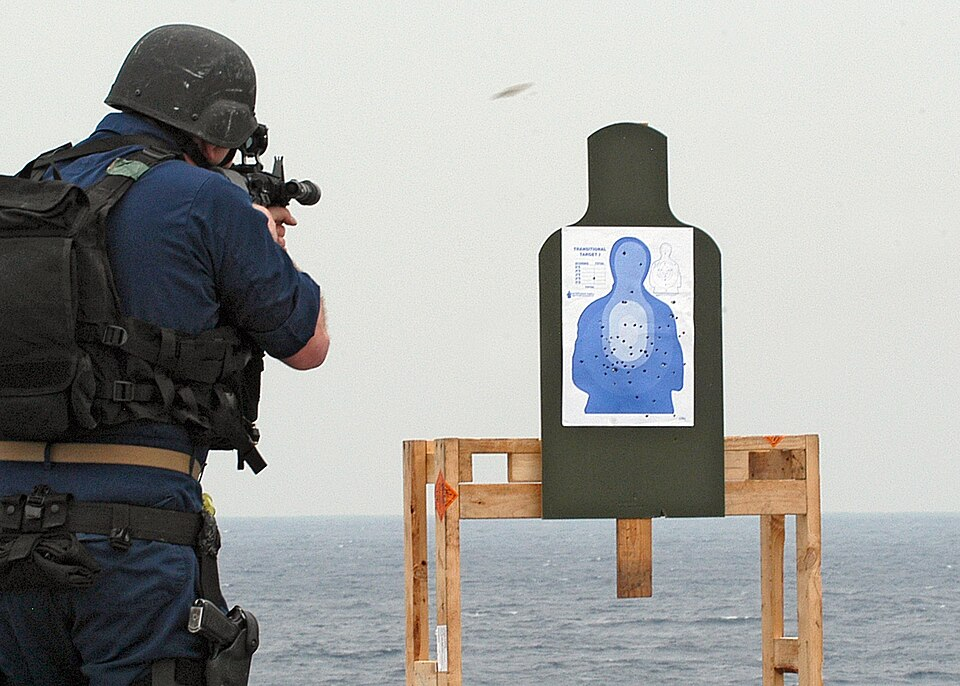
For handguns, dramatic slow-motion footage often distracts from the more important metric. Handgun rounds are low-velocity tools compared with centerfire rifle projectiles, and their fight-stopping value is tied much more closely to penetration and the permanent crush cavity than to visually impressive stretch effects. Large splashy motion inside gel may look decisive on video, but the boring numbers usually tell the more relevant story.
8. Lab data matters more than reliability in the actual pistol
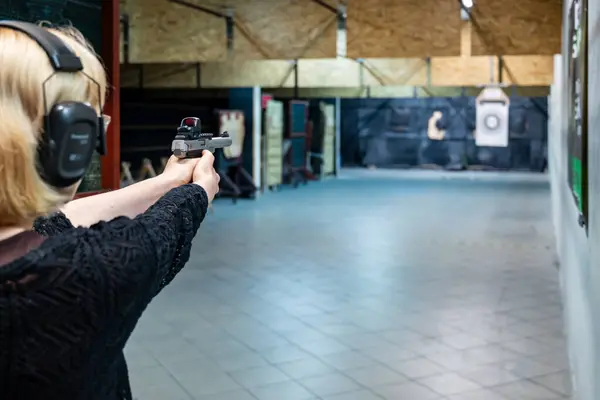
No test block can confirm that a chosen load feeds in one specific handgun, cycles under an imperfect grip, or stays manageable in low light and confined spaces. Even excellent gel data becomes secondary if the round does not run predictably in the gun that will actually be used. The final screen is not another internet chart. It is function, controllability, and consistency from the real carry or bedside pistol. The myth was never that gel is useless. The myth is that gel is enough.
Used correctly, gel reveals trends: penetration range, expansion consistency, and how bullets react to clothing or barriers. Real homes add uncertainty that no block can model completely, which is why the smartest reading of ammo data starts with the lab and ends with the room, the gun, and the reality that misses and bad angles change everything.


