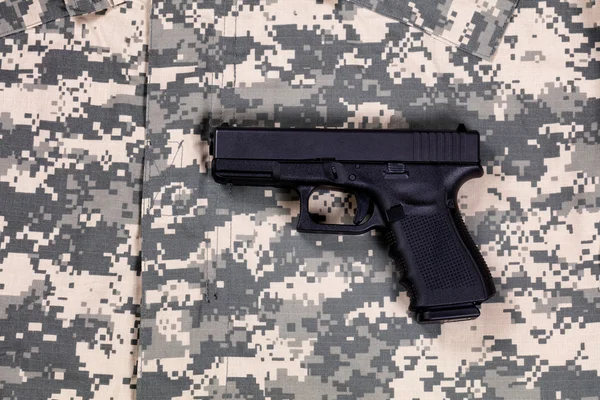
The Army’s handgun has never been the loudest weapon in the room. Even so, each major sidearm change has carried consequences well beyond the holster, affecting maintenance, training, ammunition supply, and what soldiers can realistically do when a rifle is out of reach. That is why the service pistol’s history reads less like a catalog of handguns and more like a trail of engineering decisions. Some improved firepower. Others simplified logistics. A few changed how the Army measured reliability itself.
1. Early standard pistols turned sidearms into an industrial problem
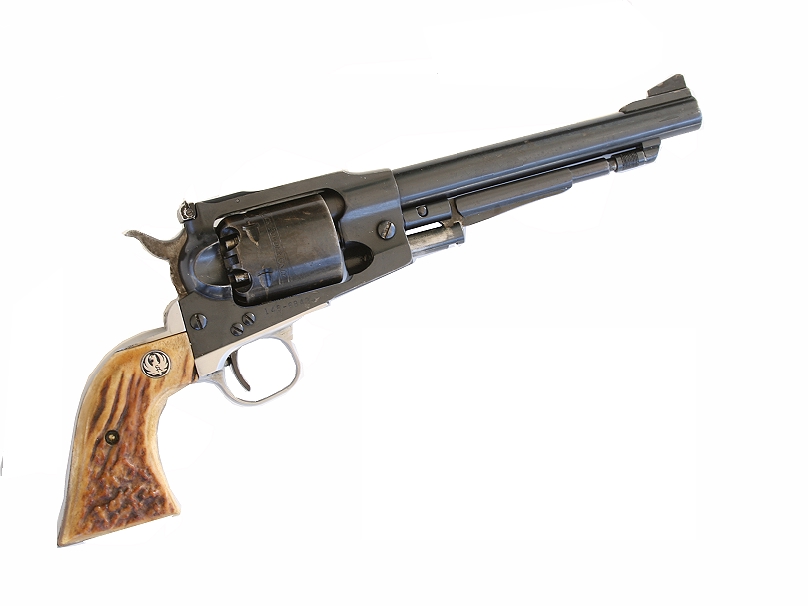
Before the Army had a modern procurement system, pistols were often inconsistent from one unit to the next. Early efforts to standardize issue handguns, including the Model 1775 as the first Army issued handgun, showed why uniformity mattered: parts, caliber, and repair methods could no longer be left to local improvisation.
The bigger leap came with the long push toward interchangeable parts. Once pistols could be kept running through standardized components instead of individual hand-fitting, the sidearm became easier to sustain across distant posts and dispersed formations. That sounds routine now, but it was an early version of modern lifecycle thinking: a weapon had to be repairable at scale, not just accurate when it left the shop.
2. Revolvers gave soldiers a real close range volume of fire jump
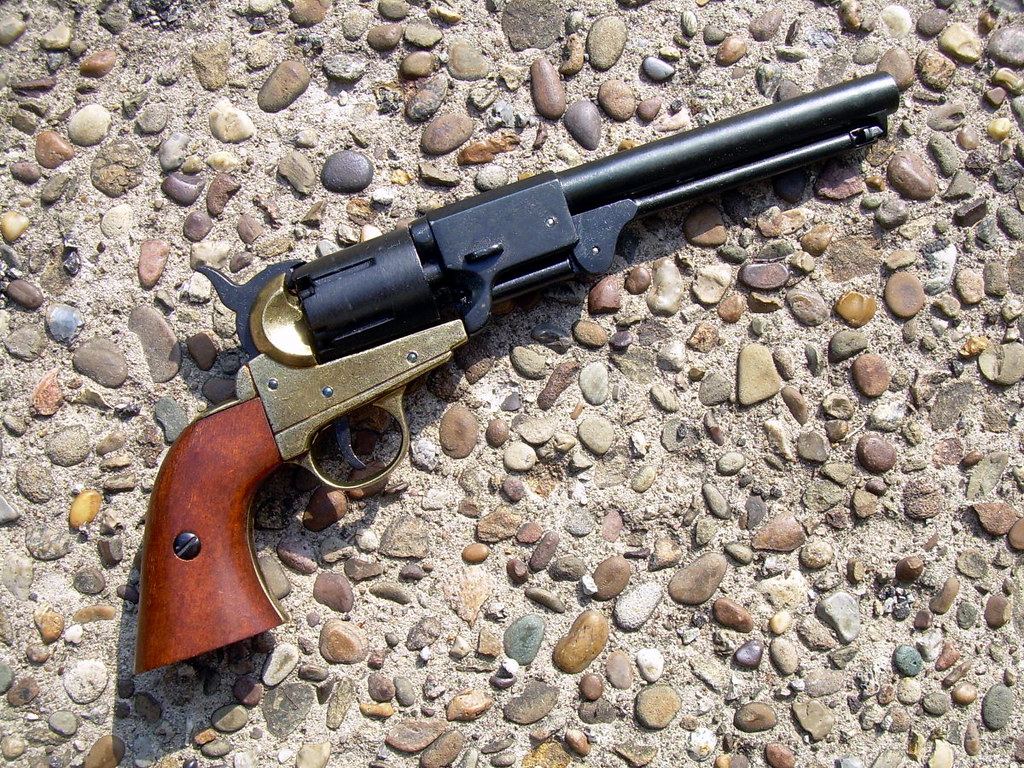
The move from single shot flintlocks and percussion pistols to revolvers was the Army’s first dramatic increase in handgun firepower. Samuel Colt’s designs made it practical to fire multiple shots in rapid succession without the long interruption of reloading after every discharge.
That mattered most in cramped, chaotic spaces where a long gun could be awkward around horses, wagons, and later in any close-in environment where reaction time outran reload time. The Army’s adoption of revolvers in the mid-19th century also changed training expectations. Trigger control, cylinder management, and reloading under stress became part of the job. The sidearm stopped being a one-shot emergency tool and started becoming a repeating weapon with real tactical utility.
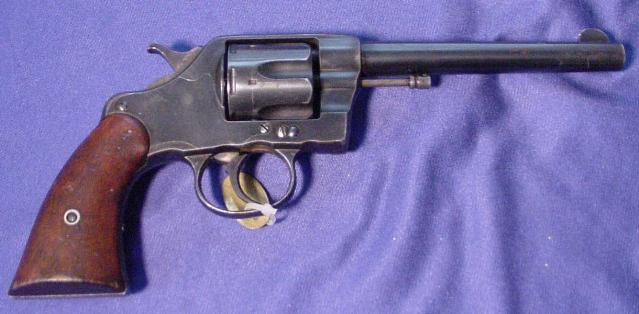
3. Double-action revolvers exposed the cost of pairing a new mechanism with the wrong cartridge
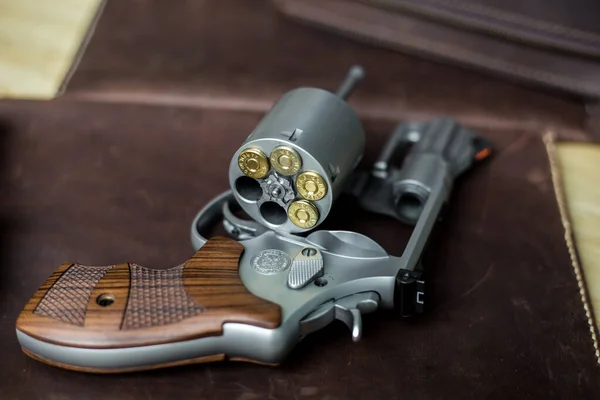
When the Army standardized the Colt Model 1892, it was embracing speed and simplicity. Double-action fire meant the shooter did not need to thumb cock the hammer for every shot, and the swing out cylinder made reloads faster than older gate loaded revolvers.
But the shift also delivered a harder lesson. The .38 Long Colt cartridge did not meet expectations, and the Army was forced to confront a point that would shape every later pistol program: a service sidearm is a complete system, not just a frame or action type. Mechanism, ammunition, recoil control, and practical effectiveness all rise or fall together.
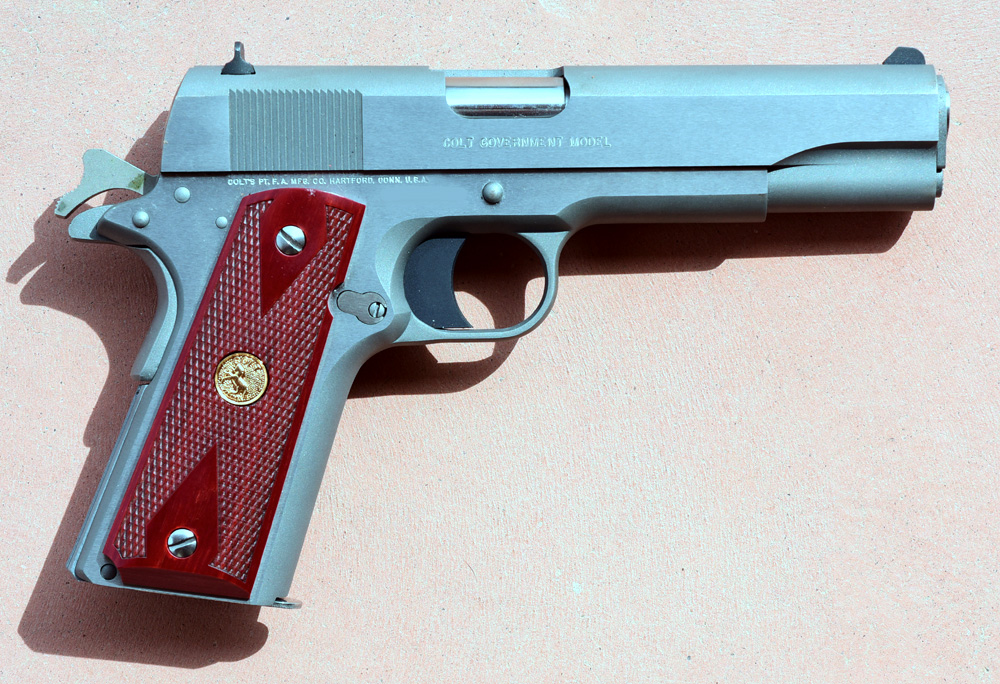
4. The M1911 made the semi-auto manual of arms the Army standard
The M1911 did more than replace a revolver. It locked in the Army’s long term baseline for a fighting pistol: semi automatic, magazine-fed, and consistent enough to build doctrine around. Adopted in 1911, it carried seven rounds of .45 ACP and stayed in broad service for more than 70 years.
Its influence reached far beyond caliber debates. Magazine changes, stoppage clearing, chamber checks, and large scale armorer support all became central to handgun training. The pistol’s endurance also reflected how thoroughly the Army had settled on the semi auto as the service norm. Even later sidearm debates rarely challenged that basic format again.
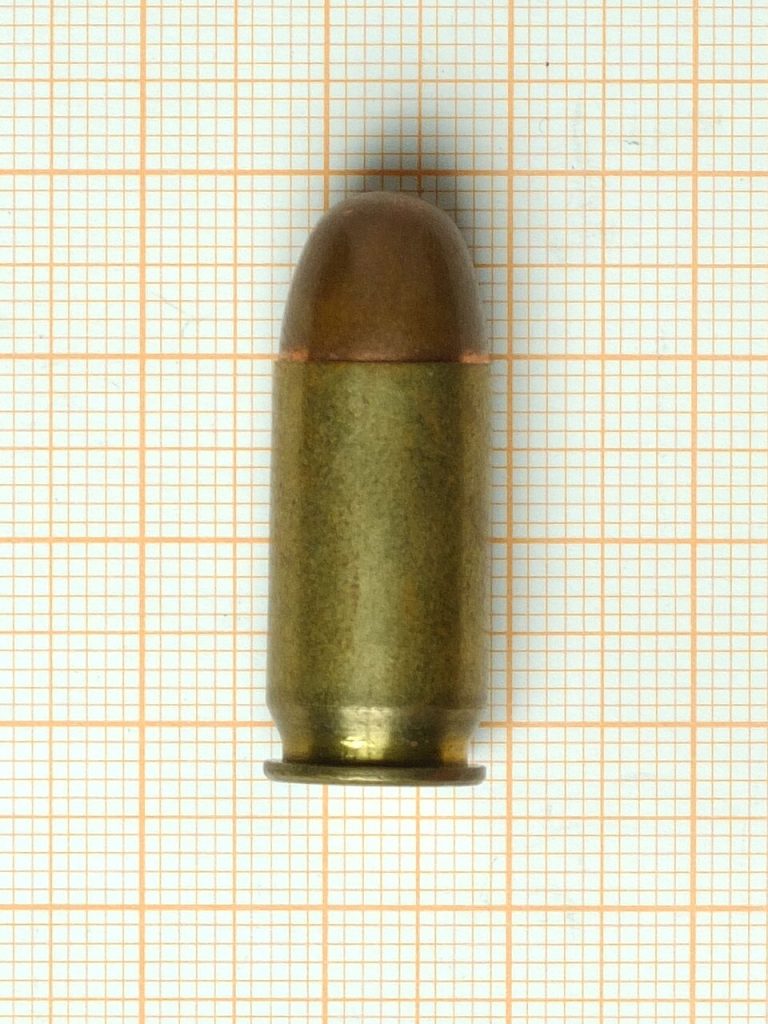
5. The M9 era made NATO logistics and magazine capacity impossible to ignore
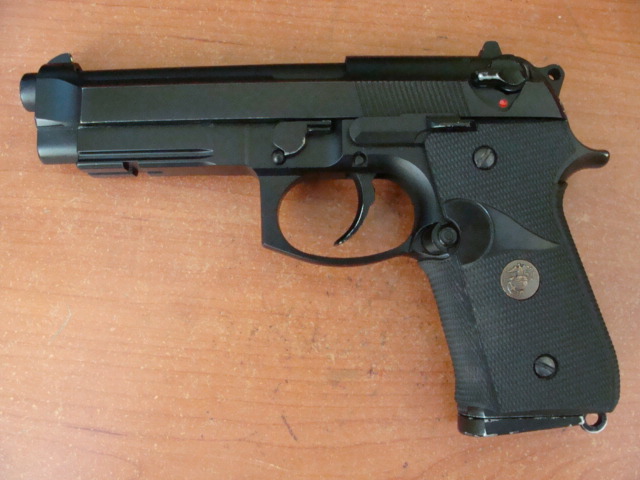
When the Army adopted the Beretta M9 in the 1980s, the visible change was the move from .45 ACP to 9×19mm. The deeper change was logistical. Standardizing on NATO’s pistol cartridge simplified allied supply while a 15-round magazine sharply reduced reload frequency compared with the M1911.
The M9 also introduced a DA/SA operating system with a slide-mounted safety-decocker, which had training consequences of its own. Soldiers had to manage a heavier first trigger press and a lighter follow-up press on the same pistol. At the same time, the M9’s reputation became tied to sustainment as much as design. Magazine quality, wear across aging fleets, and environmental tolerance all influenced how the pistol was judged in the field.
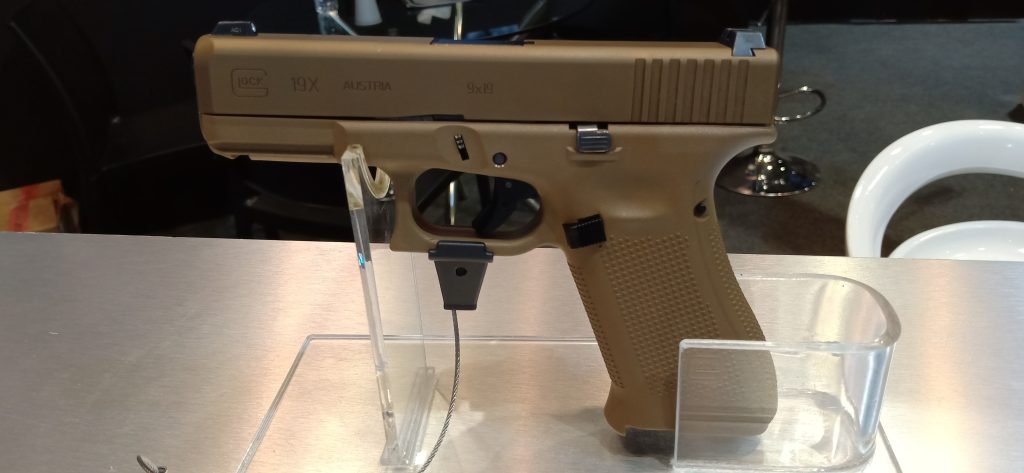
6. XM9 and XM17 testing turned reliability into a procurement language
Army pistol competitions eventually became as important as the pistols themselves. By the XM9 trials, sidearms were being judged with metrics such as mean rounds between failure, not just broad claims of toughness. Structured environmental tests, including mud and salt water immersion tests, showed how the Army was translating field abuse into engineering data.
That mindset carried into the later Modular Handgun System program, which called for 2,000 mean rounds between stoppages and a 35,000-round service life. The sidearm was no longer being judged only by shooter impressions or legacy reputation. It was being treated as a measurable platform with explicit endurance, corrosion, and mission-length requirements. That quiet cultural shift still defines how modern service weapons are selected.
7. The railed M9A1 normalized pistols as accessory hosts
Once the M9A1 added a rail, the Army’s handgun was no longer just a pistol. It became a platform able to carry the tools needed for low-light identification and close-quarters work, especially where rifles are hard to maneuver.
That change sounds cosmetic until the mission is inside a vehicle, hallway, or crowded checkpoint. A light-bearing sidearm changes target identification, handling, and even holster design. It also expands the sustainment burden, because the “handgun system” now includes magazines, rail-mounted accessories, and maintenance routines for all of them. The accessory rail helped normalize the idea that a military pistol had to integrate with the rest of the soldier’s kit rather than live apart from it.
8. The M17 and M18 pushed modularity from concept to standard practice
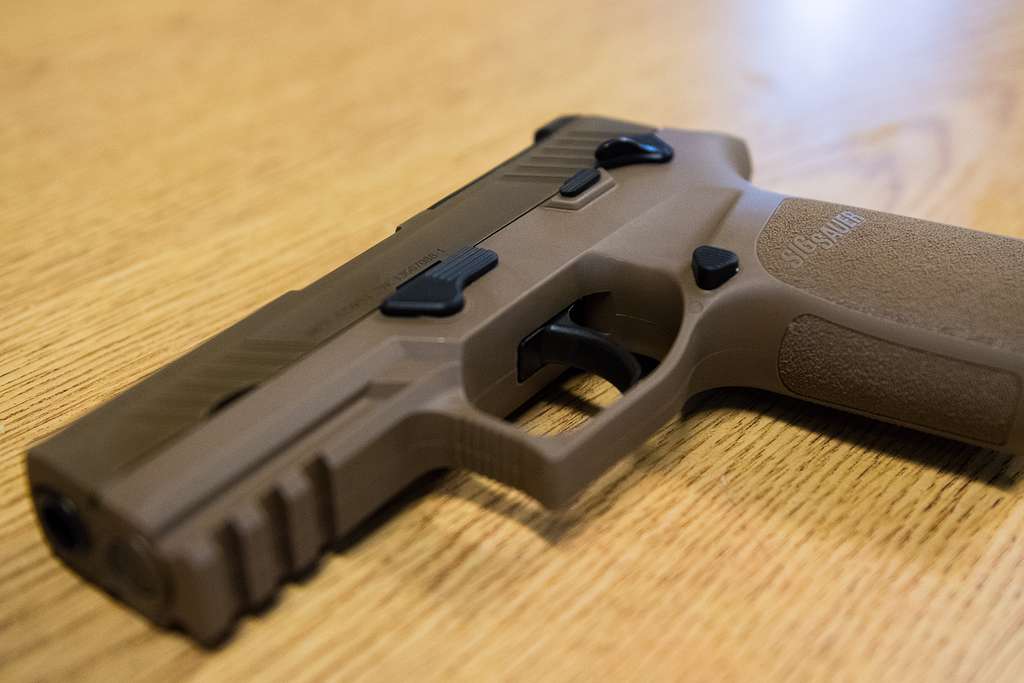
The biggest design break in the current era is the removable fire-control unit inside the M17 and M18. Instead of treating the pistol as one fixed object, the Army adopted a system in which the serialized core can move between grip modules and slide lengths. That is a different philosophy from the M9, not just a newer shell.
The M17 ships with a 17 round standard magazine, with larger options available, and it arrived as part of a broader package built around rails, improved finishes, and flexible configuration. The platform is also built around a removable fire-control unit, which is the core reason it can support multiple form factors without becoming multiple unrelated pistols. Just as important, the MHS program was driven in part by aging M9 frames reaching the end of service life, not merely by a search for something different. The result was a sidearm chosen for fleet renewal, modular fit, and compatibility with the modern expectation that pistols must work with lights, suppressor-ready concepts, and newer sighting solutions. In other words, the Army’s sidearm finally adopted the same configurable mindset that had already reshaped carbines and other frontline small arms.
The Army’s pistol history is easy to dismiss because the handgun is usually a backup weapon. The record shows something else. Sidearm transitions have repeatedly changed repair practices, qualification standards, ammunition policy, and how soldiers manage compact weapons when space, time, or equipment failure takes away better options. From interchangeable parts to modular chassis-style internals, the real story has never been just which pistol sat on the hip. It has been how each switch altered the tradeoffs soldiers had to live with.


