
Low Earth orbit no longer functions as a remote engineering frontier with wide margins for error. It has become a tightly managed traffic system, one that depends on constant tracking, frequent avoidance maneuvers, and uninterrupted control links to keep thousands of spacecraft from crossing paths at lethal speed.
A new way of measuring that fragility has sharpened the picture. Researchers behind the CRASH Clock estimate that if satellites in low orbit suddenly lost the ability to maneuver, the time to a likely first collision had fallen to 3.8 days in January 2026. That metric does not describe an instant apocalypse, but it does show how little slack remains in the system.
1. The warning sign is not Kessler syndrome itself
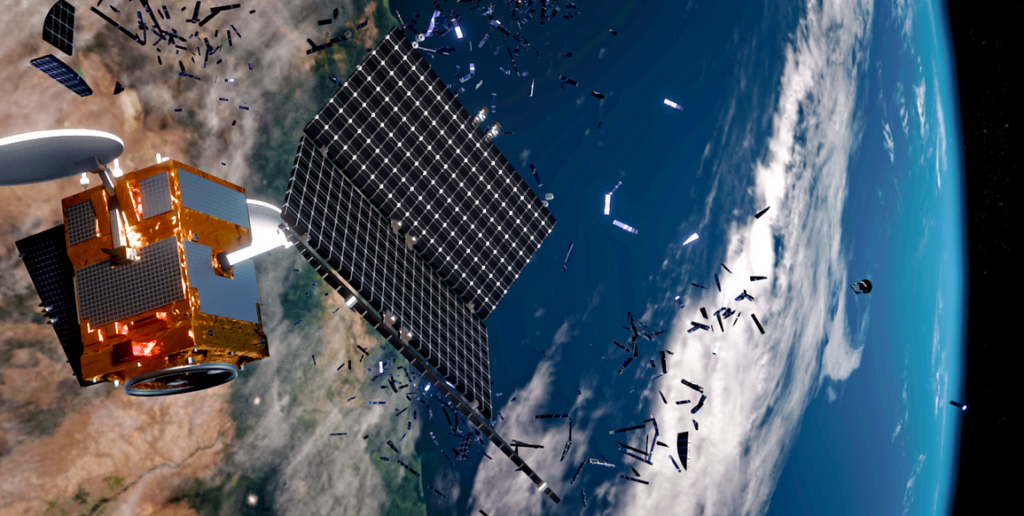
The central risk is often described as Kessler syndrome, the long-feared condition in which debris-generating impacts trigger more impacts over time. But the CRASH Clock tracks something narrower and more immediate: the expected time to a first major collision if avoidance maneuvers stop. That distinction matters because it separates a near-term operational failure from a decades-long debris cascade.
As Sarah Thiele told IEEE Spectrum, “We’re not making any claim about this being a runaway collisional cascade.” The point is that low orbit stays usable only because operators continuously intervene. Remove that layer of control, and the environment becomes hazardous quickly.
2. Crowding has increased far faster than orbital resilience
The deterioration is measurable. The same CRASH Clock framework estimated a much longer collision timescale in 2018, but the rise of megaconstellations has compressed that buffer dramatically. One reference article notes Starlink alone had reached 9,000 satellites by late 2025, a scale that changes low orbit from a sparse operating zone into a dense, actively managed network.
That density is not evenly spread. Certain altitude bands now carry concentrated traffic, and those shells are becoming the places where coordination failures matter most. In engineering terms, throughput has expanded faster than fault tolerance.
3. The most dangerous debris is often the debris that cannot be tracked well
Large objects attract attention because they can be cataloged and avoided. Smaller fragments create a different class of problem. They may be too small for reliable tracking from the ground yet still large enough to cripple a spacecraft, damage sensors, or disable propulsion and communications systems.
Aaron Boley described this as the “lethal non-trackable debris” population. That hidden layer turns congestion into something more serious than a traffic-management challenge. Even when active satellites avoid each other, they still move through a field of poorly observed hazards at orbital velocity.
4. A narrow band of altitude has become a chokepoint
The orbital shell around 550 kilometers has become one of the most crowded regions in space. It contains a very high density of active payloads, especially broadband satellites, and it also sits along the path other spacecraft must cross to reach higher destinations.
That makes the zone important beyond the satellites stationed there. Spacecraft heading upward, including crewed missions and other constellations, must transit through an already packed layer. Congestion in one shell therefore propagates risk to missions that are not trying to stay in that shell at all.

5. Solar storms can scramble the geometry of orbit in hours
Low orbit is not only crowded; it is also coupled to space weather. During geomagnetic storms, the upper atmosphere heats and expands, increasing drag on satellites and changing their trajectories. That pushes position estimates outward just when accurate forecasting is most needed.
Researchers noted that during the May 2024 solar storm, orbital uncertainties grew to kilometers. At speeds around 7 kilometers per second, that is an enormous operational problem. A system already dependent on precision becomes harder to model at the same moment many operators may need to maneuver.
6. Constant maneuvering is now part of normal operations
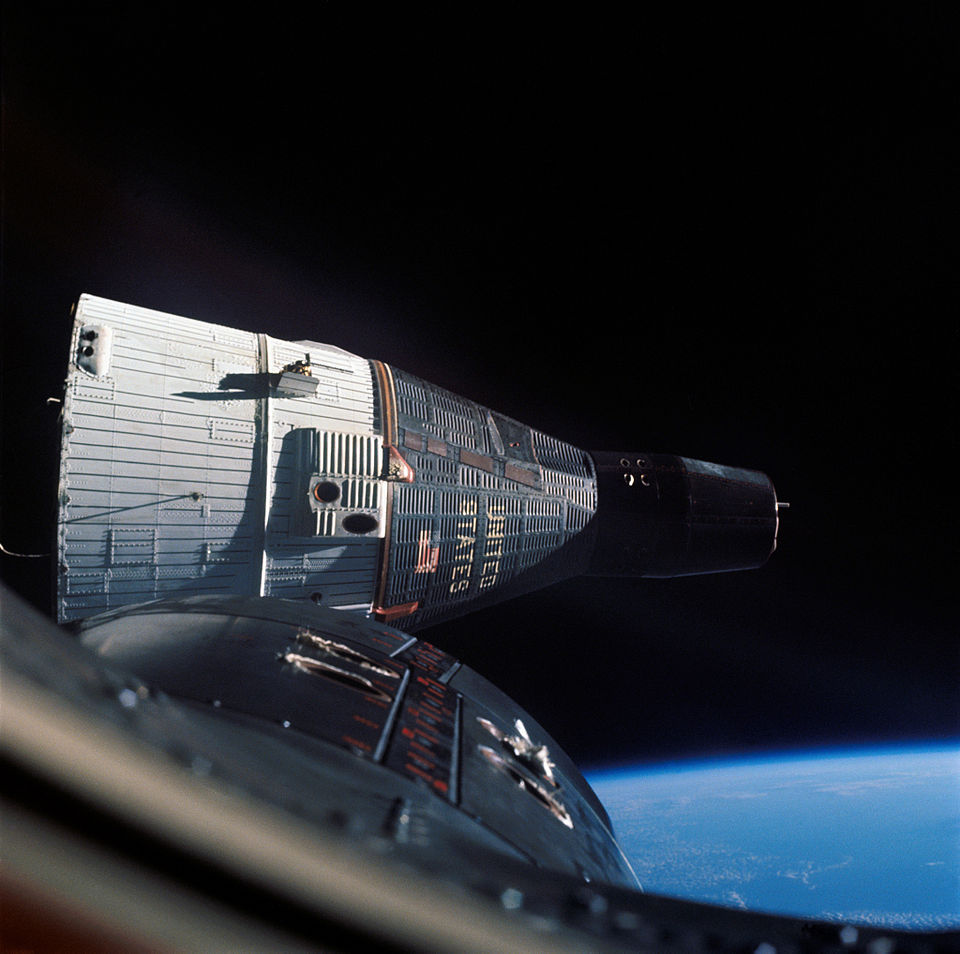
Collision avoidance is no longer an occasional housekeeping task. It is routine. Samantha Lawler noted that one megaconstellation was averaging one collision-avoidance maneuver every two minutes. That figure captures the shift from passive orbiting to continuous traffic response.
Other spacecraft face the same pressure at a different scale. The International Space Station has performed dozens of debris avoidance maneuvers over its lifetime, and European spacecraft regularly conduct several each year. What was once contingency planning now functions as baseline orbital maintenance.
7. A collision at lower altitude would not end orbital use, but it would reshape it
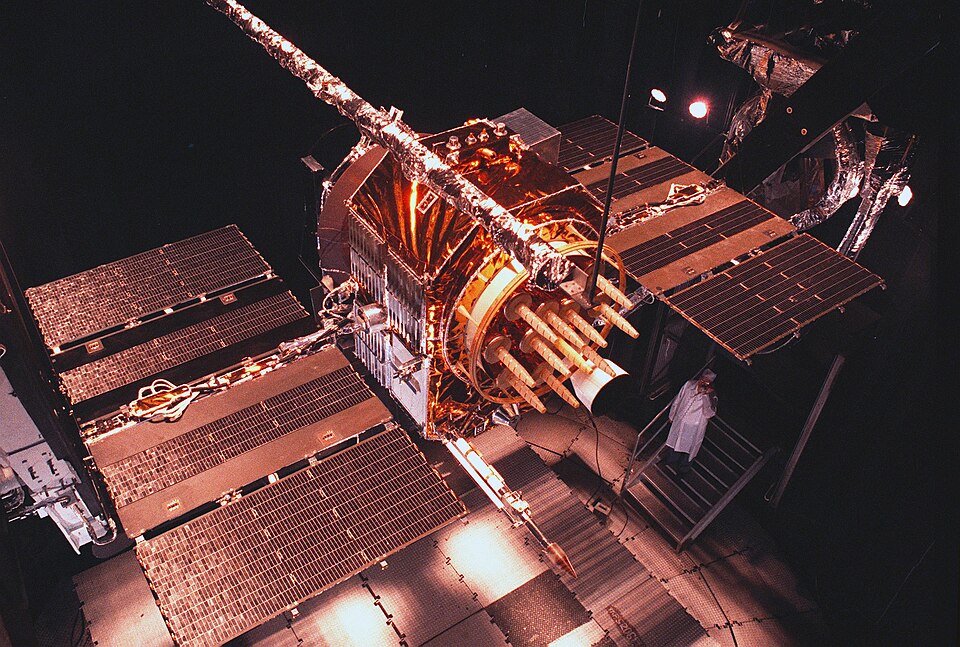
A destructive impact near 550 kilometers would not make low Earth orbit instantly unusable. Debris at that altitude experiences atmospheric drag, so much of it would eventually reenter over a period of years rather than remain for centuries.
Still, the short- and medium-term consequences would be severe: more evasive maneuvers, more uncertainty, greater propellant use, and higher replacement rates for damaged spacecraft. Below 600 kilometers, nature helps clean up. Between roughly 800 and 900 kilometers, the debris burden can linger for generations.
8. The real vulnerability is dependence on flawless coordination
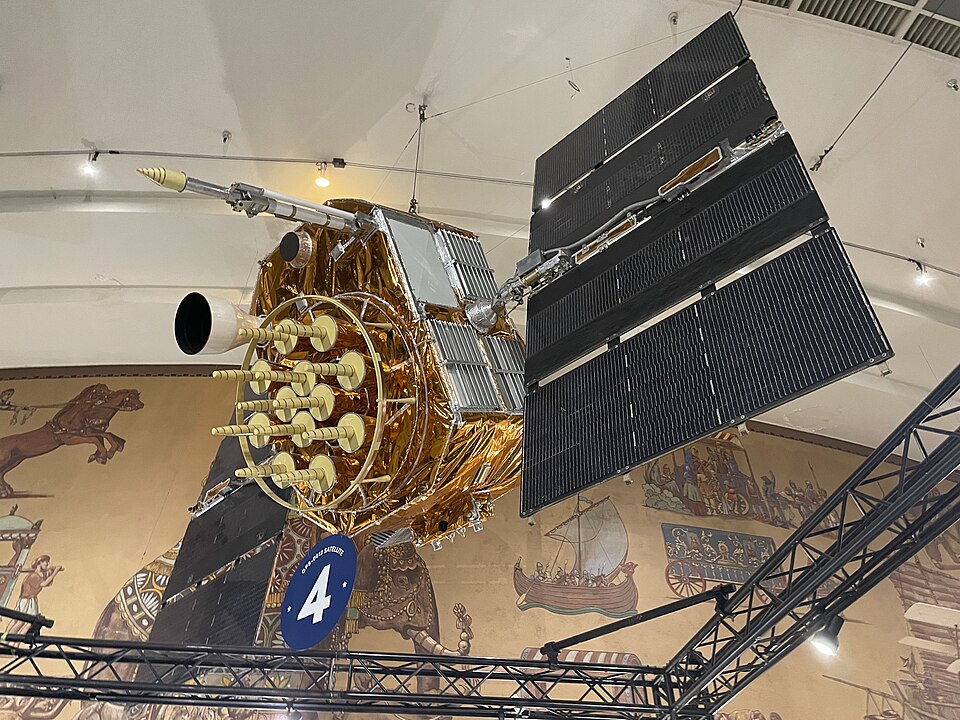
The strongest message in the reference material is not that collapse is inevitable. It is that the system works only under near-continuous, near-errorless management. Software faults, communication outages, poor data sharing, and delayed debris cataloging all cut into a margin that is already thin.
That is why the chain-reaction concern is best understood as a systems-engineering problem. Crowding, uncertain tracking, solar weather, and fragmented coordination do not need to fail for long before they start reinforcing one another.
9. Engineering fixes exist, but they all reduce density or uncertainty
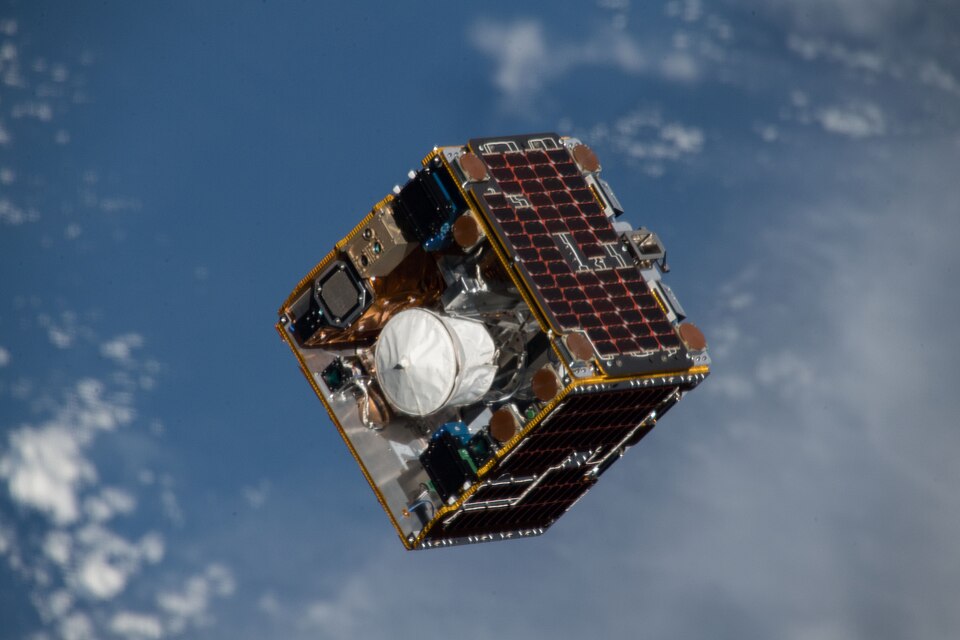
The available remedies are straightforward in principle even if difficult in practice: place fewer objects in the same shell, reduce spacecraft cross-sectional area, improve tracking and maneuver-data sharing, and remove satellites promptly at end of life. Those steps all target the same equation by reducing collision probability or the duration of exposure.
Policy also matters because launch approvals, spectrum access, and disposal standards shape how fast orbital congestion grows. A crowded environment can still function, but only if technical operations and governance evolve at the same pace.
Low Earth orbit is not on the verge of turning into a cinematic wall of debris. The stronger and more credible warning is narrower than that, and more useful: the region has become a high-speed infrastructure layer with very little tolerance for interruption.
If the present trajectory continues, the first serious failure will matter less as an isolated accident than as proof that orbital traffic has outgrown the safety margin that once made low orbit forgiving.


