A precision rifle can erase many equipment problems, but it cannot erase shooter input. Once distances stretch, small inconsistencies that barely show at 100 yards start opening groups, shifting impacts, and turning solid ballistic data into unexplained misses.
Long-range accuracy usually falls apart for familiar reasons. Wind gets read at one point instead of across the shot, the rifle is not truly settled, parallax gets ignored, or recoil management breaks the shooter’s ability to watch the shot. The rifle may still be excellent. The process is not.

1. Treating wind like a single number
Wind remains the biggest long-range spoiler because it almost never holds one speed or one angle from muzzle to target. Terrain bends airflow, open ground accelerates it, and canyons create swirls that behave more like water moving around rocks than a steady crossbreeze. A shooter who only checks conditions at the firing point is often solving the wrong problem. That matters because a 45° wind carries about 70.7% of full-value drift, not half. Full-value wind comes from 3 or 9 o’clock, while headwinds and tailwinds add little lateral drift. Mirage, grass, dust, and tree movement all help build a better call, but the hardest part is accepting that wind is a pattern-reading exercise, not a single quick guess.
2. Failing to confirm zero before stretching distance
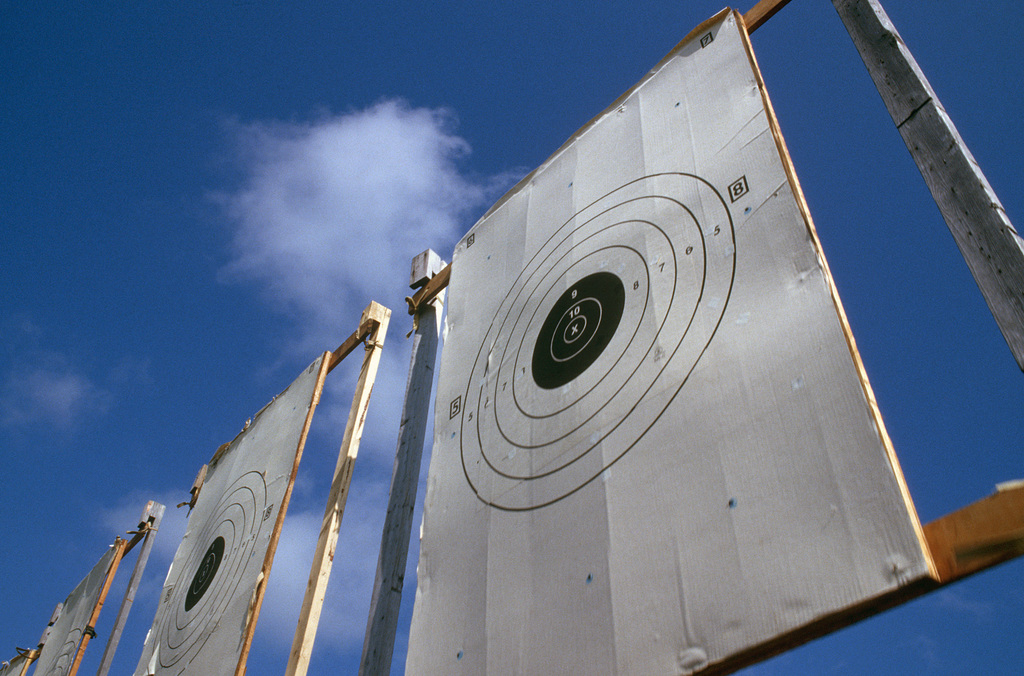
Many misses blamed on drop charts or bad luck start with a zero that was assumed instead of verified. A scope can get bumped, action screws can shift, ammunition lots can vary, and a rifle that was centered weeks ago may no longer be centered today. Long-range shooting magnifies that error. A tiny point-of-impact shift at 100 yards becomes a large correction problem farther out, and the shooter starts chasing misses with turrets or wind holds that were never the real issue. A solid routine is simple: verify zero with a group, not a single shot, before moving to distance.
3. Ignoring parallax because the scope image looks sharp
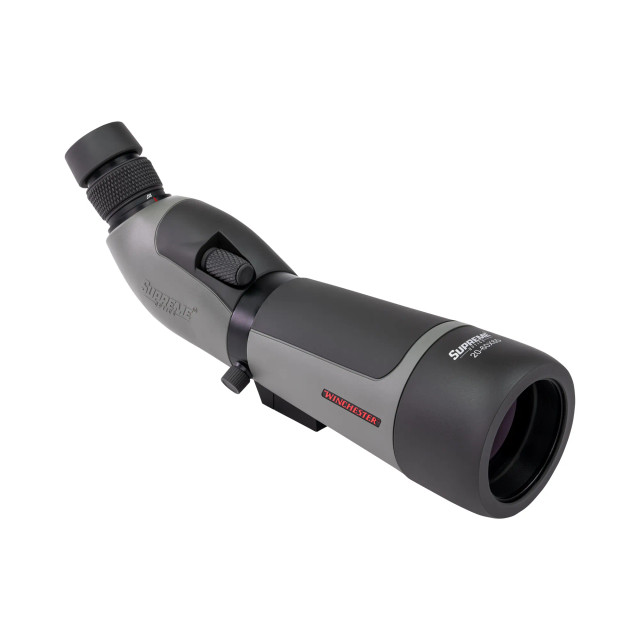
A clear target image does not guarantee a parallax-free sight picture. Those are not the same thing. If the reticle appears to move across the target when the shooter shifts eye position, the shot can break with the crosshair visually centered while the rifle is actually pointed somewhere else. At long range, that error grows fast. Several references describe parallax as something that should be checked whenever distance changes, and the reliable test is visual, not the number on the knob. The shooter settles the rifle, shifts the head slightly, and confirms that the reticle stays glued to the aiming point. The dial marking is only a reference.
4. Building the rifle position with muscle instead of structure
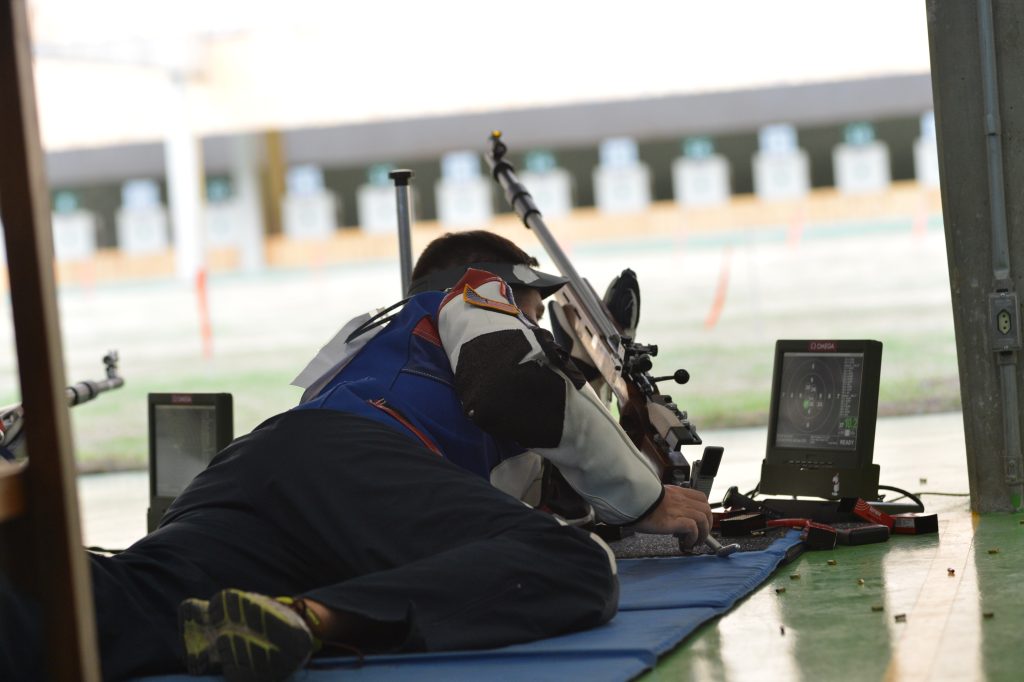
An unstable rest does not have to look dramatic to ruin a shot. The front support may slide under recoil, the rear support may be inconsistent, or the shooter may be holding the rifle on target with tension instead of letting the body and bags naturally support it. This is where natural point of aim becomes critical. If the crosshair drifts off target the moment the shooter relaxes, the body is fighting the rifle. Long-range fundamentals work best when the rifle points naturally at the target, recoil tracks straight back, and the support system does not need to be rebuilt after every shot. Consistency beats effort.
5. Breaking the trigger differently from shot to shot
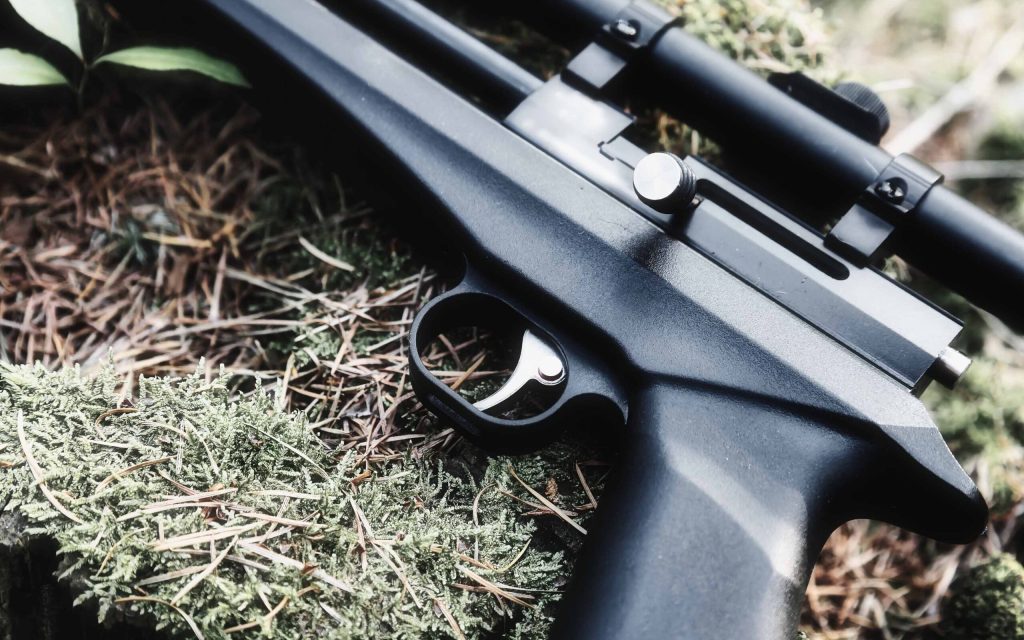
Trigger control problems often hide inside otherwise good groups until distance exposes them. A rushed slap, a sideways press, or a recoil-anticipating jerk may only look like a minor miss at short range, but farther out it becomes unexplained horizontal or vertical spread. The correction is not complicated, but it is demanding: press the trigger straight to the rear and keep the rest of the rifle undisturbed. Dry-fire work remains one of the most efficient ways to catch reticle movement at the break. As one source noted, poor trigger work that seems small at 100 yards can become a complete miss several hundred yards later.
6. Letting recoil knock the shooter out of the shot
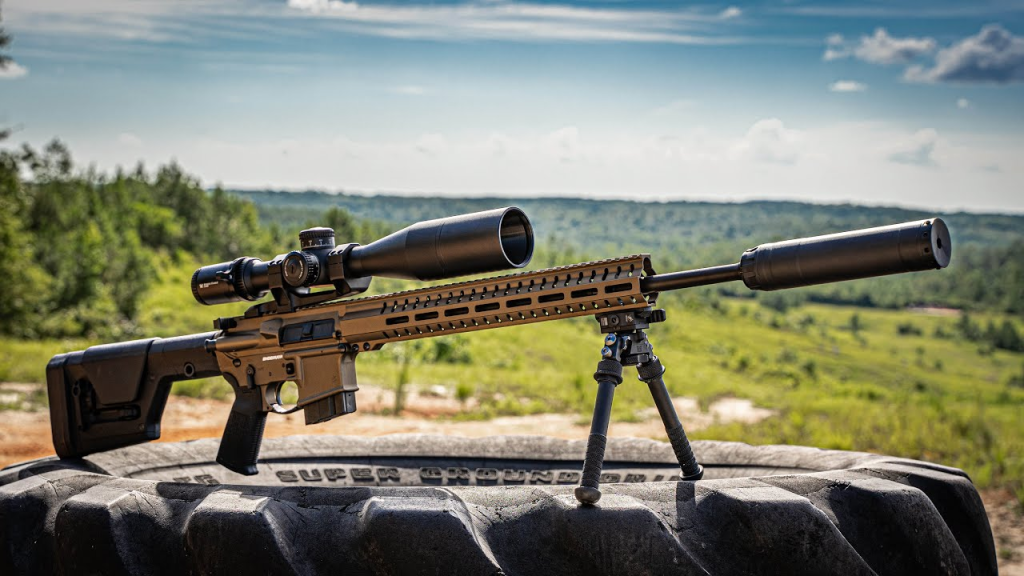
Good long-range shooters do more than fire accurately. They stay in the rifle long enough to see what happened. Poor recoil management breaks that chain. When the body is not square behind the gun, shoulder pressure changes between shots, or the rifle is allowed to jump unpredictably, the shooter loses the second sight picture and often loses the correction for the next shot too.
That is why consistent shoulder contact and follow-through matter so much. A shooter should not lift off the stock the instant the trigger breaks. Effective recoil management helps the rifle return naturally, keeps the target in the optic, and lets the shooter read impact instead of guessing. As explained in proper recoil management, the body should absorb and distribute recoil so the rifle can be reacquired quickly and predictably.
7. Feeding the ballistic solver bad information
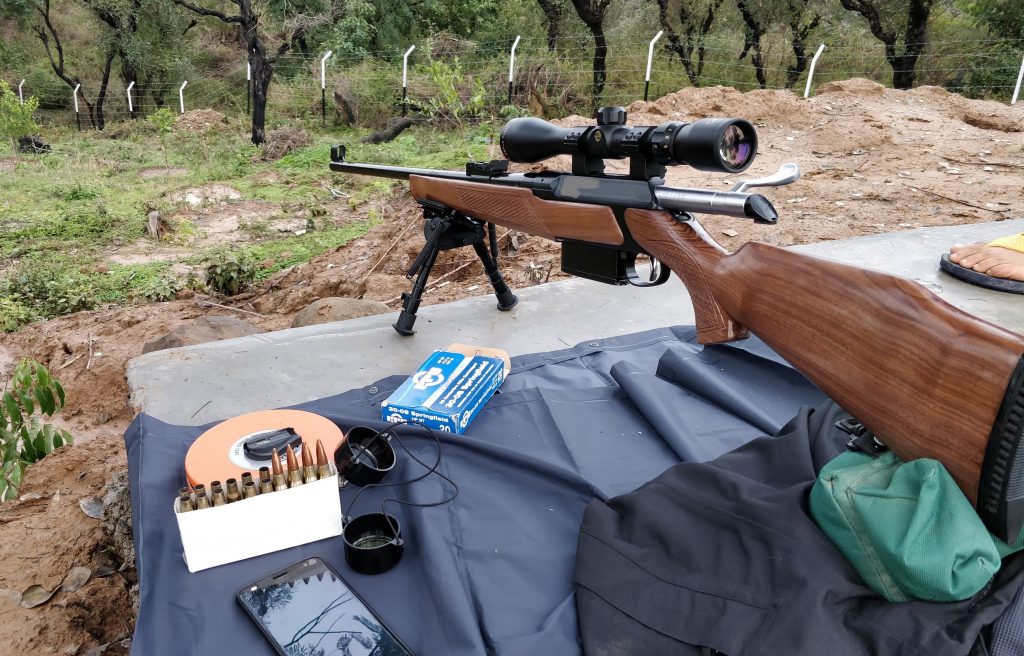
Ballistic apps are extremely useful, but they are not magic. If the shooter inputs the wrong muzzle velocity, stale atmospheric conditions, or generic ammunition data, the solution can look precise while being wrong in the field. Velocity consistency matters more than many shooters realize because high extreme spread and standard deviation increase vertical dispersion downrange. Factory velocity figures are only approximations, and temperature, pressure, and altitude change drag enough to move impacts noticeably.
A good process uses a chronograph, updates environmental inputs, and confirms trajectory with actual shots instead of trusting a calculator blindly. Long-range misses rarely come from one dramatic mistake. More often, they come from several small ones stacking together: a soft wind call, a lazy parallax check, a drifting zero, a rushed trigger press. That is also the good news. Most of these problems are fixable without changing rifles. When the shooter tightens the process, a great rifle finally gets the chance to show what it can really do.


