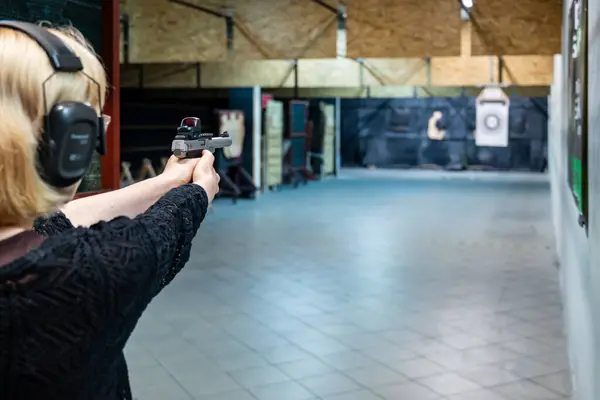
Lightweight polymer pistols solve a real problem. They are easier to carry, easier to live with, and in many cases entirely reliable within the role they were built for. Trouble starts when a carry-focused handgun gets treated like a full-size training gun and pushed through long sessions where heat, fouling, fatigue, and recoil management all stack up. That shift is where control starts to fade. Not because polymer is inherently inadequate, but because low mass, compact dimensions, and abbreviated operating systems ask more from the shooter and the pistol at the same time.
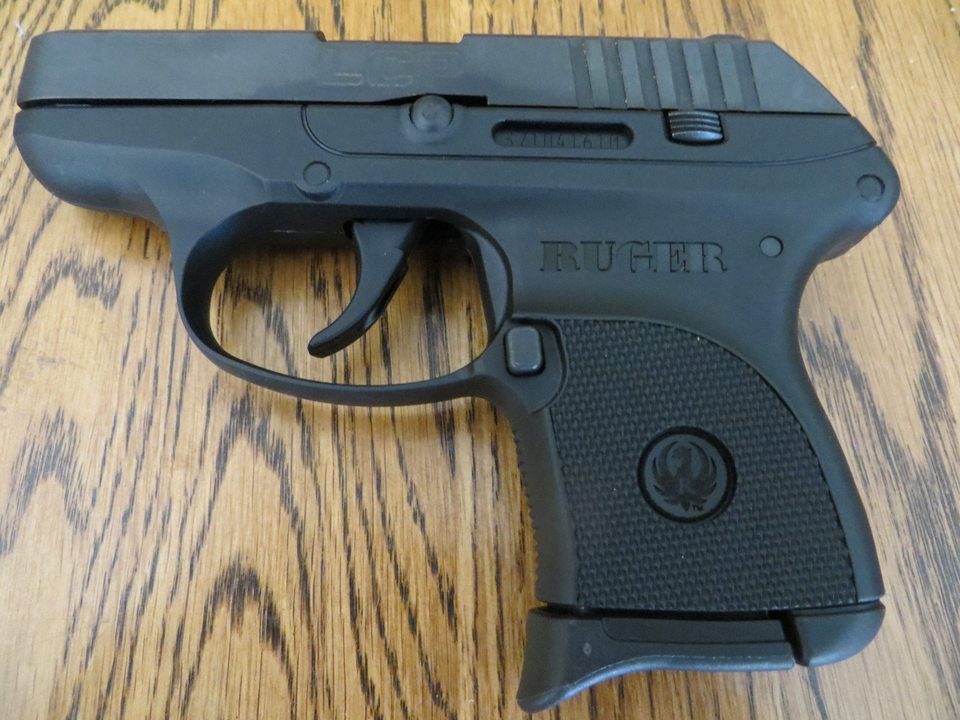
1. Less mass leaves more recoil energy for the shooter to manage
The simplest reason is weight. A lighter pistol moves more when the shot breaks, and that movement shows up as sharper muzzle rise, more disruption in the hands, and a slower visual return to the sights. As one experienced comparison put it, “the heavier gun will have less felt recoil” when geometries are similar. That does not mean every steel-frame gun shoots softer than every polymer gun. Grip shape, slide weight, caliber, and bore axis all matter. But across long strings, lighter guns demand more grip pressure and more consistency because they do less of the damping on their own.
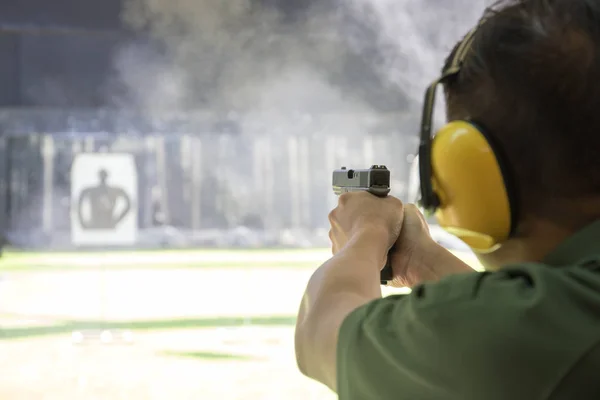
2. Small grip frames magnify fatigue over time
Control loss often starts in the hand, not in the frame material itself. Compact polymer pistols usually have shorter, thinner grips, and those dimensions create pressure points that become more noticeable as round counts climb. What feels manageable for two magazines can become slippery, stingy, or unstable after a few hundred rounds. In user reports, pistols with narrow or abbreviated grips were often described as jumpier or harsher even when chambered for modest cartridges. That tracks with the broader observation that ergonomics strongly shape perceived recoil, because the way the pistol fits the hand determines how evenly force is distributed.
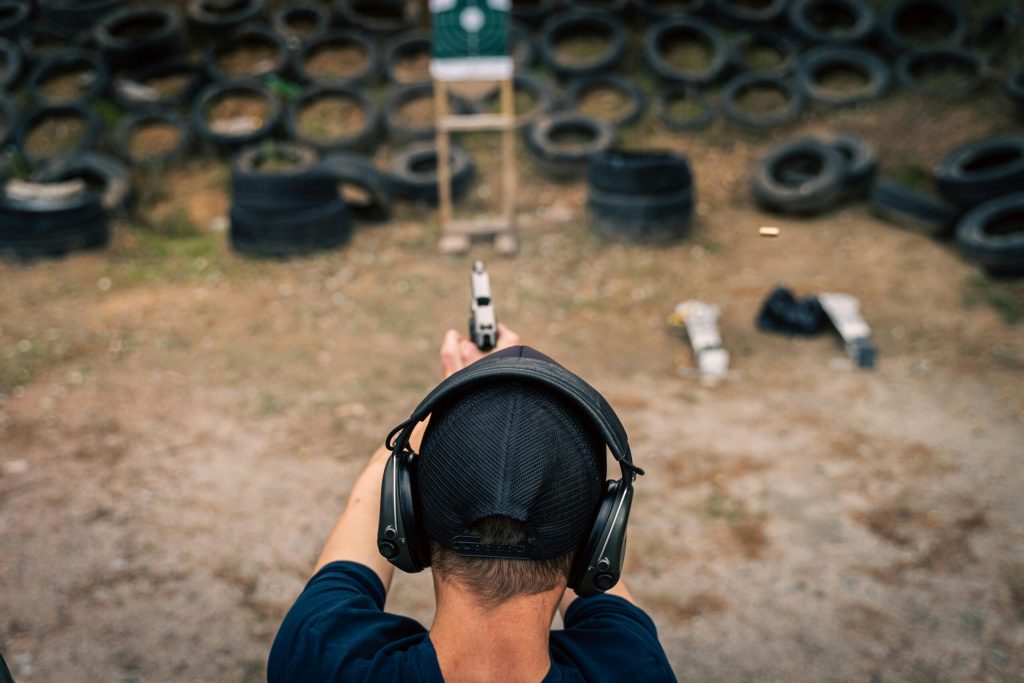
3. Bore axis and geometry matter as much as material
A lightweight polymer pistol with a favorable grip angle and low bore axis can feel more controlled than a heavier pistol with less efficient geometry. Recoil that tracks straight back is easier to manage than recoil that torques the wrist upward. That is why shooters often disagree when debating polymer versus metal frames: they are usually comparing entire systems, not just frame materials. The key point is that long sessions expose geometry flaws faster. A pistol that twists slightly in the hand will keep doing it every shot, and repeated correction costs both speed and precision.
4. Heat and fouling hit compact operating systems harder
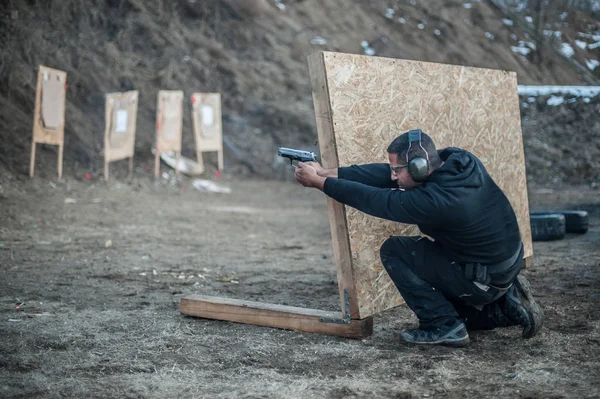
Long sessions do not only test recoil control. They also test how much tolerance a pistol has for dirt, heat, and spring stress. Several compact pistols discussed in endurance-focused coverage began showing failures to feed, extract, or return to battery once fouling built up and temperatures rose. That pattern appeared in models with light slides, short recoil systems, and tightly constrained timing windows, including examples where high-round-count sessions expose cycling limits. When that starts happening, the shooter often perceives the gun as getting harder to control even before a stoppage occurs. The recoil impulse changes, the slide feels sluggish or abrupt, and confidence in the return-to-sight picture drops. Over a long day, reliability and controllability begin feeding the same problem.
5. Ammunition choice changes recoil character more than many expect
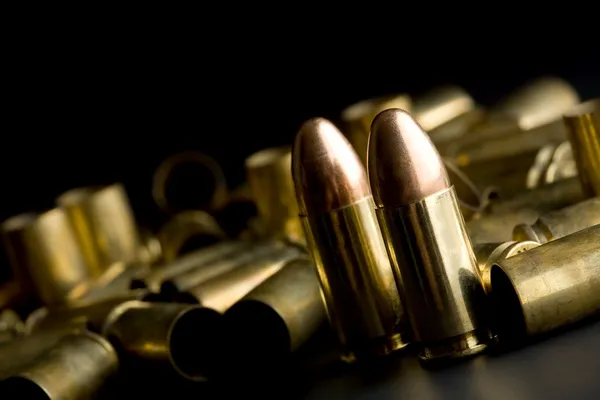
Bullet weight does not usually transform pistol accuracy at ordinary handgun distances, but it can change how the gun feels in recoil. Testing with multiple 9mm loads found no major shift in practical group sizes at typical ranges, yet experienced shooters still expressed different preferences based on impulse and return-to-target behavior, including different recoil feel across grain weights. Lighter bullets tend to run faster, while heavier bullets often feel like more of a straight-back push. In a light polymer frame, that difference becomes easier to notice because there is less gun weight masking it. During long sessions, a load that feels merely “snappy” at the start can become tiring and disruptive later.
6. Lightweight pistols punish imperfect technique
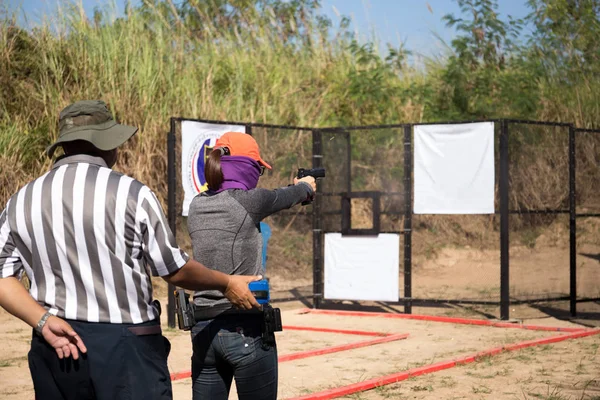
Heavier handguns are often described as more forgiving. That description is less about comfort than about error tolerance. A pistol with more mass and inertia can hide minor lapses in support-hand pressure, wrist tension, or grip consistency. A lighter gun usually does not. Competitive experience reinforces the point. In one match comparison, a shooter switching from a steel-frame pistol to a polymer version saw looser hits even with similar stage performance, concluding that the lighter pistol required more shooter input to keep clean results. That trade-off was described clearly in match experience comparing steel and polymer frames. On long practice days, that demand accumulates.
7. Slide speed can feel abrupt in low-weight platforms
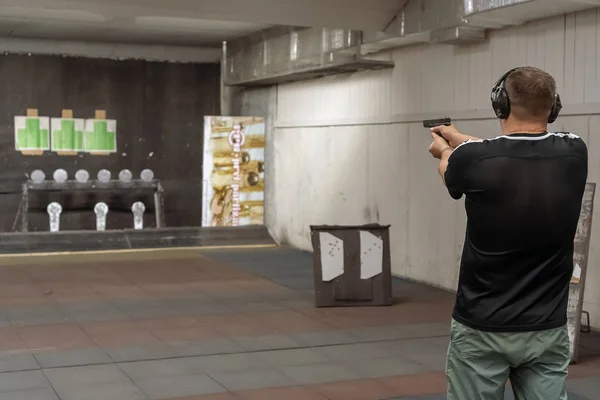
A lightweight pistol often cycles with a faster, sharper sensation. Even when the gun is functioning normally, the reciprocating mass can feel more violent because the shooter has less total weight stabilizing the system. That is part of why some compact pistols feel “snappy” despite firing ordinary service calibers. As the session stretches on, faster-feeling slide movement can make sight tracking less predictable. The sights may not actually be moving farther, but they can be harder for the shooter to read consistently under fatigue.
8. Long sessions reveal what the pistol was designed to be
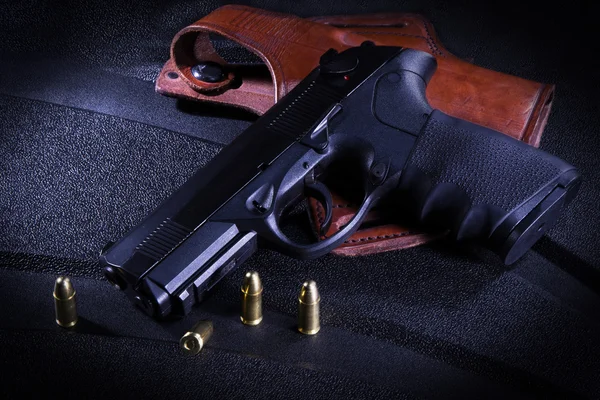
Many lightweight polymer pistols were engineered first as carry guns, not range workhorses. That is not a flaw. It is a design priority. Thin slides, abbreviated grip frames, reduced overall mass, and compact spring systems all make sense when comfort, concealment, and portability come first.
What those same decisions do not always support is sustained, high-volume shooting. Once round counts rise, the shooter feels more recoil, the hands tire faster, and the pistol has less margin for heat and fouling. At that point, the issue is not that polymer has failed. It is that the user has crossed from the pistol’s intended mission into a role where light carry efficiency and long-session control stop aligning.
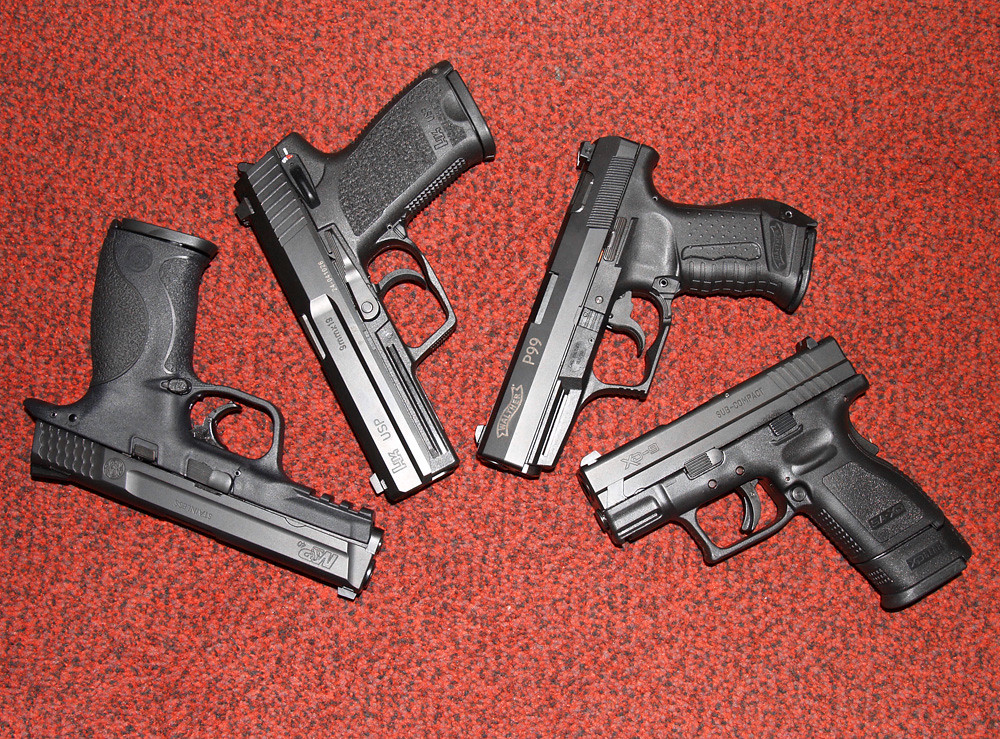
That is why lightweight polymer pistols can seem to lose control in long range sessions. The frame material is only one part of the story, but low mass amplifies every other variable: grip fit, bore axis, ammo impulse, shooter technique, heat, and endurance. When the gun gets lighter, the shooter has to get better, fresher, and more consistent to keep the same result.


