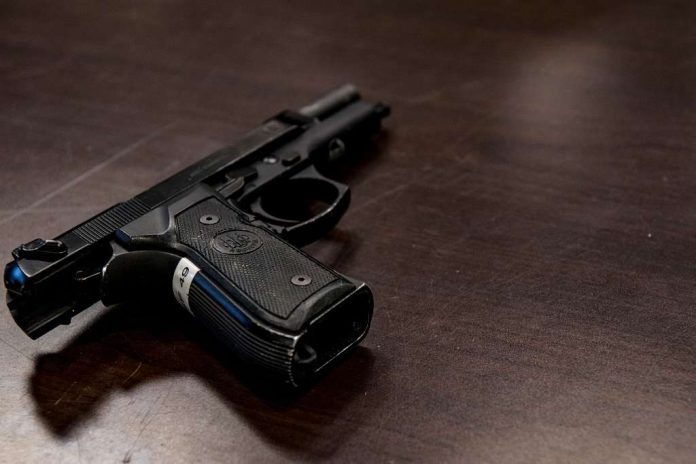
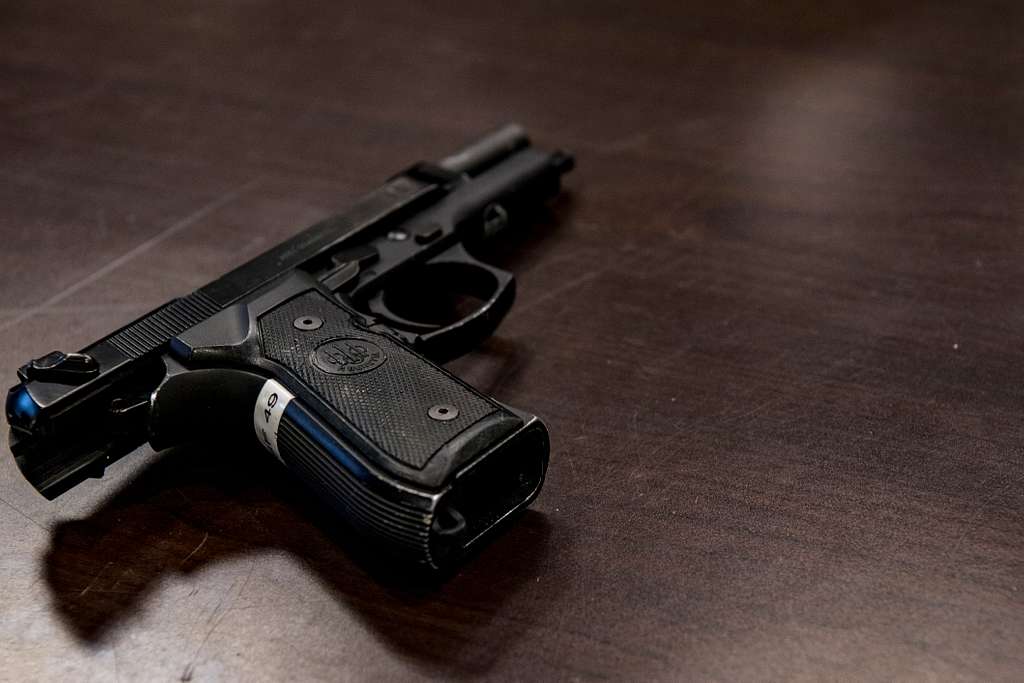
Handgun caliber debates tend to sound simple right up until testing data gets involved. Once penetration, expansion, ignition reliability, recoil recovery, and short-barrel performance are put on the table, several familiar rounds start looking far less convincing as everyday defensive choices.
The bigger point is not that any one cartridge carries mythical “stopping power.” Modern defensive handgun evaluation revolves around whether a load can reliably reach useful depth in 12 to 18 inches of calibrated ballistic gelatin, while still functioning dependably and remaining controllable under stress. That standard pushed the conversation away from caliber slogans and toward measurable performance.
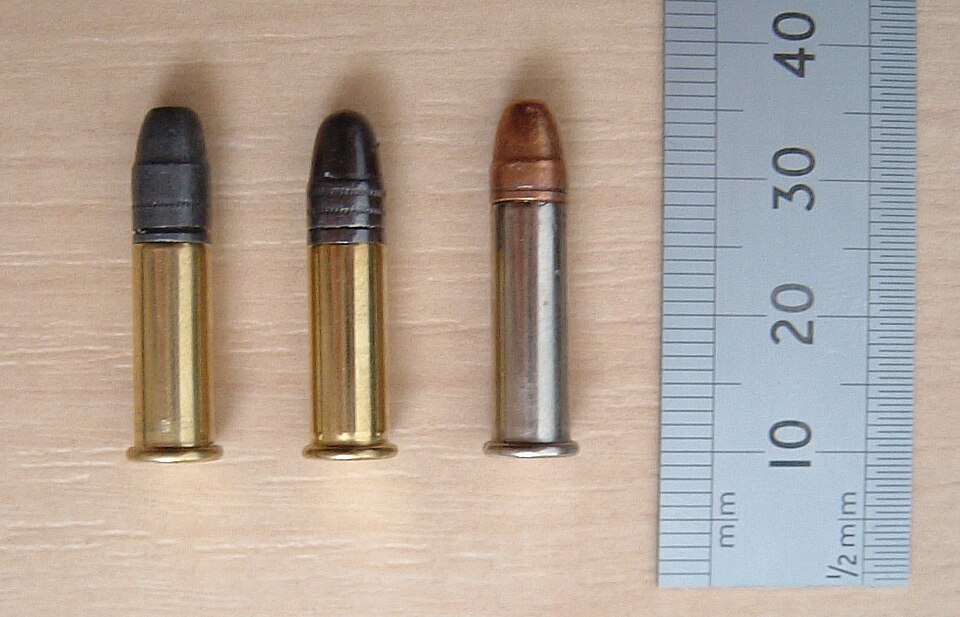
1. .22 Long Rifle
The .22 LR keeps showing up in defensive conversations for obvious reasons: low recoil, low noise, and easy practice. The trouble is that its rimfire design brings a reliability handicap that centerfire carry ammunition does not. Even before terminal performance is discussed, ignition consistency is already working against it. Penetration is the second problem. Many .22 LR loads struggle to reach the depth expected of serious defensive ammunition, especially through clothing or from very short barrels. Some modern loads perform better than older examples, but the cartridge still lives close to the margin. In practical terms, that means the round may work, yet it offers less certainty when the target angle, clothing, or shot placement is less than ideal.
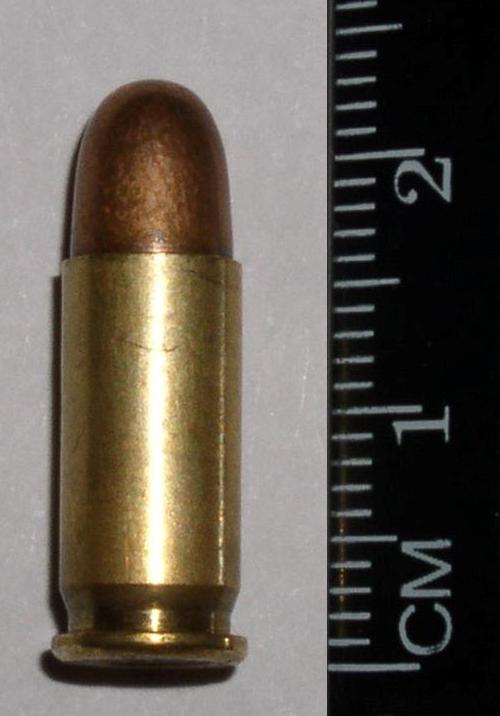
2. .25 ACP
The .25 ACP was originally valued because it offered centerfire ignition in tiny pistols, but that advantage has aged badly. Today, it gives up too much energy and too much terminal effect for the size of gun it usually comes in. Its old pocket-pistol ecosystem is part of the problem. Many .25 ACP handguns wear tiny sights, awkward controls, and minimal practical shootability. The cartridge also tends to fall short in penetration, with some hollow-point loads stopping well before accepted defensive benchmarks. In Greg Ellifritz’s collected shooting data, 35% of people shot with .25 ACP were not incapacitated, a figure that helps explain why the caliber has largely been displaced.
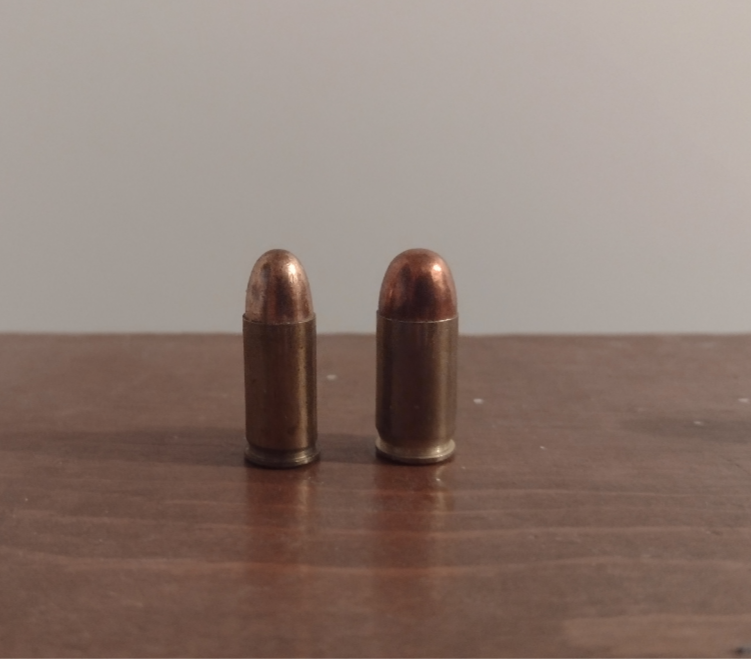
3. .32 ACP
The .32 ACP is easy to shoot, and that has always been its strongest argument. Soft recoil matters, particularly for shooters who struggle with sharper-kicking pistols. Still, the ballistic ceiling remains low. Typical .32 ACP performance sits much closer to rimfire and subcompact cartridges than to modern service rounds, and expansion can be inconsistent after passing through clothing. The cartridge often asks the user to trade too much depth and disruption for mild recoil. That makes it understandable for recoil-sensitive carriers, but hard to call ideal when stronger options now fit into similarly compact handguns.
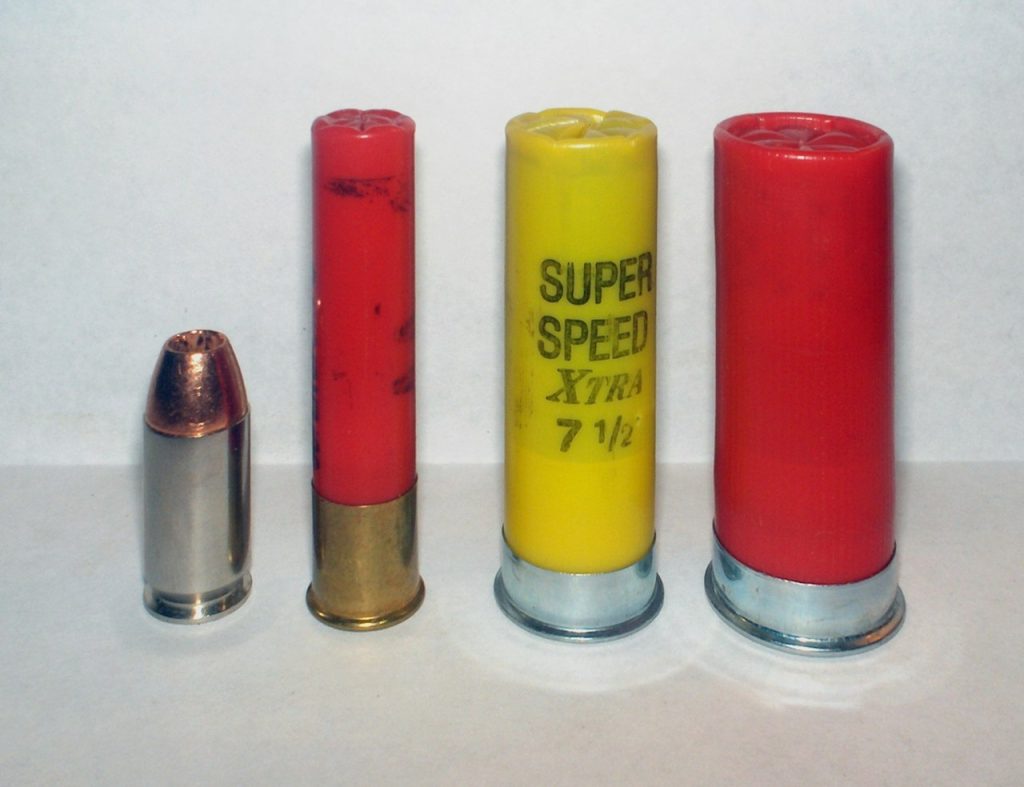
4. .410 Shotshell From Handgun Revolvers
The appeal of .410 revolvers comes from the promise of shotgun-style spread in a handgun-sized package. In actual defensive distances, that promise is often overstated. Short barrels cut velocity hard, and birdshot loads lose authority quickly. Pattern spread can also become a liability rather than an advantage, particularly as distance stretches across a room or beyond it. Some buckshot loads perform better at close range, but the platform still asks the shooter to accept bulky guns, uneven patterns, and compromised handgun accuracy when firing conventional cartridges from the same revolver.
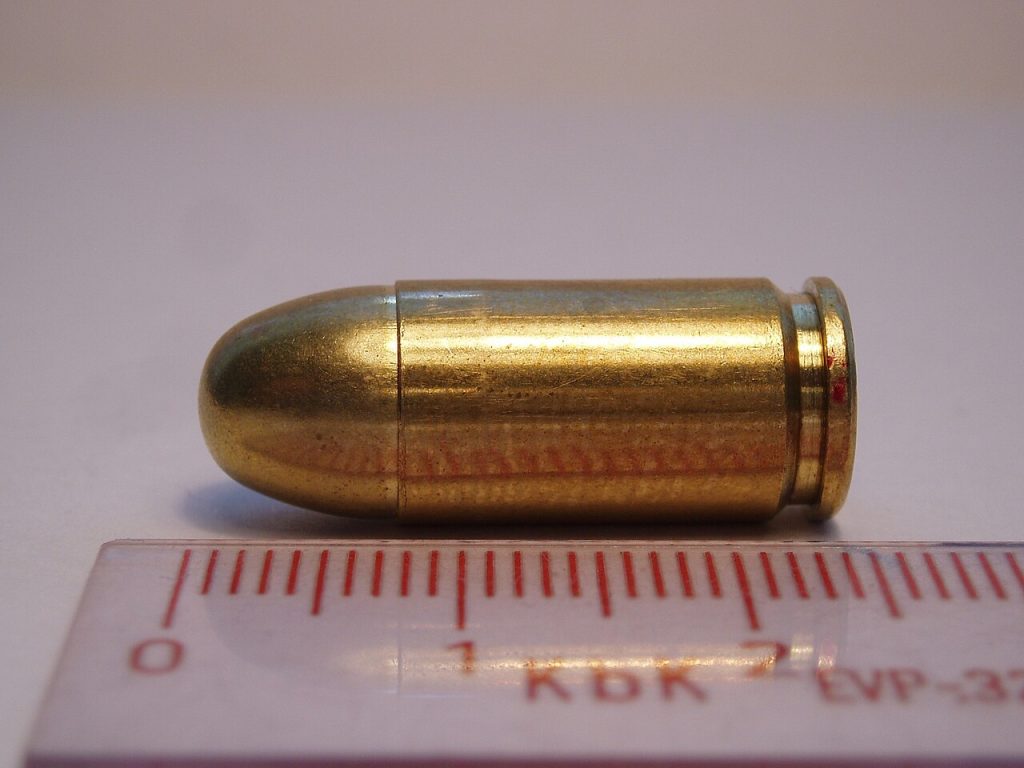
5. Weak .380 ACP Loads
.380 ACP is not automatically a poor defensive caliber. The warning applies to underperforming loads, especially those that expand too quickly and fail to penetrate deeply enough from short-barreled pistols. That distinction matters. Ammunition design has improved dramatically because FBI protocol testing reshaped handgun bullet development, and some .380 loads now do respectable work. But the cartridge remains close to the edge, so load choice matters more here than it does with stronger service calibers. Carriers using .380 need ammunition that balances expansion with adequate depth, rather than chasing the biggest recovered bullet diameter.
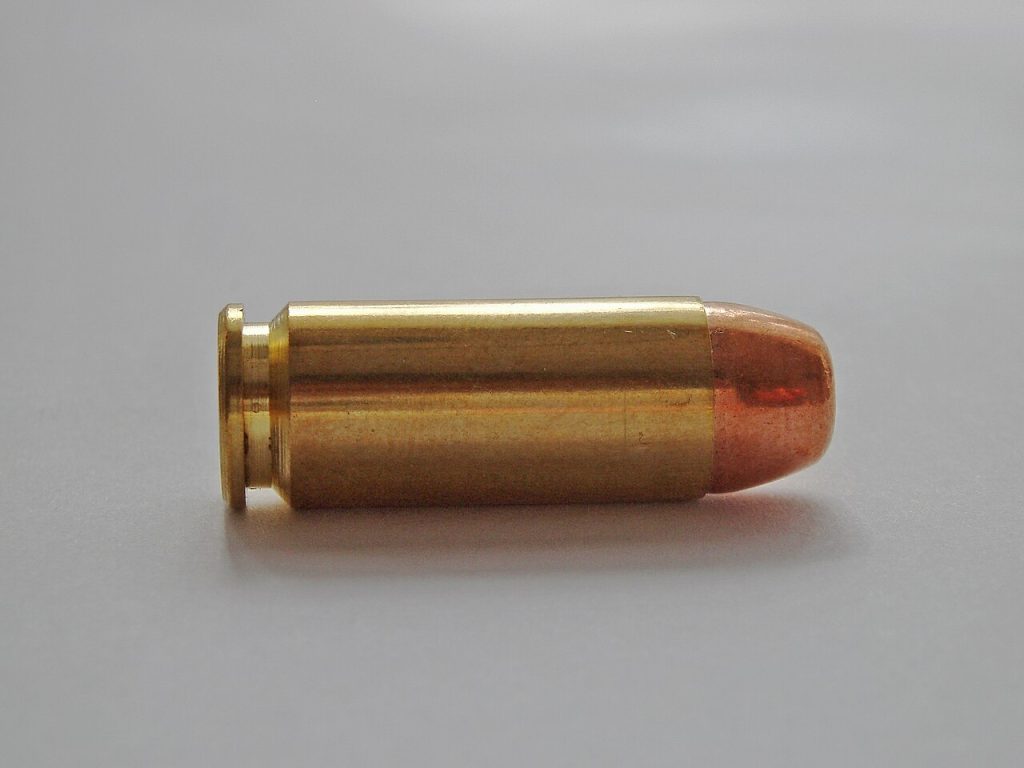
6. 10mm Auto for Routine Concealed Carry
10mm Auto is not weak. Its issue is that its strengths often exceed the needs of routine concealed carry while adding recoil, blast, and recovery time. For defense against large animals, deep penetration is a major asset. For common civilian carry, the extra power can become a tradeoff.
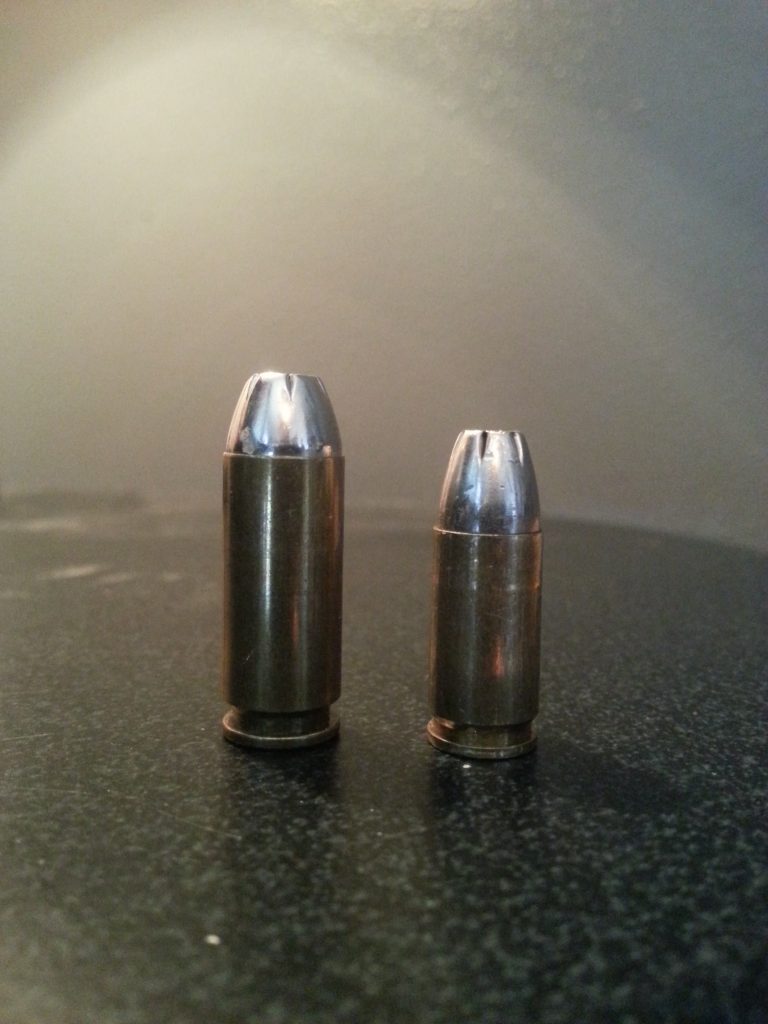
Some optimized 10mm defensive loads perform in ways that narrow the real-world gap with .40 S&W-class results, while still imposing a heavier recoil burden. As Dr. Vincent DeMaio put it, “It’s where you hit them and how many times you hit them”, a reminder that shootability and repeatable hits matter at least as much as raw energy.
7. .38 Special From Ultra-Short Barrels
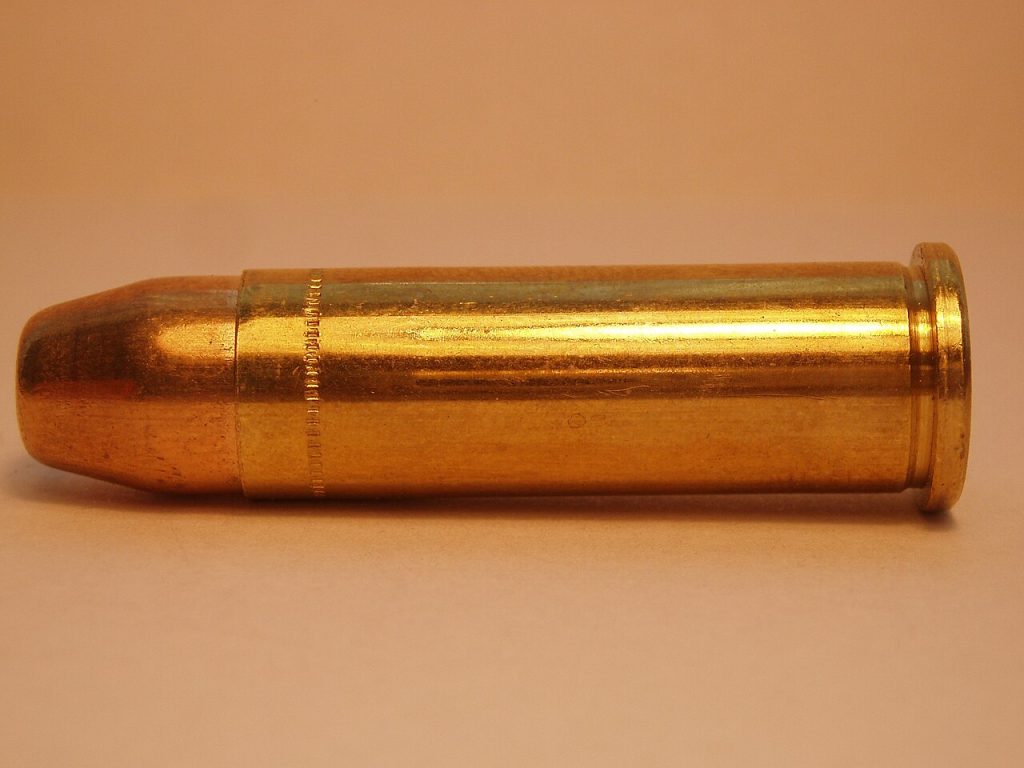
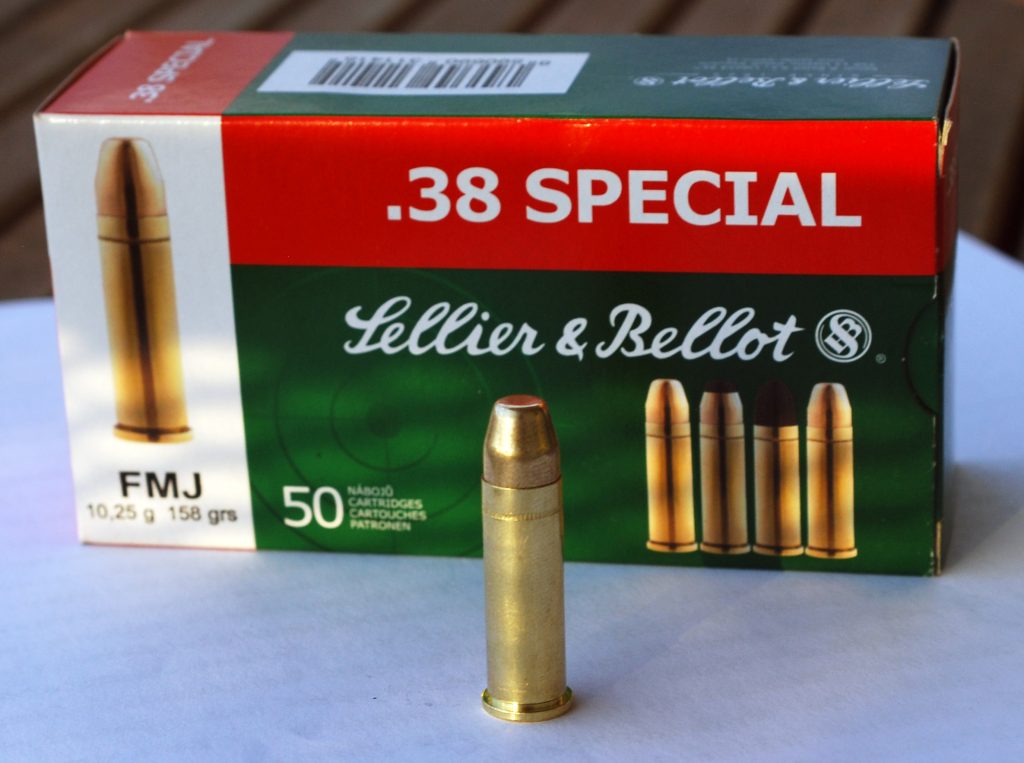
The .38 Special has a long defensive record, but barrel length changes the story. Once the revolver shrinks to ultra-short dimensions, velocity drops enough to interfere with hollow-point expansion and dependable penetration. That is why snub-nose revolver ammunition has become its own category. The old assumption that any .38 load will behave the same from any revolver no longer holds up under gel testing. Some short-barrel-specific loads can help, but the shooter still ends up balancing recoil, limited capacity, and reduced ballistic performance from very small guns. The cartridge remains viable; the ultra-short platform is where physics starts collecting payment.
These cartridges and load types are not useless. The pattern is that each one demands a sharper compromise in reliability, penetration, recoil control, or platform performance than many carriers realize at first glance. Modern ammunition testing has made the real lesson clearer: caliber labels matter less than whether a given load can perform consistently after clothing and common barriers while staying controllable in the gun that fires it. For defensive handguns, penetration through standardized test events remains the baseline, and shot placement still decides the outcome more than caliber mythology ever did.


