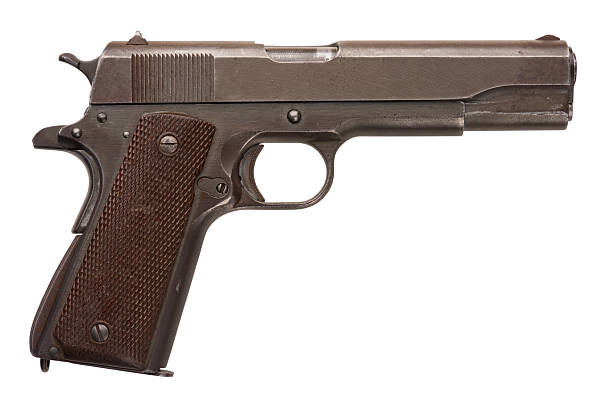
Handgun debates often collapse into slogans. The more useful question is not which cartridge wins an argument, but which one stays predictable when reliability, penetration, recoil control, and realistic carry use all matter at once. That is where several familiar rounds begin to show their limits. Ballistic gelatin remains a comparison tool rather than a full replica of human anatomy, but the 12-to-18-inch penetration standard still offers a practical benchmark for judging whether a handgun load has enough margin when clothing, angles, and imperfect hits complicate the shot.
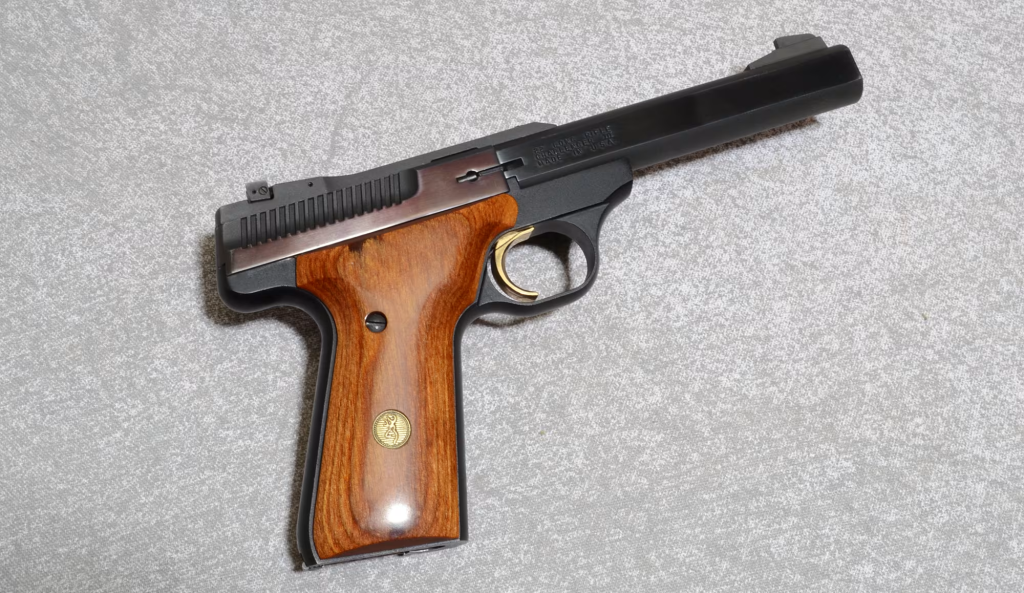
1. .22 Long Rifle
The .22 LR remains popular because recoil is light, ammunition is common, and compact pistols can be easy to carry. Its weakness is structural. As a rimfire cartridge, it is generally less ignition-reliable than centerfire designs, a problem that matters more in defensive use than in practice or plinking. Terminal performance is the second concern. Many loads struggle to meet the FBI-style penetration window, especially after heavy clothing. Some premium rounds do better, but the caliber usually offers very little margin for error when shot placement is less than ideal.
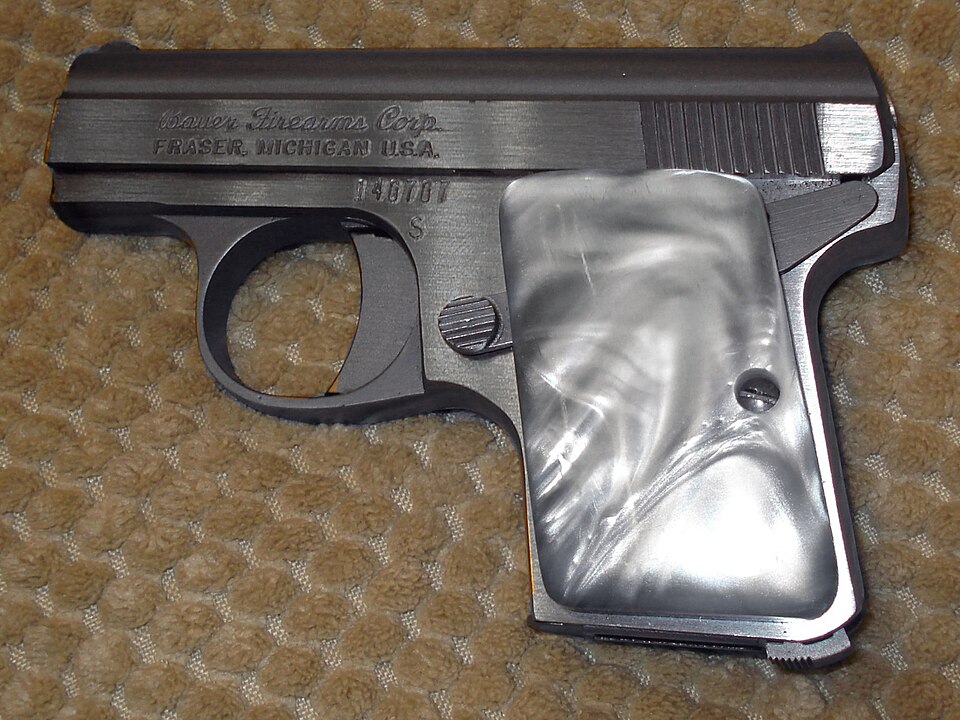
2. .25 ACP
The .25 ACP was originally meant to improve on rimfire reliability by using centerfire ignition in very small pistols. It generally does that, but the ballistic gain is limited. Typical energy levels are modest, and many hollow points fail to deliver meaningful expansion or enough depth to compensate. There is also a platform problem. Many .25 ACP pistols are tiny, have minimal sights, and are harder to shoot well than their size suggests. In practical terms, modern micro pistols in stronger chamberings have largely erased the old reason for settling on this cartridge.
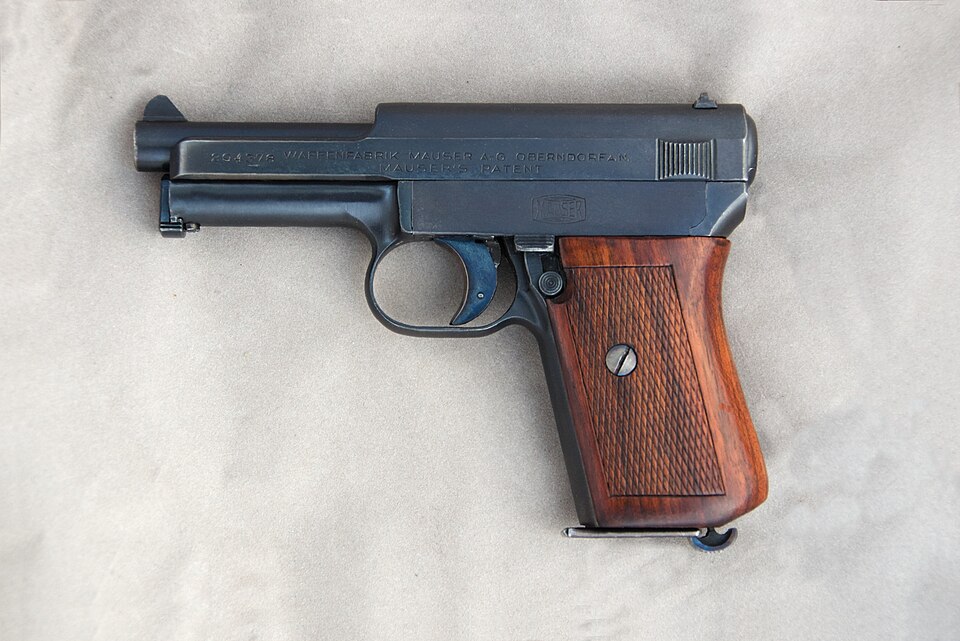
3. .32 ACP
The .32 ACP sits in an awkward middle ground. Recoil is manageable, and classic pistols chambered for it remain well known, but current defensive standards have moved past what the cartridge consistently delivers. Expansion through fabric can be erratic, and when expansion does not happen, the small bullet diameter leaves limited effect. Ammunition selection is also narrower than with more common carry calibers, which reduces the odds of finding a load tuned for modern defensive expectations.
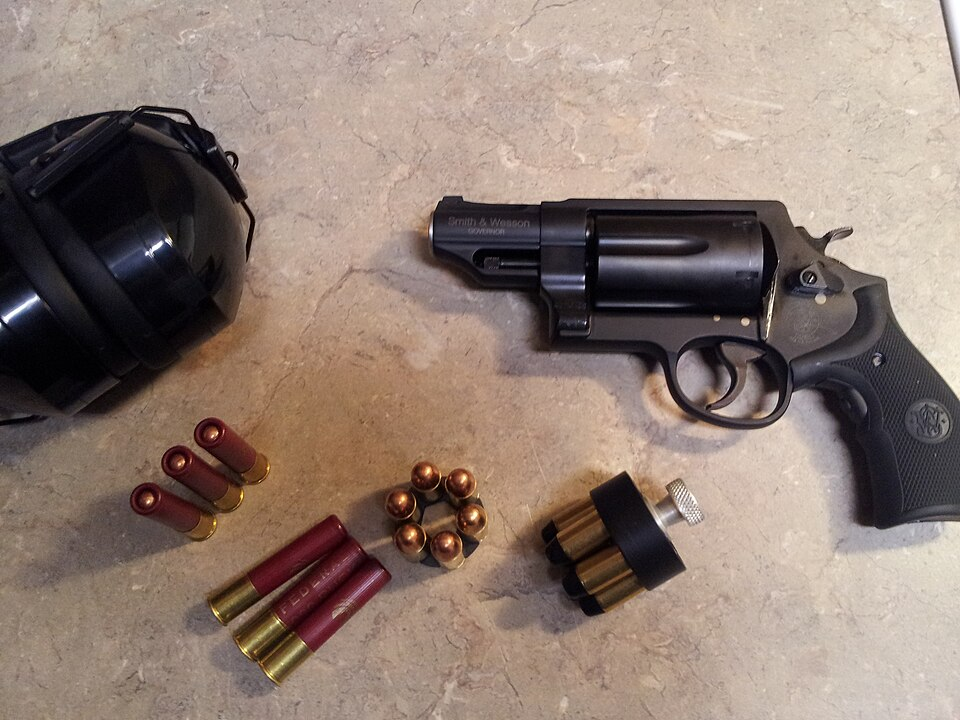
4. .410 Shotshell From a Revolver
The appeal is obvious: a handheld revolver that can fire a shotshell sounds flexible. The engineering reality is less impressive. Short handgun barrels cut velocity, and shot spreads quickly enough that the idea of a forgiving pattern can become misleading. Birdshot loads often penetrate only a few inches in gel, well short of accepted defensive depth. Even slugs and buckshot can perform inconsistently from compact revolvers. The platform can encourage the wrong lesson too, because spread does not replace the need for a solid hit in the vital zone.

5. .380 ACP With Weak Load Selection
The .380 ACP is not automatically a poor defensive choice. The problem appears when it is paired with loads that do not hold up in short-barreled pocket pistols. Some rounds expand too early and stop short; others fail to expand and penetrate unpredictably. This matters because many .380 pistols are exactly the kind of small guns that reduce velocity. As short-barrel pistols can reduce velocity enough to alter expansion reliability, the cartridge becomes highly load-dependent. With careful ammunition choice it can work, but without that care it becomes a compromise stacked on another compromise.
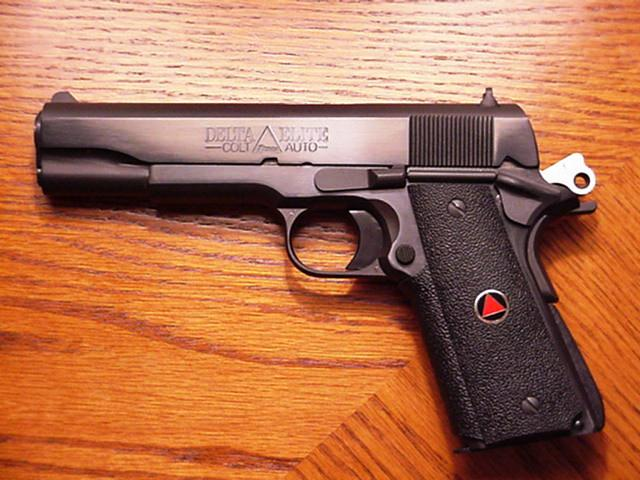
6. 10mm Auto
The 10mm Auto solves one set of problems by creating another. Full-power loads bring deep penetration and heavy energy, often more than 600 foot-pounds, which explains the cartridge’s appeal for backcountry use and defense against animals. For routine concealed carry, that same performance can be difficult to manage. Recoil and muzzle blast slow follow-up shots for many shooters, and the risk of pass-through becomes harder to ignore in enclosed spaces. In other words, its capability often exceeds the demands of ordinary defensive environments.
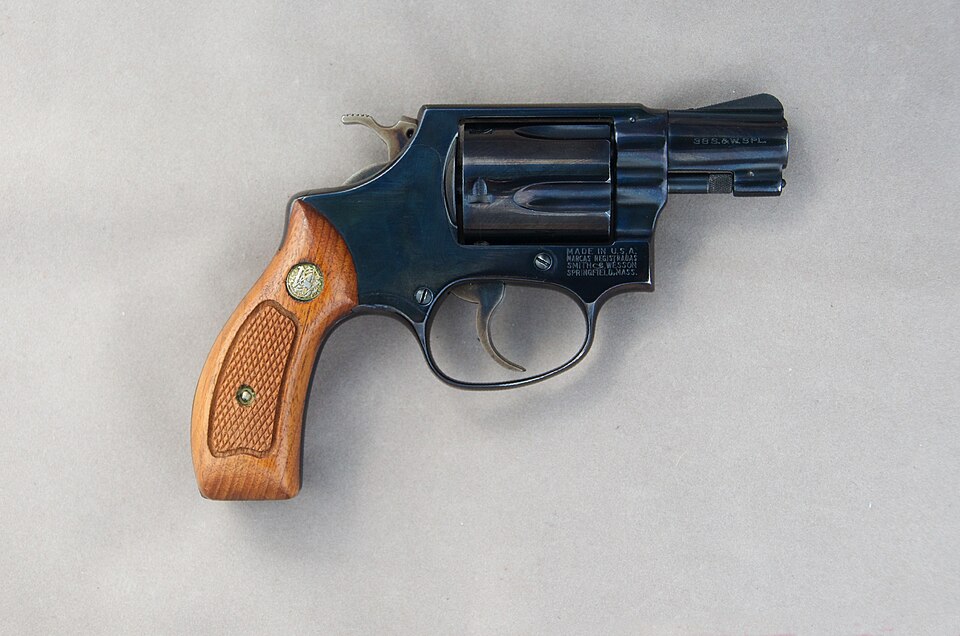
7. .38 Special From Ultra-Short Barrels
The .38 Special earned its reputation from service-size revolvers, not from the light snub-nose guns now commonly carried. Once barrel length shrinks, velocity falls enough to change how hollow points behave. Some loads designed for short barrels perform respectably, but many standard-pressure choices do not. Snub revolvers also make recoil feel sharper than their modest ballistics suggest, which can slow recovery and reduce practical hit speed. The cartridge is still viable, but only when matched carefully to barrel length and practiced regularly.
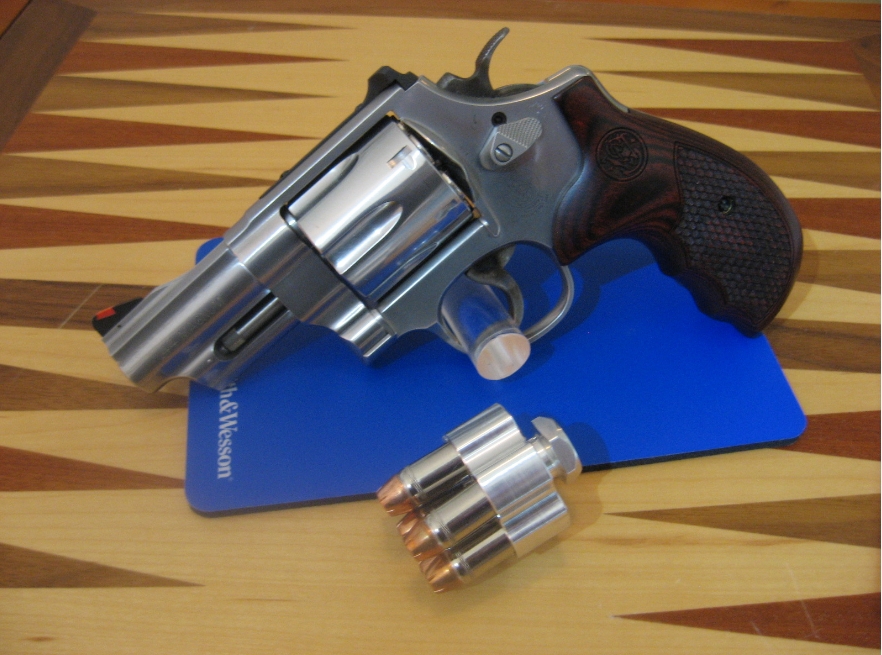
8. .44 Magnum
The .44 Magnum is easy to understand and hard to justify for typical urban or suburban defense. It brings over 1,000 foot-pounds in many loadings, along with heavy recoil, large-frame revolvers, and serious overpenetration concerns. That power makes sense for hunting or protection in animal country. Indoors or in crowded settings, it can be excessive in every direction: blast, recoil, recovery time, and the chance that a bullet keeps going after the initial target. A cartridge built for large game does not become more practical simply because it fits in a holster.
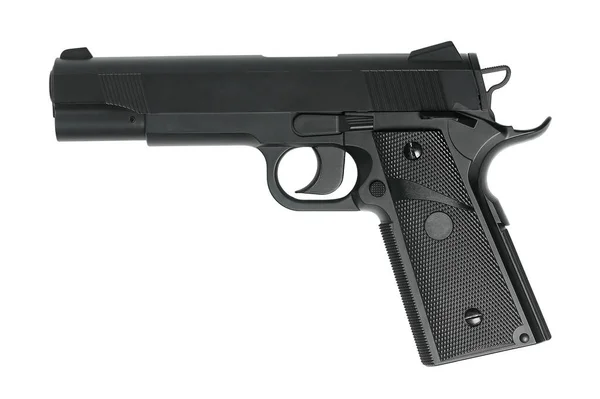
The common thread across these eight is not that they are harmless or obsolete. It is that each one asks the user to accept a larger tradeoff in reliability, penetration, controllability, or environmental safety than more balanced defensive options usually require. Modern ammunition design has narrowed the old caliber gaps, but it has not erased physics. As one ballistic expert put it, handgun bullets mostly “poke little holes in stuff”. That makes dependable ignition, sufficient penetration, and controllable recoil more valuable than folklore about caliber alone.


