A familiar rollmark still carries weight in the gun world, but it no longer settles the question it once did. For many shooters, trust was built on a few models that ran for years with almost no drama. What changed was not always a single failure. In many cases, it was ownership churn, plant moves, broader product catalogs, or the pressure to produce more guns in a crowded market.
That shift matters more now because buyers have more alternatives than earlier generations ever faced, including 5,845,019 firearms imported into the U.S. in 2023. A famous name can still mean something, but it no longer replaces inspection, model-specific research, and a hard look at when and where a gun was made.
1. Remington
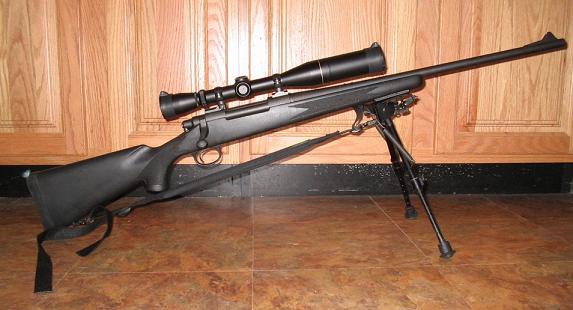
Remington spent decades as the default answer for pump shotguns and bolt rifles. The 870 and 700 were fixtures in deer camps, patrol cars, and pickup trucks because they developed a reputation for simple, durable service. That reputation took a beating during the Freedom Group era, when complaints about rough machining, uneven finishing, and inconsistent fit started showing up too often to dismiss as isolated examples. Older shooters often separate “old Remington” from later production for exactly that reason. The brand still holds enormous recognition, but the logo on the receiver no longer ends the conversation. Buyers now tend to look for production-era clues before assuming the old standard still applies.
2. Marlin
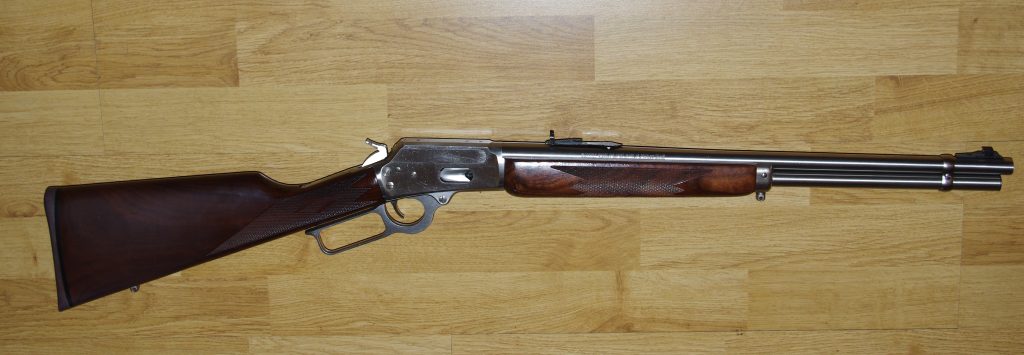
Marlin’s decline became memorable enough to earn its own nickname among lever-gun fans. The “Remlin” label captured a period when production changes appeared to outpace the transfer of know-how that had made older Marlins so well regarded. Common complaints centered on visible machining marks, wood-to-metal fit, and actions that felt less polished than the rifles many hunters remembered. The recovery under Ruger has been significant, not cosmetic, and company reporting tied $40.7 million in first-quarter 2025 firearm sales to new products that included Marlin lever-action rifles. Even so, a repaired reputation usually lags behind improved production. Marlin is one of the clearest examples of how a brand can rebound while still carrying the memory of a bad stretch.
3. Colt
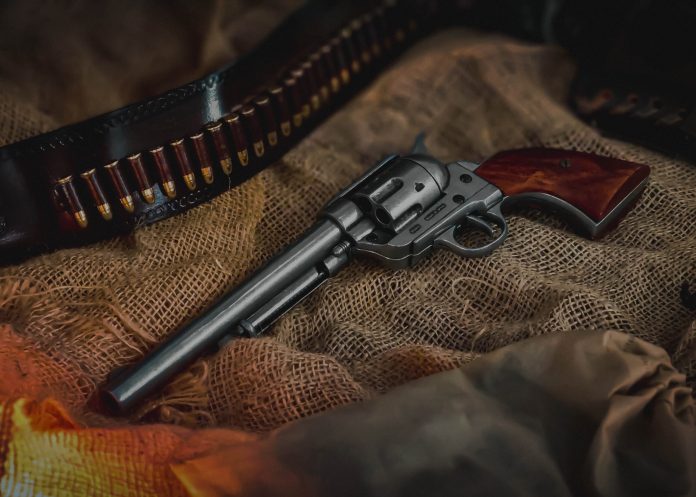
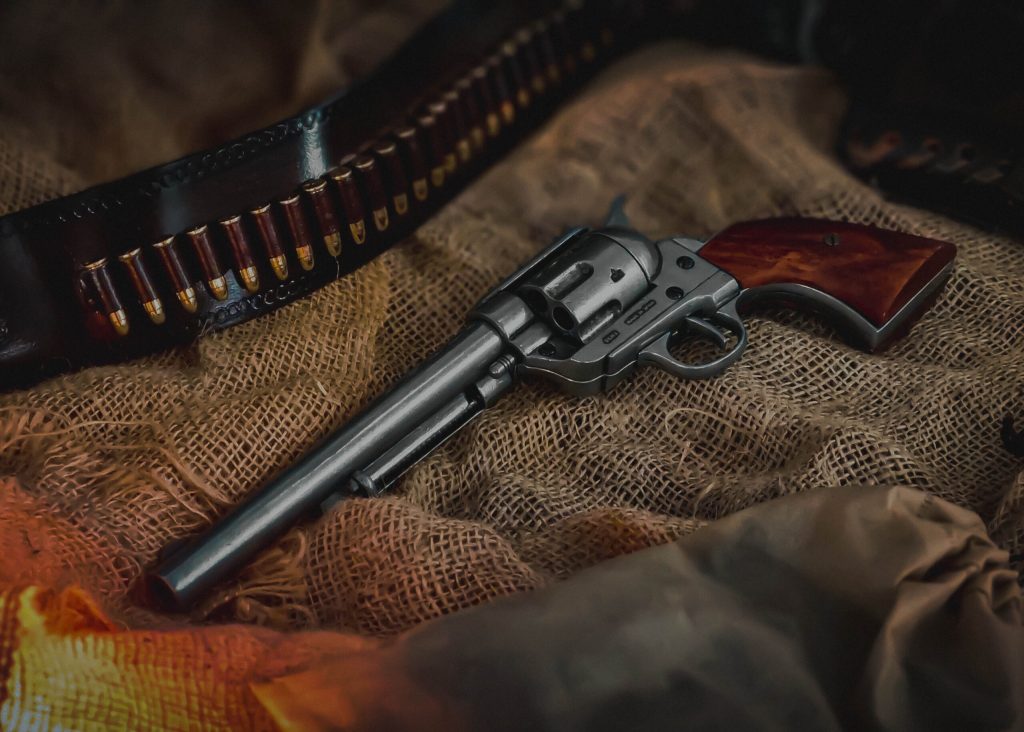
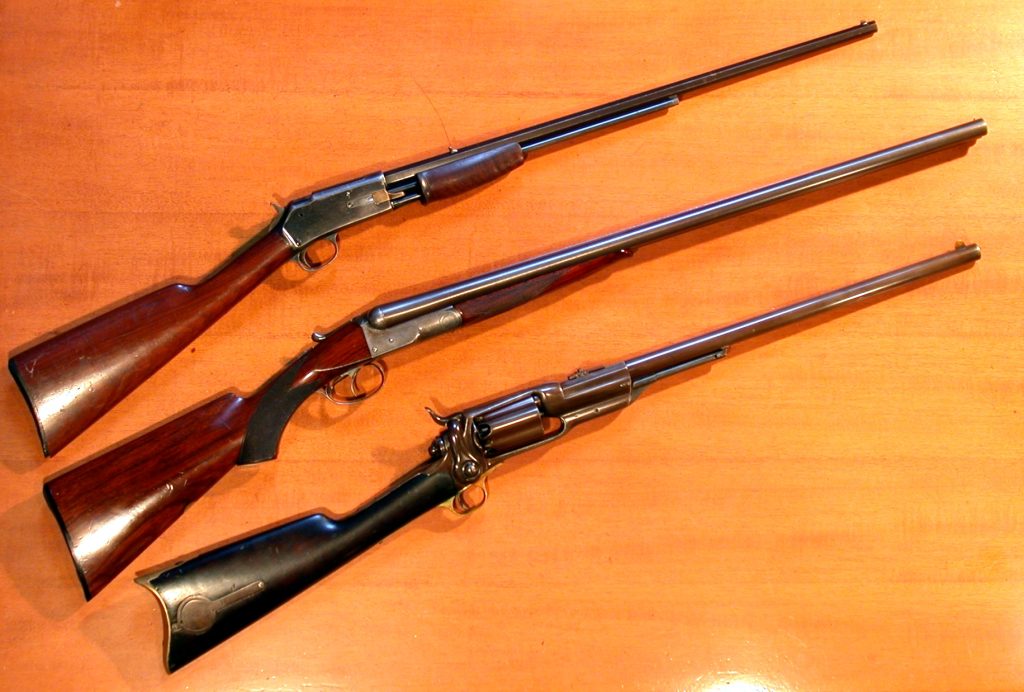
Colt remains one of the biggest names in American firearms, but its modern reputation has been shaped as much by business instability as by its historic legacy. The company’s Chapter 11 bankruptcy filing in 2015 became a public sign that the old aura did not shield it from debt, missed market trends, or intense competition. For shooters, the practical effect was a long period in which Colt became less of an automatic buy and more of a case-by-case decision. Some runs kept the brand’s appeal intact. Others fed complaints about fit, finish, or value relative to newer rivals. Reference reporting also noted criticism that Colt had fallen behind in design and production investment after losing a major M4 contract in 2013. A name once treated as a safe shortcut became a label buyers inspect much more carefully.
4. Winchester
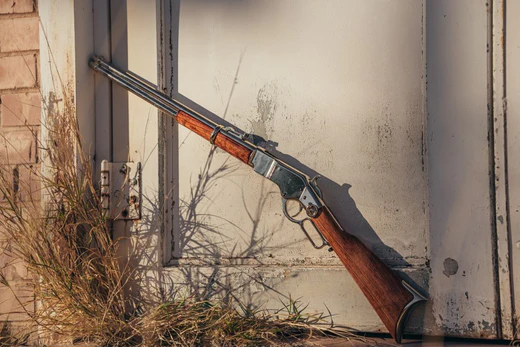
Few names in firearms carry as much historical gravity as Winchester. That is part of the problem. The brand’s legacy often sets an expectation that modern production cannot always satisfy. Older Model 70s and classic lever guns built the image of Winchester as an heirloom-grade maker with smooth actions and memorable finishing. Many current buyers still judge the name against that older standard, especially after the New Haven plant closure became a dividing line in how enthusiasts talk about the brand. The result is a split reputation: the story is still powerful, but the smart shopper often verifies the gun’s era before assuming it carries the same old magic.
5. Mossberg
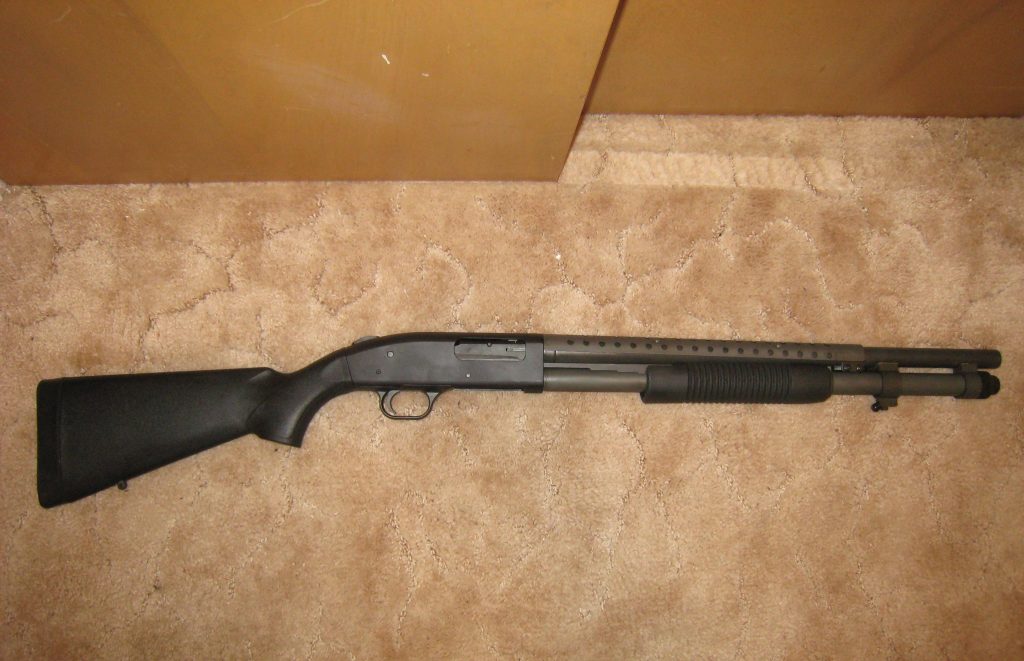
Mossberg still has a strong identity in practical shotguns, and that core reputation did not appear by accident. The 500 and 590 families earned trust by continuing to work under hard use and indifferent maintenance. The tension comes from expansion. As the catalog spread into budget rifles and pistols, consistency became harder to summarize with one sentence. Mossberg remained the U.S. shotgun volume leader with 253,633 shotguns produced in 2023, according to industry production data. Scale is a strength, but it also makes weaker spots more visible. The old assumption that every Mossberg automatically means “500-series certainty” no longer fits the entire lineup.
6. Smith & Wesson
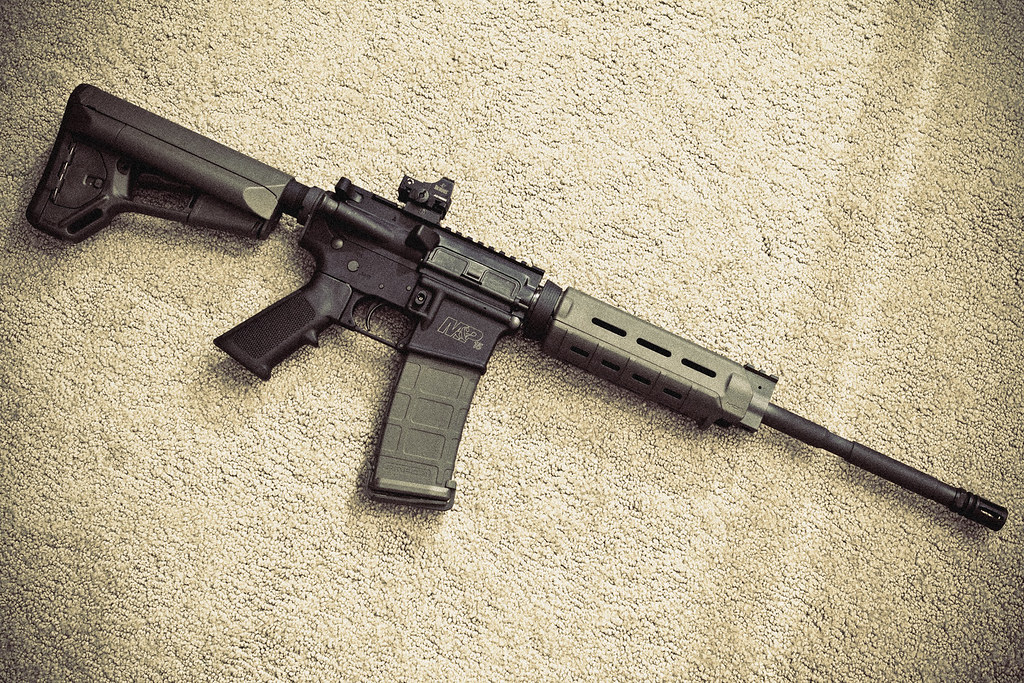
Smith & Wesson still dominates mindshare, especially in revolvers and carry pistols, but the brand now spans very different manufacturing eras. Older revolvers built much of the company’s prestige through their feel, polish, and lockup, and those details remain the standard by which many long-time shooters judge the name. Modern production is broader, faster, and aimed at a market with very different demands. That does not mean current guns fail to perform. It means the brand name alone no longer guarantees the same level of refinement people associate with older examples. Public filings showing $474.7 million in fiscal 2025 net sales also underline how large modern firearms companies have become, and how strongly volume can shape perception when enthusiasts compare older craftsmanship with current output.
7. Savage Arms
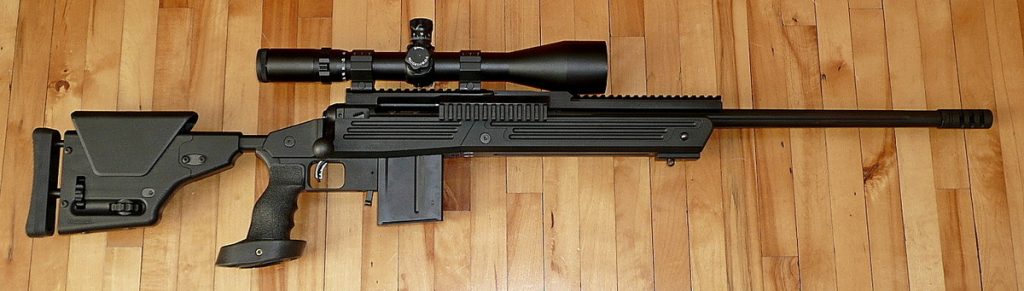
Savage built real loyalty by delivering practical accuracy at prices many hunters could reach. The company’s value proposition was simple and effective: rifles that shot better than their price tags suggested. That reputation became more complicated when scrutiny turned to safety confidence in the Axis II line. One widely discussed case described allegations involving the tang safety’s middle position and referenced internal testing language including “MID SAFE” and “FIRES ON SAFE,” with the reporting also describing more than 800,000 rifles in circulation. Whatever buyers conclude from the legal fight, the larger effect is obvious: once safety operation becomes part of the conversation, shoppers start checking function more carefully than they would with a brand treated as unquestioned.
8. Thompson/Center
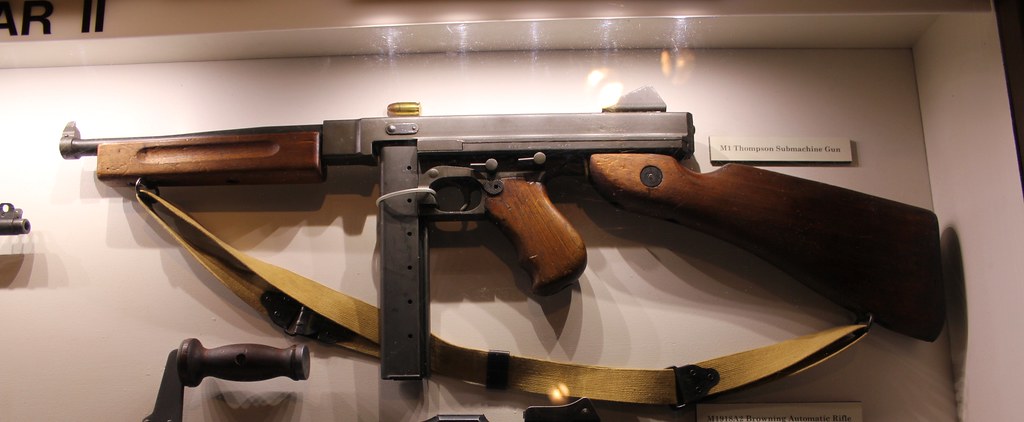
Thompson/Center lost confidence in a different way. The issue was not a single notorious model run. It was instability in ownership, production continuity, and support. The Contender and Encore platforms created a loyal following because they offered modularity that felt genuinely useful rather than gimmicky. As product lines were reduced and the brand’s future became uncertain, practical questions started to overshadow brand affection. A gunmaker cannot remain a default choice when frames, barrels, and parts begin to feel like scavenger-hunt items. For many shooters, T/C became a legacy brand rather than a dependable current one.
9. Kimber
Kimber may be the most polarized name on this list. Plenty of owners report excellent service from their pistols, especially in the 1911 category. Just as many describe finicky behavior, extraction problems, or frustration when expectations were set much higher by the badge on the slide. That is the key issue. A defensive handgun is expected to be dull in the best possible way: loaded, holstered, fired, and trusted without drama.
Kimber’s problem is not the absence of good guns. It is that the variability described by owners has kept the brand from feeling like an automatic recommendation to the wider market. The common thread across all nine brands is simple. Reputation ages more slowly than manufacturing decisions, and nostalgia often survives long after consistency has changed. For modern buyers, the stronger habit is to trust the specific gun, not just the name on it. In a market this crowded, consistency beats legacy.


