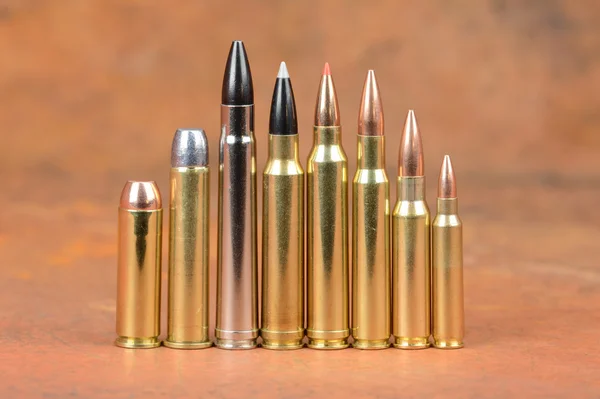
Some rifle cartridges earn reputations far beyond the jobs they actually do well. In the field, that gap matters most when hunters move from varmints, predators, or range work to heavy-bodied game that demands deep penetration, reliable bullet performance, and enough retained energy to break bone and reach vitals.
That is where caliber choice stops being a matter of preference and becomes a matter of limits. Shot placement still matters, but as many experienced shooters note, precision alone does not erase the need for a tool suited to the task.
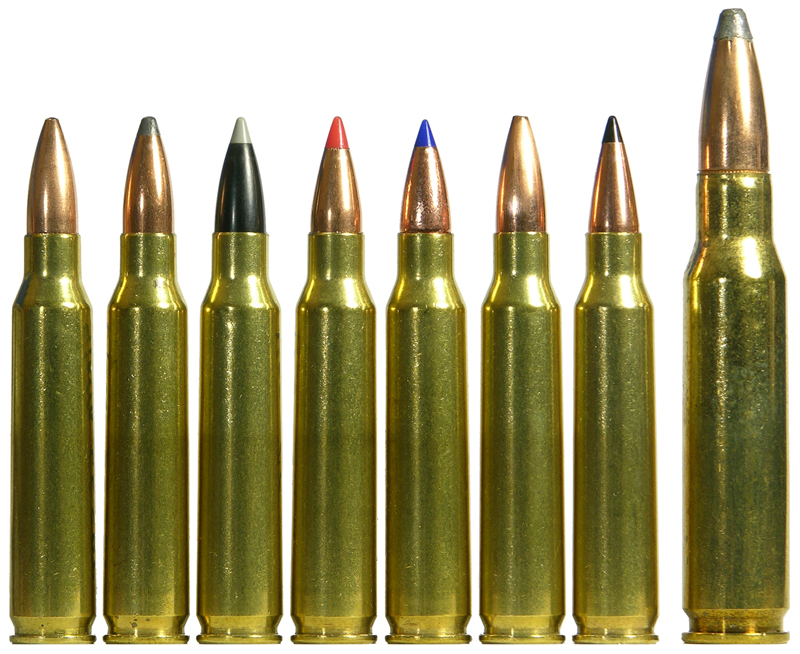
1. .223 Remington
The .223 Remington remains one of the most versatile small-centerfire rounds in North America, and its strengths are real: light recoil, easy accuracy, and broad use in target shooting, predator control, and some deer hunting. But those advantages do not scale upward well when the animal on the other end is much heavier and harder to stop cleanly.
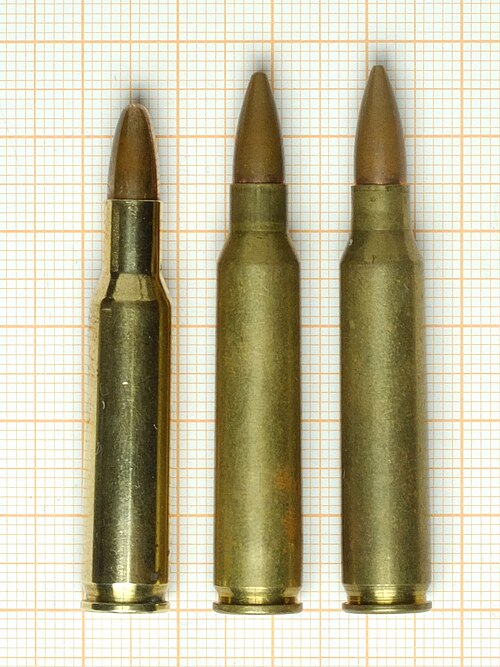
A typical 55-grain load at roughly 3,200 fps can look lively on paper, yet the cartridge simply does not carry the penetration reserve expected for elk- or moose-class animals. The problem is not that the .223 is ineffective in every context. It is that hunters get very little forgiveness when angle, bone, distance, or movement complicate the shot.
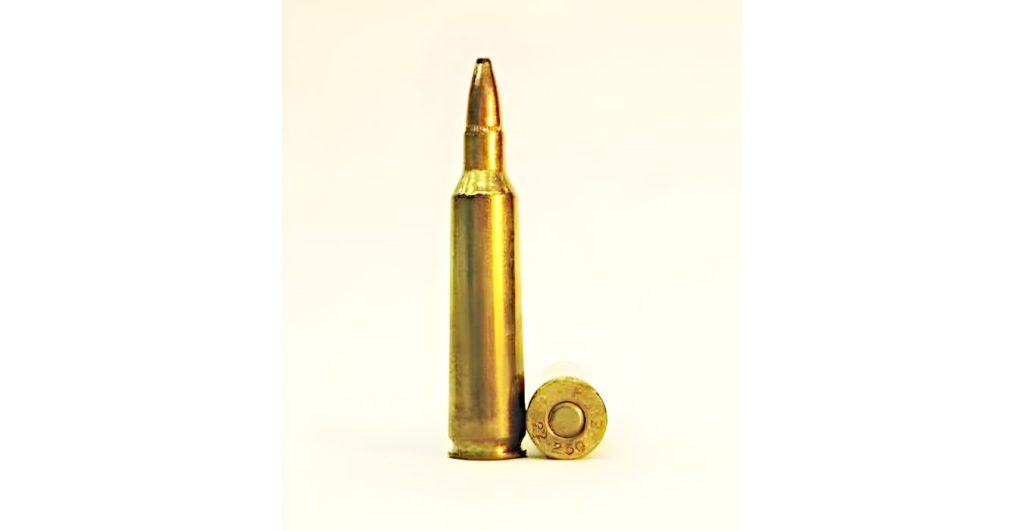
2. .22-250 Remington
The .22-250 built its reputation on speed. With light bullets often running past 3,800 fps, it delivers the kind of flat trajectory that made it a favorite for coyotes and other small targets at extended ranges. On big game, however, raw velocity cannot compensate for limited bullet mass.
High speed can even work against it when expansion becomes too rapid and the bullet sheds momentum before reaching deep vitals. That is why the .22-250 remains excellent in its lane but thin on margin once body size and bone structure increase.
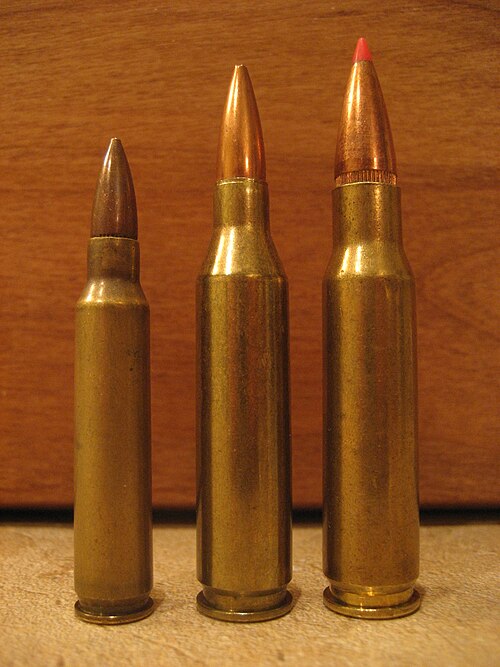
3. .243 Winchester
The .243 Winchester sits in a gray zone that explains both its popularity and its controversy. With 90- to 100-grain bullets, it has long served as a manageable deer cartridge, especially for shooters who value mild recoil and a clean, flat trajectory. It can do that job well.
Its reputation gets stretched when people try to treat it as a universal answer. On heavier animals, the cartridge gives up sectional density, bullet weight, and impact authority compared with more substantial hunting rounds. The result is a cartridge that can succeed under ideal conditions but offers less room for error when muscle, shoulder bone, and shot angle become part of the equation.
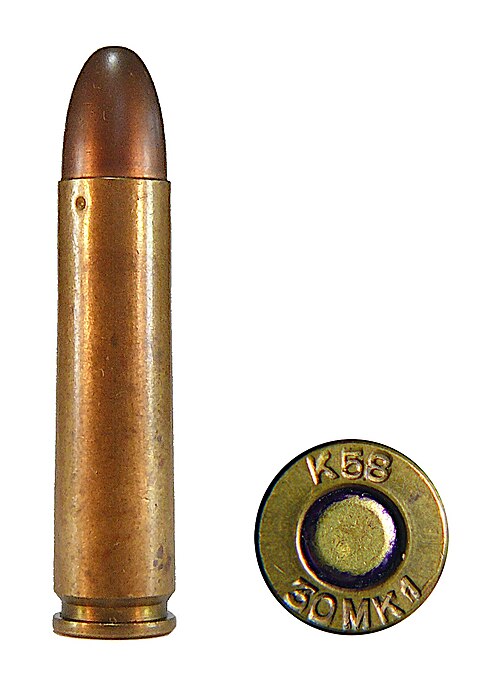
4. .30 Carbine
The .30 Carbine is one of the clearest examples of a cartridge being remembered for history as much as performance. Developed for the M1 Carbine, it launches a 110-grain bullet at about 1,990 fps, which places it far closer to a high-end handgun concept than to a modern big-game rifle round.
Its limitations have been recognized for decades. Field commentary on the cartridge has repeatedly described it as short-ranged and underpowered, and even its harshest critics centered on the same core issue: it lacks the authority expected from a true hunting rifle cartridge. For close-range small or medium game it may function within limits, but for larger animals it is badly out of class.
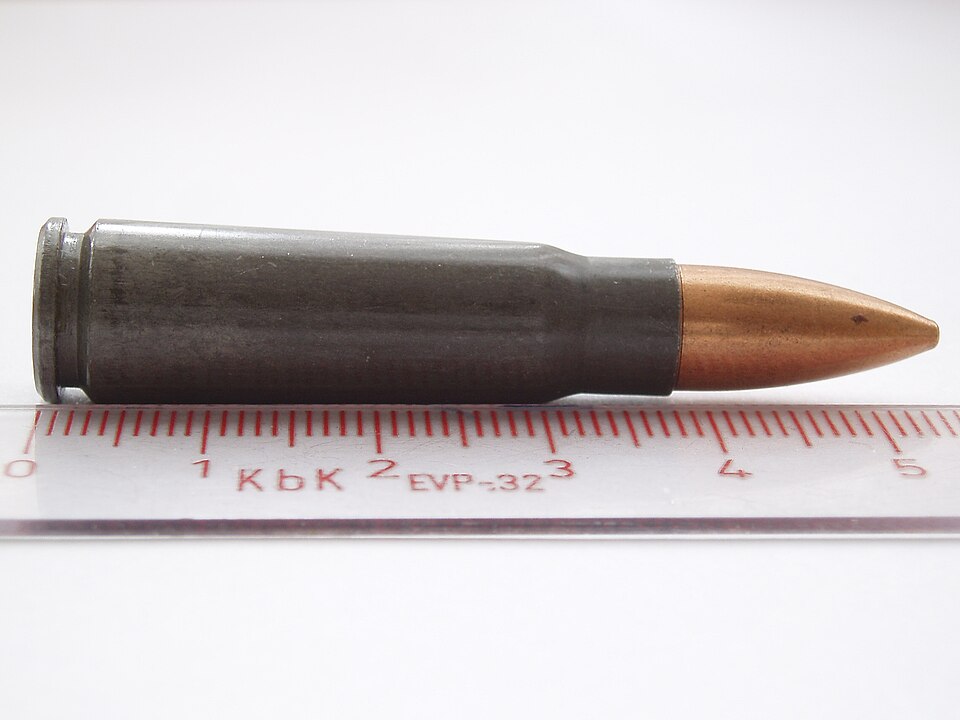
5. 7.62x39mm
The 7.62x39mm is often praised for toughness, moderate recoil, and close-range punch. That reputation is deserved. It also fits the widely accepted definition of an intermediate cartridge, meaning it was designed to sit between pistol and full-power rifle rounds rather than replace the latter outright.
That design brief explains both its utility and its ceiling. A standard 123-grain load can produce around 1,500 to 1,600 foot-pounds at the muzzle, which is useful for deer at modest distance, but its trajectory and retained energy fade quickly. Once range stretches or the target gets substantially heavier, the round no longer offers the same confidence as a traditional big-game cartridge.
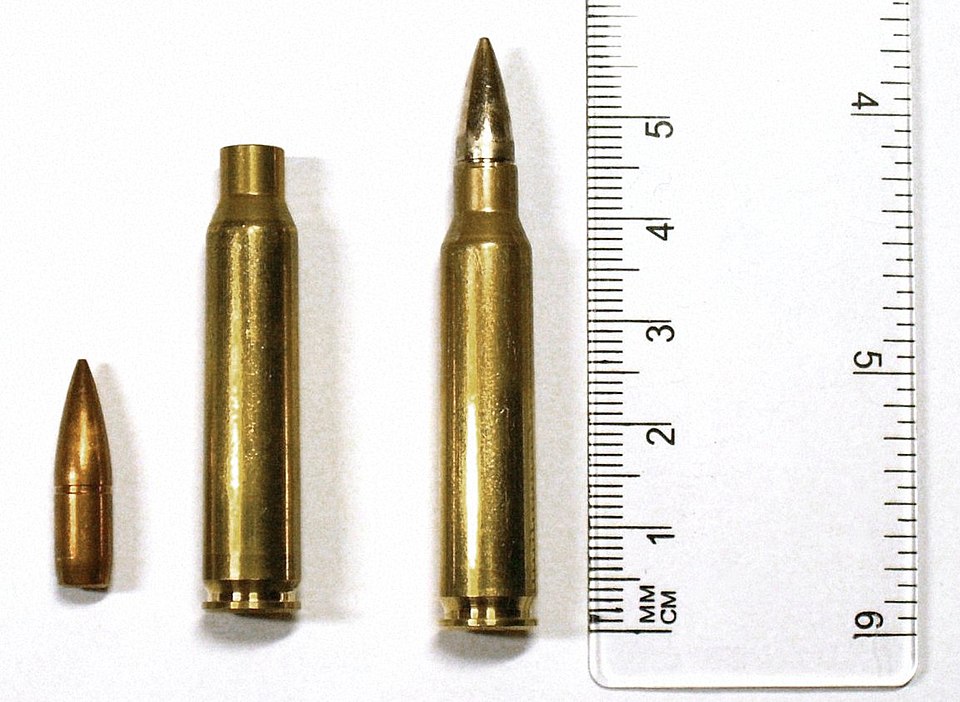
6. 5.56 NATO
The 5.56 NATO is often discussed as if military service automatically proves broad suitability. It does not. Service use answers one set of needs; hunting large game answers another. The cartridge’s low recoil, compact rifle platforms, and fast follow-up shots made it dominant for general-purpose rifles, but those same strengths do not change its limited frontal diameter and modest bullet weight.
That broader pattern has shaped caliber debates for decades. Studies and doctrine discussions around intermediate cartridges between 6.5 and 7mm repeatedly return to the same tradeoff: lighter rounds are easier to carry and control, while larger rounds offer more authority on target. For large game, that tradeoff becomes hard to ignore. The 5.56 can be effective in narrow hunting roles, but it leaves too little reserve once animals get big and conditions get imperfect.
7. .17 HMR
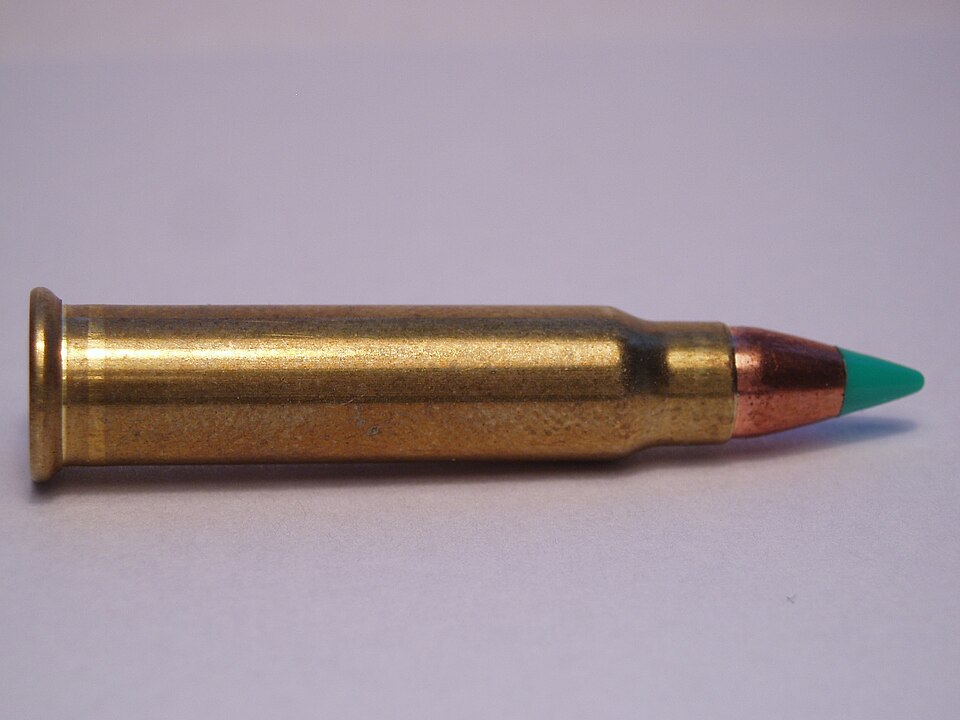
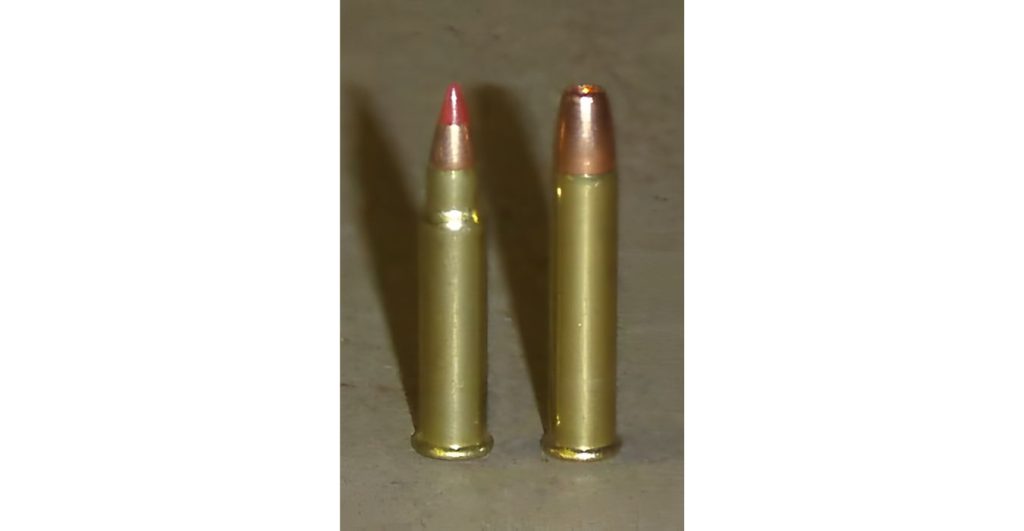
The .17 HMR is a specialist, and it is a very good one. It is fast for a rimfire, famously easy to shoot, and highly effective on small varmints. But none of those strengths make it suitable for deer-size game, let alone anything larger.
Its tiny 17-grain projectile carries only a fraction of the impact energy expected of a centerfire hunting cartridge. As Field & Stream once bluntly argued about tiny .17-caliber bullets, wind drift and inconsistent terminal effect are recurring complaints even in small-game use. On larger animals, the round simply does not belong in the conversation.
The common thread across these cartridges is not failure. It is mismatch. Several are excellent at exactly what they were built to do, whether that means predator work, recreational shooting, military-pattern carbines, or low-recoil deer hunting.
Big game changes the standard. Hunters need enough cartridge to handle less-than-perfect angles, heavy anatomy, and the unpredictable reality of field conditions. A round that works only when everything goes right is not the same as a round that gives a humane margin when things get difficult.


