Precision shooting usually gets framed around miracle groups, miracle rifles, or miracle loads. In practice, the cartridges that last are the ones that keep delivering when the sample size gets bigger and the conditions stop being friendly. The rounds below earned their place because shooters trust them across factory rifles, custom builds, training days, and long strings where recoil, wind, and consistency all start to matter. Some dominate because they are forgiving. Others stay relevant because they still work even after newer options arrive.+
1. .308 Winchester
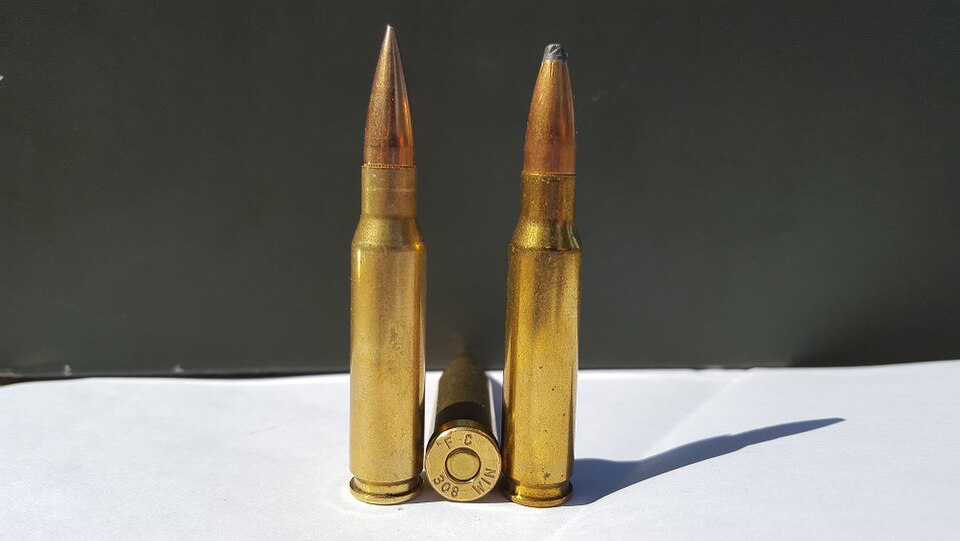
The .308 Winchester remains the cartridge many shooters judge everything else against. It is not the sleekest long-range option, but it has a deep record of producing dependable accuracy in a wide mix of rifles, barrel lengths, and disciplines. That broad compatibility matters because a precision cartridge is only as useful as its ability to shoot well outside one perfect setup.
Its appeal is also mechanical, not nostalgic. Match loads built around 168 and 175 grain bullets still form a baseline for serious practice, and top-level competition data continues to show the .308 hanging on in niche precision roles. In one survey of PRS shooters, Tactical Division competitors running .308 posted surprisingly close wind performance at 1,000 yards compared with a common 6mm Dasher load, even if recoil remained the larger penalty.
2. 6.5 Creedmoor
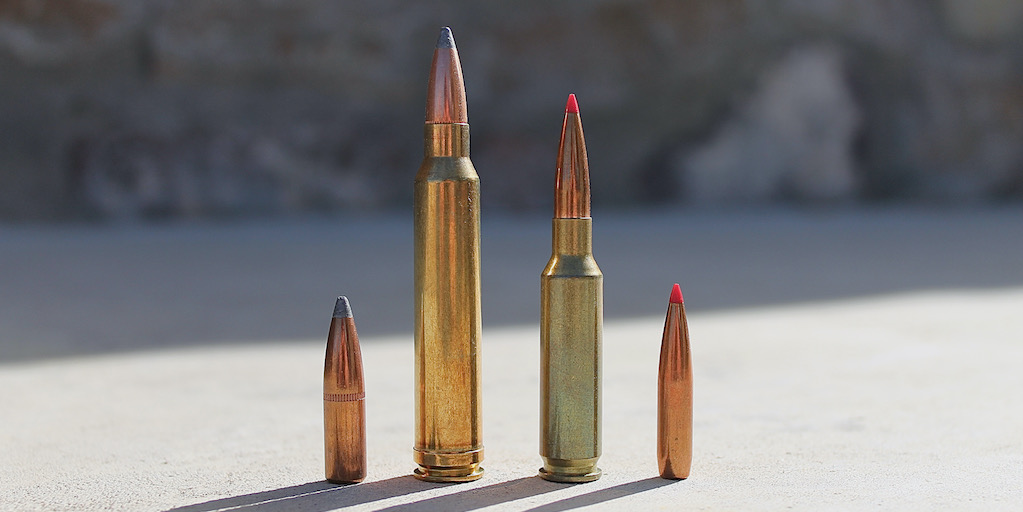
The 6.5 Creedmoor became a fixture because it made long-range precision feel more accessible without demanding magnum recoil or boutique rifle setups. It offers the balance many shooters want: efficient bullets, manageable recoil, and enough factory ammunition depth to keep experimentation realistic.
That balance still holds up. Factory loads span a wide range, with many common offerings clustered from 120 to 147 grains, and published data generally places muzzle velocity in the 2,600 to 2,900 fps band for standard loads. A 140-grain bullet staying supersonic beyond 1,200 yards helps explain why the cartridge stayed relevant well after the initial hype cycle faded.
Its strongest precision argument may be methodological. Large-sample testing showed that mean radius uses every shot in a group, giving a more useful picture than a tiny three-shot cluster. That approach fits the Creedmoor well, because its reputation was built on repeatability, not on one photogenic target.
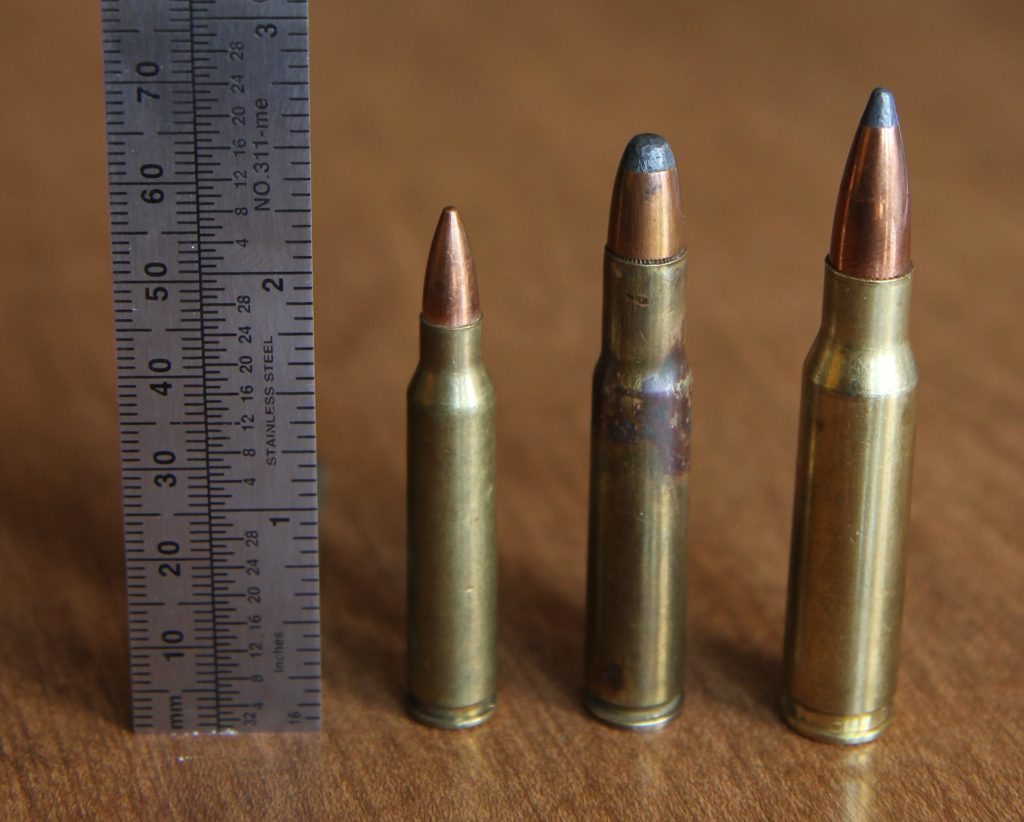
3. .223 Remington / 5.56 NATO
The .223 and 5.56 pairing stays in the precision conversation for one simple reason: low recoil makes feedback immediate. Shooters can stay in the optic, spot impacts, and correct faster. That matters in both skill building and practical field shooting.
With the right twist rate and heavier bullets, this cartridge family reaches far beyond the casual “light varmint round” label. It also benefits from barrel availability and mature rifle support, which makes it one of the easiest ways to build a repeatable accuracy platform without exotic parts.
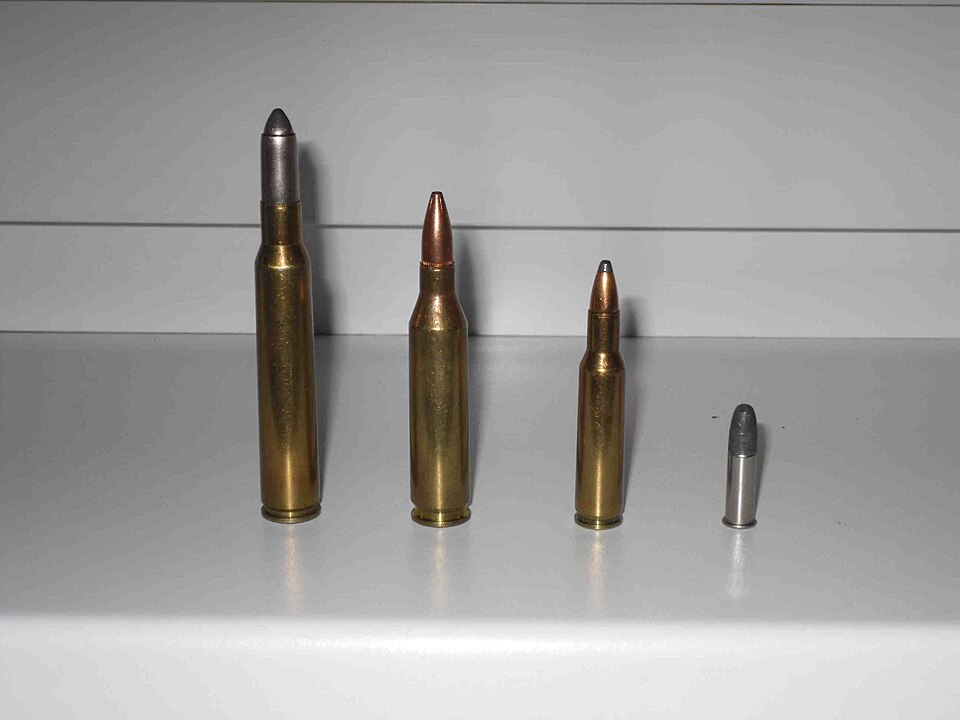
4. .243 Winchester
The .243 Winchester has been doing modern precision work long enough that it no longer needs a sales pitch. It shoots flat, recoil stays moderate, and good bolt guns often print excellent groups with little drama. Its staying power comes from how little guesswork it usually requires. Shooters looking for a cartridge that handles wind better than its recoil level suggests still find the .243 easy to live with, especially in rifles meant to split time between paper, steel, and field use.
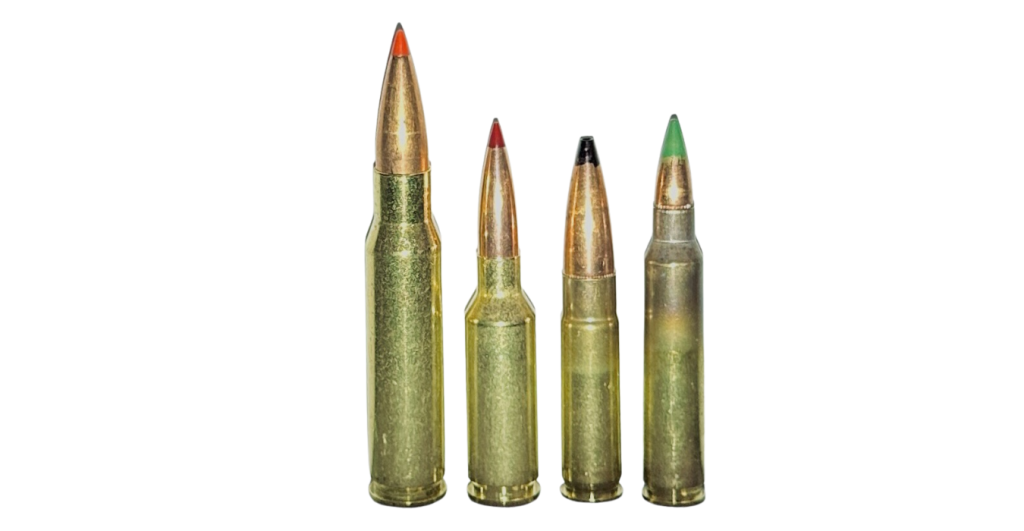
5. 6mm ARC
The 6mm ARC carved out its place by stretching what the AR-15 platform could realistically do at distance. Instead of asking a lightweight rifle to rely on smaller .22-caliber bullets, it brings efficient 6mm projectiles into a familiar footprint. That gives it a clear precision identity. With loads such as the 108-grain ELD Match, published examples have shown 342 inches of drop at 1,000 yards, which is useful context for why the ARC is taken seriously as a distance cartridge rather than treated as an AR novelty.
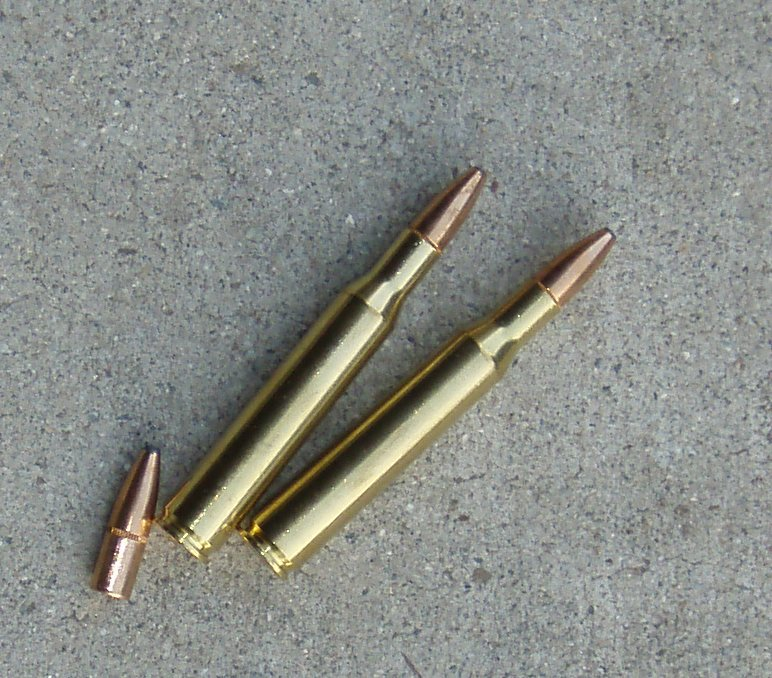
6. .270 Winchester
The .270 Winchester is rarely marketed as a precision darling, yet it keeps proving useful because its trajectory is simple and its behavior in ordinary hunting rifles is usually predictable. A cartridge does not need competition branding to print tight, repeatable groups. That practical accuracy is the reason it endures. Shooters who know their rifles well often get strong real-world precision from the .270 because the cartridge encourages confidence, and confidence usually means more rounds fired in practice.
7. 6.5 PRC
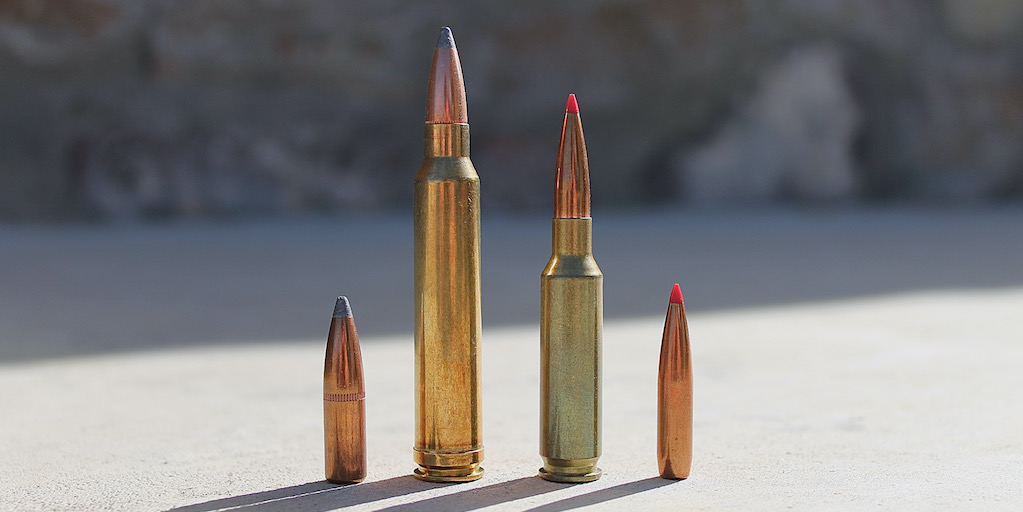
The 6.5 PRC appeals to shooters who like what the Creedmoor does but want more speed without moving all the way into the heavier magnum class. It drives long, aerodynamic bullets fast enough to tighten wind calls while still remaining shootable over a full day. That is the key distinction. With 140- to 147-grain bullets, the PRC offers a harder-running 6.5 option that preserves much of the control shooters want when the goal is repeated hits, not just raw velocity.
8. Match-Grade .22 LR
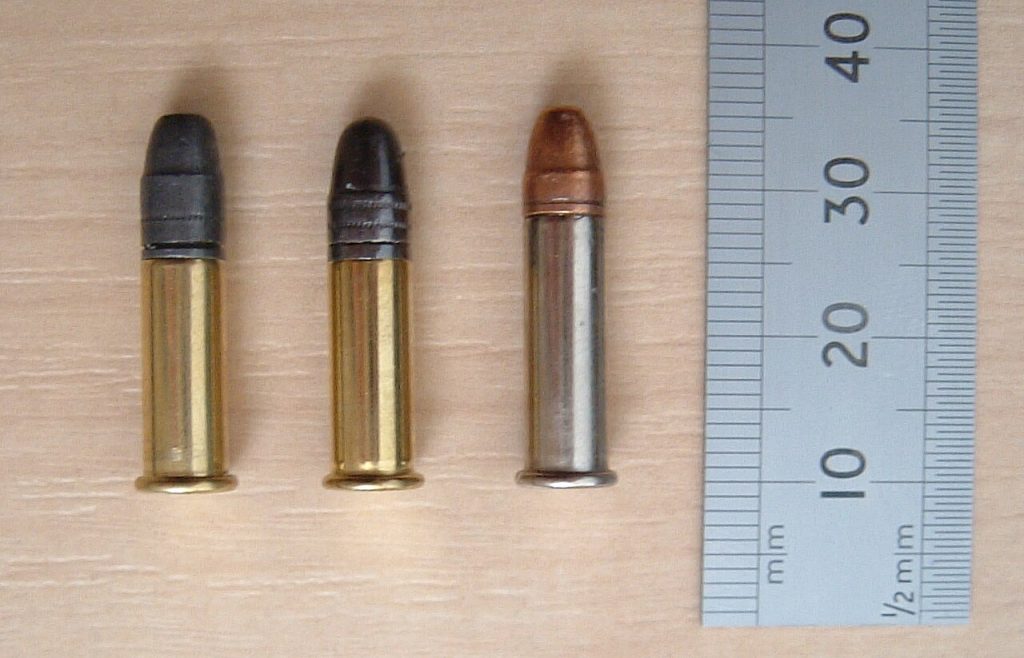
Rimfire precision remains one of the most honest forms of training in shooting. Match .22 LR strips away blast and recoil, but it magnifies mistakes in trigger control, position, and wind reading in a way that centerfire rifles sometimes mask. Good ammunition matters more here than many shooters expect. Loads in the 1,066 to 1,100 fps range are commonly favored to avoid transonic disruption, and that is a major reason a quality rimfire setup can shoot remarkably tight groups at 50 yards and still demand real discipline at 100 and beyond.
9. 7mm Remington Magnum
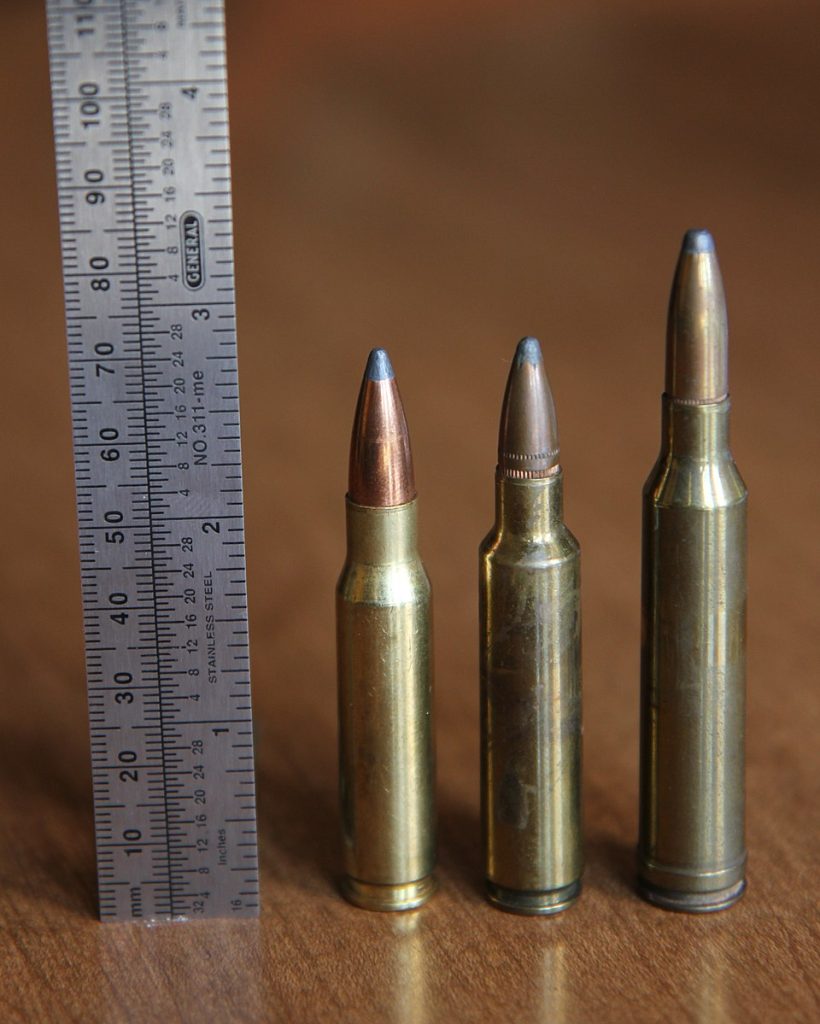
The 7mm Remington Magnum stays relevant because it occupies a useful middle ground: more reach and speed than standard cartridges, but less punishment than the biggest magnums. With modern bullet design, it has only become more capable. Today’s 168- to 180-grain high-BC bullets let the cartridge do precision work that older rifle generations could not fully exploit. In a rifle that fits well and a shooting position that keeps recoil under control, the 7mm Rem. Mag. still delivers the kind of long-range consistency that made it endure. No cartridge can replace fundamentals, and none of them can turn a weak rifle-ammo pairing into a great one. What these nine rounds share is a record of giving shooters a trustworthy baseline, whether the target is a paper group, a steel plate, or a practice day where every shot counts. The common thread is not fashion. It is repeatability.


