Some firearms fade into collector interest. Others become reference points that continue to shape training, design, and the way shooters judge everything that comes after. This group falls into the second category. A few introduced mechanical ideas that spread across entire classes of guns. Others changed handling standards, manufacturing methods, or what shooters expected from reliability in the field. Together, they form a practical map of how modern shooting arrived where it is now.
1. Colt 1911
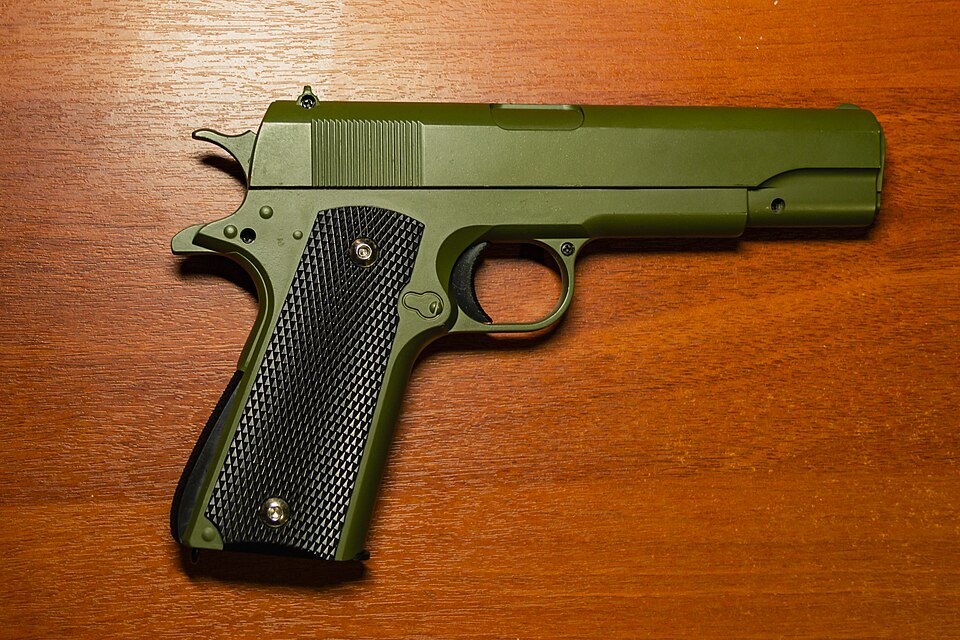
The 1911 endures because it was more than a successful sidearm; it established a performance standard for the service pistol. John Moses Browning’s short-recoil, single-action design paired with .45 ACP created a handgun platform that remained in front-line U.S. service for decades and still carries weight in competition and defensive circles. Its straight-to-the-rear trigger, slim grip profile, and steel-frame balance gave shooters a level of control that kept the design relevant long after higher-capacity pistols appeared.
The pistol’s reputation was reinforced early by a 6,000 round test-fired over two days in 1910, a durability benchmark that remains part of its legend. Later refinements produced the 1911A1, but the core layout changed little. That continuity helps explain why the platform still appears on match lines, in custom shops, and in training discussions centered on trigger quality and shootability.
2. Glock 17 and the Polymer Duty Pistol
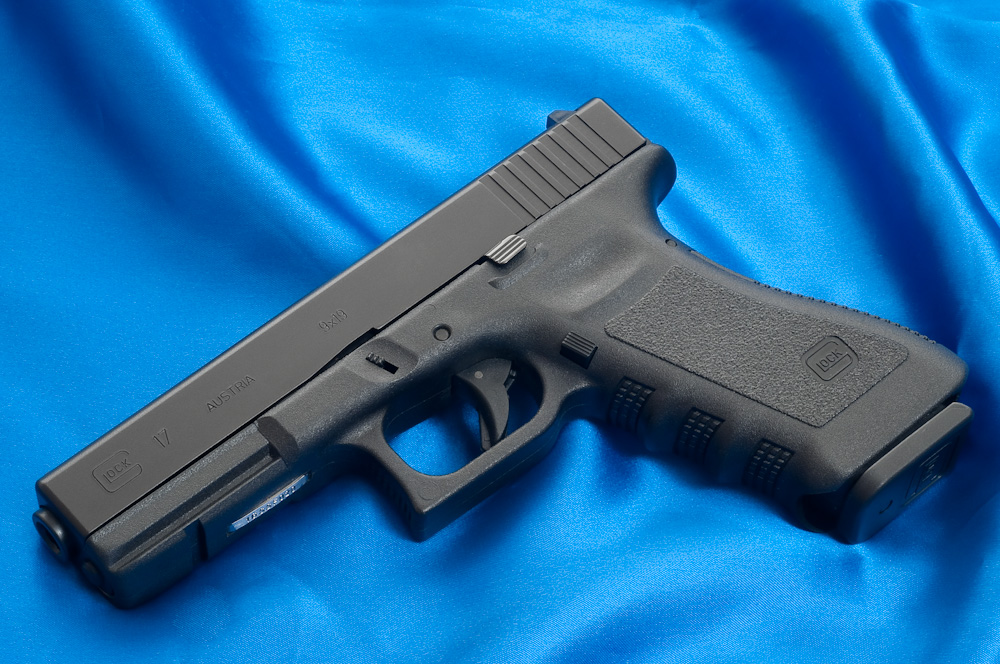
When the Glock 17 arrived in the early 1980s, it changed what a duty handgun could look like. The pistol combined a polymer frame, striker-fired operation, and a high-capacity magazine in a package built around simplicity. Its original design used 34 parts, a level of mechanical economy that stood out in an era still dominated by metal-framed handguns with more complicated controls.
Its real impact was institutional. The pistol survived brutal trial conditions, won Austrian military adoption, and spread quickly into police service. That shift mattered because agencies tend to normalize equipment. Once Glock proved that a polymer-framed service pistol could be rugged, corrosion resistant, and easy to maintain, the broader handgun market moved with it. Modern striker-fired pistols owe much of their layout logic to the formula Glock made mainstream.
3. Smith & Wesson and Colt Revolvers
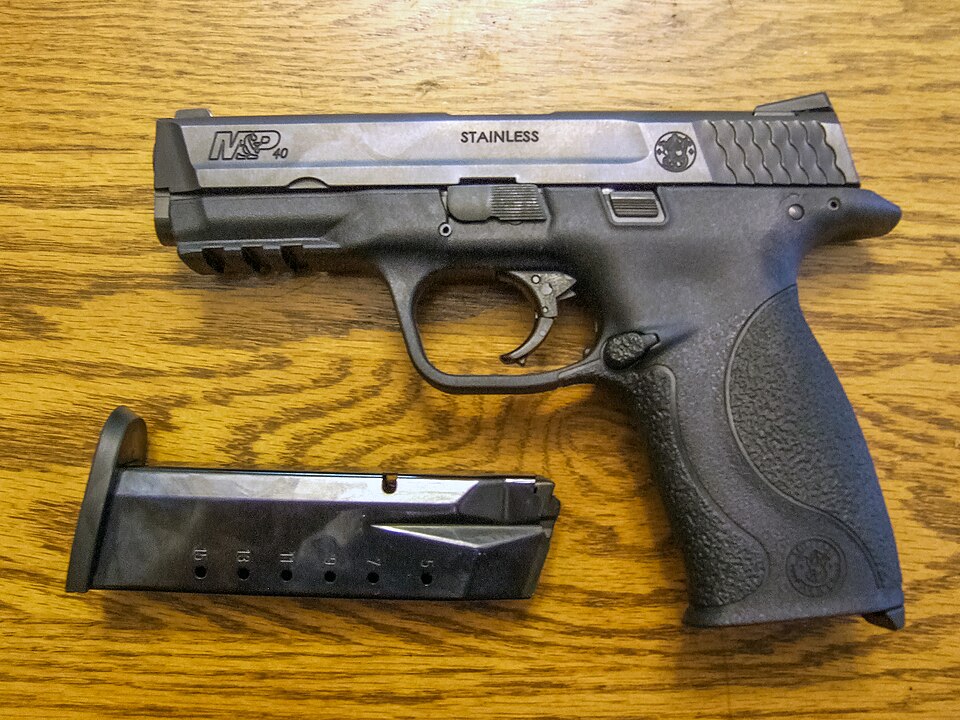
Before the self-loader became dominant, the double-action revolver defined practical reliability. Guns such as the Smith & Wesson Model 10 and Colt Python represented two different expressions of the same idea: precise lockwork, dependable ignition, and straightforward handling. Their capacity was limited, but their operating logic was clear, and that simplicity made them durable training tools for generations of shooters.
This influence ran deeper than nostalgia. Revolver-era doctrine shaped trigger control, sight discipline, and accuracy standards that survived into the autoloading age. Even today, discussions about smooth double-action trigger pulls, mechanical timing, and hand-fitted quality often begin with classic Smith & Wesson and Colt examples. They remain a benchmark for craftsmanship as much as function.
4. AR-15
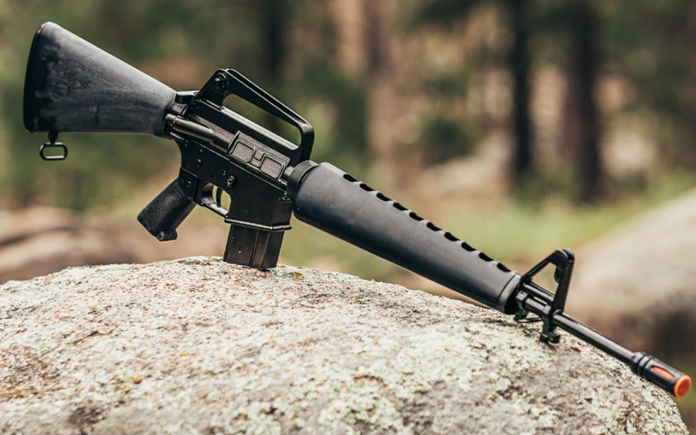
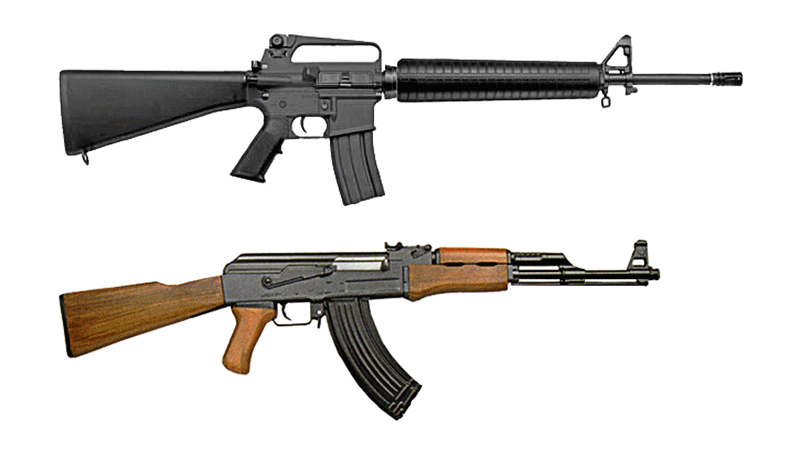
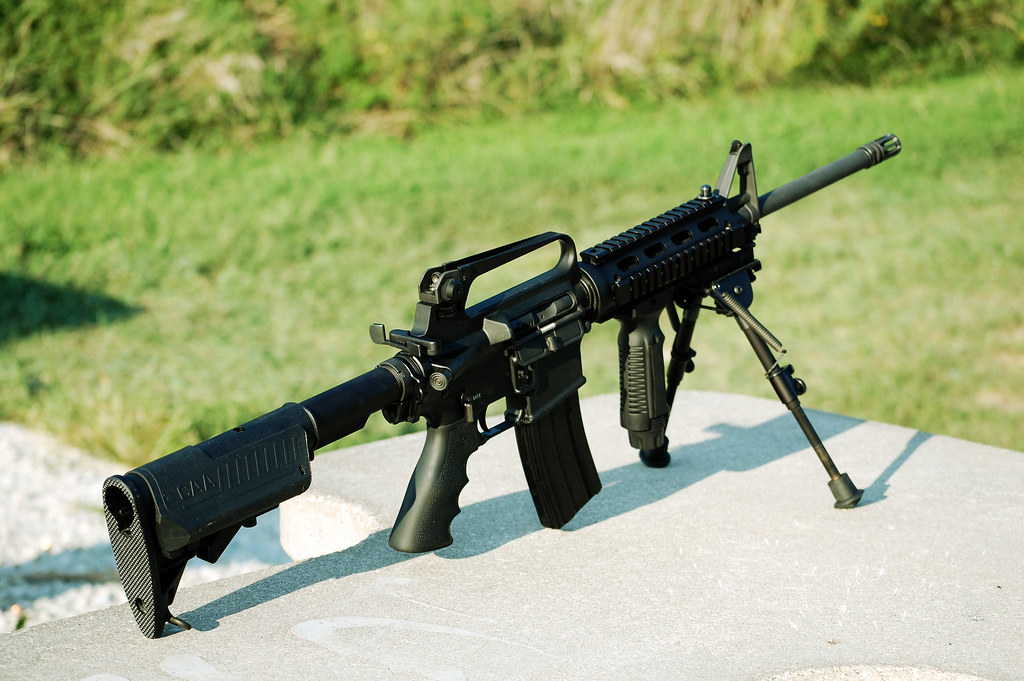
The AR-15 changed modern shooting by turning the rifle into a modular system. Developed from Eugene Stoner’s work and later commercialized by Colt, the civilian semi-automatic platform became a host for caliber changes, optics, stock swaps, handguard upgrades, and role-specific setups. That adaptability helped move rifle culture away from fixed configurations and toward customization as a normal part of ownership.
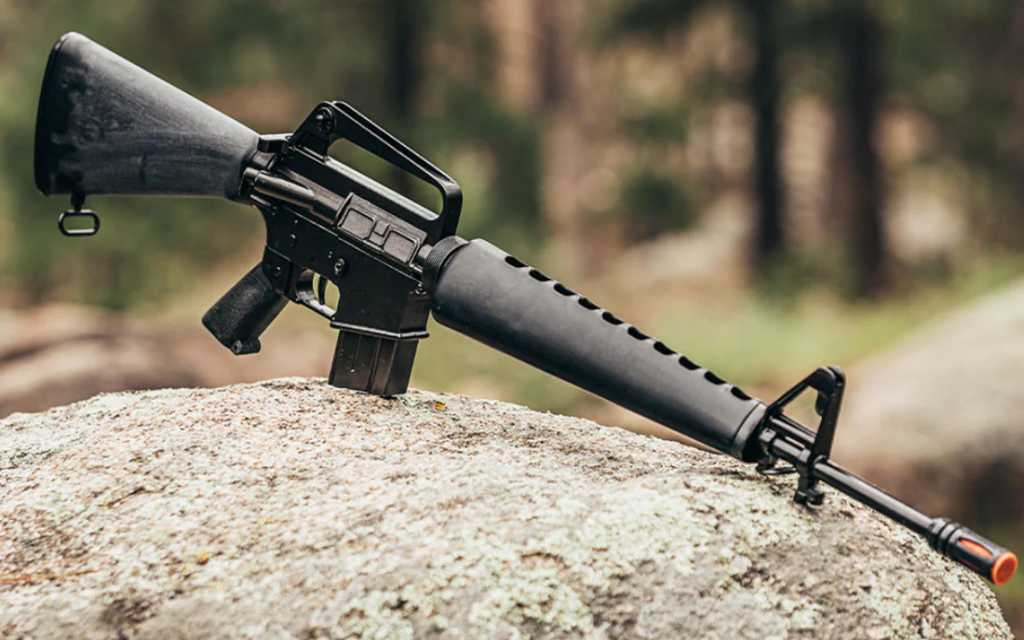
The design’s split receiver and parts commonality made experimentation unusually accessible. After Colt’s patents expired in 1977, the platform expanded across the industry and became one of the dominant rifle patterns in the United States. It also brought terminology confusion with it: “AR” refers to ArmaLite, not “assault rifle.” The platform’s engineering influence is clear even apart from its cultural and legal controversy. In practical terms, the AR-15 taught a generation of shooters to think of a rifle as a configurable interface rather than a single fixed product.
5. AK-47
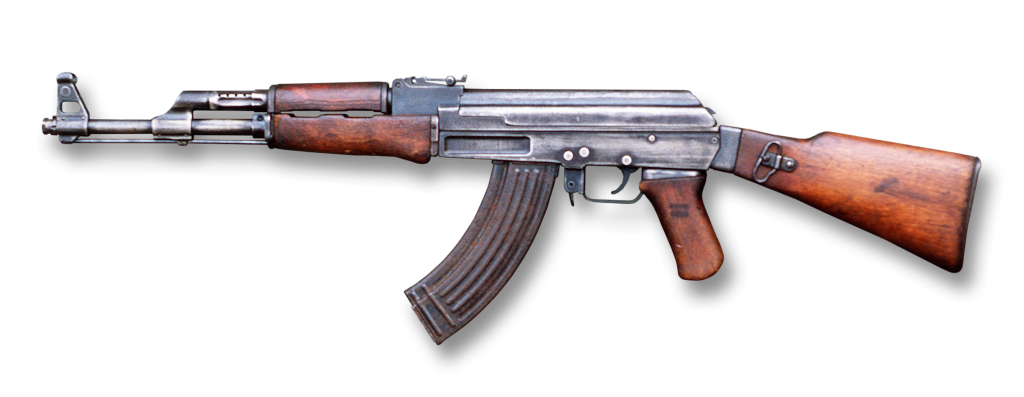
If the AR-15 became the modular rifle, the AK-47 became the global symbol of rugged simplicity. Its long-stroke gas piston system, generous clearances, and durable magazine geometry gave it a reputation for functioning in dirt, mud, and neglect. That reliability came with tradeoffs in refinement and often in accuracy, but the core engineering priority was obvious: keep the rifle running.
Later stamped-receiver production, especially with the AKM pattern, made the design cheaper and easier to build at scale. The result was a rifle family that spread across continents and proved that absolute mechanical polish was not required for long-term influence. Its legacy still shapes conversations about field reliability, maintenance tolerance, and why loose-running systems can outperform tighter ones under harsh conditions.
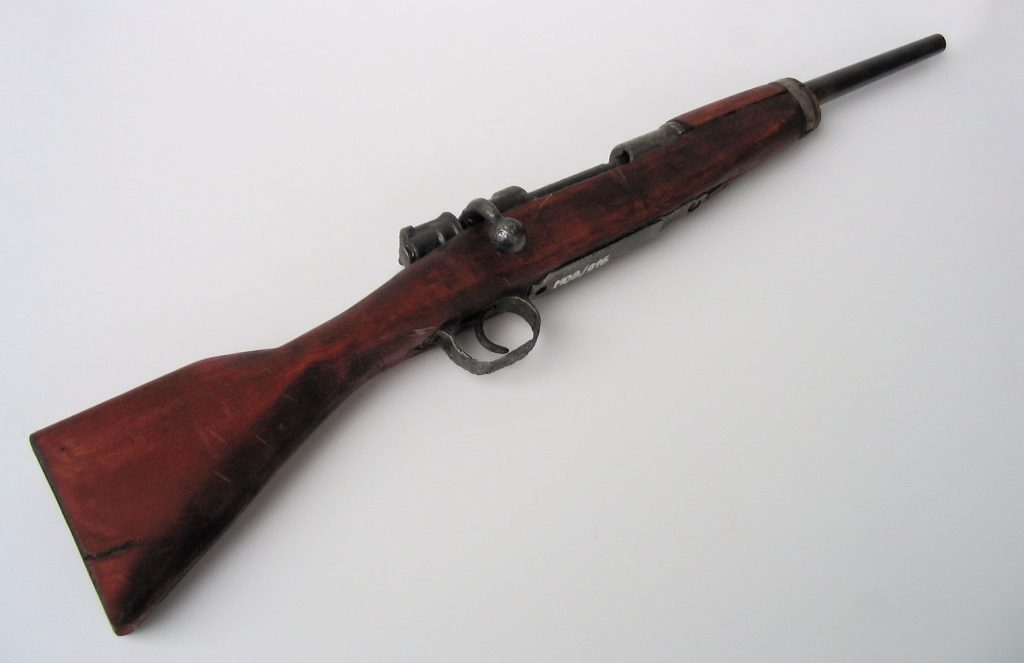
6. Mauser 98
The Mauser 98 remains the template for the modern bolt-action rifle. Paul Mauser’s controlled-round-feed system, massive claw extractor, and strong locking arrangement created a design that hunting and military rifles borrowed from for more than a century. Many later actions differ in details, but the Gewehr 98 established the vocabulary.
Its staying power is not historical accident. The action delivered strength, dependable extraction, and smooth feeding in a layout that could be adapted from battlefield service to sporting use. Modern custom rifles still borrow its principles because they continue to work. For shooters who judge bolt guns by extraction reliability and mechanical confidence, the Mauser 98 still defines the standard.
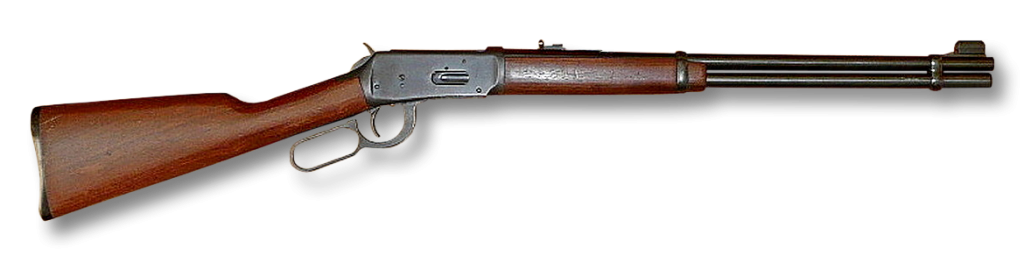
7. Winchester Model 94
The Winchester Model 94 belongs on this list because it bridged old and new. Introduced in 1894, it became the first commercially successful repeating rifle designed for smokeless powder, a transition that mattered as much technologically as it did culturally. Compact, quick-handling, and closely associated with the .30-30 Winchester cartridge, it helped define the practical deer rifle for generations. More than 5.5 million were produced, and the rifle’s profile became inseparable from North American hunting culture. Yet its engineering significance often gets overshadowed by that image.
The Model 94 showed that a light repeating rifle could be durable, powerful enough for common field use, and friendly to carry over long distances. That formula kept the lever gun relevant even as bolt actions and semi-automatics took over other roles. What ties these firearms together is not age or fame alone. Each one changed a shooter expectation: trigger quality, magazine capacity, mechanical reliability, modularity, field handling, or production logic. That is why they still matter. They are not simply old designs that survived. They are the reference points modern firearms continue to answer, copy, refine, or argue with.


