Heavy tanks are not becoming irrelevant because armor suddenly stopped mattering. They are at risk when armies treat drones as an add-on threat instead of a design rule, a training standard, and a formation-level planning problem.
The modern lesson is less about the end of the tank than about the end of careless tank employment. Across doctrine debates, vehicle redesigns, and protection programs, one mistake keeps appearing: sending heavy armor into a battlefield made transparent by cheap sensors, loitering munitions, and top-attack drones without rebuilding the entire system around that reality.
1. Treating tanks as the center of the attack instead of one node in a drone-led system
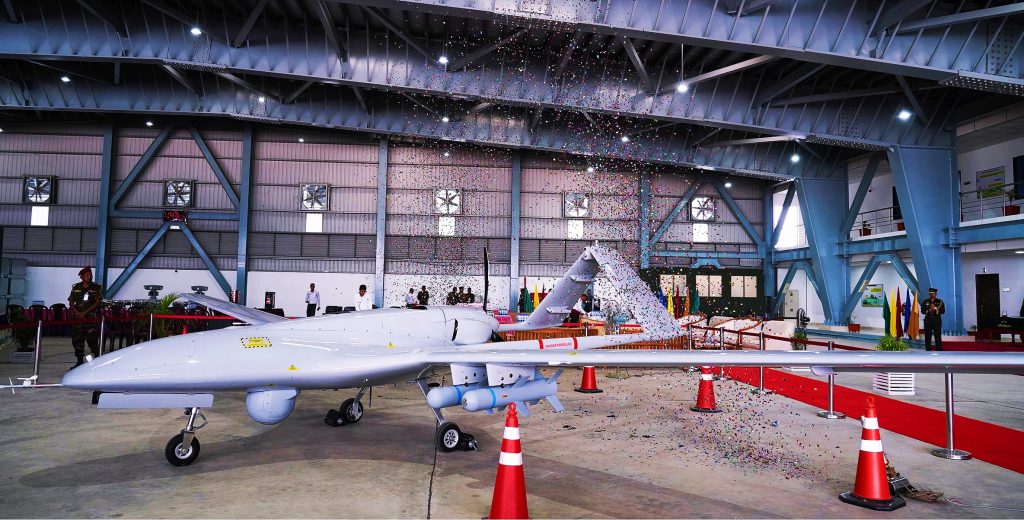
Army Secretary Daniel Driscoll said tanks cannot be pushed as far forward in the formation as they used to be able to because low-cost drones can exploit exposed vehicles. That marks a major break from the long-standing image of the tank as the first instrument through the breach. The shift is not about reducing the tank’s importance. It is about changing the sequence of action. Drones now scout routes, identify ambushes, and expose electromagnetic activity before heavy vehicles move. If commanders still organize assaults as if armor should reveal itself first and learn later, heavy tanks become easy targets rather than protected sources of firepower.
2. Ignoring the top-attack problem while optimizing for older threats
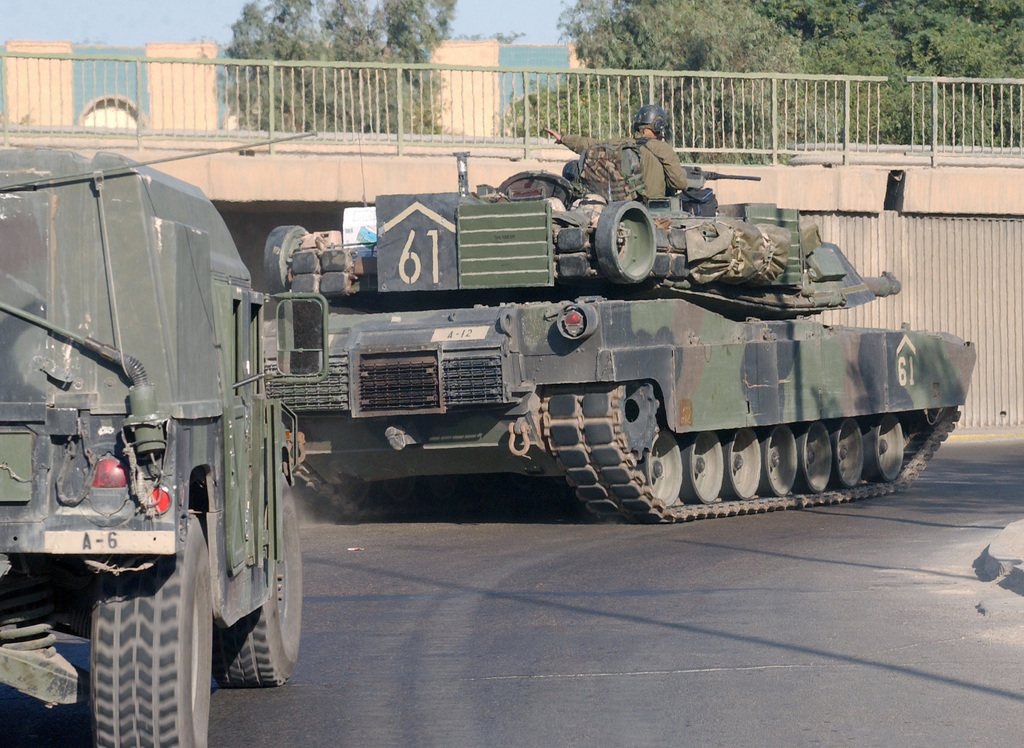
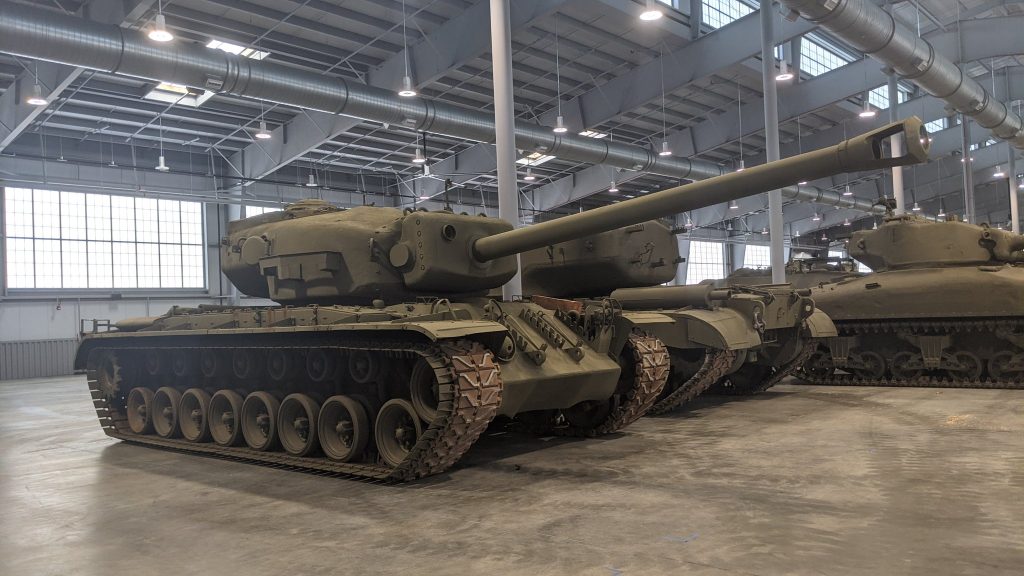
Traditional tank protection emphasized frontal arcs, side protection, and direct-fire survivability. Drone warfare has pushed attention upward, toward turret roofs, hatches, and other areas with less passive armor. The U.S. Army’s fiscal 2026 budget request included funding for 1,528 Top Attack Protection kits for tracked combat vehicles, reflecting the recognition that overhead attack is now a standard problem, not an irregular one. Retired Army Maj. Michael Liscano Jr. stated that “Currently, there are no tanks in the world, to include the M1 Abrams, that have the effective passive armor protection needed to defeat modern top attack threats.” If armored forces wait for future vehicles instead of rapidly protecting current fleets, the gap between battlefield reality and fleet survivability widens.
3. Believing heavier armor alone can solve a sensor-saturated battlefield
Weight used to be an acceptable answer to rising lethality. That trade is getting harder to sustain. As one defense industry executive noted, vehicles have reached a point where they simply can’t get any heavier without losing mobility and transportability. That matters because drones do not only attack. They also detect. A tank that is better armored but easier to find, track, and mass fires against can still be trapped by the battlefield’s growing web of optical, thermal, radar, and electronic sensing. The survivability equation now includes signature control, route discipline, decoys, and electronic management as much as steel thickness.
4. Treating active protection as a silver bullet
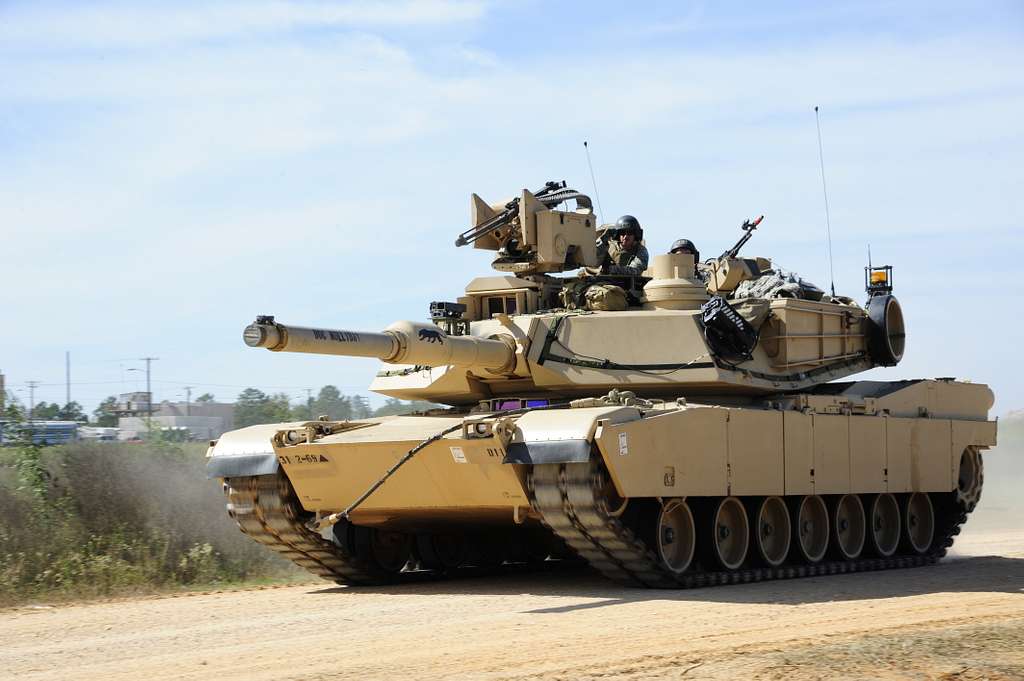
Active protection systems remain one of the most important upgrades for armored vehicles. Trophy has a strong operational reputation, and its value lies in intercepting incoming anti-armor threats before impact. But even effective active protection has limits in reloads, engagement geometry, and saturation. That is why current Army planning is moving toward layered defense rather than single-system confidence. Modular Active Protection System architecture, laser warning receivers, signature management paint, jamming, and passive top-attack armor all point in the same direction: tanks survive by stacking defenses. Any doctrine that assumes one hard-kill system solves the drone problem is building confidence on a narrow technical margin.
5. Separating drone development from combined-arms operations
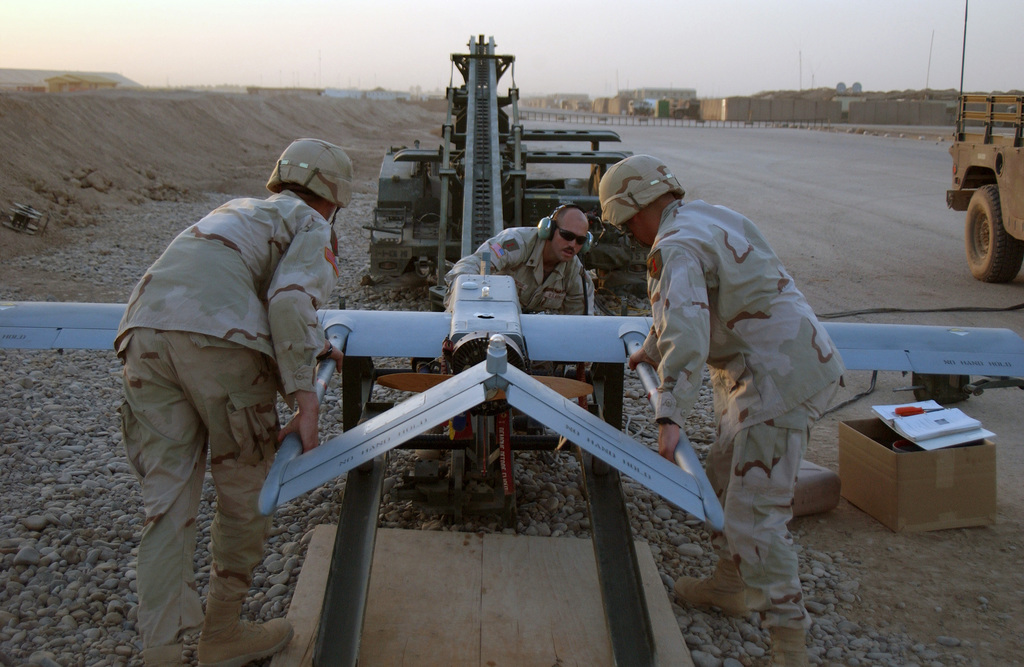
One recurring institutional warning is that armies can get adaptation wrong in two ways: by isolating a disruptive technology in its own stovepipe, or by treating it as a mere accessory to existing branches. Neil Hollenbeck argued the Army should avoid both mistakes and build deployable drone formations inside operational commands rather than in a separate branch. This is a structural issue, not just an equipment issue. Tanks, infantry, artillery, engineers, electronic warfare teams, and drones have to learn together. A heavy battalion with excellent crews but weak drone integration can still lose the initiative to a lighter force that detects first, strikes first, and relocates faster.
6. Letting video-driven narratives replace hard battlefield accounting
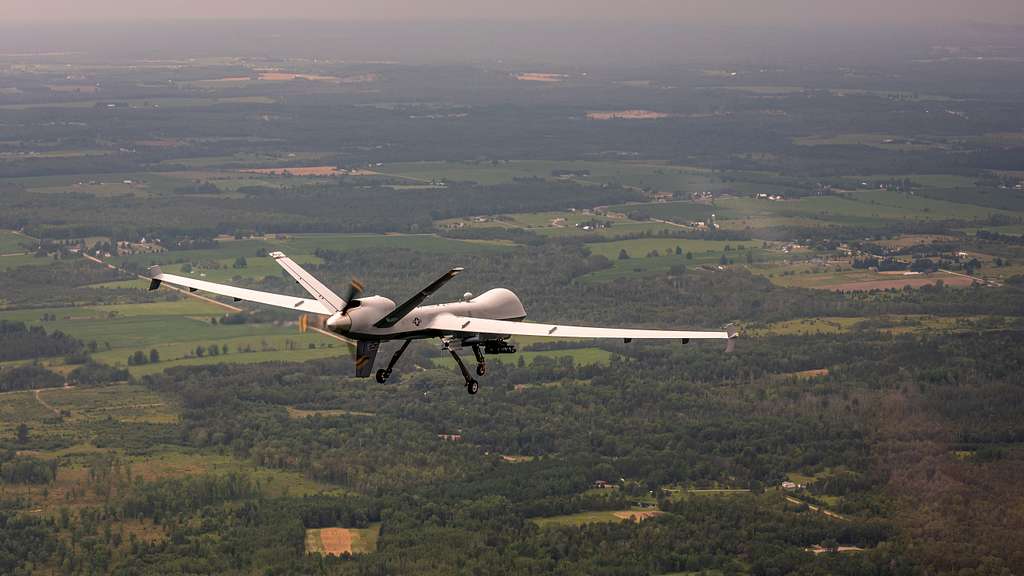
Drone strike footage has shaped public understanding of armored warfare, but visible kills do not equal complete analysis. FPV teams often record every strike, while failed attempts, jams, weather limits, and incomplete damage are less visible. That can distort how the threat is understood. At the same time, the correction is not to dismiss drones. Ukraine’s battlefield has shown that tanks now operate under constant aerial observation and repeated attack from multiple low-cost systems. The practical conclusion is not that every viral clip proves tank obsolescence. It is that armored doctrine cannot be built on either panic or denial.
7. Designing future tanks without redesigning how they move, hide, and fight
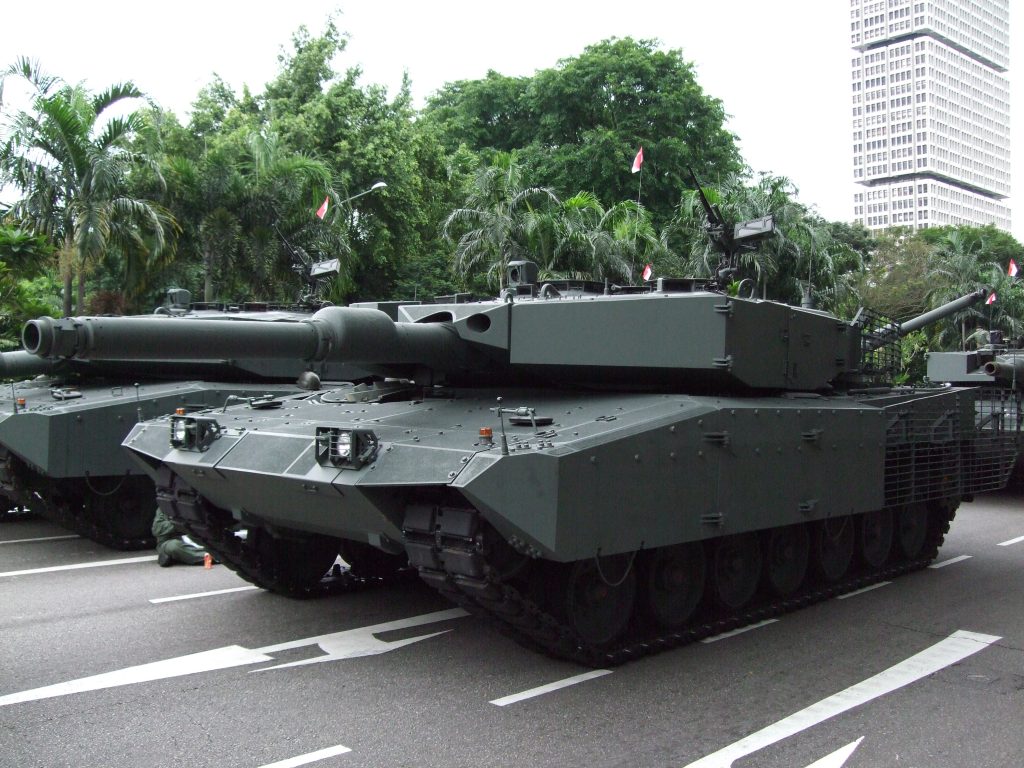
The M1E3 Abrams concept reflects the scale of change underway. Reporting on the redesign points to a hybrid diesel-electric powertrain, lower signatures, reduced weight, and integrated protection intended for a battlefield crowded with drones and missiles. Those choices matter because they address detection and survivability together. But a smarter tank alone will not rescue outdated practice. Large assembly areas, predictable movement, and exposed armored columns are increasingly vulnerable in a battlespace where there are no tanks in the world with complete passive protection against modern top-attack threats. If new platforms enter service under old assumptions, their advantages will erode quickly.
8. Failing to push adaptation down to the smallest fighting units
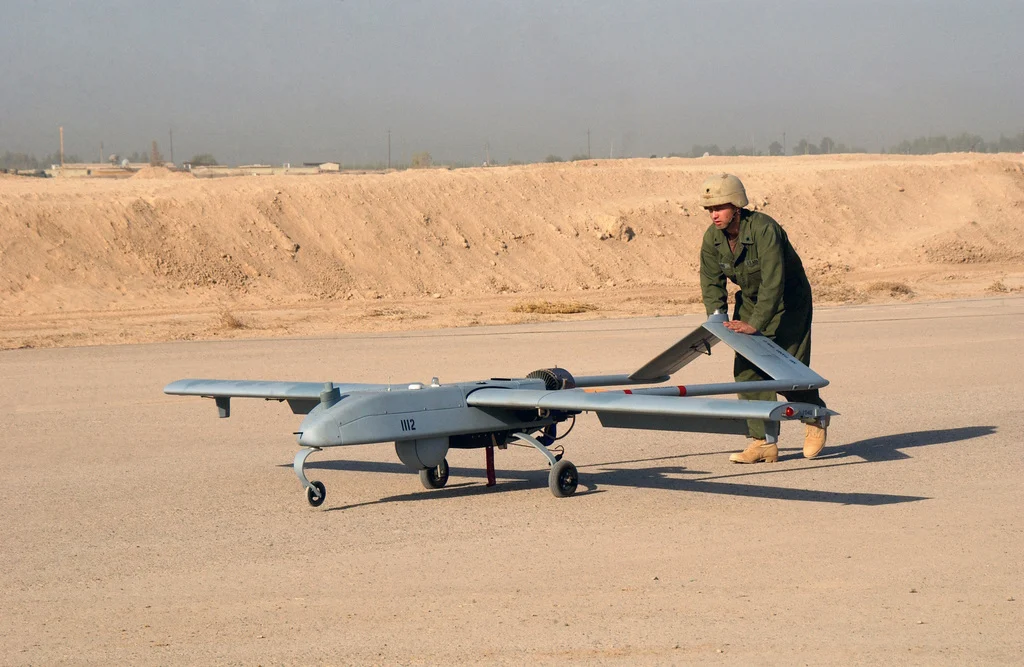
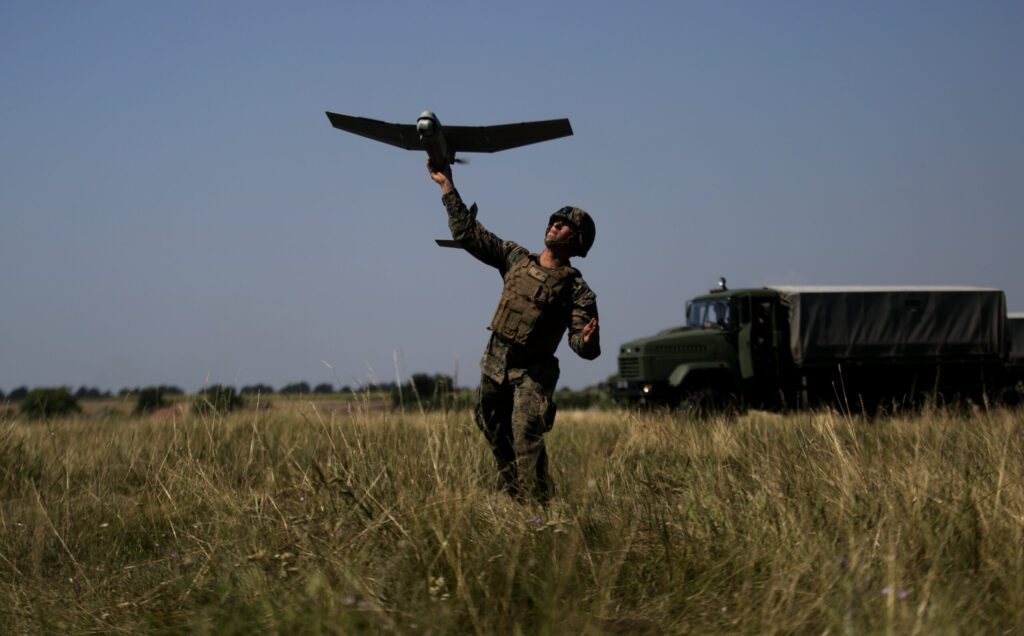
Loitering munitions and small reconnaissance drones have changed the tactical floor of warfare. Small units can now scout, strike, cue artillery, and threaten armor without waiting for higher headquarters. That compresses decision cycles and raises the cost of every exposed movement. For tank units, the implication is direct: survivability no longer depends only on brigade-level enablers. It depends on whether nearby infantry, engineers, scouts, and support units can detect aerial threats, manage signatures, and coordinate movement in the low-altitude air domain. Armored forces that train for drone defense only at specialized echelons are leaving daily tactical exposure unresolved.
The mistake that could make heavy tanks obsolete is not building tanks at all. It is keeping tank doctrine, protection, and organization tied to a battlefield that no longer exists. Heavy armor still delivers protected firepower, shock effect, and the ability to hold and retake ground. But in the drone age, those strengths survive only when tanks become part of a layered, lower-signature, drone-integrated combat system rather than the most visible object on the battlefield.


