Modern 9mm pistols often look new while relying on old answers. The grip angles, magazine capacities, locking systems, trigger layouts, and carry-friendly dimensions that dominate current service handguns were established over decades by a relatively small group of designs.
Some were copied directly. Others shaped the market by proving a concept that later engineers refined. Together, these eight service pistols explain why so many current 9mm handguns feel familiar even when their branding and materials appear radically different.
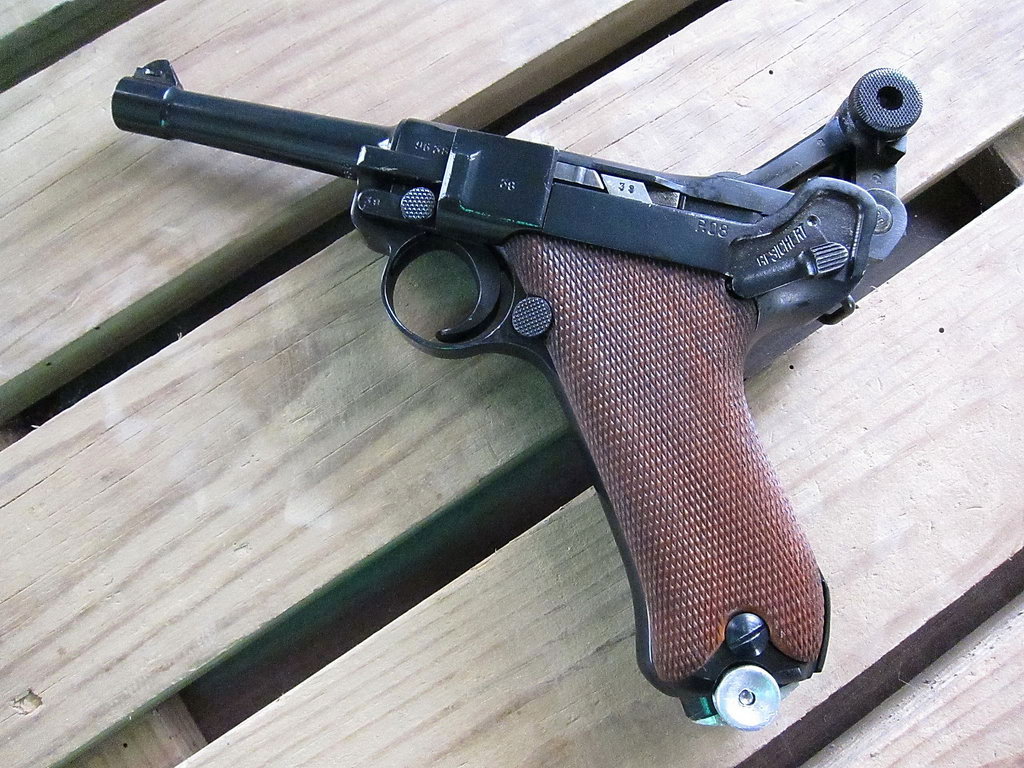
1. Luger P08
The Luger P08 matters less as a template for modern mechanics than as the pistol that helped cement 9x19mm as a service standard. Its toggle-lock system did not become the dominant path forward, but its larger influence was proving that a self-loading military sidearm in 9x19mm could achieve wide institutional relevance. That cartridge identity still shapes handgun engineering today. Modern pistols do not resemble the P08 internally, yet they inherit its biggest contribution: the normalization of a centerfire autoloader built around the 9mm service role. Without that early association, later service pistols would not have entered an already defined category.
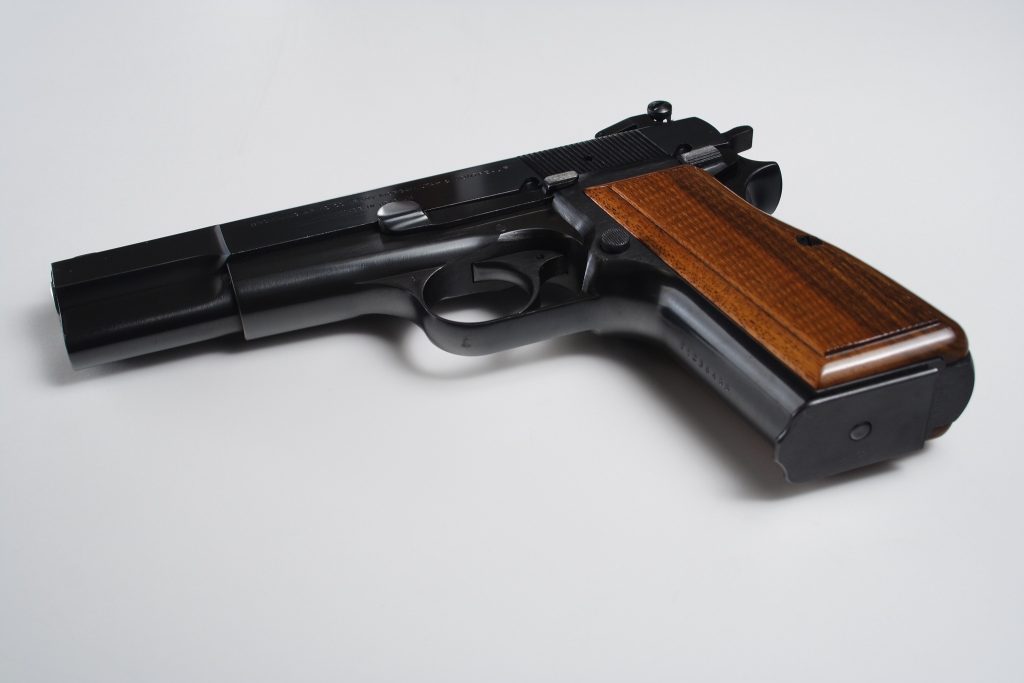
2. Browning Hi-Power
The Hi-Power established the high-capacity 9mm service pistol long before double-stack magazines became ordinary. Built around John Browning’s late work and Dieudonné Saive’s magazine development, it delivered a 13-round magazine in an era when that capacity altered expectations for what a military sidearm could carry. Its influence runs beyond ammunition count. The pistol’s grip shape, balance, and linkless barrel arrangement became enduring reference points for later handguns. The design also reached broad international service, with armed forces of over 50 countries adopting it in some form, which helped normalize the idea that a serious service pistol could combine durability with substantial onboard capacity.
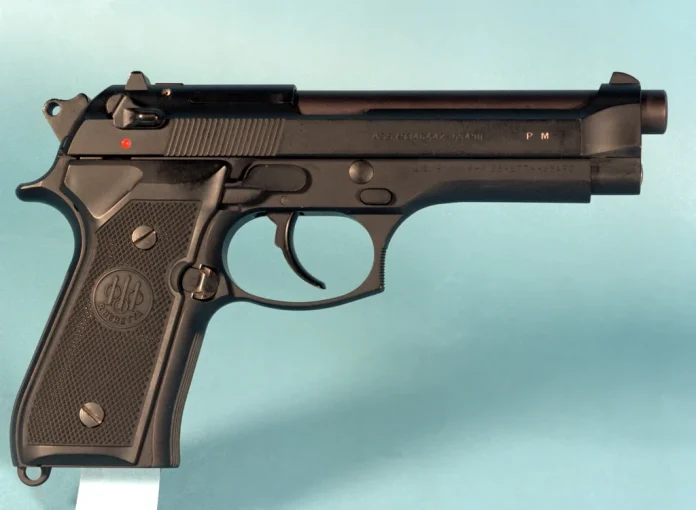
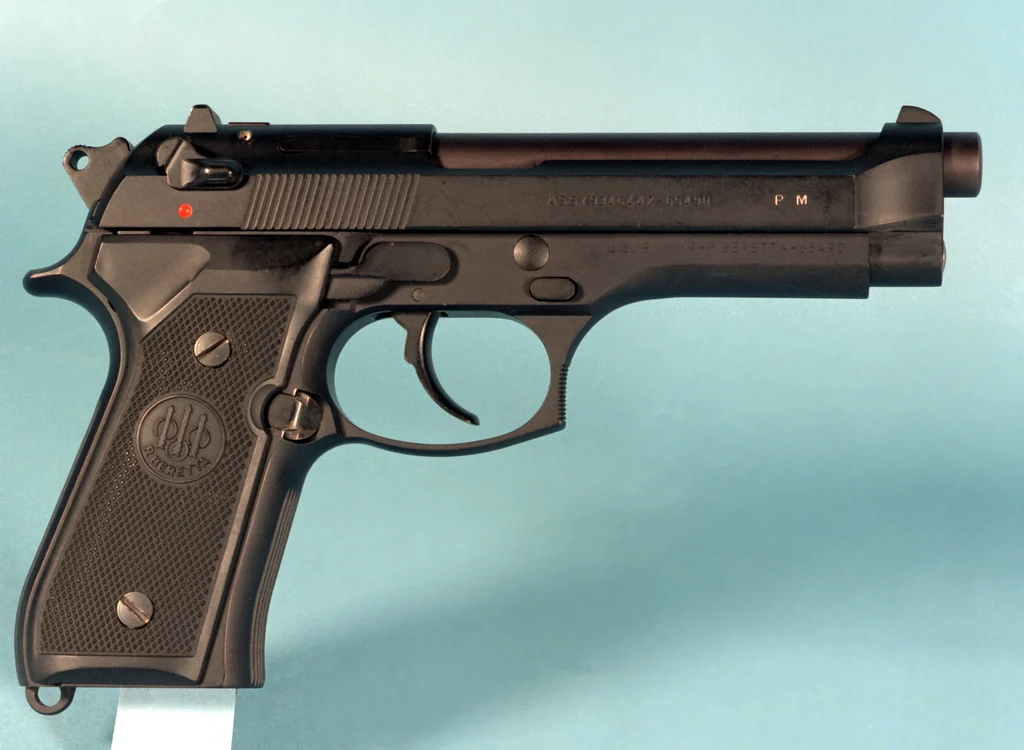
3. Beretta 92/M9
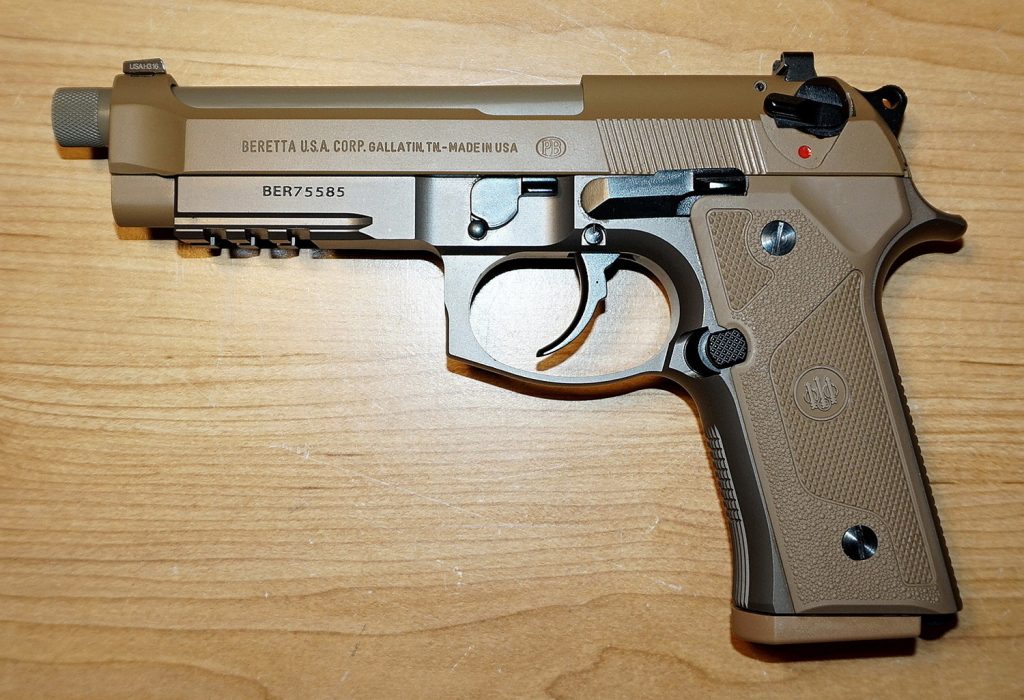
The Beretta 92 family gave the large metal-frame service pistol one of its most finished forms. Its open-slide profile and falling locking block made it visually and mechanically distinct, while its size, weight, and controllability helped define an entire generation’s expectations for duty handgun handling. The M9 designation amplified that influence. The platform was adopted by the U.S. military in 1985, turning it into a benchmark for holsters, maintenance programs, and training doctrine at scale. Its non-tilting barrel system also preserved a smooth recoil character that many shooters still associate with the platform. Even now, optics-ready and rail-equipped descendants show how much longevity Beretta built into the original architecture.
4. SIG Sauer P226
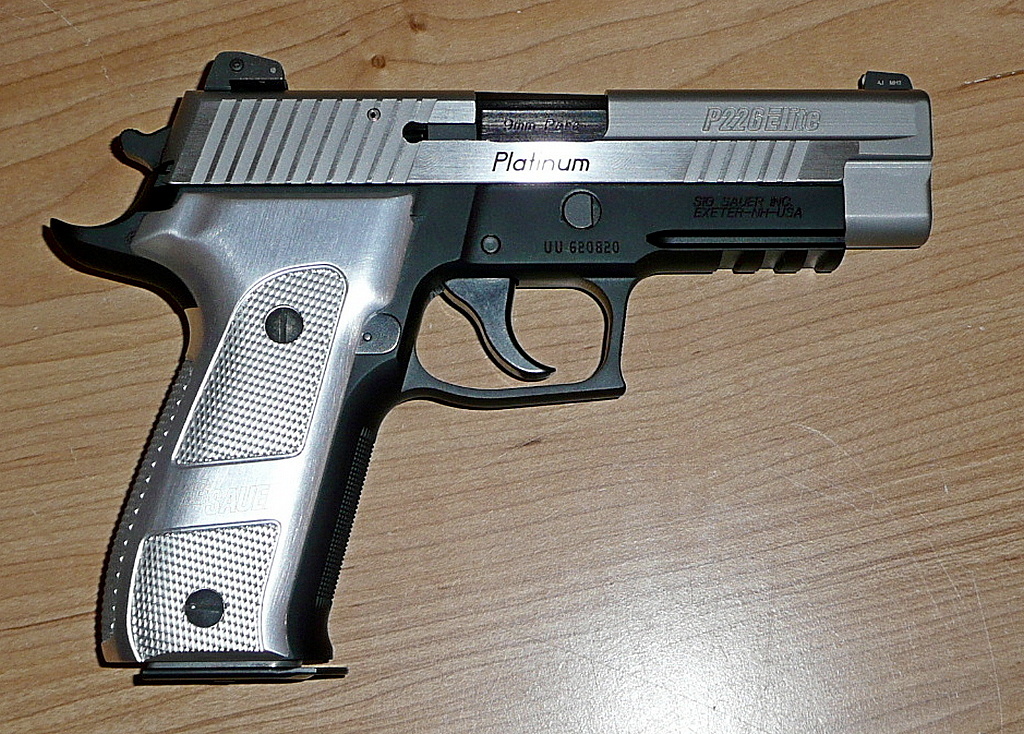
The P226 became a model for the institutional duty pistol that wins trust through endurance rather than novelty. Although it emerged from the same U.S. service pistol trials that elevated the Beretta, its reputation developed through reliability, accuracy, and long-term service acceptance across military and law enforcement circles. Current hammer-fired service pistols still echo its formula: full-size dimensions, robust alloy-frame construction, and a double-action/single-action trigger system meant for serious duty use. The P226 also showed that refinement could keep a classic operating format relevant even as polymer-framed striker-fired guns began taking over the market.
5. Heckler & Koch VP70
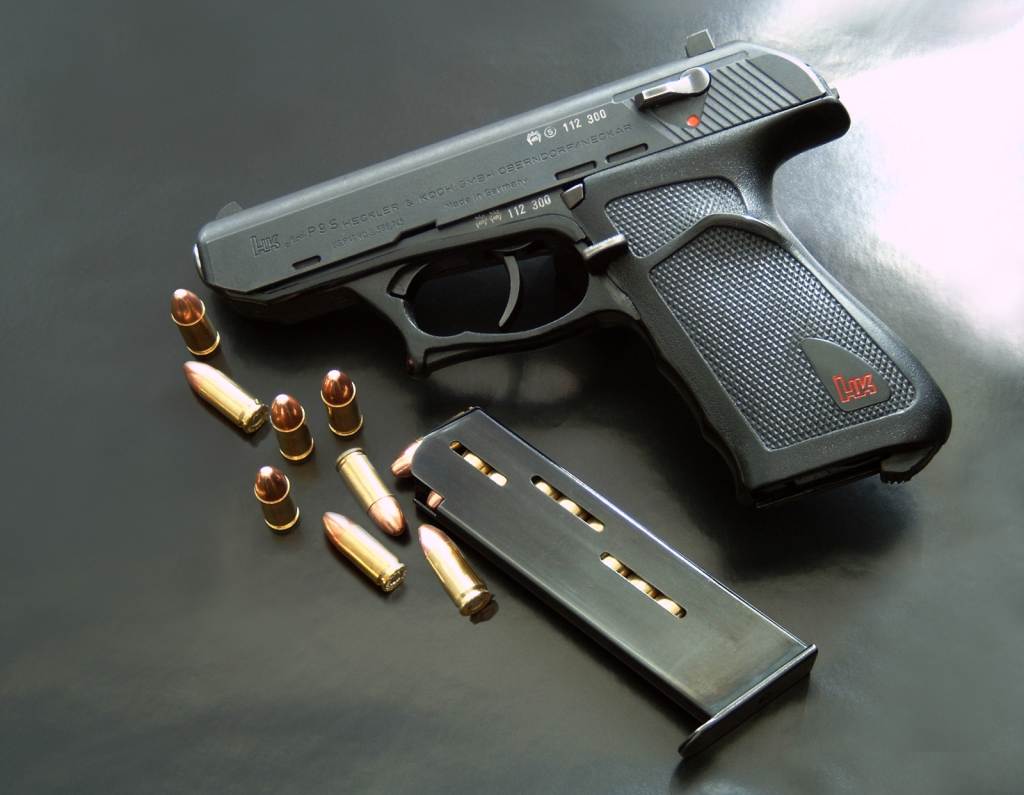
The VP70 arrived too early for most of the market, which is exactly why it remains important. It is widely recognized as the first production polymer handgun, and it paired that frame material with an unusually large magazine capacity long before polymer service pistols became commonplace. Its trigger characteristics and overall reception kept it from becoming a universal favorite. Still, the core idea endured. The VP70 demonstrated that service handguns did not have to be steel or aluminum to be credible, and that shift opened the conceptual door for the polymer era that followed.
6. Glock 17
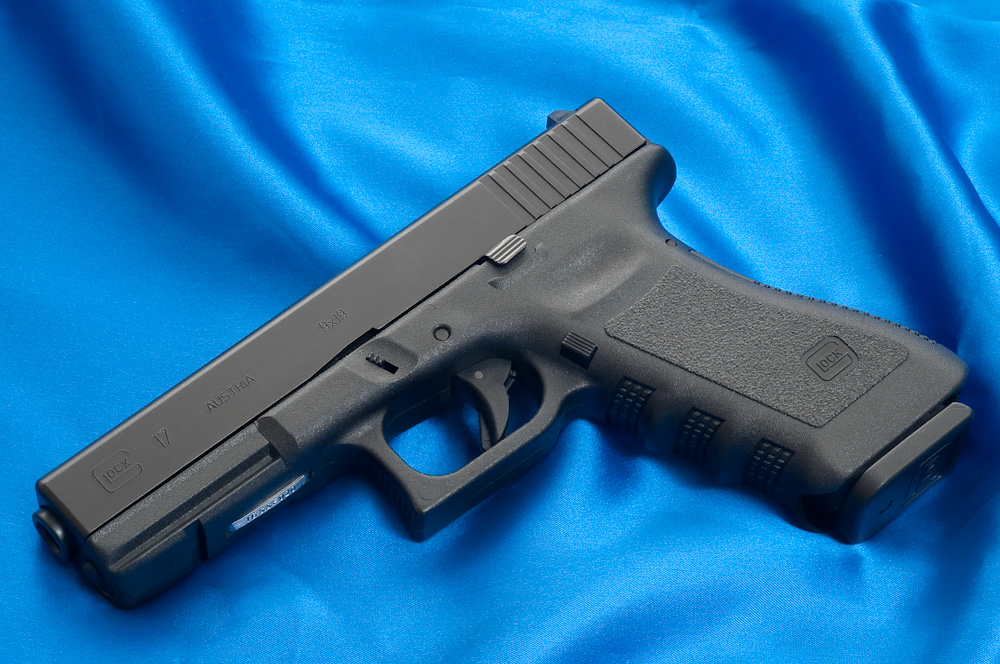
The Glock 17 turned polymer, striker-fired simplicity from a curiosity into the dominant service-pistol formula. Light weight, high capacity, minimal external controls, and straightforward maintenance came together in one package, forcing competing manufacturers to reconsider what a duty gun needed to be. That influence remains visible everywhere. The general layout of today’s service pistols polymer frame, striker system, consistent trigger pull, and reduced control clutter owes an obvious debt to Glock’s template. Its adoption by the Austrian Army in the early 1980s gave the design early institutional legitimacy, but its larger achievement was resetting the baseline for modern sidearms.
7. Glock 19
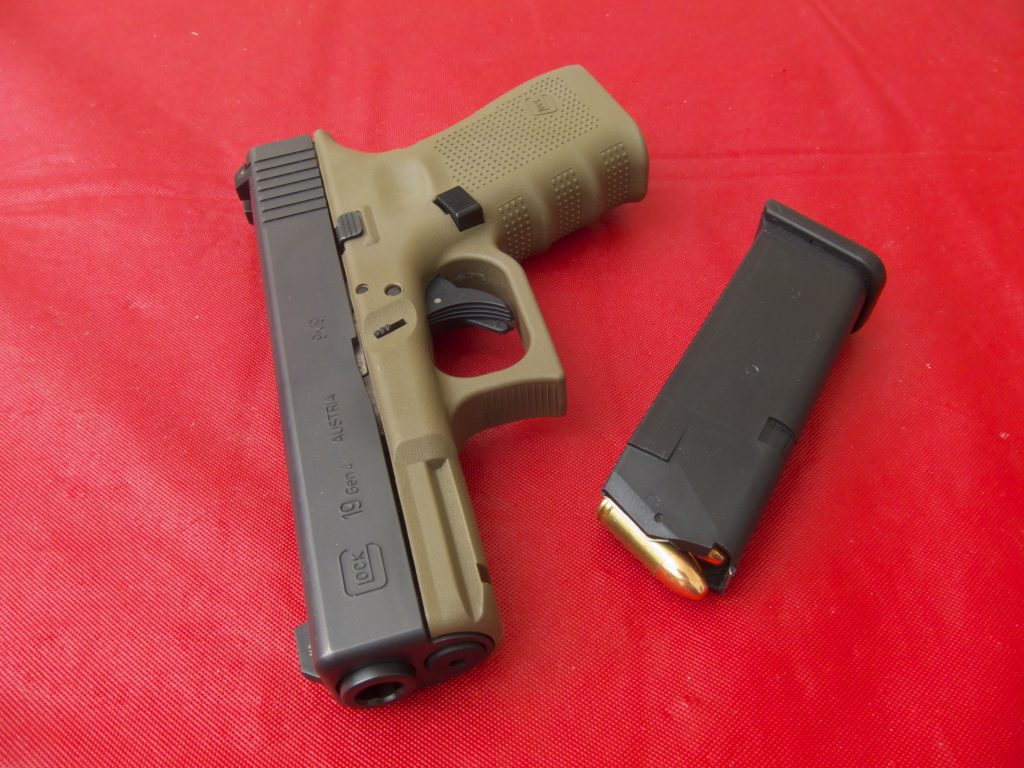
If the Glock 17 defined the service standard, the Glock 19 defined the modern compromise. It proved that a pistol could be compact enough for regular carry while remaining large enough for duty, training, and home-defense use. That balance made the mid-size 9mm one of the handgun industry’s most copied dimensions. This was a market-shaping idea, not just a successful product. Many current 9mm pistols are built to nearly the same size envelope because the Glock 19 established the practical center of gravity for a “one gun” role. Its influence extends beyond mechanics into product planning, holster ecosystems, and accessory compatibility.
8. CZ 75
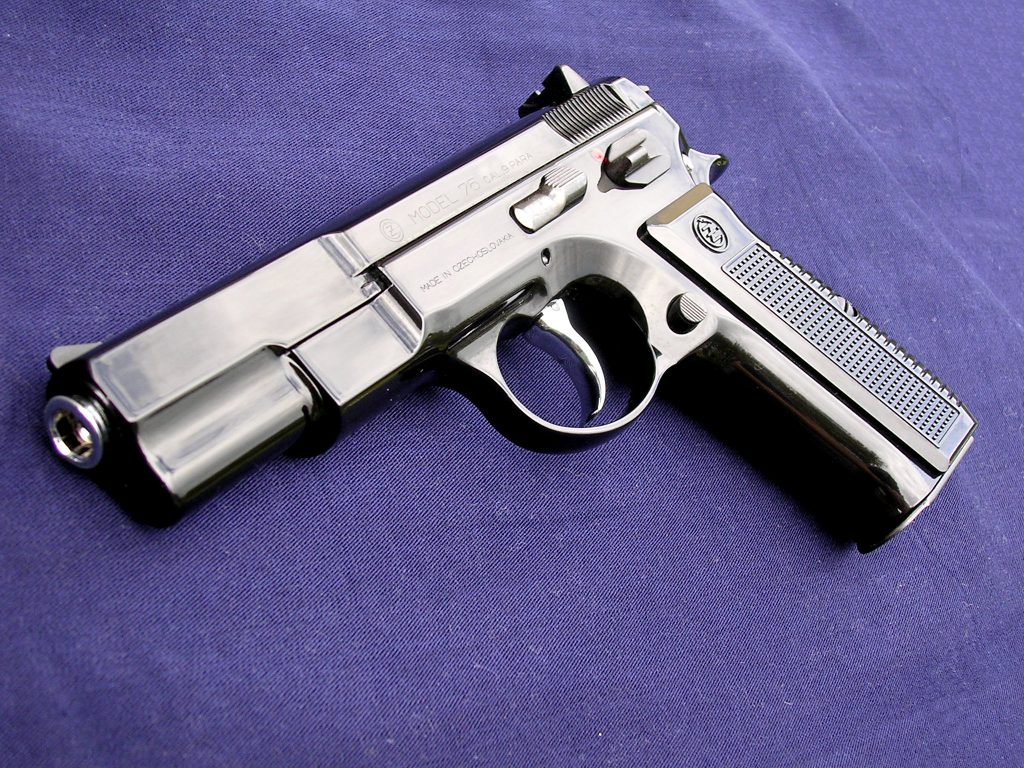
The CZ 75 proved that a steel-frame DA/SA pistol could feel unusually natural in the hand without sacrificing service-grade credibility. Its inside-the-frame slide rails, low bore feel, and widely praised ergonomics created a handling profile that inspired generations of clones and derivatives. That cloning is the strongest evidence of influence. Designers repeatedly returned to the CZ 75 because its geometry worked. The pistol showed that comfort, controllability, and practical accuracy were not secondary traits but central parts of service-pistol design. Many later handguns that feel exceptionally “pointable” are following ground it helped define.
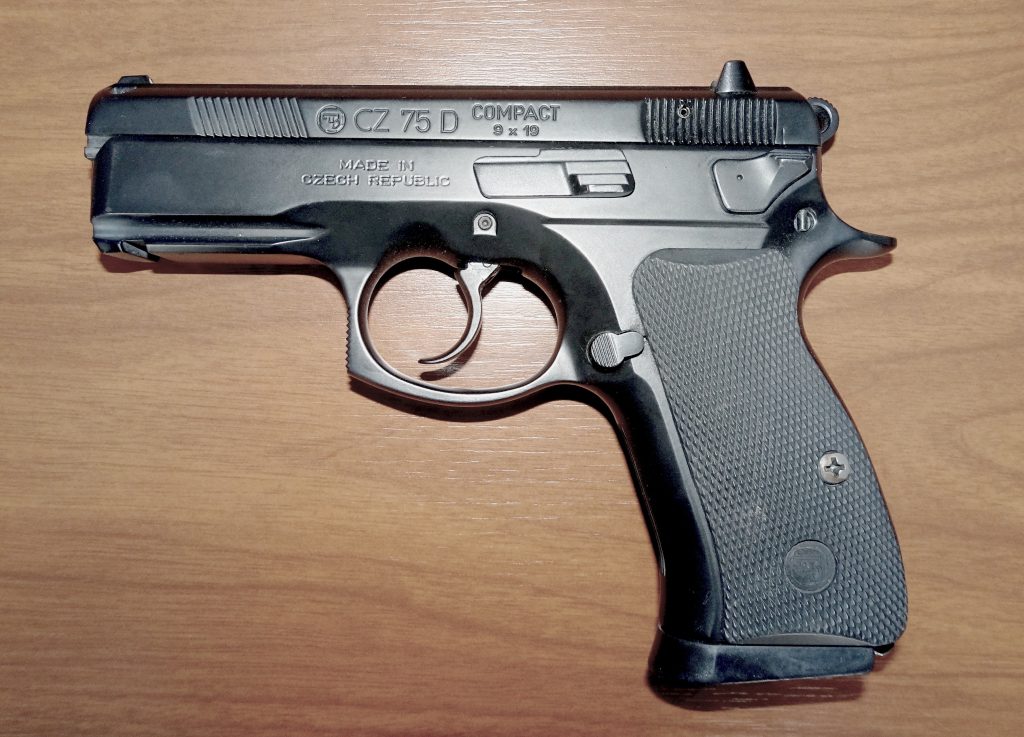
Modern 9mm pistols differ in finishes, optics cuts, modular backstraps, and accessory rails, but the core ideas are older than the marketing language around them. Capacity from the Hi-Power, institutional durability from the P226 and Beretta, polymer ambition from the VP70, and the striker-fired formula crystallized by Glock still dominate the category. That is why so many current service pistols feel less like fresh inventions than updated interpretations. The engineering changes, but the successful patterns remain.


