The deer-caliber argument still gets framed the wrong way. Too many hunters keep treating cartridge choice like a search for the highest energy figure on a box flap, when the real question is whether the bullet will reach the vitals, expand as intended, and let the shooter place it precisely.
That old mistake survives because energy is easy to compare and hard to resist. Bigger numbers look decisive. In the field, though, deer are not dropped by math alone, and a cartridge that punishes the shooter or carries the wrong bullet can be a worse tool than a modest round used well.
1. Confusing energy numbers with killing effect
Kinetic energy has value as a reference, but it is not a complete predictor of terminal performance. As one experienced hunter wrote in a long-running elk discussion, “Shot placement is the most critical.” That same thread repeatedly pushed the idea that energy figures can distract from what actually matters at impact: penetration, expansion, and the ability to damage the heart-lung area. That matters on deer too. Older rules of thumb such as 1000 ft-lbs for deer-sized game remain useful as broad guidelines, but they are not hard laws. Historic cartridges with lower paper energy have taken deer cleanly for generations because bullet diameter, construction, and shot distance all shape the result.
2. Ignoring impact velocity
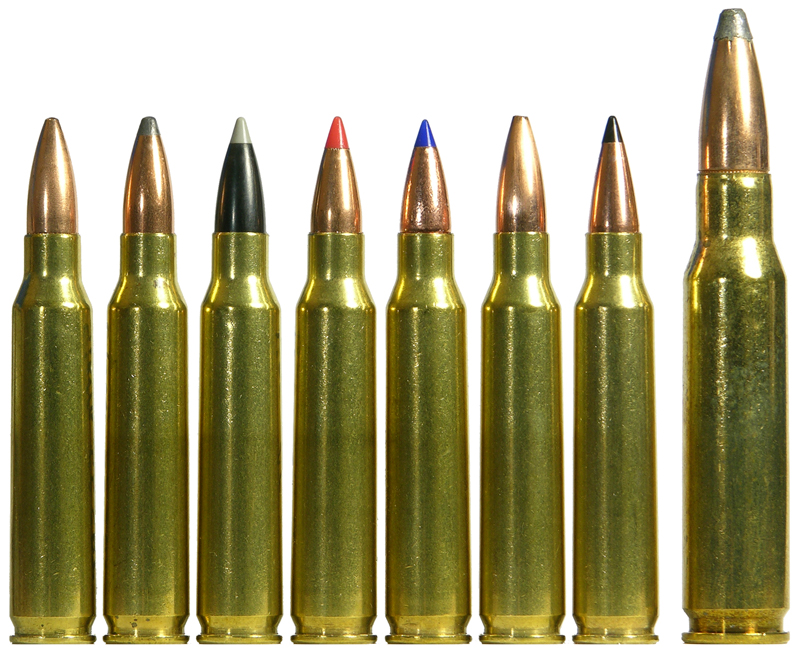
Many hunters still shop by muzzle energy, even though bullet performance depends heavily on speed at the target. Modern hunting bullets are built around certain velocity windows, and a bullet that arrives too slowly may not expand well. A bullet that arrives too fast can over-expand or shed weight too quickly. For deer rifles, impact velocity is often the more practical measure. The Outdoor Life analysis notes that many bullets expand reliably between 1,600 and 1,800 fps, while a smaller cartridge like the .223 benefits from a more conservative threshold of around 2,000 fps. That approach ties cartridge choice to realistic distance and bullet design instead of raw bragging rights.
3. Choosing recoil over shootability
A common deer-hunting error is stepping up to more cartridge than the shooter can use well from field positions. Rifles are not fired from concrete benches in the woods. Shots often come quickly, from awkward rests, short windows, and elevated heart rates. Lighter-recoiling rounds make a difference here. The .223 Remington has earned renewed attention not because it is magical, but because it is accurate, easy to practice with, and more forgiving to shoot under pressure. In realistic deer conditions, a hunter who trains often with a mild rifle can outperform a hunter carrying a hard-kicking magnum that rarely gets fired outside of sight-in day.
4. Treating all bullets in a caliber as equal
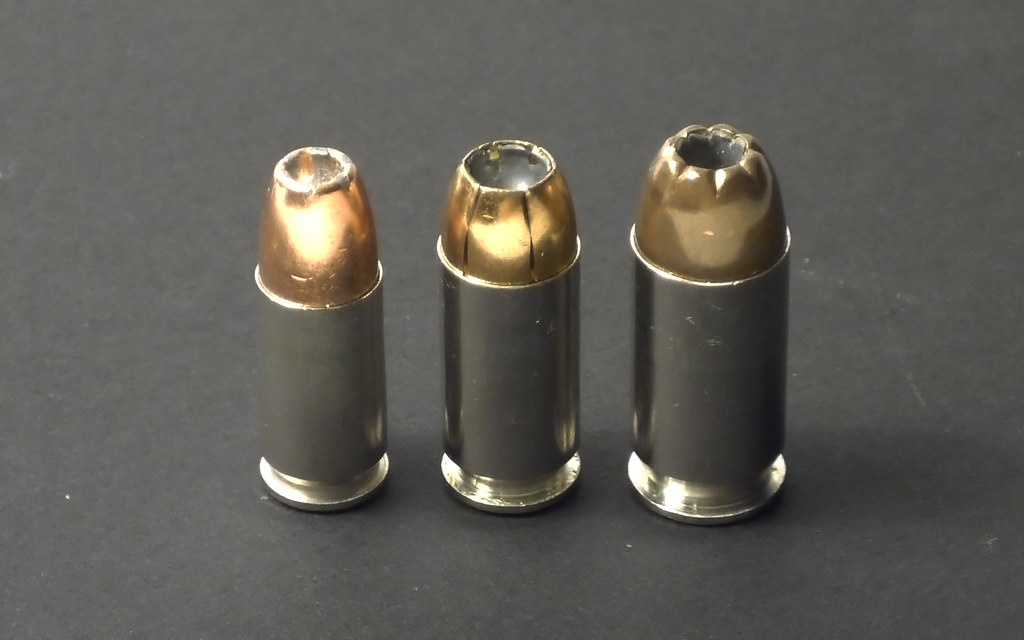
Caliber alone does not determine suitability for deer. Bullet type does. A .223 loaded with FMJ or thin varmint bullets is a poor comparison to a .223 loaded with heavier controlled-expansion hunting bullets. The same principle applies across all deer cartridges. The Outdoor Life discussion emphasizes that 69- to 80-grain hunting bullets can provide the penetration needed for deer when used inside appropriate limits. Petersen’s broader cartridge analysis reaches the same conclusion from another direction: construction governs whether a bullet expands, holds together, and penetrates through the chest cavity. Hunters who choose a caliber first and a bullet second often have the process backward.
5. Expecting every deer to drop in its tracks
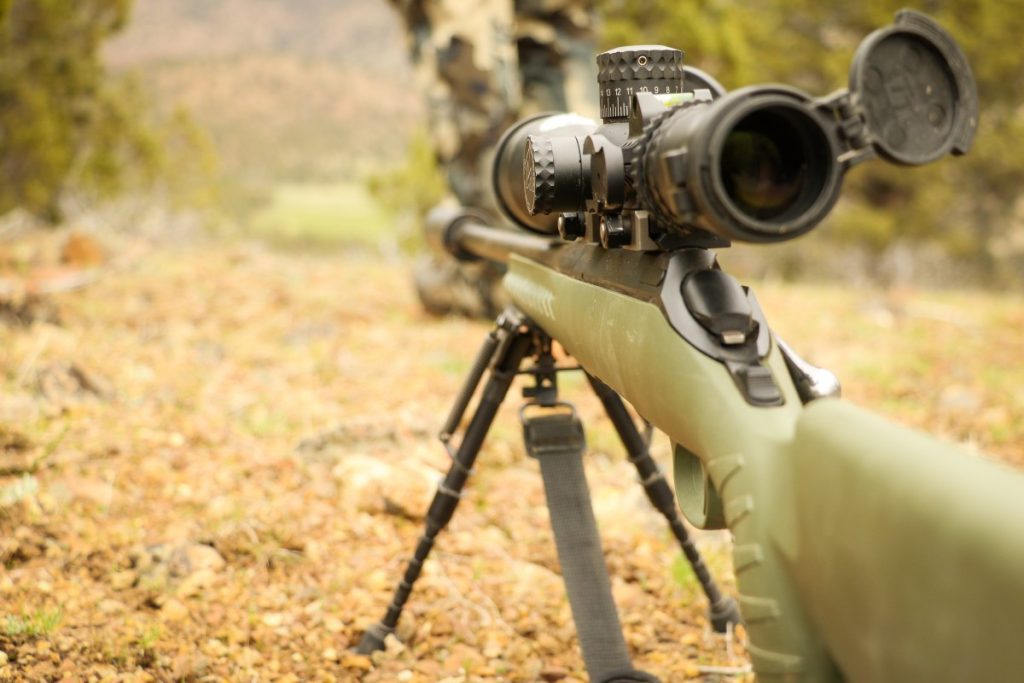
This expectation distorts caliber debates more than many hunters realize. A deer that runs after a well-placed shot does not automatically prove the cartridge was inadequate. Even solid lung hits often allow an animal to cover ground before expiring. That is why experienced rifle hunters keep coming back to the double-lung shot. It offers a larger, more forgiving target than the spine or neck and works across a wide range of deer cartridges. Instant collapse is more about exact impact location than caliber label.
6. Forgetting that frontal area and bullet weight still matter
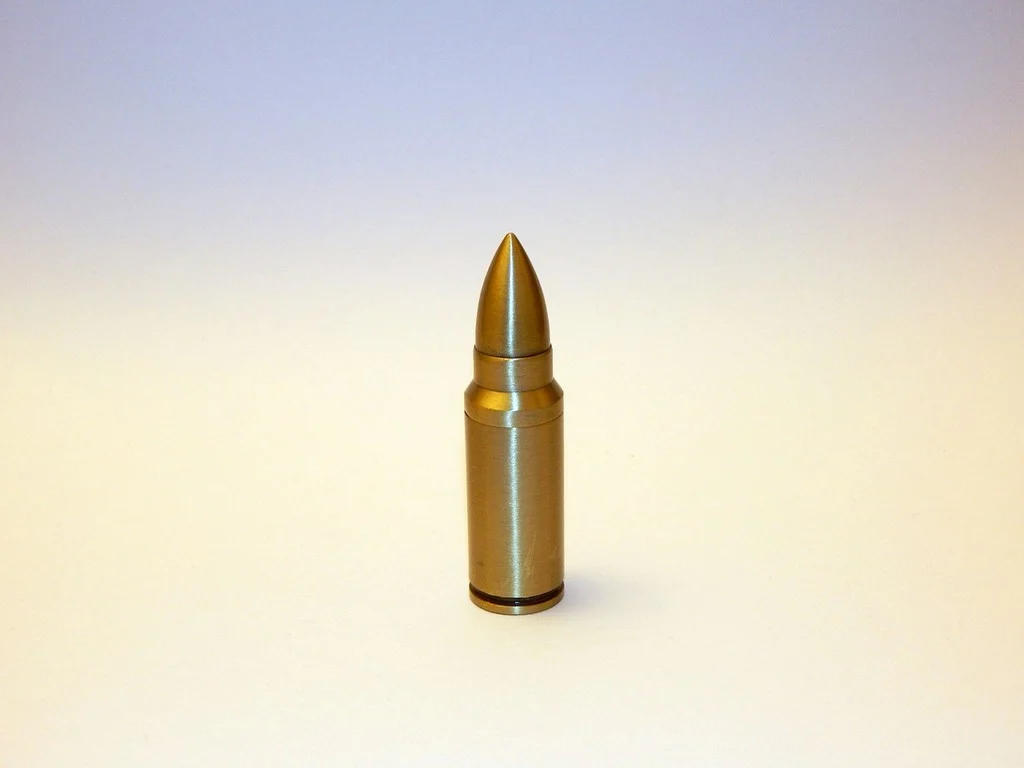
Energy formulas heavily reward velocity because speed is squared in the calculation. That can make lighter, faster bullets look superior on paper. Real animals complicate that picture. Bullet diameter, retained mass, and shape all influence how a projectile disrupts tissue and how deeply it penetrates.
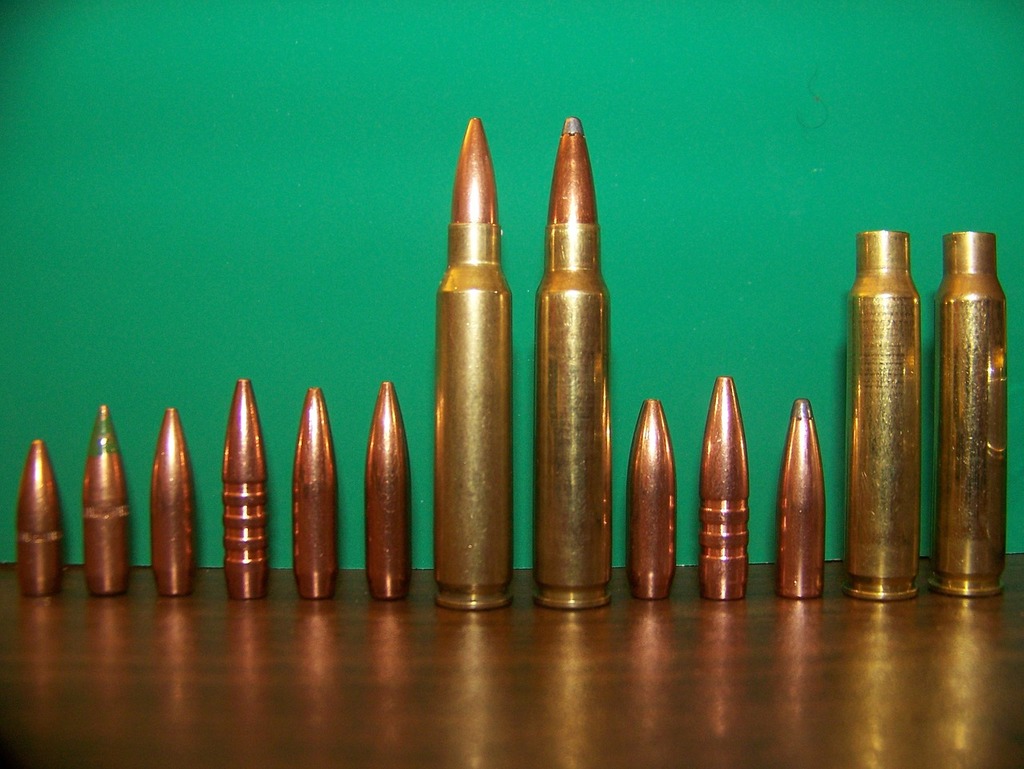
Petersen’s analysis argues that frontal area and heavier-for-caliber bullets can offer practical advantages, especially when construction is similar. That helps explain why some medium-velocity rounds and traditional deer cartridges keep performing beyond what their spreadsheets suggest. Paper ballistics do not tell the whole story.
7. Using a deer rifle outside its honest range
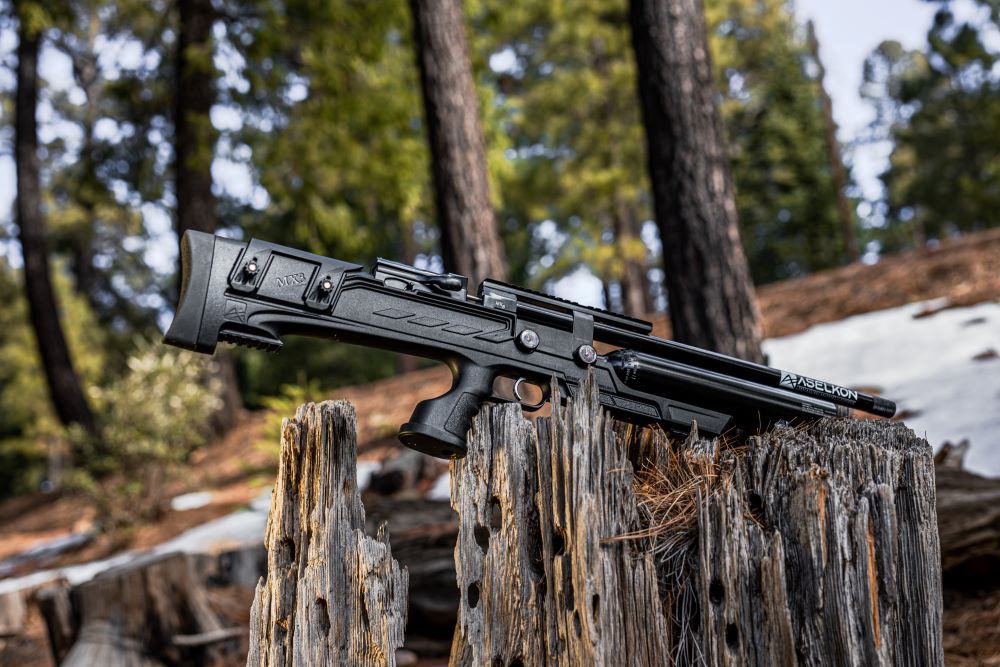
Every deer cartridge has a working envelope. The mistake is not carrying a smaller round; the mistake is stretching it past the point where the bullet still performs correctly and the shooter can still place it on demand. For the .223 with suitable hunting bullets, Outdoor Life notes that many loads remain effective to 300 yards, and sometimes to 400, when impact speed stays high enough for reliable upset. The same logic applies upward. A larger cartridge does not cancel range limits. If velocity drops below the bullet’s expansion threshold, even a well-known big-game round can act more like a solid than an expanding hunting projectile.
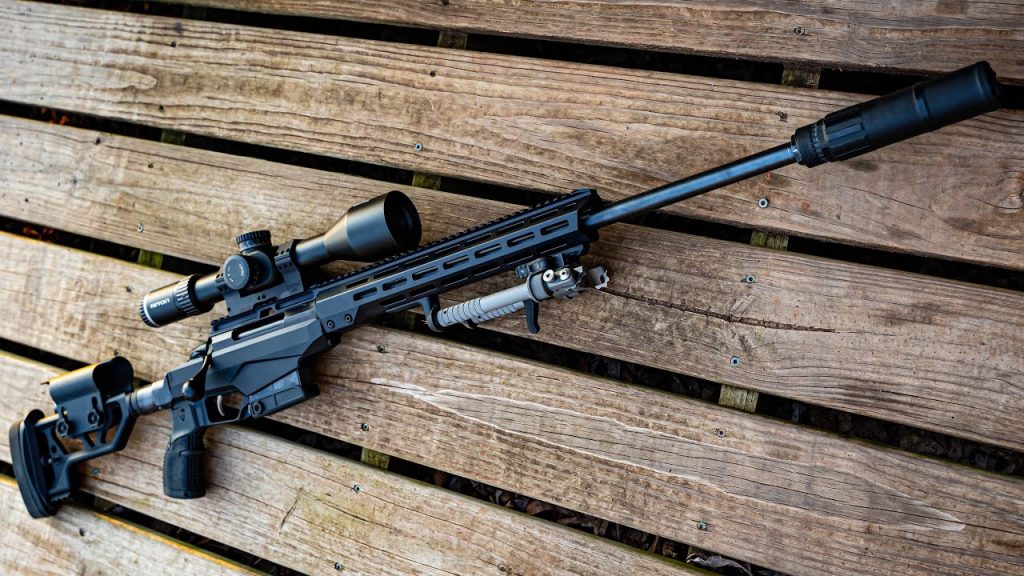
The enduring caliber mistake is simple: many deer hunters still chase cartridge size when they should be evaluating bullet performance and shot placement. Deer rifles work best as systems, not slogans. A practical deer setup balances recoil, accuracy, bullet design, expected shot distance, and legal requirements. When those pieces line up, the cartridge stamp on the barrel matters less than campfire arguments suggest.


