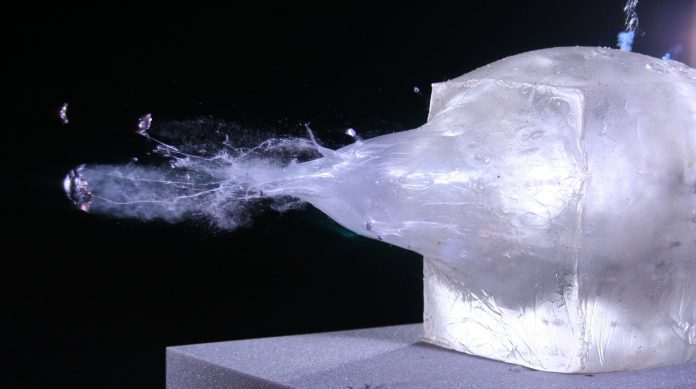
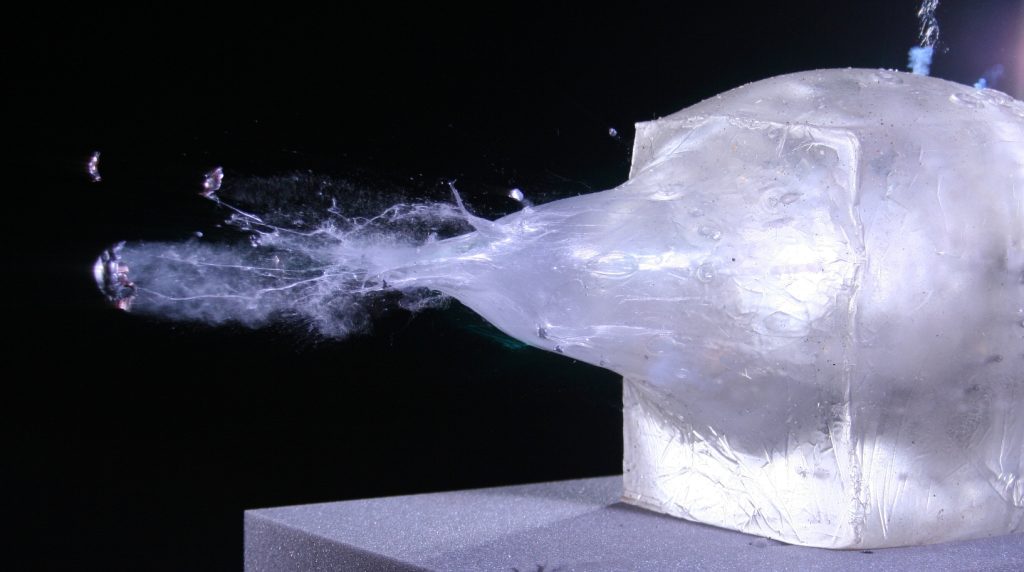
Ballistic gelatin has become one of the few ways to compare handgun ammunition without drifting into folklore. It does not duplicate a human body, and it does not answer every question, but it offers a repeatable test medium for measuring penetration and expansion under controlled conditions.
That matters because handgun debates have long been crowded with assumptions about caliber, speed, recoil, and “stopping power.” Gel testing keeps stripping many of those claims down to what bullets actually do after impact.
1. Bigger caliber automatically means better terminal performance
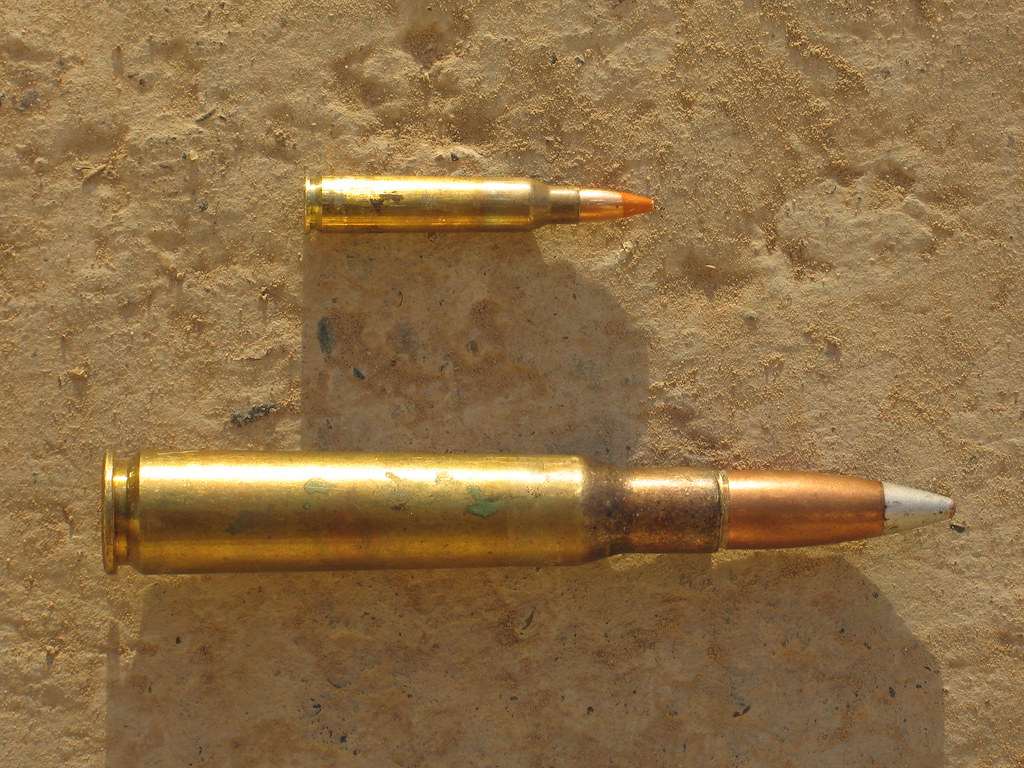
Gel tests regularly show that caliber alone does not guarantee superior results. Modern bullet construction often matters more than headstamp. A well-designed 9mm, .40 S&W, or .45 ACP load can all perform within the widely cited 12- to 18-inch penetration window when the projectile is engineered to expand without sacrificing depth. The old idea that a larger bullet settles the argument by itself has not held up well in calibrated gel. .45 ACP still depends on proper bullet design, and when expansion fails, its larger diameter does not prevent excessive penetration. The same pattern appears across service calibers: projectile design, retained weight, and controlled expansion repeatedly matter as much as bore size.
2. Faster is always better
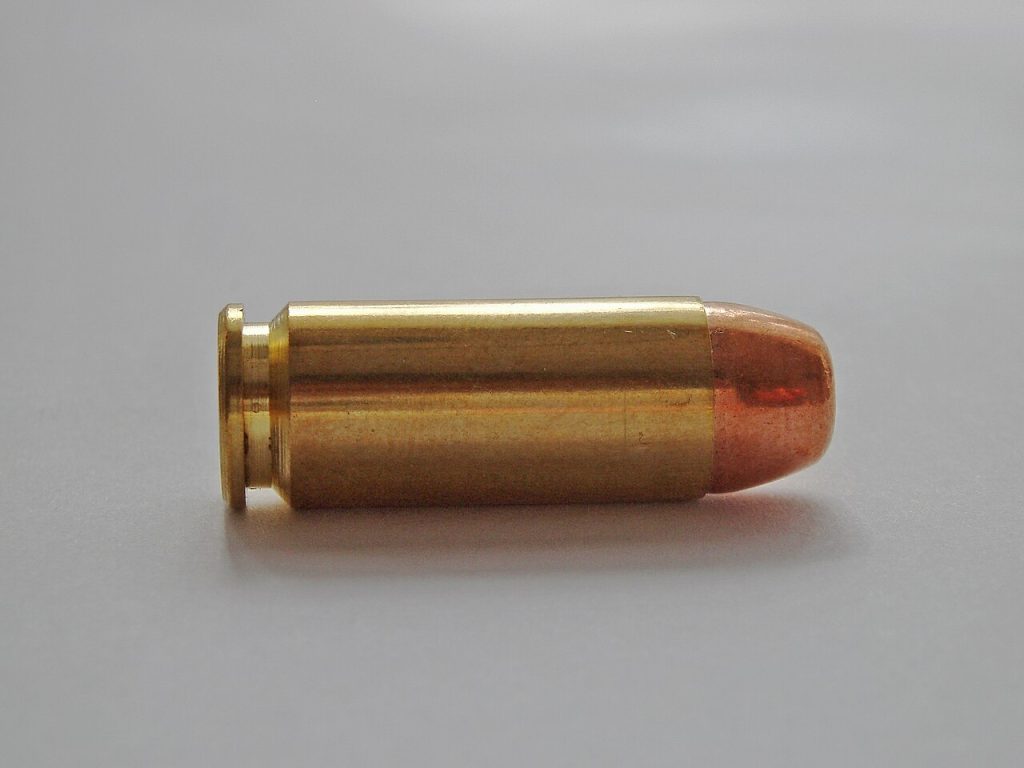
Velocity has obvious value, but gel testing keeps showing that more speed is not automatically more useful. In several loads, extra velocity can push expansion outside its ideal range or drive penetration beyond what designers intended. 10mm Auto is one of the clearest examples. It has ample power, yet test results have shown that only some loads balance that power well enough to stay in the preferred penetration band while still expanding reliably. The recurring lesson is simple: bullets must be built for the speed they are launched at, not merely launched as fast as possible.

3. Ballistic gel proves exactly what will happen in a real shooting
This myth survives because gel blocks produce clean, visual results. Even so, the medium has limits. Forum discussions around short-barrel tests repeatedly point out that gelatin has no bone, no shifting body position, and no complex tissue layering. It is best understood as a comparison tool, not a prediction engine. That does not make it unimportant. It makes it useful in a narrower, more disciplined way. When the same test medium is used correctly, it can show whether one load expands more consistently, whether another plugs through clothing, or whether a bullet stops short. What it cannot do is reduce every defensive question to a single block of gel.
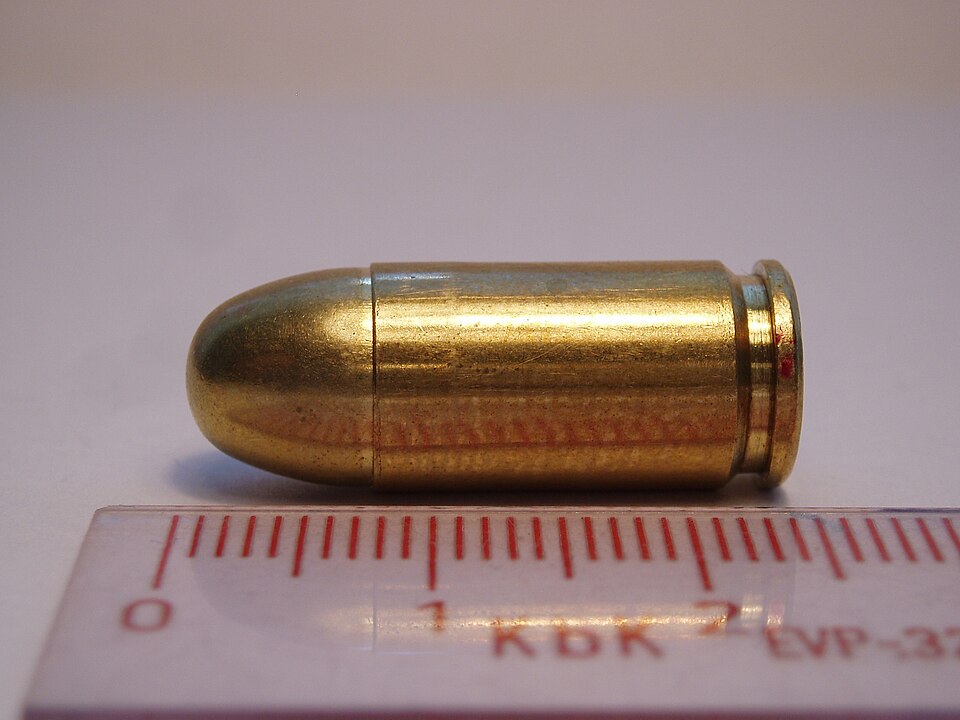
4. .380 ACP is always too weak to be taken seriously
Improved ammunition design has made this one harder to defend. Short-barrel gel comparisons discussed by shooters showed some .380 defensive loads coming surprisingly close to 9mm results, especially in expansion and practical penetration from compact pistols. In one widely discussed comparison, a 124-grain 9mm reached 15.25 inches, while the paired .380 load reached 11.25 inches. That is not parity, but it is far from the old caricature of .380 as a purely marginal cartridge. The gap remains real, yet modern loads have narrowed it enough that gel testing no longer supports blanket dismissal.

5. More recoil means dramatically better effect on target
Recoil often gets mistaken for terminal authority. Gel blocks say otherwise. A load can feel stout in the hand and still fail to deliver balanced penetration and expansion, while a softer-shooting load may perform very well. This has become especially clear with modern 9mm service loads, which helped establish the cartridge as a baseline because they combine controllability with reliable penetration. It also appears in 10mm discussions, where practical testing has found that recoil is often less punishing than rumor suggests, and terminal performance still depends on bullet construction rather than blast and muzzle rise.
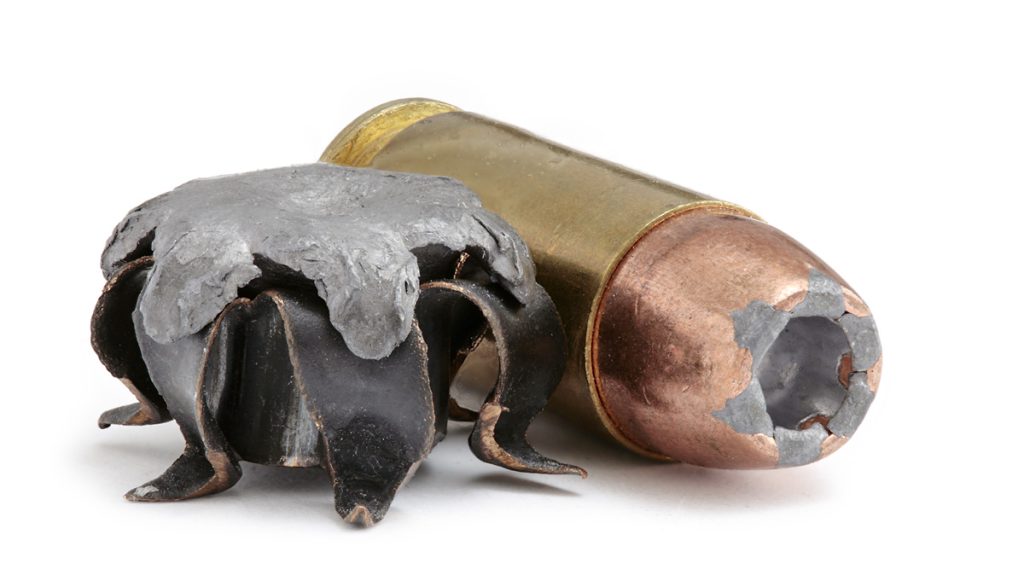
6. Hollow points always expand the way the box suggests
They do not. Heavy clothing can clog a cavity, barrel length can alter impact velocity, and weak designs may either fail to open or open too quickly. Gel testing through denim and similar barriers keeps exposing how sensitive expansion can be to bullet design. That is why the strongest defensive loads earn their reputations through consistency, not advertising language. Even proven calibers can produce underperformance when hollow points are poorly matched to velocity or short barrels. The bullet that expands beautifully in one setup may act very differently in another.
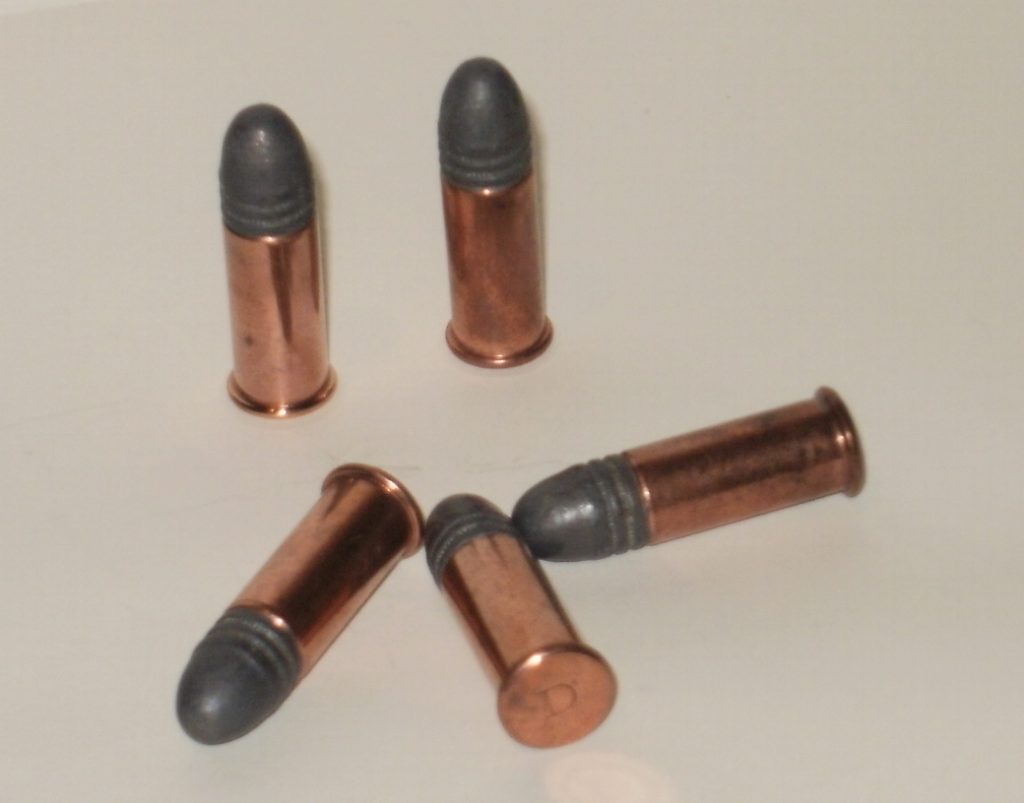
7. Rimfire is close enough to centerfire for serious defensive reliability
Ballistic performance is only part of the story. Ammunition reliability still matters, and longstanding shooter experience continues to separate rimfire from centerfire on that point. Discussions of ignition problems in .22 rimfire repeatedly describe occasional failures that disappear when a round is rotated and struck again, a reminder of how rimfire priming differs from centerfire ignition. That gap is not a gel issue, but gel testing often draws attention to a larger myth: that all handgun cartridges should be judged by wound track alone. They should not. Reliability remains part of terminal effectiveness, and centerfire ammunition retains an advantage that raw gel results cannot erase.
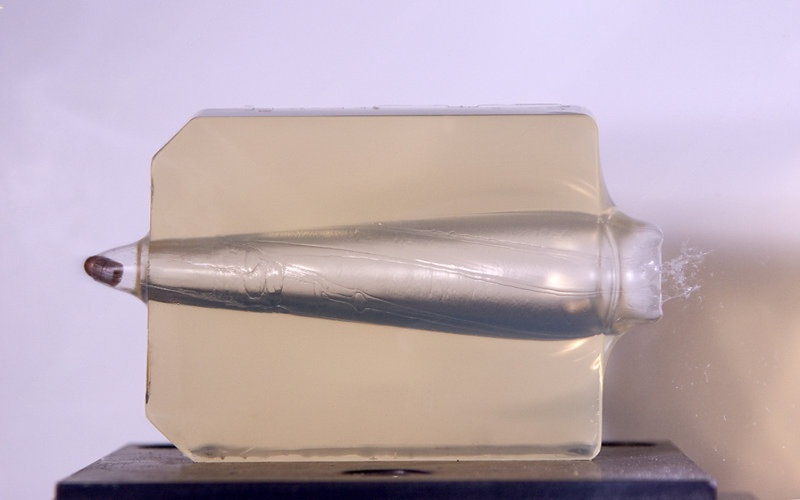
8. FBI standards are outdated or irrelevant to ordinary handgun use
The standard is often misunderstood. It was designed to ensure that a bullet can still reach vital structures after passing through clothing or intermediate obstacles, not to promise one ideal outcome in every circumstance. That is why the penetration range remains a common reference point instead of a historical footnote. Loads that repeatedly meet it continue to anchor serious ammunition discussions because the benchmark gives testers and shooters a common language.
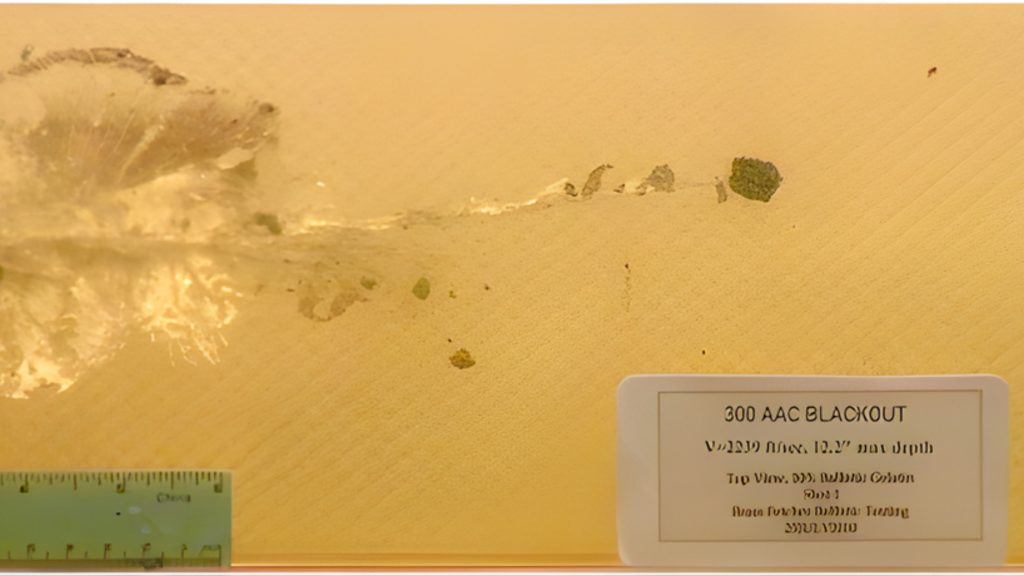
It is not mythology-proof by itself, but it is one of the few standards that makes handgun performance easier to compare without relying on anecdotes. Gel blocks do not settle every argument, and they were never meant to. Their value lies in exposing weak assumptions with repeatable evidence. The pattern across modern handgun testing is consistent: bullet design, penetration depth, expansion behavior, and reliability matter more than caliber slogans. That is why ballistic gel keeps overturning myths that once sounded settled.


