
The FBI’s 12-to-18-inch penetration benchmark changed handgun-ammo evaluation by shifting the conversation away from caliber labels and toward repeatable terminal performance. In calibrated gelatin, that window is meant to show whether a bullet can still reach vital structures after clothing, angle, or an intervening limb complicates the path.
That standard also exposes where some handgun rounds run out of room. Smaller cartridges, lightweight defensive loads, and aggressively expanding bullets often give up the depth needed to consistently reach the 12- to 18-inch penetration range. Gel is only a comparison tool, not a complete stand-in for human anatomy, but it remains useful for spotting patterns in cartridges that repeatedly come up short.
1. .25 ACP
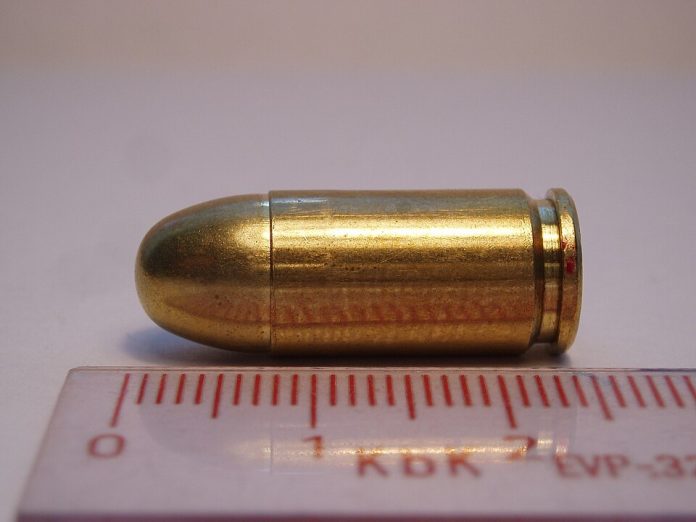
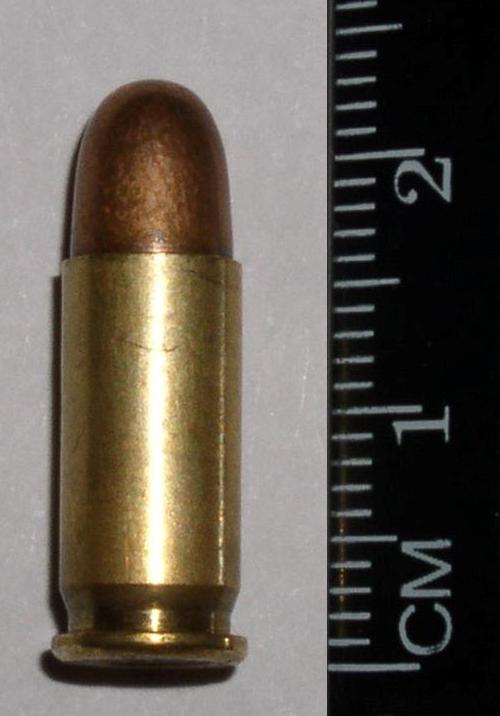
.25 ACP sits near the bottom of the handgun-power spectrum, and heavy-clothing gel tests have repeatedly shown why it struggles under the FBI yardstick. In pocket-pistol testing, most loads showed modest penetration, and even full metal jacket offerings did not reliably deliver the depth expected from larger service cartridges.
The most telling detail is that only one tested load managed to place all five bullets past the 11-inch mark in the pocket-pistol gel series, leaving the caliber generally below the FBI minimum. That pattern matters because .25 ACP lacks the velocity and bullet mass to recover much performance once a hollow point expands or begins to slow in fabric-heavy barriers.
2. .32 ACP JHP loads
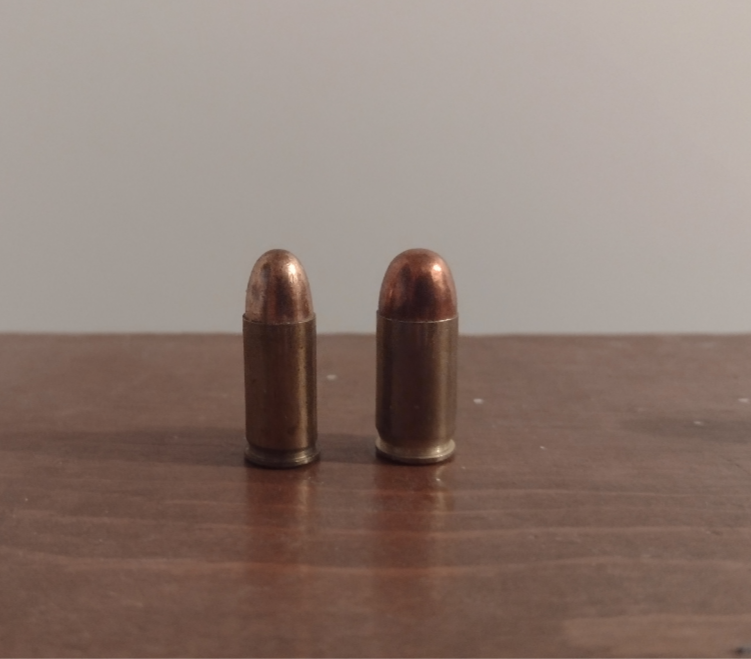
.32 ACP is often discussed as a step up from .25 ACP, but the hollow-point side of the caliber still shows a recurring penetration problem. In compact-gun testing, the expanding .32 ACP loads had trouble reaching adequate depth, even when some of them failed to open fully.
That is a revealing weakness. When a hollow point does not expand and still falls short, the cartridge has little margin left. The same test series found that FMJ loads performed better in this caliber, while the JHP options often struggled to clear the FBI floor from true pocket-size barrels. For a benchmark built around difficult shot angles and intervening tissue, that shortfall is hard to ignore.
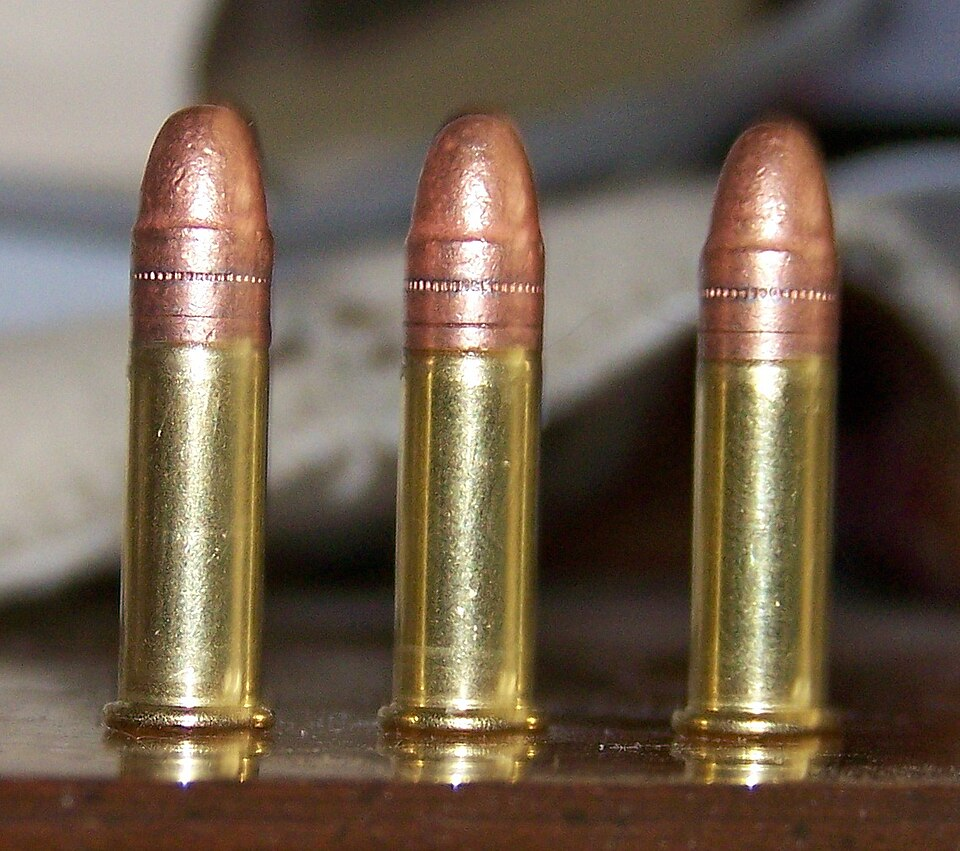
3. .22 LR from short-barrel handguns
.22 LR out of a very short barrel is highly sensitive to velocity loss, and that shows up quickly in gel. Small increases in barrel length improved performance in testing, but snub-length handguns still left the cartridge with limited penetration headroom and almost no room for useful expansion.
That makes load selection unusually narrow. The pocket-pistol data emphasized that expansion is unlikely and that attempts to get it usually cost penetration, which is the one thing this caliber can least afford to lose. In practical terms, .22 LR handgun loads often fail the FBI standard not because they are inaccurate, but because the cartridge’s low energy leaves too little reserve after clothing resistance and short-barrel velocity loss.
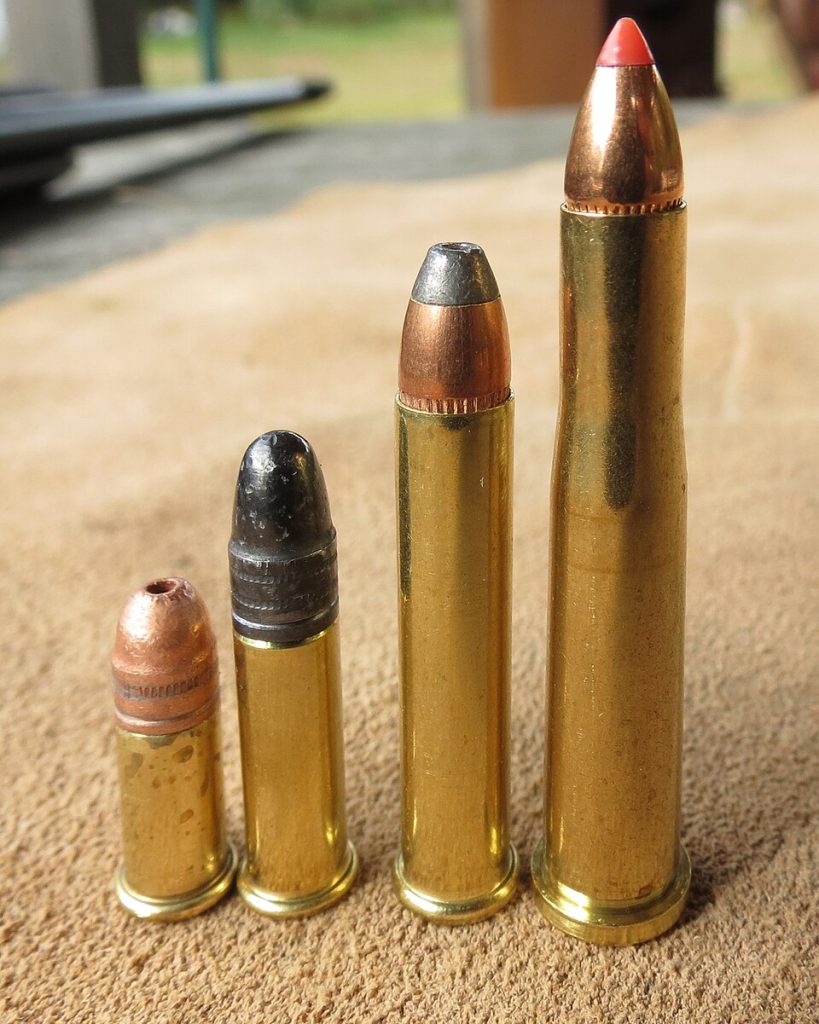
4. .22 Magnum short-barrel defensive JHPs
.22 WMR gains a meaningful speed advantage over .22 LR, especially from handguns built to get the most from the cartridge. Even so, the defensive hollow points made specifically for short barrels still showed the same compromise that affects many pocket calibers: decent expansion followed by shallow penetration.
Testing found that conventional .22 Magnum loads often penetrated well because they did not expand, while short-barrel defensive JHP loads expanded more readily but gave up depth. That tradeoff leaves some .22 WMR carry loads hovering below the FBI minimum, particularly when they are tuned for softer recoil and quick upset rather than straight-line penetration.
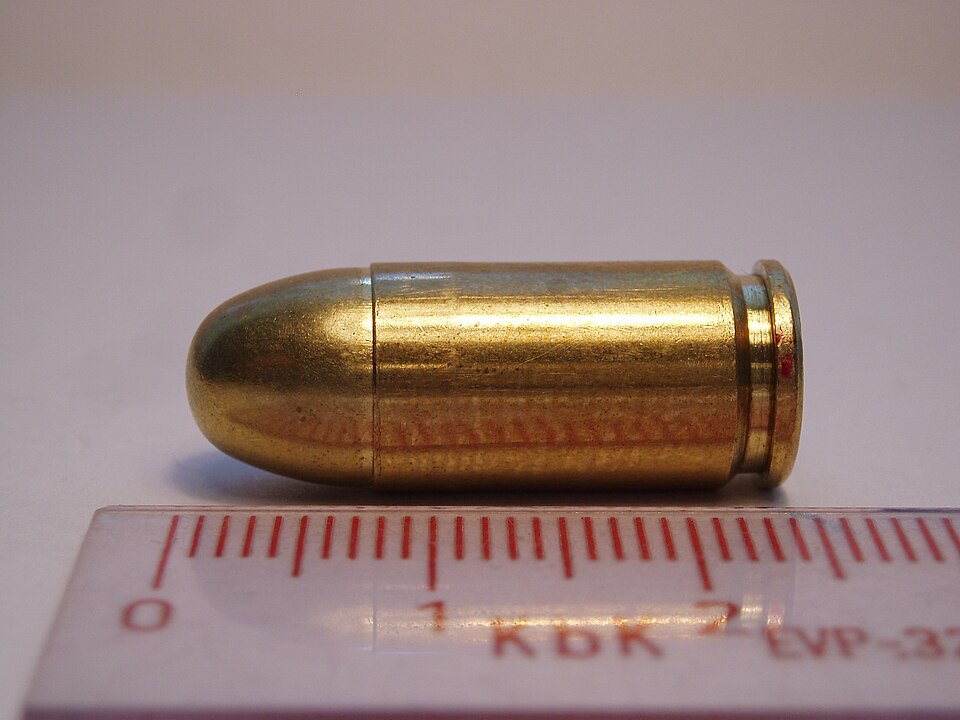
5. .380 ACP lightweight, high-expansion loads
.380 ACP is the classic borderline case. It can work, but it does not leave much room for error. In wide gel testing across many loads, .380 ACP showed the weakest overall performance among the major semi-auto service-adjacent calibers, with many loads offering either respectable expansion or adequate penetration, but not both.
That pattern becomes clearer in fast, lightweight hollow points. Some expand impressively and stop around 10 to 12 inches, which can place them at or below the FBI floor once heavy clothing is added. The issue is not that .380 ACP always fails; rather, it is unusually easy for the caliber to dip below the standard when bullet design favors dramatic expansion over retained momentum.
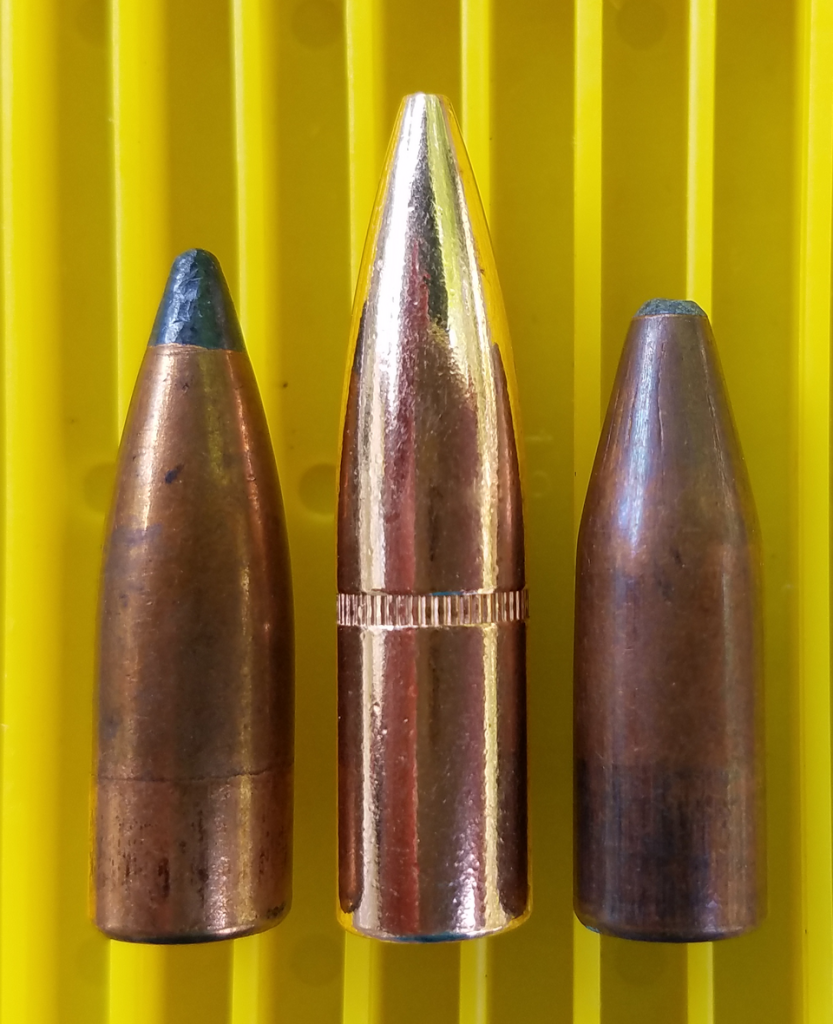
6. Fragmenting handgun loads
Fragmenting pistol ammunition can create dramatic-looking gel footage, but handgun velocities do not always support the concept well. In broader ballistic testing, fragmenting loads were among the few rounds that consistently ended up short of the FBI minimum in heavy-clothing tests.
The reason is mechanical. When a bullet gives up mass early, the main portion often loses the momentum needed to continue to meaningful depth. That does not automatically make every fragmenting round ineffective, but it does explain why these designs frequently struggle to satisfy a standard built around dependable penetration first and expansion second.
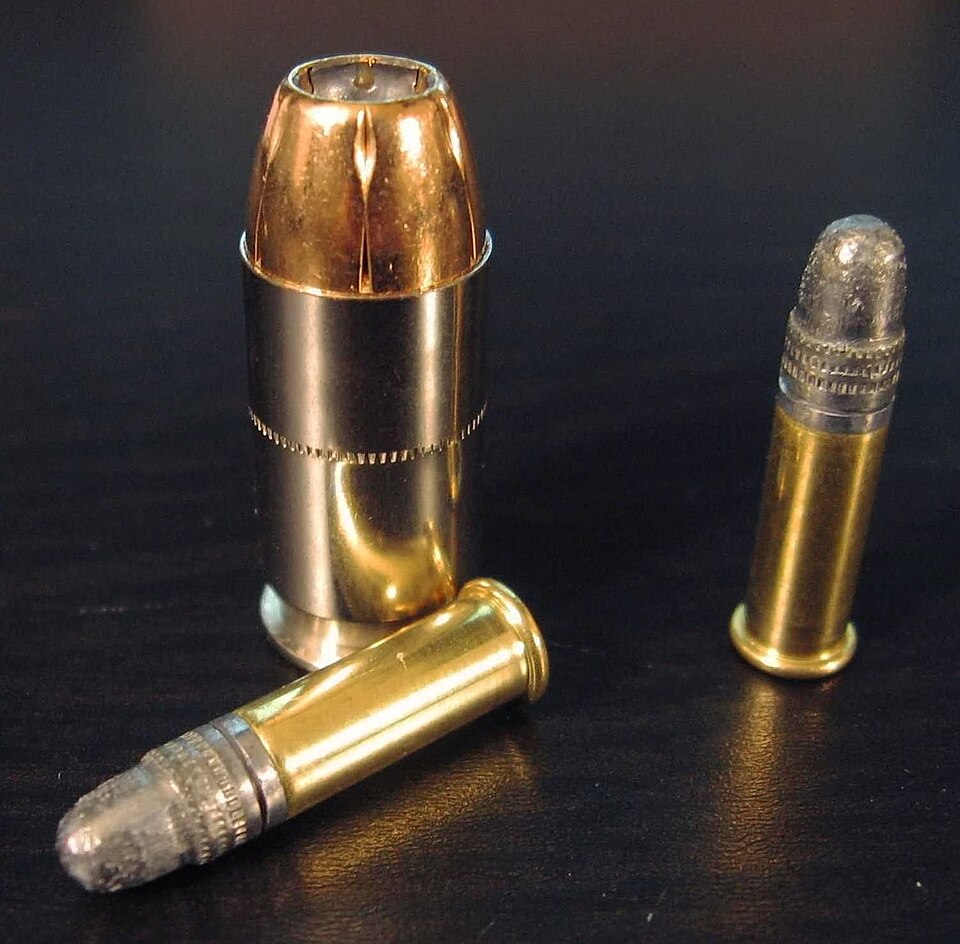
7. Civilian-focused low-penetration defense loads
Some defensive ammunition is intentionally tuned toward the shallow end to reduce exit risk in homes and crowded spaces. That mission differs from duty ammunition, which must also account for barriers like auto glass, wallboard, and sheet metal in the standard FBI test events.
As a result, certain civilian-oriented handgun loads are engineered to stop near the lower edge of acceptable depth or even slightly below it. That design choice can make sense for a specific use case, but it also means those rounds may not meet the FBI benchmark consistently. The same references that explain the standard also note that many consumer loads lean shallower by design rather than by accident.
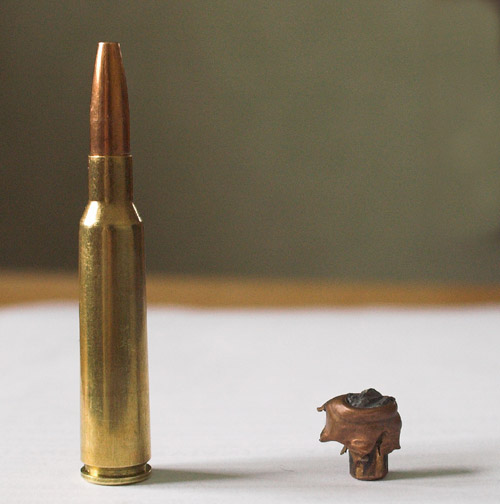
The recurring lesson is simple: penetration remains the first gate. Expansion, retained weight, and barrier behavior all matter, but a bullet that stops too early never gets a chance to use its other advantages.
That is why small calibers and aggressively expanding loads appear so often on this list. As heavy-clothing gel testing has shown across many handgun loads, the cartridges most likely to miss the FBI standard are usually the ones with the least momentum to spare once real-world obstacles begin to slow them down.


