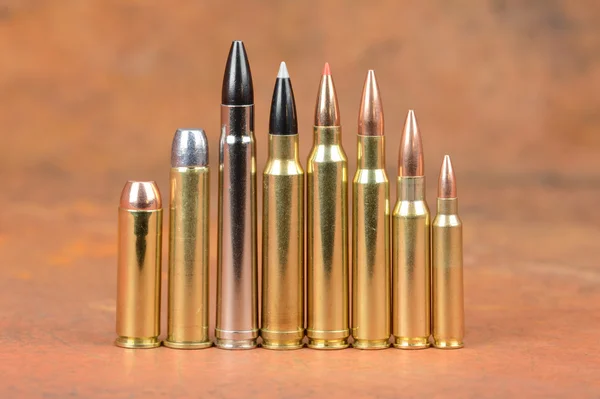
The easy carry gun often gets paired with the easy assumption: if the pistol is trustworthy, the load must be close enough. That is where a quiet mistake begins. In defensive handgun testing, bullet design matters as much as caliber, and compact pistols can make weak choices look acceptable right up until gelatin results expose the gap.
The modern benchmark remains 12 to 18 inches of penetration in calibrated ballistic gelatin. That window was built around one priority: reaching vital structures under less-than-ideal conditions, including clothing and angled shots. Loads that expand dramatically but stop short may look impressive in recovered-bullet photos while quietly missing the standard that shaped modern duty ammunition.
1. Choosing caliber reputation over actual load performance
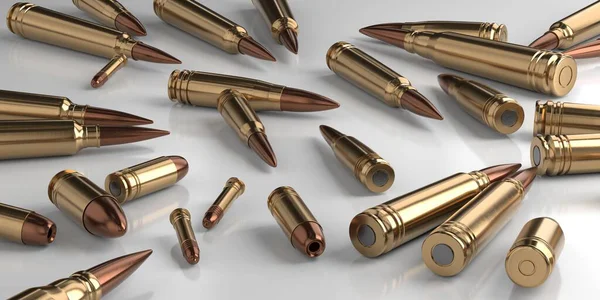
A common carry-ammo error is trusting the cartridge name instead of the bullet’s measured behavior. The FBI standard changed handgun evaluation by shifting attention away from caliber labels and toward repeatable terminal performance. Two loads with similar bullet weights and similar velocities can still produce very different penetration results.
That matters because a small defensive pistol does not grant automatic immunity from poor load selection. Some ammunition is engineered to open quickly, but if that expansion arrives too early, depth can disappear fast. In practical terms, a round that stops below the accepted floor has failed the first requirement: it did not go deep enough before any expansion advantage could matter.
2. Mistaking dramatic expansion for complete performance
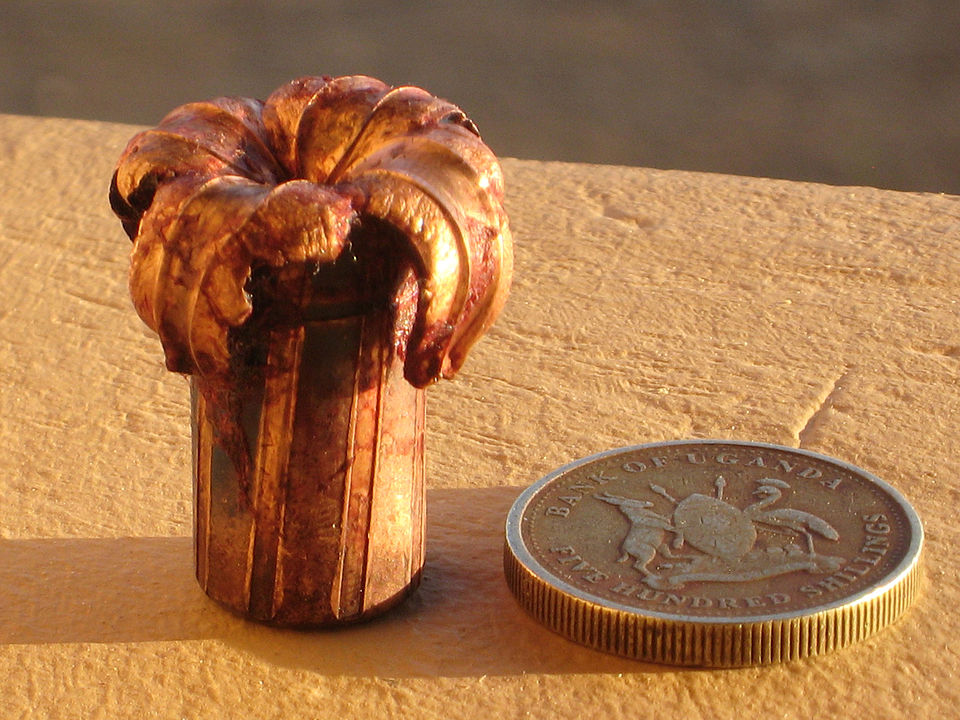
Expansion gets attention because it is easy to photograph and easy to market. Penetration is less glamorous, but it is the gatekeeper. The FBI protocol treats depth as the baseline requirement because a bullet has to reach something important before expansion contributes anything useful.
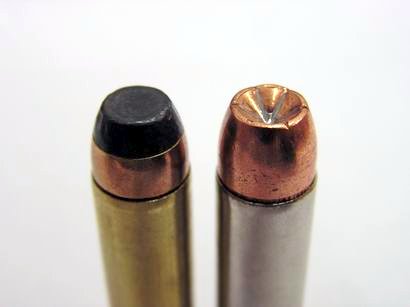
This tradeoff is built into handgun physics. More expansion usually creates more drag, and more drag often means less penetration. A carry load that opens beautifully in bare gel but falls short after fabric, an arm, or an oblique path is not balanced performance. It is a partial success presented as a complete one.
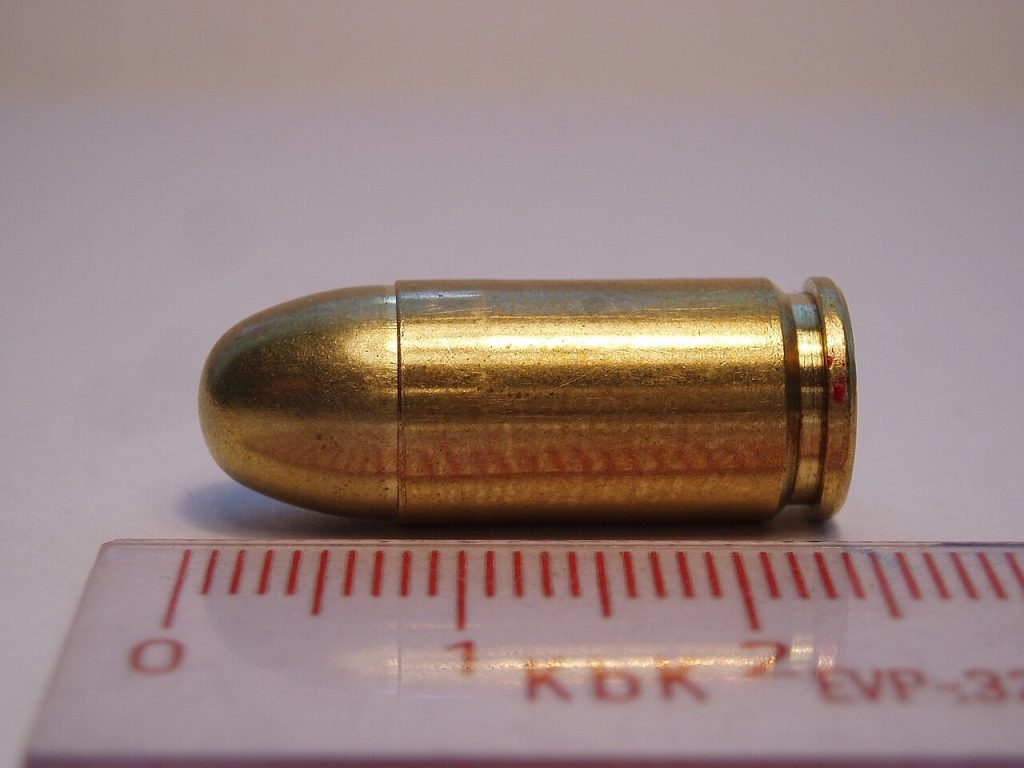
3. Assuming .380 ACP always clears the standard
The .380 ACP is where this mistake shows up most often. Some modern .380 loads can meet the FBI window, especially from carefully selected premium designs, but that does not mean the caliber gets a blanket pass. In one side-by-side test, a .380 load penetrated 12.4 inches while a 9mm reached 18.6 inches through a cloth barrier into gel, showing how close the smaller round can run to the lower edge.
That narrow margin matters in compact carry guns, where short barrels can reduce velocity and make expansion less predictable. A .380 that works well in one pistol may perform differently in another. The mistake is not carrying .380 itself; the mistake is assuming every defensive .380 load has enough depth in reserve.

4. Ignoring what heavy clothing does to handgun bullets
Bare-gel results flatter marginal loads. The more revealing tests add heavy clothing and other intermediate barriers because handguns rarely get a clean path. Fabric can clog hollow points, change expansion timing, and alter how much momentum remains for penetration.
This is why the FBI protocol expanded beyond simple gel blocks. Ammunition that performs neatly in an uncluttered test can lose its balance once real-world resistance is introduced. A load selected only from bare-gel numbers may be the one that quietly falls under the standard when conditions become less forgiving.
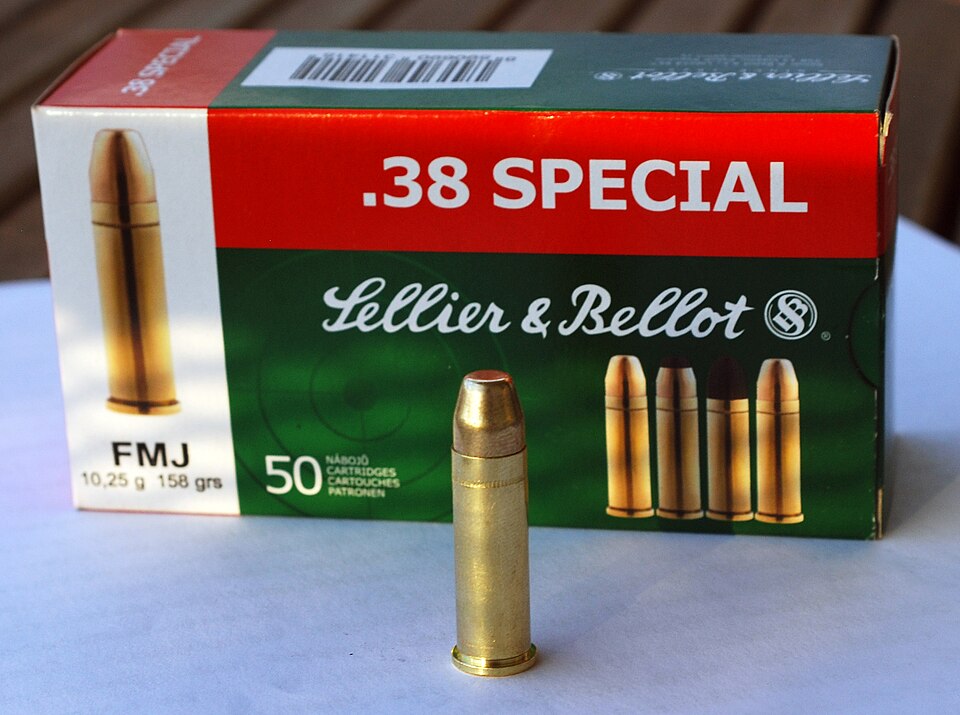
5. Treating full metal jacket as a penetration fix
Some shooters respond to shallow penetration concerns by swinging too far in the other direction and choosing non-expanding ammunition. That can solve one problem by creating another. According to Massad Ayoob, full metal jacket 9mm is highly likely to over-penetrate a standing man’s torso.
Under 12 inches is a problem, but so is well beyond 18. The FBI window is not a minimum alone; it is a balance between sufficient depth and controlled bullet behavior. Over-penetrating loads can retain enough velocity after exit to threaten anyone behind the target, which is exactly why modern defensive bullet design focuses on both depth and energy management.

6. Believing gelatin is literal instead of comparative
Another mistake comes from misunderstanding what gelatin can and cannot say. Calibrated ballistic gelatin is not a human body replica. It does not contain skin, bone, or the irregular structures of real anatomy.
Its value is consistency. Properly prepared gel gives testers a standardized medium so loads can be compared on equal terms. That means the carry-ammo lesson is not that gelatin predicts every outcome; it is that gelatin exposes whether a bullet repeatedly lands inside the performance window engineers and agencies use as a disciplined target.
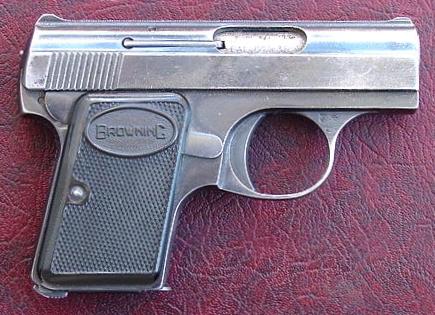
7. Forgetting that compact guns can change everything
Short-barreled pistols regularly alter velocity enough to reshape bullet behavior. Some loads built around service-size handguns lose their margin when fired from pocket pistols and micro-compacts. In these guns, a bullet may expand less than intended, or expand too aggressively and stop too soon.
The pistol and the load are a system. That is why the quiet failure often hides in everyday carry setups: the shooter chooses reputable ammunition, but not ammunition validated from that class of handgun. When the barrel gets shorter, the safety margin around the 12-inch floor often gets shorter too.
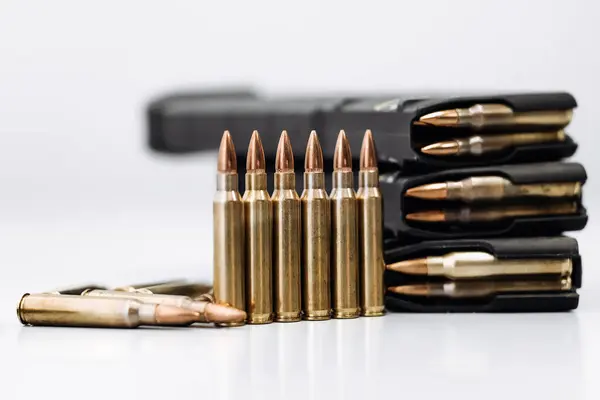
The carry-ammo mistake is usually not dramatic. It is a load that seems modern, expands nicely in ideal conditions, and carries a familiar caliber label, yet does not preserve enough penetration once the test becomes harder. The FBI standard still matters because it replaced caliber mythology with measurable behavior.
For compact defensive pistols especially, the question is not whether a round looks effective. The question is whether it can reliably stay inside the accepted penetration window while still expanding in a controlled way. That is where the quiet mistakes stop being quiet.


