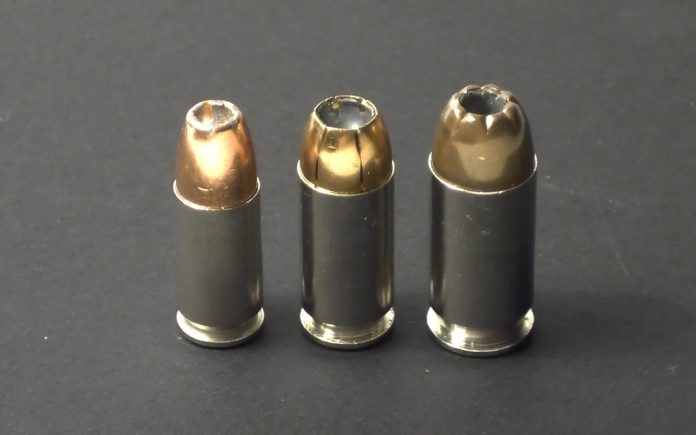
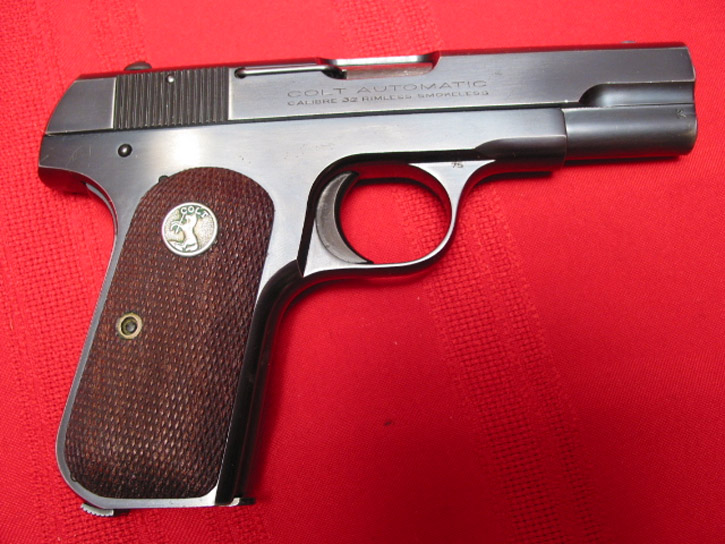
The pocket pistol solved one problem brilliantly: it made defensive handguns easier to carry when larger sidearms stayed at home. The tradeoff shows up in gelatin blocks, not in advertising copy. Once a bullet has to cross heavy clothing and still reach the 12–18 inch penetration window, many small-caliber loads start running out of room to succeed.
That benchmark matters because it measures terminal performance rather than caliber labels. Pocket pistols often give up velocity through very short barrels, and handgun bullets already operate within narrow margins. In test data built around short-barreled pistols fired through heavy clothing, the results repeatedly show the same pattern: the smaller the platform, the harder it is to get both penetration and expansion at the same time.
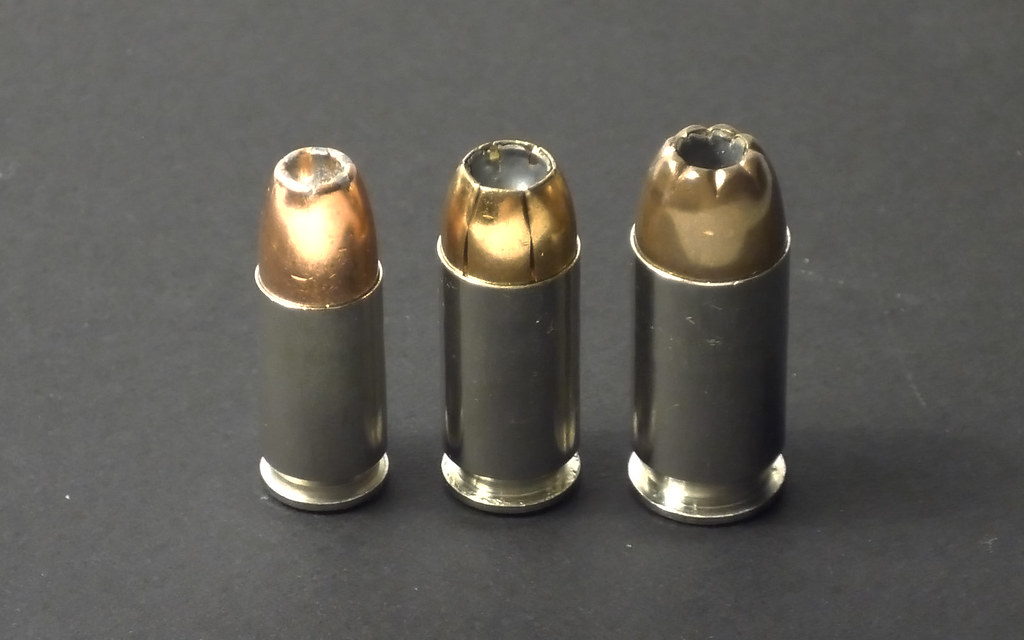
1. The FBI standard rewards depth before diameter
The modern protocol grew from a reassessment of handgun effectiveness, not from caliber branding. Penetration became the first requirement because a handgun bullet has to reach anatomically significant depth before expansion can matter. Loads that stop short may look impressive in recovered-bullet photos, but the test standard treats under 12 inches as the bigger failure.
That logic is especially unforgiving to pocket pistols. Their lower impact speeds can leave hollow points trying to open and still drive deeply enough after clothing, bone, or oblique angles reduce momentum.
2. Short barrels strip away the velocity many loads depend on
Full-size service pistols often make ammunition look better than it will in a true deep-concealment gun. That is why short-barrel test sets are so revealing. A compact or subcompact barrel can take enough speed away from a bullet to change how reliably it expands, how straight it tracks, and whether it lands in the ideal penetration band at all.
The effect is visible across multiple calibers, but it becomes more dramatic as cartridges get smaller. Pocket-pistol ammunition has less surplus energy to spend, so every lost foot per second matters more.
3. Heavy clothing turns hollow-point design into a stress test
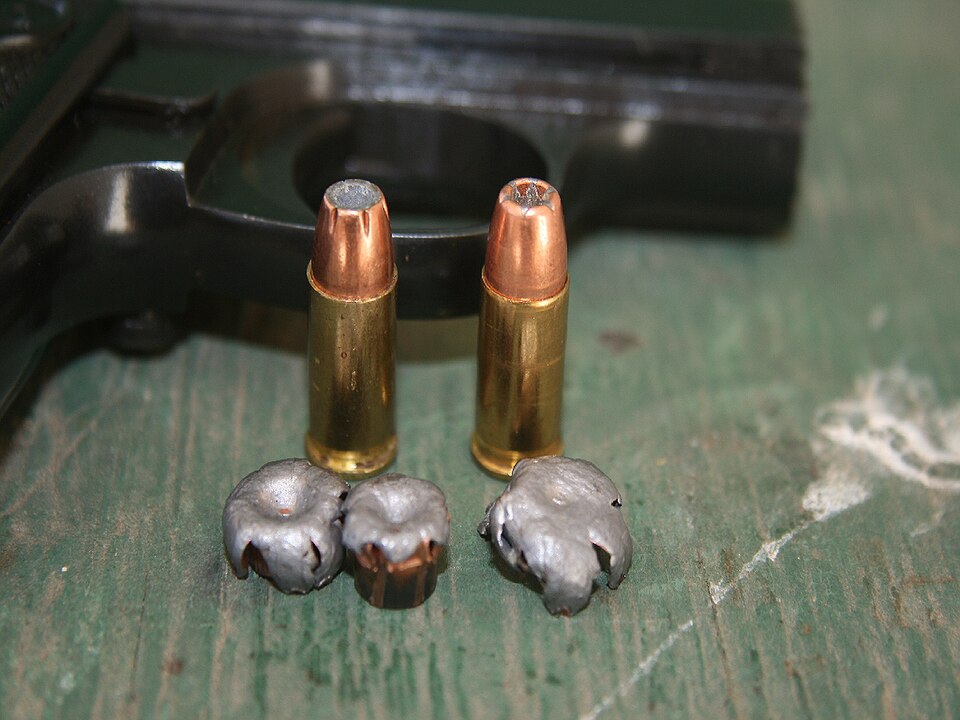
The common four-layer clothing setup is not a theatrical obstacle. It exists because fabric can clog a hollow-point cavity and stop it from opening as designed. Once that happens, the bullet may act more like a non-expanding projectile and keep traveling, or it may deform inconsistently and lose the balanced performance engineers were targeting.
In practical terms, pocket-gun loads often face a punishing choice: expand and risk shallow penetration, or fail to expand and penetrate farther than intended. The smaller the caliber, the sharper that compromise becomes.
4. .22 LR gains meaningfully from barrel length, but not a free pass
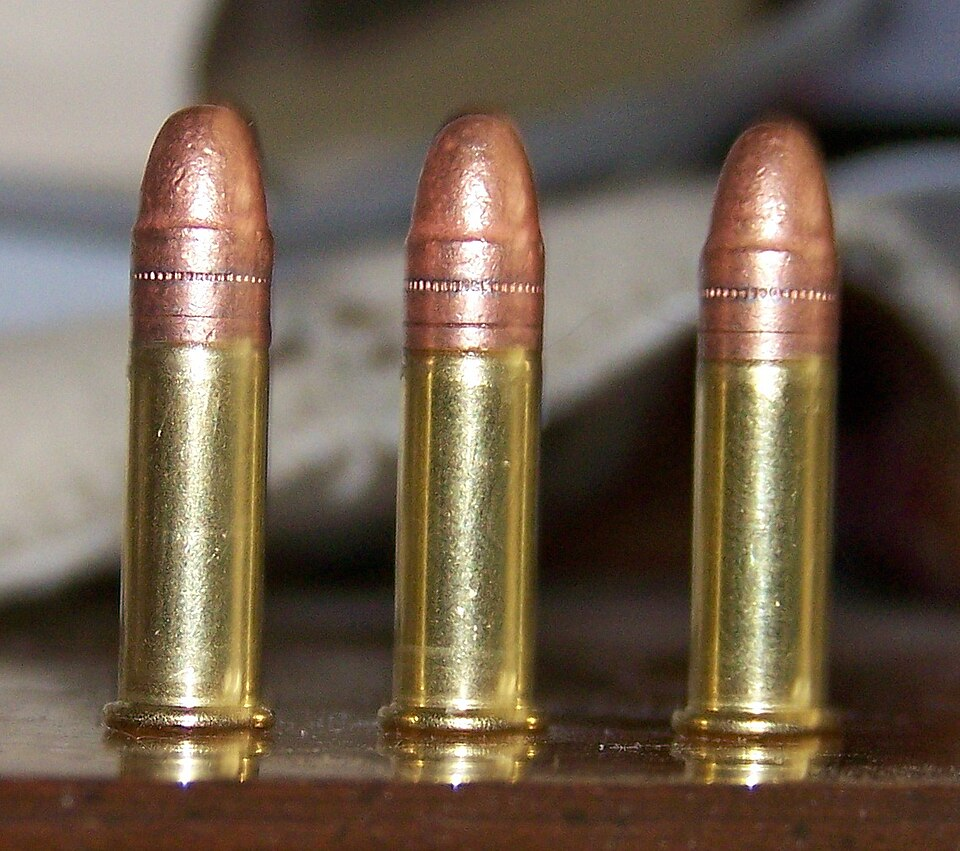
In pocket-caliber testing, .22 LR showed how strongly tiny barrels shape outcomes. Using a 1.9-inch revolver and a 4.4-inch pistol, testers recorded an average 126 fps increase from the longer barrel. Even then, the fastest loads were not automatically the deepest penetrators.
That result undercuts simple velocity worship. With .22 LR handguns, the challenge is still reaching useful depth consistently, because expansion is uncommon and often counterproductive when it does occur.
5. .22 Magnum performs better than many assume from short barrels
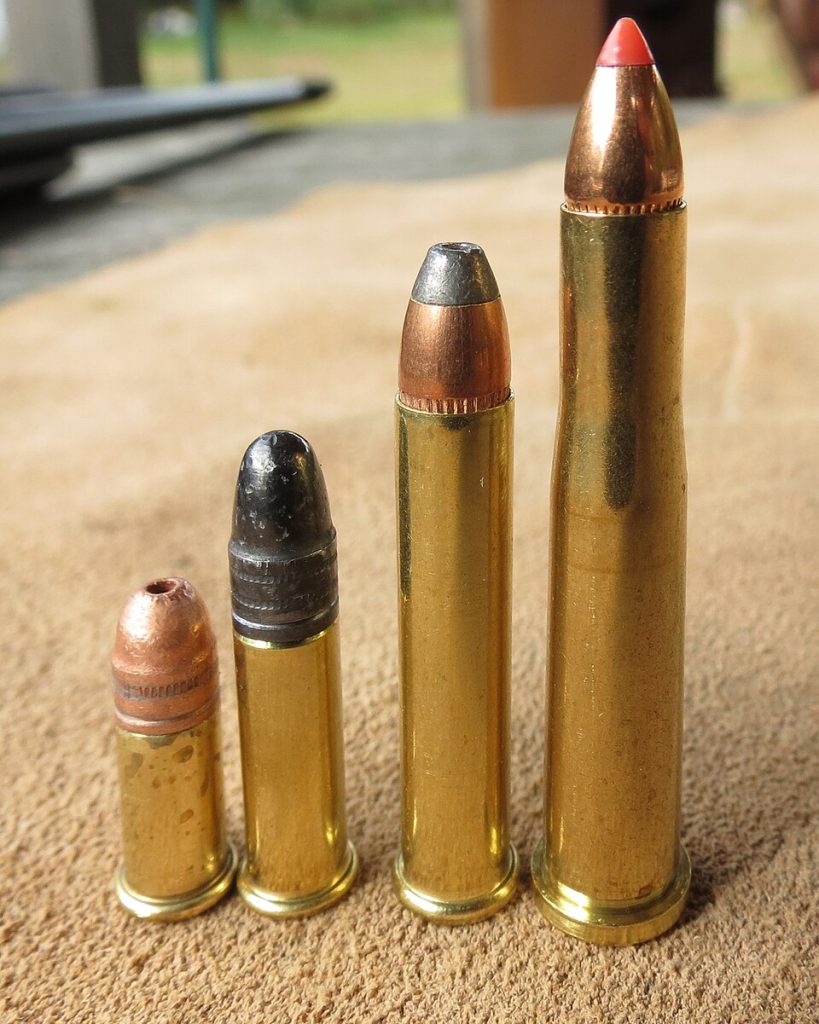
One of the more interesting pocket-pistol findings came from .22 WMR. In a 1.9-inch revolver, its tested loads averaged 255 fps greater than .22 LR loads fired from a similar short barrel. That extra speed translated into better gelatin performance, particularly with non-expanding loads.
But the same old tradeoff remained. Conventional loads often penetrated well without expansion, while short-barrel defensive loads expanded more readily and gave up depth. The test did not erase the limitation; it simply showed that .22 Magnum has more headroom than its reputation suggests.
6. .25 ACP illustrates how little margin the smallest centerfires have
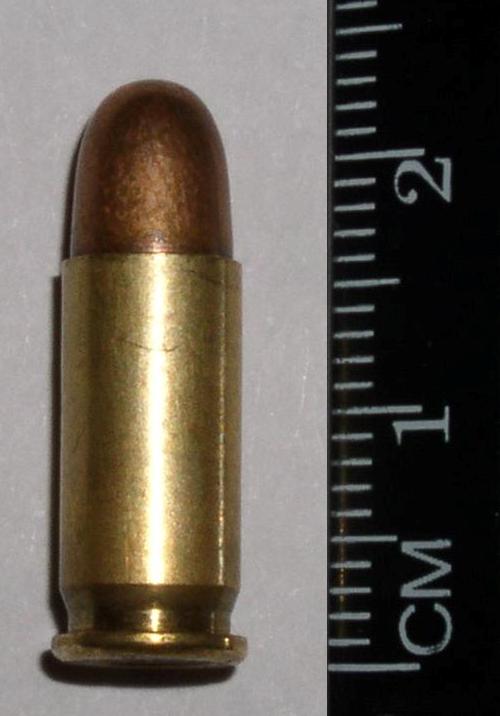
.25 ACP is where the pocket-pistol problem becomes stark. In the referenced gel work, the caliber showed modest penetration overall, and even FMJ did not deliver a clear, reliable advantage. Only one tested load managed to put all five bullets beyond the 11-inch mark.
That leaves very little distance between “works sometimes” and “falls short.” In a framework built around 12 inches minimum, that is an engineering warning, not a rounding error.
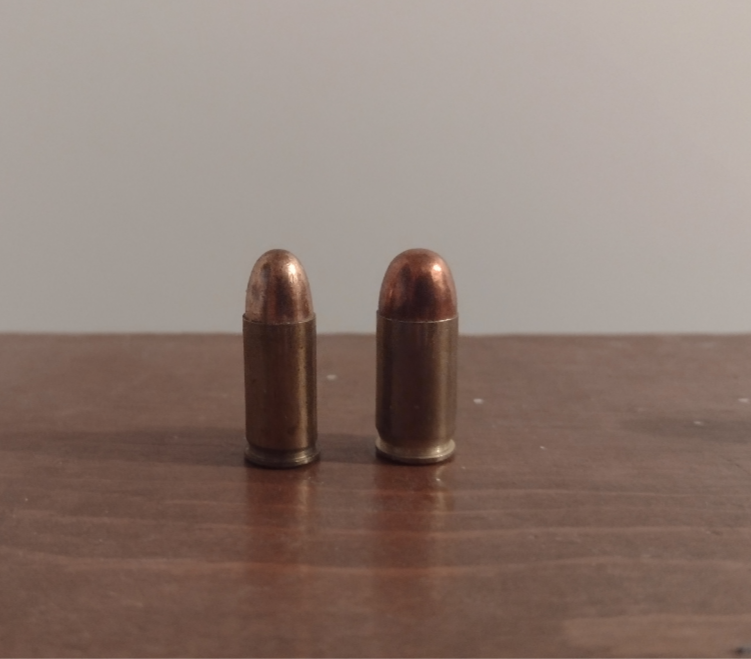
7. .32 ACP often favors penetration over expansion
.32 ACP produced one of the clearest lessons in the dataset: in small handguns, FMJ can outperform JHP in the specific task of reaching adequate depth. Several hollow points struggled to penetrate consistently, even when they did not expand properly. By contrast, FMJ loads showed more dependable travel through the block.
This does not make the caliber simple. It shows how pocket pistols compress the design window so tightly that expansion can become a liability before it becomes an advantage.
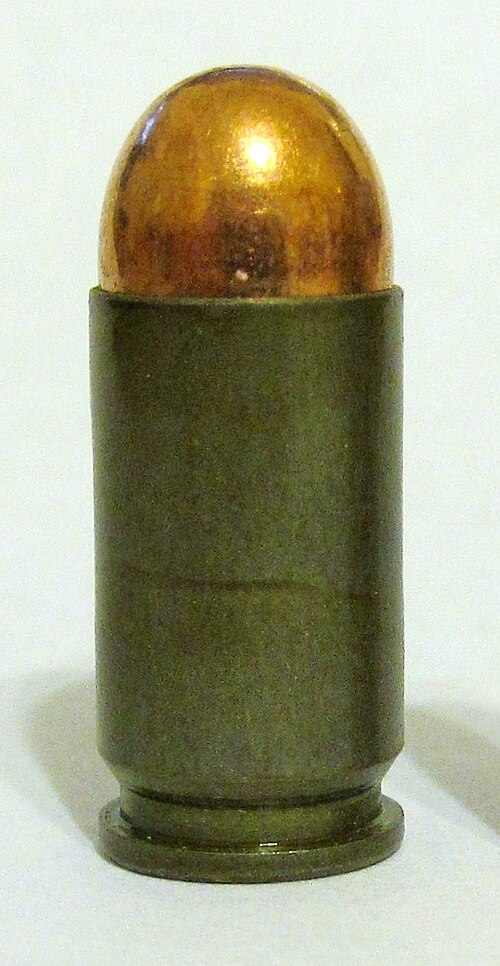
8. 9×18 Makarov shows that “more caliber” does not automatically solve the problem
The 9×18 Makarov sits above the smallest pocket rounds, but the gel results still showed limits. Basic FMJ and some JHP loads penetrated very deeply, while the standout expanding option produced results that were merely comparable to established .380 ACP defensive loads rather than clearly superior.
That matters because it reinforces a broader point: when barrel length is short and bullet speed is modest, cartridge labels can hide how similar real-world terminal compromises become.
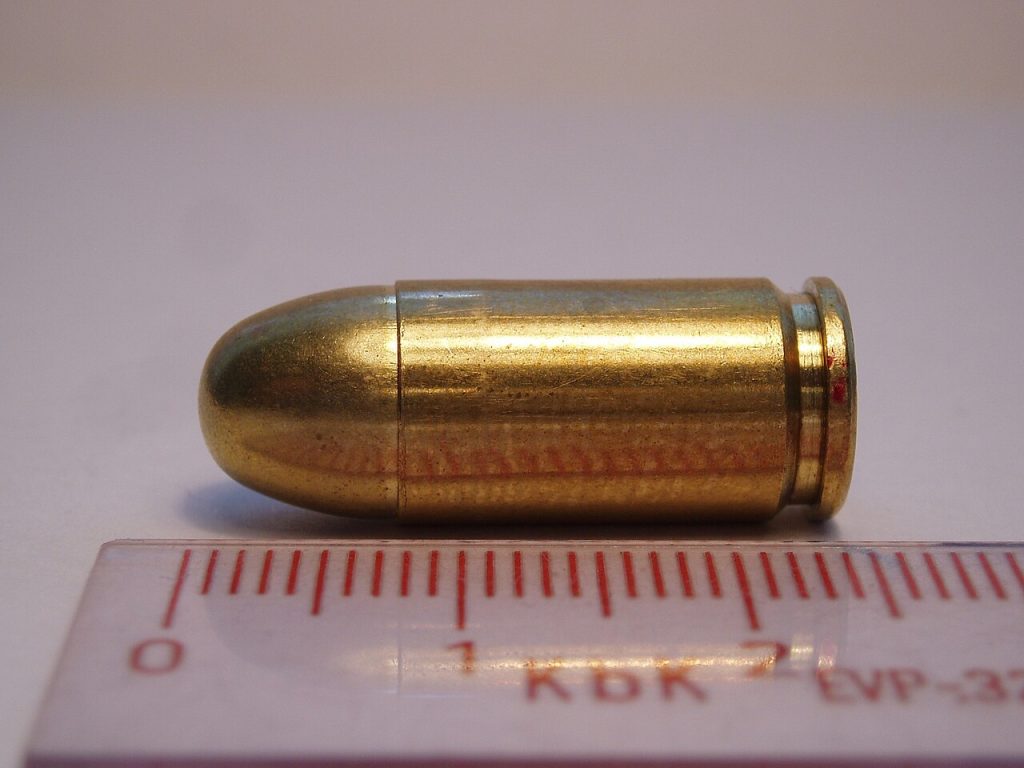
9. .380 ACP is the classic example of the pocket-pistol balancing act
Among small autoloading calibers, .380 ACP is the familiar case study because it sits near the edge of acceptable service-type behavior without quite living there. In the broader short-barrel gelatin dataset, many .380 loads showed either decent expansion with shallow penetration or useful penetration with little to no expansion.
Only a limited number managed both well. That is why .380 remains such a persistent topic in defensive-handgun discussions: it is not ineffective by definition, but it gives designers and shooters very little room for error.
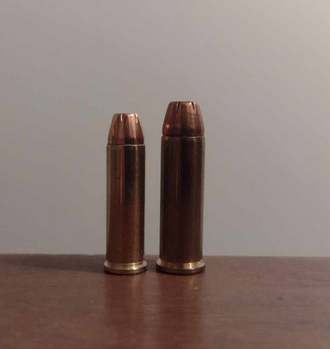
10. Some .32 revolver cartridges outperform their size class
The revolver side of the pocket-gun world looked stronger in several places. .32 S&W Long loads delivered respectable penetration despite minimal or nonexistent expansion. .32 H&R Magnum added roughly 200 fps over .32 Long on average, improving the odds of getting both adequate depth and at least modest bullet upset.
These rounds showed that low recoil and compact dimensions do not always force the weakest terminal performance. Cartridge design and usable barrel length still matter.
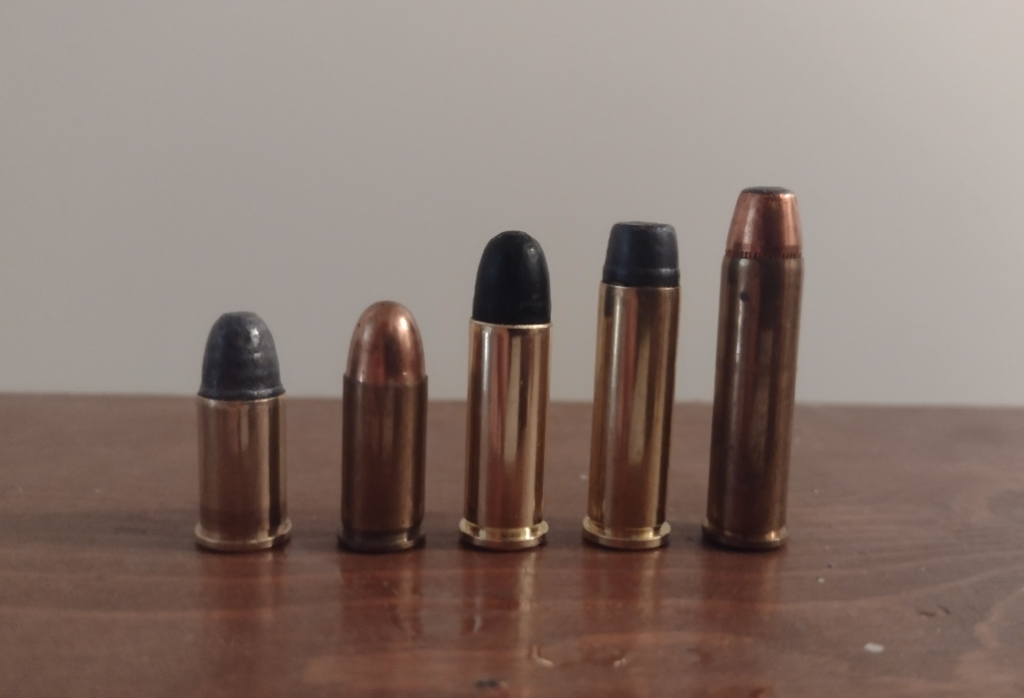
11. .327 Federal Magnum breaks out of the pocket-pistol pattern
Not every small-frame gun behaves like a compromise machine. In the test results, .327 Federal Magnum stood apart by producing consistent, ideal penetration and strong expansion with at least one major defensive load. The reported performance was described as being on par with service-caliber ammunition.
That comes with a cost in recoil and blast, but from a terminal-ballistics standpoint it demonstrates that compact handguns are not all trapped beneath the same ceiling. Some combinations simply have more energy to work with.
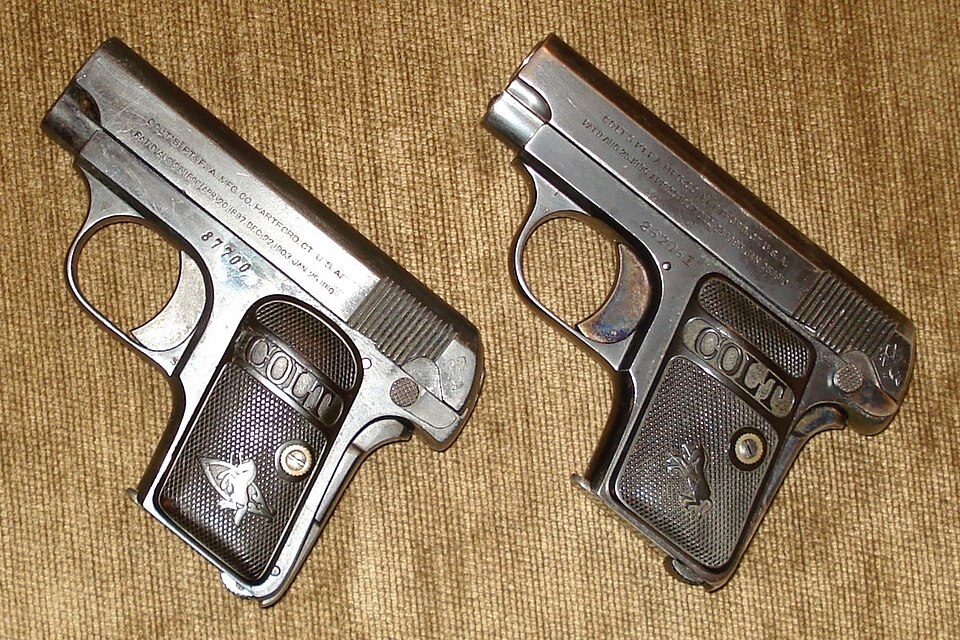
12. Gelatin is not a person, but it is a brutally useful filter
Ballistic gelatin does not recreate skin, bone, and organs in perfect detail. What it does offer is consistency. Proper protocol testing, including the 10-foot FBI-style barrier sequence, lets engineers and shooters compare loads under repeatable conditions instead of relying on anecdotes.
That consistency is what exposes pocket-pistol limits so clearly. “It’s where you hit them and how many times you hit them,” as Dr. Vincent DeMaio said, but the data also shows a second truth: when barrel length shrinks, ammunition has less freedom to get both penetration and expansion right.
The 12–18 inch standard did not make pocket pistols obsolete. It made their compromises measurable. Small guns remain valuable because they are portable, accessible, and often the handguns most likely to be carried at all.
What the test window reveals is simpler than caliber mythology. Pocket pistols live on tighter ballistic budgets, and the shorter the barrel and smaller the cartridge, the more often terminal performance becomes a choice between acceptable depth and reliable expansion rather than the easy combination of both.


