

Glock’s next design turn may not be defined by caliber, frame size, or even generation labels. The stronger signal is a broader engineering pivot already visible in the company’s current lineup: fewer legacy variants, more optics-ready configurations, and closer attention to how the pistol interfaces with both accessories and regulation.
That matters because Glock’s modern challenge is no longer just mechanical reliability. It is platform control. A company that built its reputation on standardization now faces pressure to simplify its catalog, modernize sighting systems, and reduce vulnerabilities associated with third-party modifications.

1. Catalog consolidation points to a platform reset
A large discontinued-model list has fueled industry discussion that Glock is clearing space for a more unified future family. The most important takeaway is not any rumored name, but the visible reduction in overlapping older models and legacy chamberings. That kind of trimming usually reflects manufacturing logic: fewer configurations, tighter parts commonality, and a cleaner support structure across commercial and institutional channels.
For a company long associated with gradual evolution, that is a meaningful shift. Instead of adding one more variant to an already sprawling catalog, Glock appears to be concentrating attention on a narrower set of modern baseline designs. In practical terms, that suggests the next generation may be less about cosmetic updates and more about architecture.
2. Optics readiness has moved from option to baseline expectation
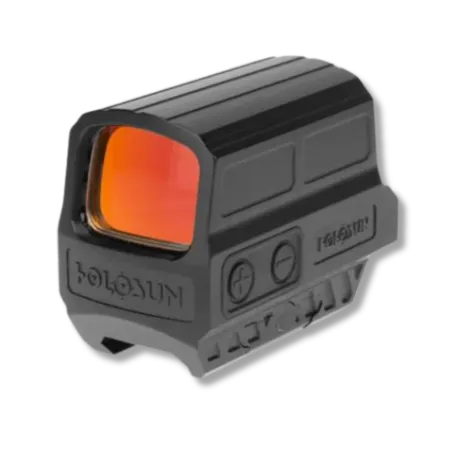
The clearest design trend is the steady normalization of slide-mounted optics. Glock’s own MOS system now spans multiple models, while slimline versions use dedicated cuts that fit micro-optic footprints without adapter plates. On some models, the MOS-K cut is configured to accept either Holosun K or RMSc footprints, showing how factory slide design is adapting to the red-dot market instead of treating it as an aftermarket niche.
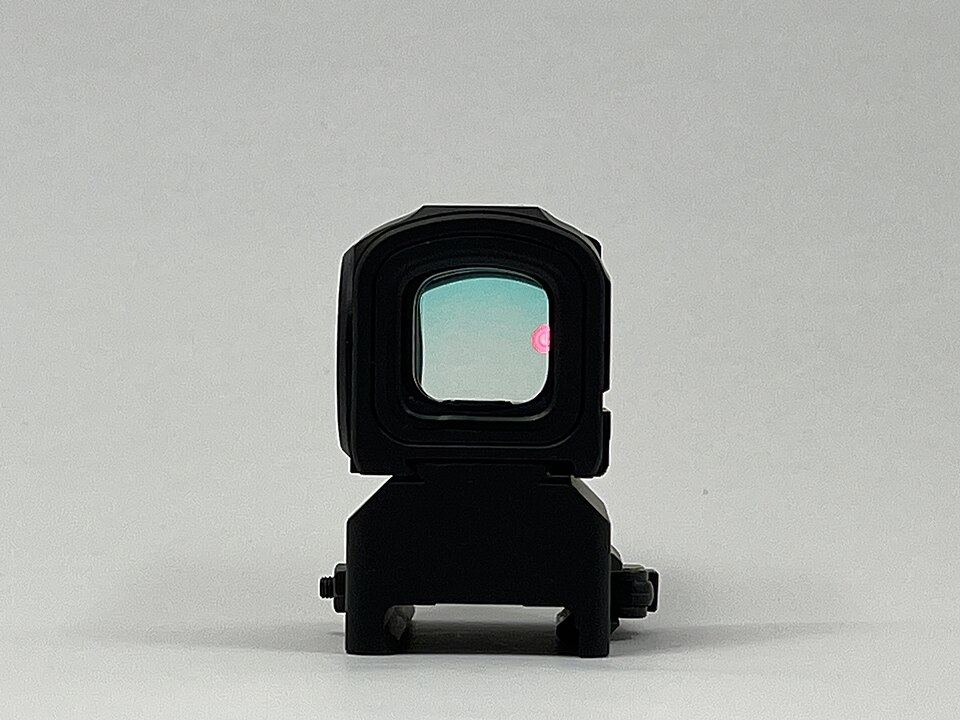
The wider industry has moved the same way. A 2025 survey of active-duty law enforcement officers found that 77% said their agencies allow optics on duty handguns, while 76% reported using optics on duty weapons or backup guns. Those figures matter because duty adoption tends to influence holsters, training programs, and long-term product design. A future Glock platform built around optics from the outset would reflect the market’s center of gravity, not its edge.

3. Slide geometry is becoming more important than frame geometry
Earlier Glock generations were often discussed in terms of grip texture, finger grooves, or backstraps. The next major evolution may shift attention upward. Slide cuts, mounting patterns, screw standards, and optic window height increasingly determine how a pistol performs with modern sighting systems.
That is a quieter engineering story, but an important one. A factory-designed optic interface can influence durability, recoil behavior, screw retention, backup sight placement, and maintenance. In other words, the slide is no longer just the reciprocating top half of the pistol; it is becoming the central integration surface for the entire aiming package.

4. Anti-conversion concerns are now part of the design conversation
Any serious discussion of Glock’s future has to account for the growing focus on illegal conversion devices commonly called switches. These are not Glock factory products, but they have become closely associated with the brand because they are designed to attach to Glock-pattern pistols. Federal law has long treated machine guns and conversion parts as tightly regulated, and state-level action has expanded as well, with 29 states having adopted laws prohibiting auto sears or Glock switches.
The scale of enforcement interest is also significant. According to figures cited in the reference material, 11,088 machine gun conversion devices were recovered and traced between 2019 and 2023, a 784% increase over that span. That does not by itself reveal Glock’s next engineering move, but it does explain why future internal revisions would be evaluated not only for reliability and shootability, but also for resistance to unlawful modification.

5. The aftermarket-friendly era may be giving way to tighter factory control
Glock became dominant in part because its pistols were easy to service, easy to customize, and supported by an enormous aftermarket. But platform openness has a downside: once a pistol becomes the default standard, third-party ecosystems grow around every interface, from sights to triggers to backplates.
A next-generation Glock design could preserve serviceability while narrowing tolerance windows and more carefully defining factory-approved interfaces. That would fit a broader industry pattern in which manufacturers seek greater control over how major components mate together. The result would not necessarily be a less modular pistol; it would be a more controlled one.

6. The next leap may be evolutionary in appearance but strategic in purpose
Glock has rarely relied on dramatic visual reinvention. That makes it easy to overlook how consequential small changes can be. A revised slide cut, altered internal geometry, simplified model matrix, or standardized optic mounting scheme may look incremental on the outside while reshaping the entire product strategy underneath.

This is the likely form of Glock’s next design shift. Not a theatrical break with the past, but a tighter, more deliberate pistol platform built around optics, manufacturing efficiency, and stronger control over how the handgun can be configured in the real world. The defining question is no longer whether Glock will modernize. It is which modernization priority will lead the redesign. Based on the direction already visible, the answer appears to be platform discipline: fewer variants, better optic integration, and internal decisions shaped as much by long-term controllability as by tradition.


