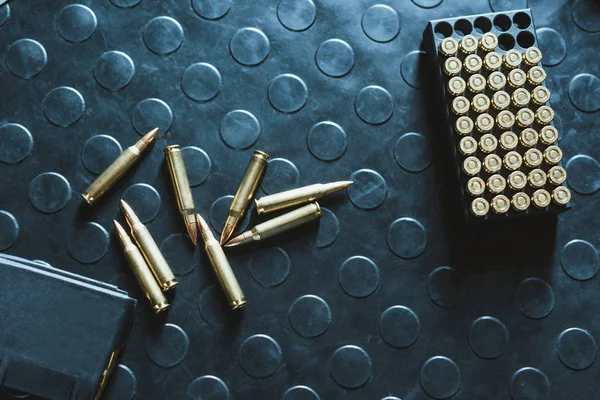
Some cartridges earn a strong reputation because they are accurate, light on recoil, easy to shoot, or widely available. None of that automatically makes them a sound choice for heavy-bodied game. When the target is deer-sized or larger, cartridge selection is less about convenience and more about penetration, bullet construction, and retained energy at the distance of the shot.
The recurring problem is simple: rounds that shine on varmints, predators, or short-range utility work often get pushed beyond their real field limits. Modern bullets have improved performance, but they have not erased the basic rule that mass, velocity, and bullet design still decide what happens after impact.
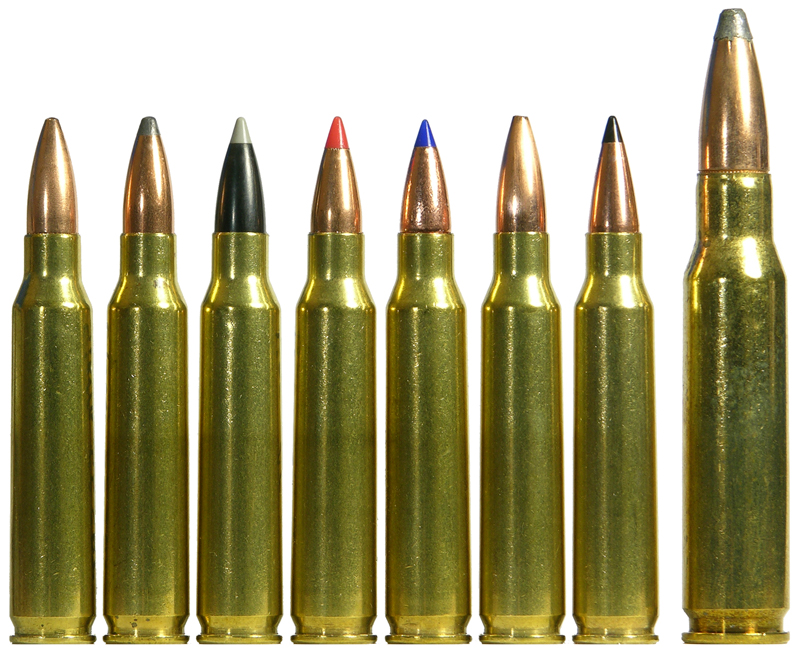
1. .223 Remington
The .223 Remington remains one of the easiest centerfire cartridges to shoot well, which explains why it is so often dragged into hunting debates. With a 55-grain bullet running above 3,200 fps, it looks respectable on paper for small game and predators. The trouble starts when hunters expect the same cartridge to break heavy bone and drive deeply through thick muscle on larger animals. That is where the .223 runs out of room.
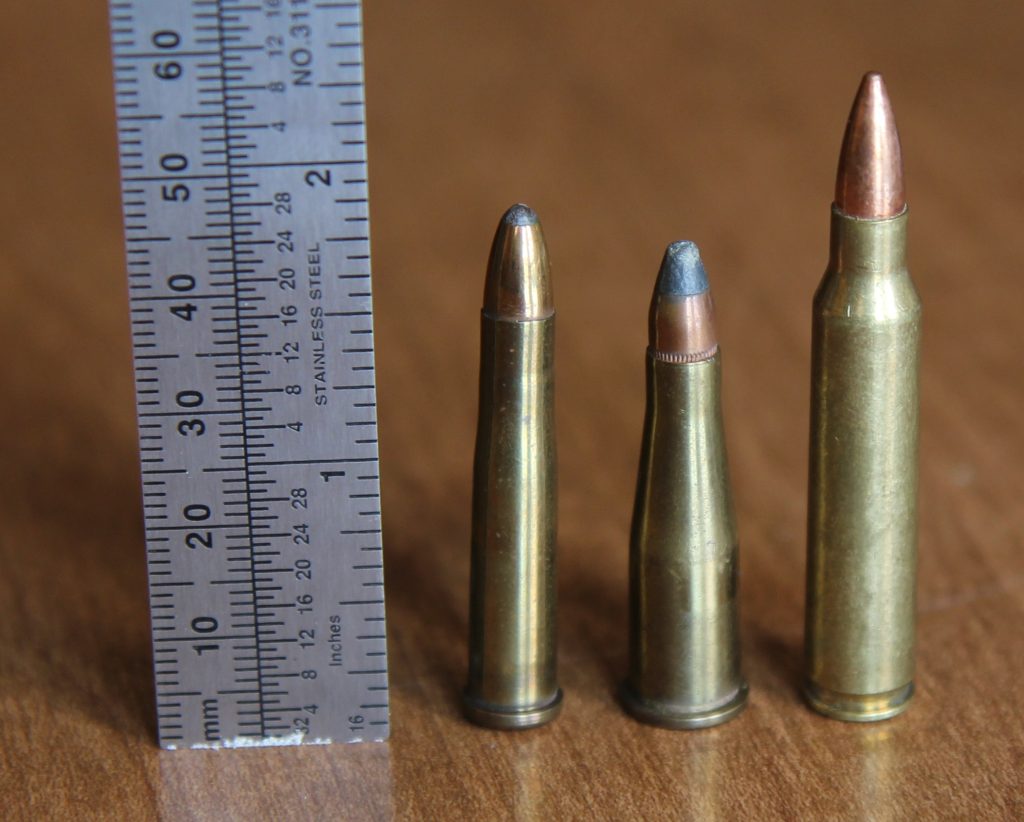
Even premium hunting bullets cannot change the fact that the cartridge starts with limited bullet weight and limited frontal authority. For deer in some jurisdictions it may be legal, but for elk, moose, or bear-sized game it leaves too little margin when angles are poor or impact velocity falls off. A more capable step up is the .308 Winchester, which carries far more downrange authority; in some comparisons it holds more than double the energy at 500 yards than a .223 load.
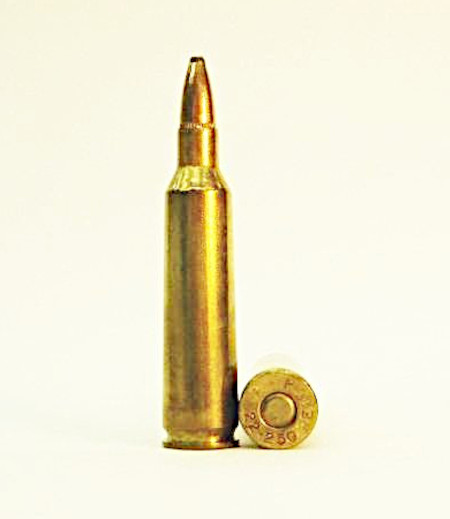
2. .22-250 Remington
The .22-250 Remington is built around speed. Loads pushing past 3,800 fps produce a very flat trajectory, and that makes the cartridge excellent for coyotes, prairie dogs, and other small targets where precise placement matters more than deep penetration. Big game exposes its weakness fast. The .22-250 uses light bullets, and velocity alone does not guarantee useful penetration.
On heavier animals, fast expansion can create broad but shallow wound channels rather than the straight-line drive needed to reach vital organs from less-than-ideal angles. A better crossover choice is the 6.5 Creedmoor, which gives hunters heavier bullets, stronger sectional density, and much more dependable energy retention.
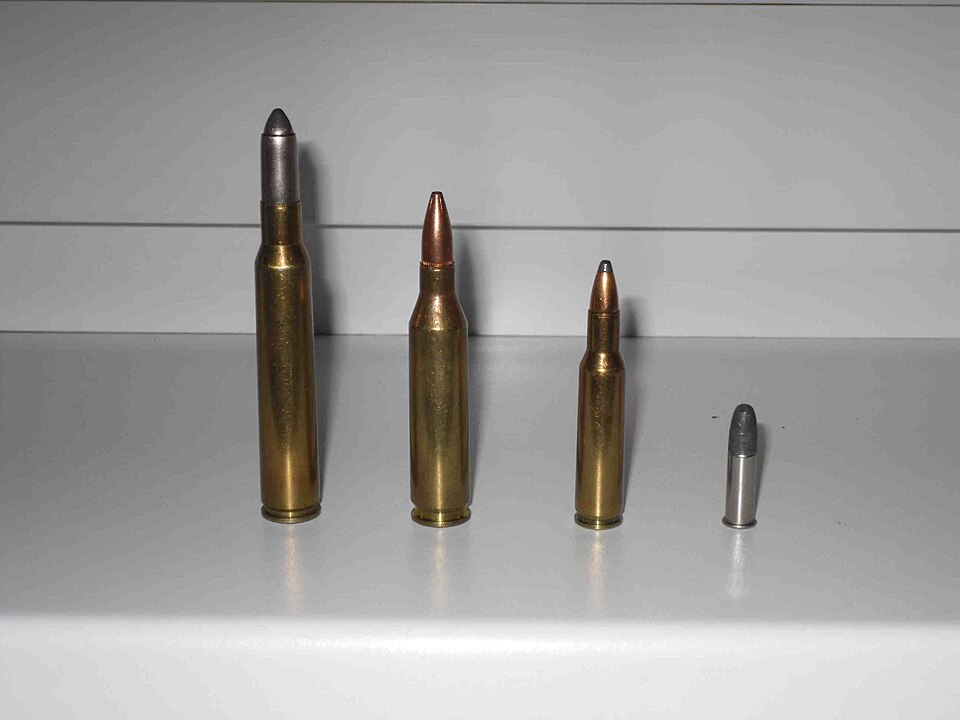
3. .243 Winchester
The .243 Winchester is the one cartridge on this list that truly belongs in the deer conversation. With 900to 100-grain bullets, it has long been effective on whitetails and pronghorn, and its light recoil keeps many hunters shooting accurately. The issue is not whether the .243 can work. The issue is where it stops being the right answer.
On elk-and moose-sized animals, the .243 becomes a narrow-window tool. Heavier game asks for more bullet weight, more penetration, and more forgiveness on quartering shots or shoulder impacts. A comparison with the 6.5 Creedmoor shows the difference clearly: at 100 yards, some 6.5 Creedmoor hunting loads deliver about 1,900 foot-pounds, while comparable .243 loads land noticeably lower. The smarter pick for hunters wanting similar recoil with more big-game headroom is the 6.5 Creedmoor.
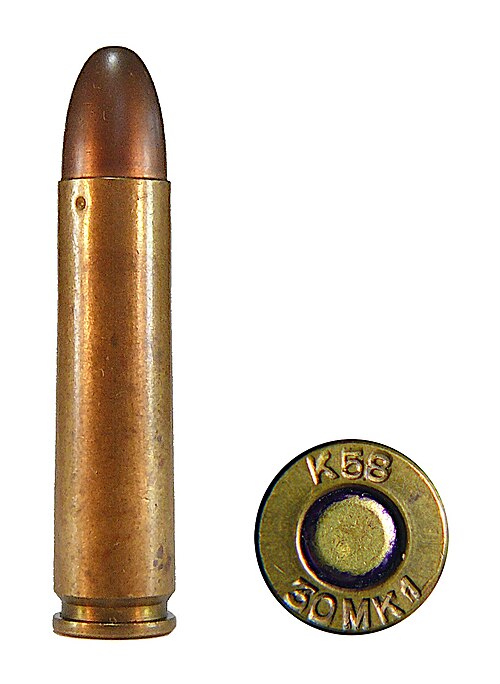
4. .30 Carbine
The .30 Carbine survives mostly on familiarity and nostalgia. Fired from an M1 Carbine, a 110-grain bullet at roughly 1,990 fps puts it closer to the upper edge of handgun-class performance than to a modern big-game rifle cartridge. That does not make it useless. It does make it specialized.
Its limited range and modest penetration keep it out of serious discussion for heavy game, especially where bone-breaking performance matters. Hunters wanting a compact rifle without giving up real hunting capability are better served by the .30-30 Winchester or a short .308-based rifle.
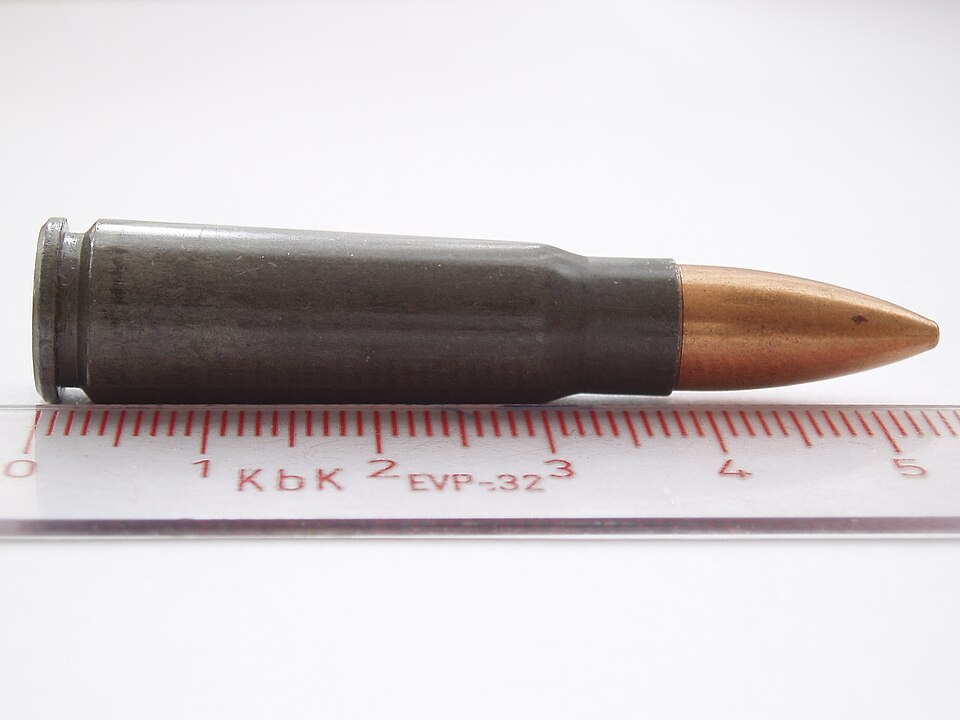
5. 7.62x39mm
The 7.62x39mm has always been practical, mild enough to shoot comfortably, and effective at short distance. With a 123-grain bullet around 2,350 fps, it can do useful work on deer at close range. Its reputation gets inflated when that short-range performance is mistaken for broad hunting versatility.
Beyond roughly 150 yards, the cartridge sheds speed and energy quickly. On larger animals, that drop combines with modest bullet construction options and limited sectional density to narrow the cartridge’s workable envelope. A .30-30 Winchester fills a similar role with a more established hunting track record, while the .308 Winchester offers a much wider margin on distance and animal size.
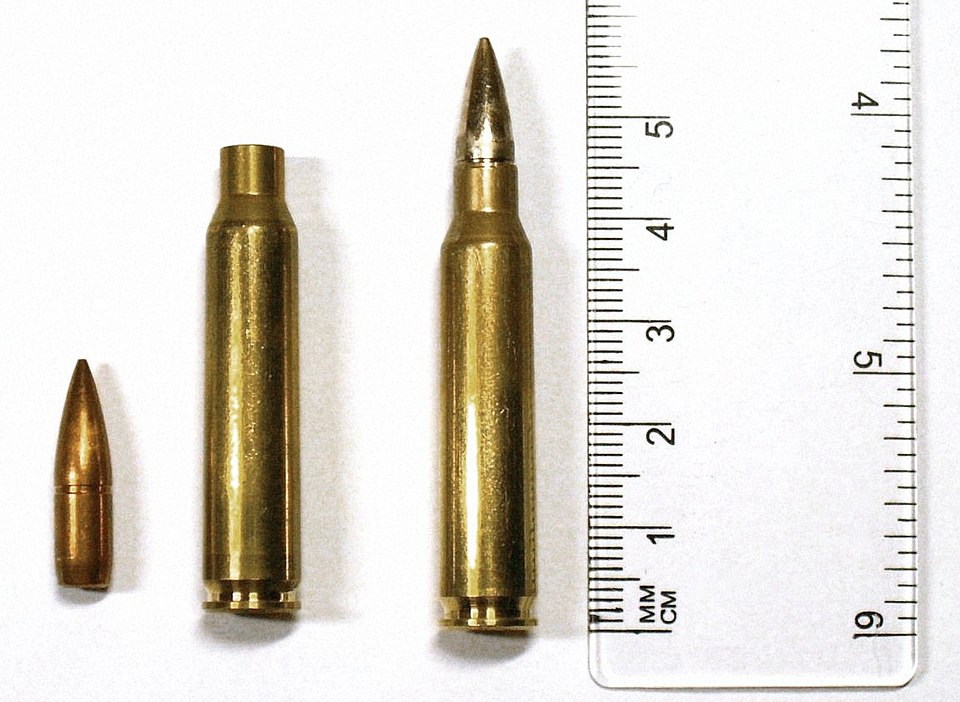
6. 5.56 NATO
The 5.56 NATO often gets lumped together with the .223 Remington, and for hunting purposes that is mostly fair. It typically runs at somewhat higher pressure, but the real-world difference does not transform it into a large-game cartridge. Even with heavier bullets, the same limitations remain.
Bullet diameter stays the same, bullet weight remains light compared to traditional deer and elk rounds, and terminal performance on heavy animals depends too heavily on perfect conditions. Some hunting bullets also require a certain impact velocity for expansion, which becomes a concern as range increases. Hunters wanting low recoil without stepping into marginal territory are generally better served by the .243 Winchester for deer-sized game.
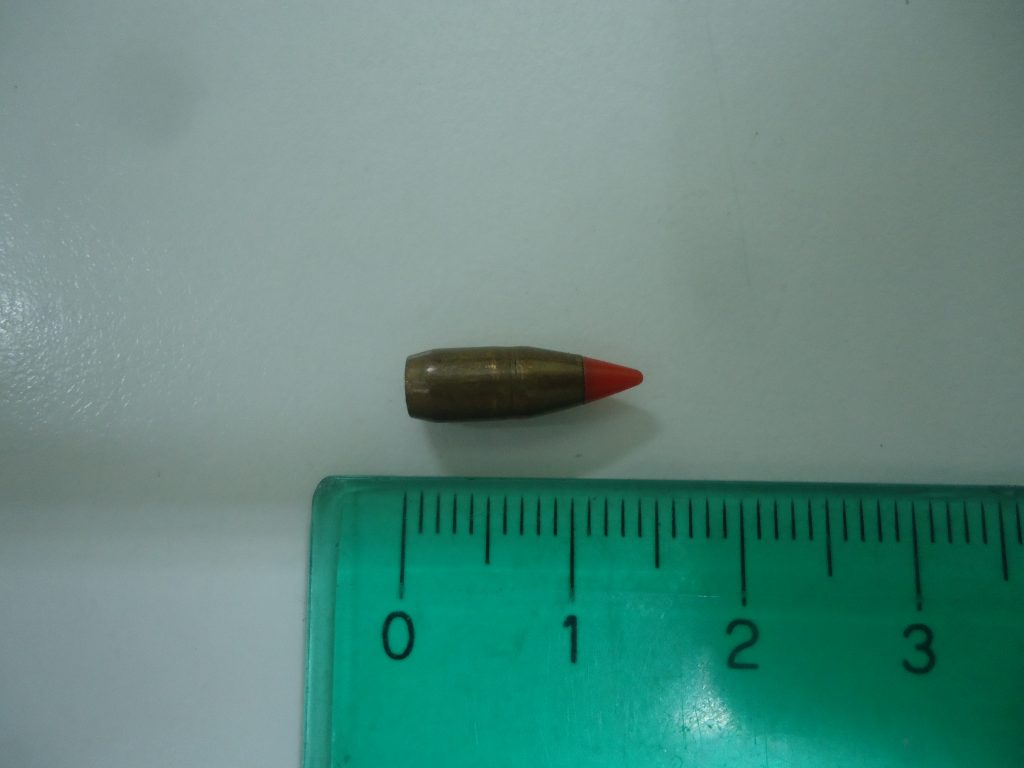
7. .17 HMR
The .17 HMR is outstanding at what it was built to do. It is accurate, fast for a rimfire, and extremely effective on small varmints. With a 17-grain bullet at about 2,550 fps, it simply does not belong in any responsible big-game discussion. Its muzzle energy is only a fraction of what centerfire hunting rounds deliver, and the bullet is too light to penetrate deeply on larger animals. In many places, game laws reflect that reality by limiting rimfire use for deer and larger species. The better option is not another rimfire. It is any suitable centerfire hunting round matched to the size of the game.
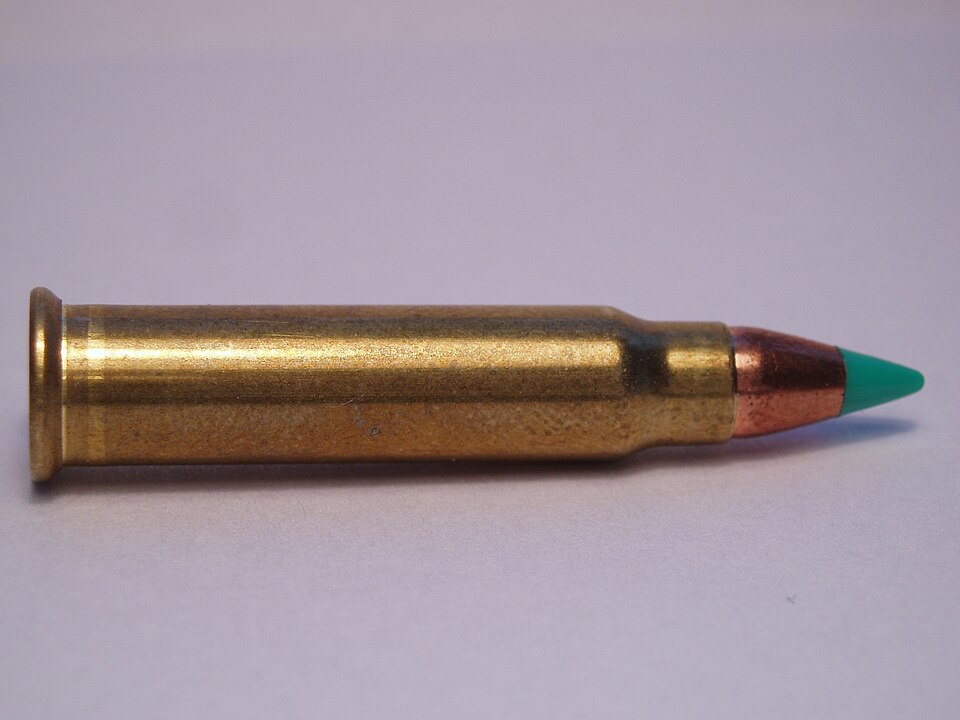
The pattern across all seven cartridges is consistent. None are failures in the right role, but all become poor tools when hunters ask them to do work outside their design window. For varmints and predators, several of these rounds are excellent. For deer, some remain serviceable with the right loads and realistic distances. Once the hunt turns toward heavier-bodied animals, the smarter path is a cartridge with more bullet weight, deeper penetration, and stronger retained energy and a bullet built for the job rather than one forced into it.


