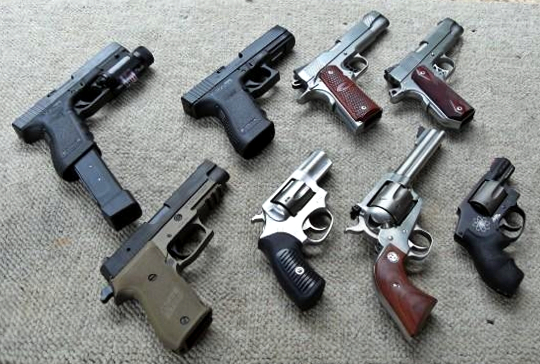
Some guns age into collectibles. Others keep showing up in holsters, racks, and match bags because their original design decisions still make sense. The firearms in this group did more than become famous. They established patterns that newer handguns and rifles still follow: cleaner trigger systems, tougher feeding geometry, lighter construction, simpler controls, and platforms built to be adapted instead of replaced.
1. Colt 1911
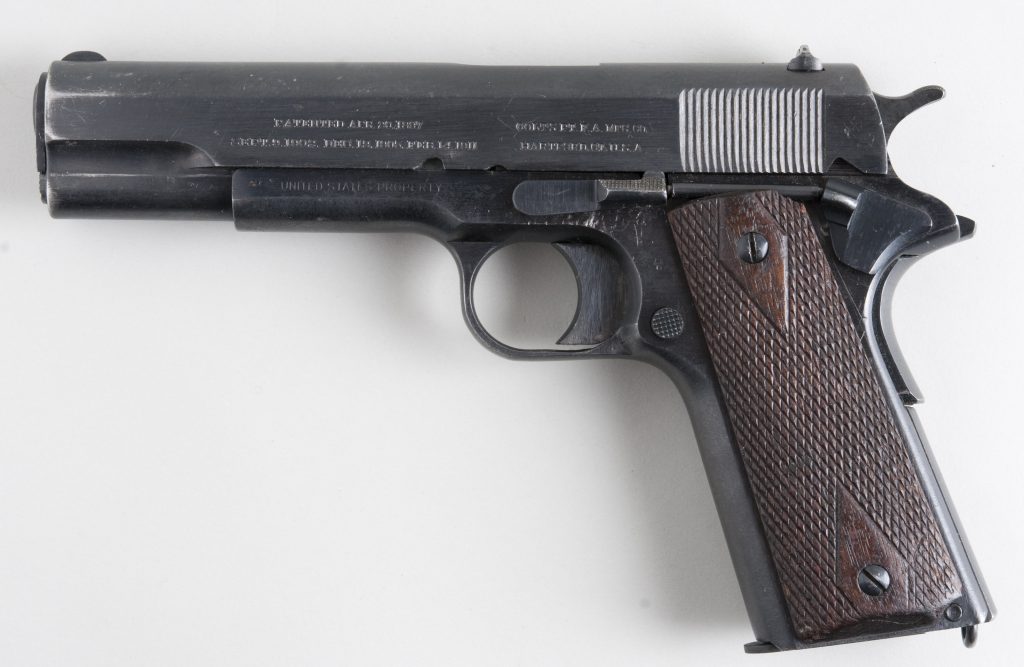
The 1911 remains one of the clearest examples of a pistol that never lost its purpose. John Moses Browning, credited with 128 firearm patents, gave the platform a straight-pull single-action trigger, slim profile, and grip shape that still feels unusually natural in the hand. Even in its original 7-round form, the design earned loyalty through shootability rather than capacity.
Its staying power comes from the way the pistol interfaces with the shooter. The trigger breaks cleanly, the steel frame helps control recoil, and the controls reward deliberate handling. Newer pistols may offer more rounds and less weight, but the 1911 still serves as a reference point for what a crisp trigger and balanced ergonomics can do.
2. Glock’s Polymer Service Pistols
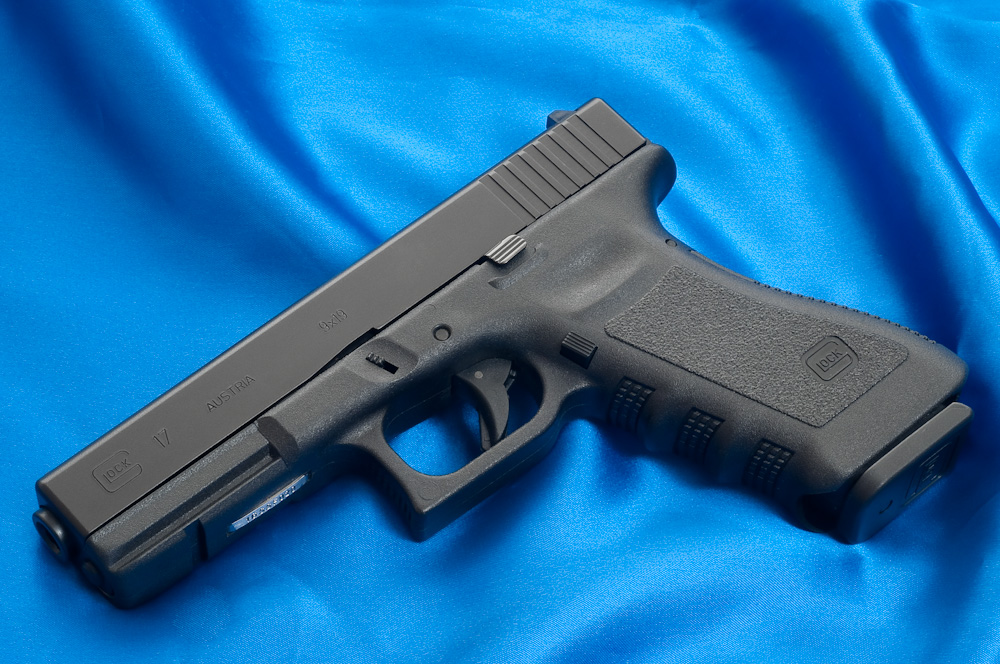
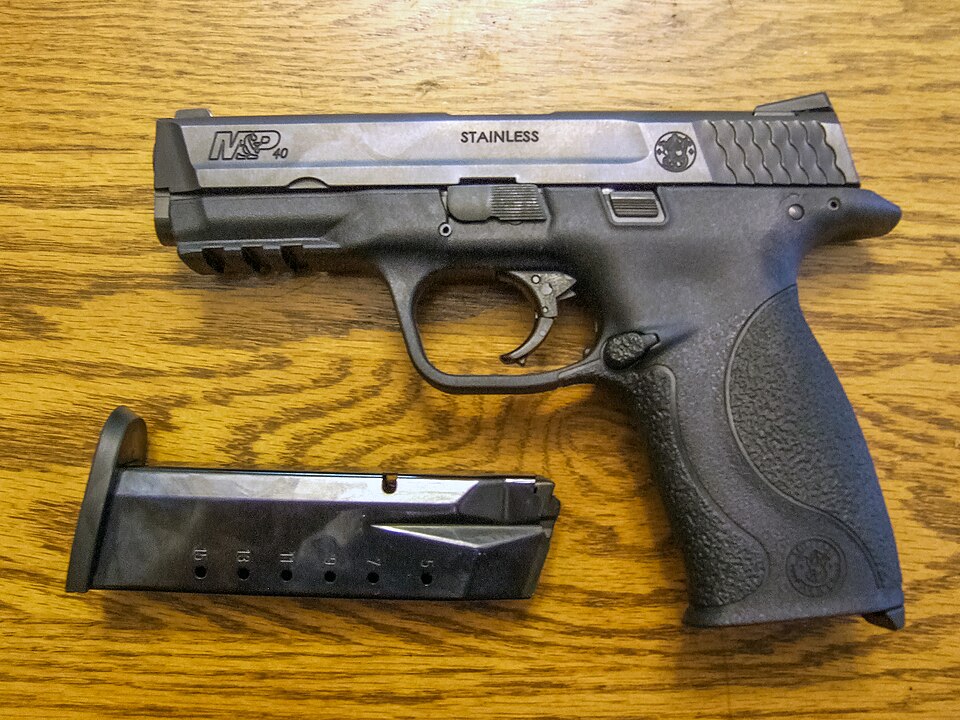
Glock changed expectations by proving that a duty pistol could be light, simple, weather-resistant, and still built for hard use. The original Glock 17 launched in 1982, and its basic formula of polymer frame, striker-fired action, and high magazine capacity pushed the handgun market in a direction competitors still follow.
The larger shift was cultural as much as mechanical. What once looked unconventional became the default layout for modern service pistols. Glock’s design also kept the parts count low, with one widely cited early figure putting the pistol at 36 parts. That simplicity, combined with durability and easy maintenance, helped make polymer-framed striker-fired handguns the industry baseline rather than the exception.
3. Smith & Wesson and Colt Double-Action Revolvers
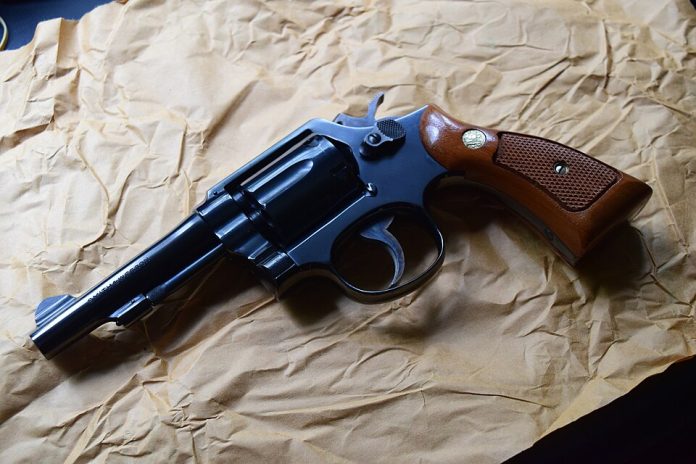
Before high-capacity semiautos dominated range lanes, the double-action revolver set the standard for trigger quality and mechanical timing. Guns like the Smith & Wesson Model 10 and Colt Python still matter because they demonstrate what careful fitting can do for lockup, smoothness, and consistency.
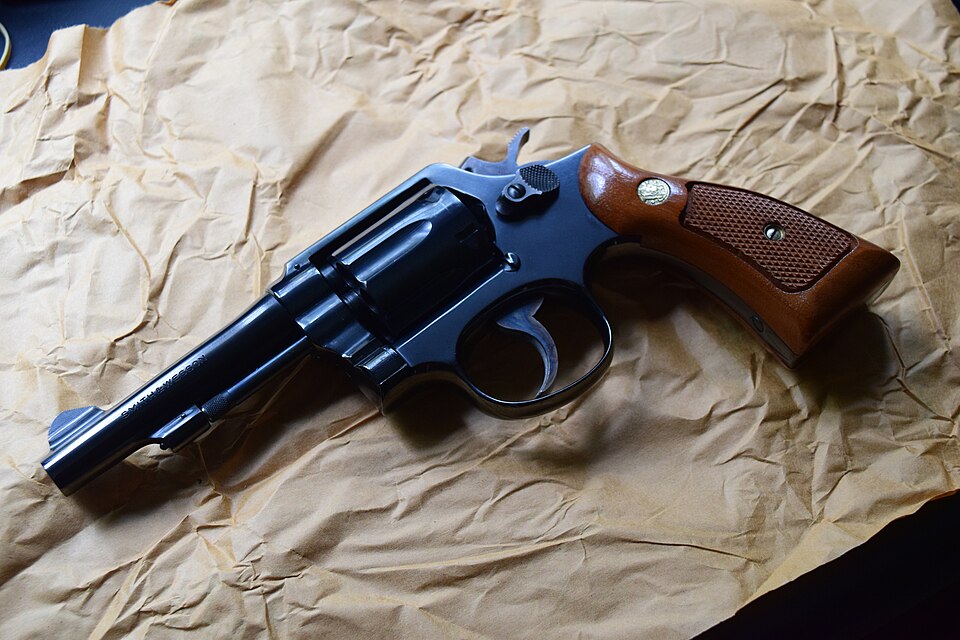
The Python became especially famous for its hand-finished feel. Former Colt Custom Shop superintendent Al De John described that process plainly: “We had to hone all the parts, including inside the sideplates.” That kind of internal refinement still shapes how experienced shooters talk about a truly good revolver action. Even for shooters who spend most of their time with modern semiautos, these wheelguns remain the benchmark for double-action trigger craftsmanship.
4. AR-15
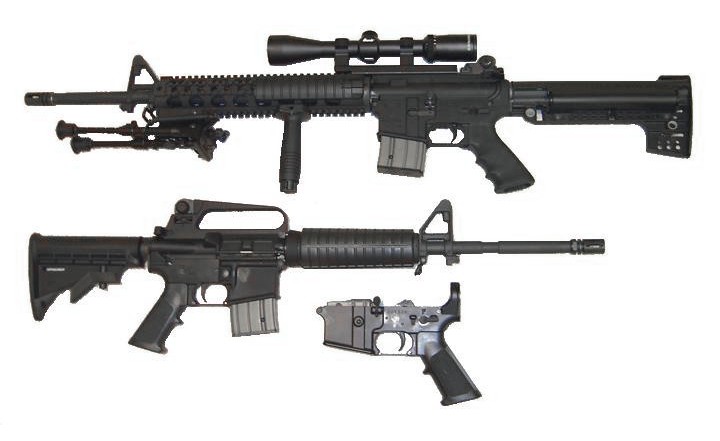
The AR-15’s real legacy is not one exact rifle but the idea that a rifle can function as a modular system. Eugene Stoner’s design began at ArmaLite, and the “AR” in the name stands for ArmaLite Rifle, not “assault rifle.” That distinction matters because the platform’s civilian identity grew from a semiautomatic pattern that became endlessly configurable.
Its influence shows up in every corner of the modern range. Swappable uppers, optics-ready receivers, accessory rails, and deep parts support made the rifle less of a fixed product and more of a user-tuned ecosystem. By 2020, more than 20 million AR-15-style rifles had been sold to the American public, a sign of how thoroughly the platform normalized modularity, light recoil, and customization.
5. AK-47
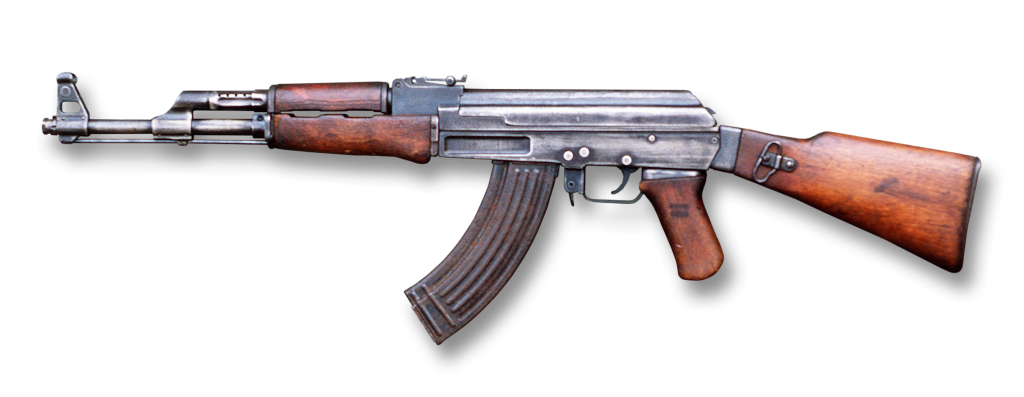
The AK-47 endures because it followed a different engineering priority: function first, refinement second. Mikhail Kalashnikov built a rifle known for loose tolerances, straightforward maintenance, and an operating system that tolerates dirt, rough handling, and neglect better than many more tightly fitted designs.
That approach gave the AK enormous reach. Estimates commonly place production of the Kalashnikov family at around 100 million worldwide. Numbers alone do not explain the rifle’s reputation, though. Its deeper significance is that it became the clearest case study in forgiving mechanical design, where reliability comes not from delicacy but from generous operating margins and simple controls.
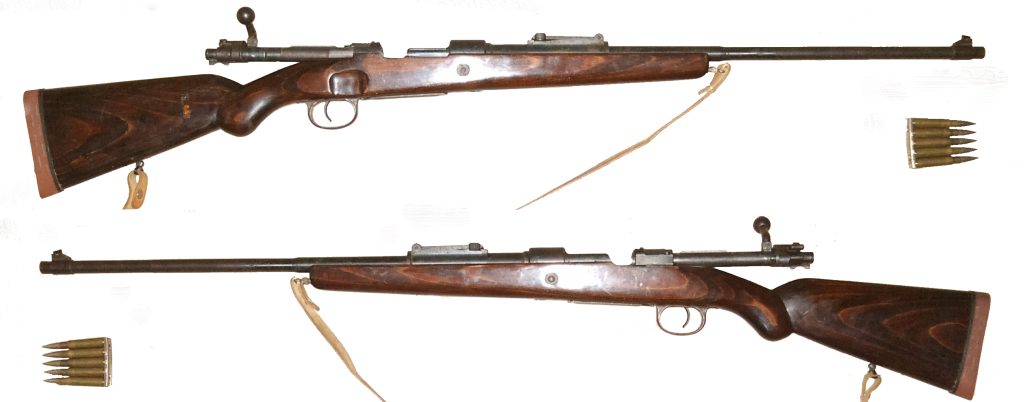
6. Mauser 98
The Mauser 98 still casts a long shadow over bolt-action rifle design because it solved feeding and extraction with unusual authority. Its massive claw extractor and controlled-round-feed system gave shooters confidence that the cartridge would stay under control through the full cycle. That is why discussions about bolt-rifle dependability still circle back to controlled round feed. The action captures the cartridge early instead of letting it float loosely forward, which matters when a rifle is worked fast or from awkward positions. Modern sporting and dangerous-game rifles continue to borrow from that logic because the Mauser got the fundamentals right the first time.
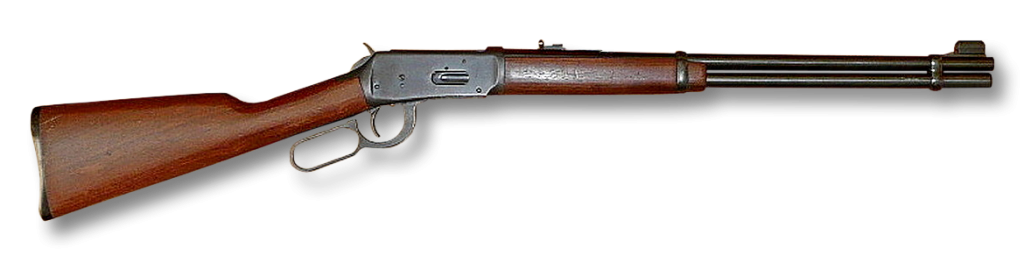
7. Winchester Model 94
The Winchester Model 94 proved that a lever gun could stay current in a changing era. Designed by Browning, it became the first Winchester sporting rifle built around smokeless-powder pressures, which helped carry the lever-action into the modern age instead of leaving it behind. Its reputation was also built in the field. Light weight, quick handling, and a natural pairing with .30-30 made it a familiar rifle in woods country for generations. Production totals tell the story clearly, with more than seven million made over its long run. Few rifles have done a better job of combining portability, practical power, and everyday carry comfort.
The common thread across all seven designs is simple: each one solved a real mechanical problem in a way that kept paying off long after newer models arrived. Some prioritized trigger quality, others modularity, and others pure tolerance for abuse, but all of them established standards the modern range still recognizes. Materials have changed, machining has improved, and entire product categories have grown around these ideas. The core lessons have not moved much at all.


