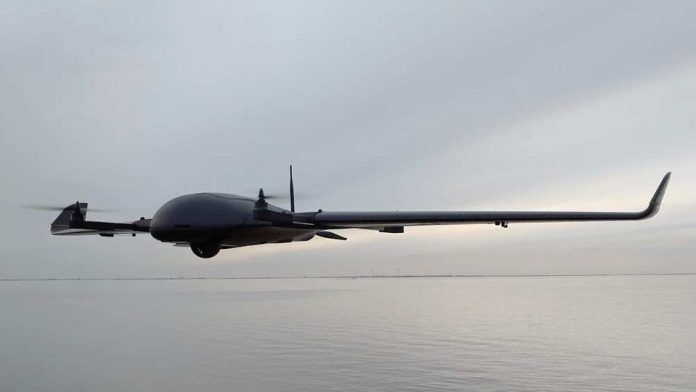
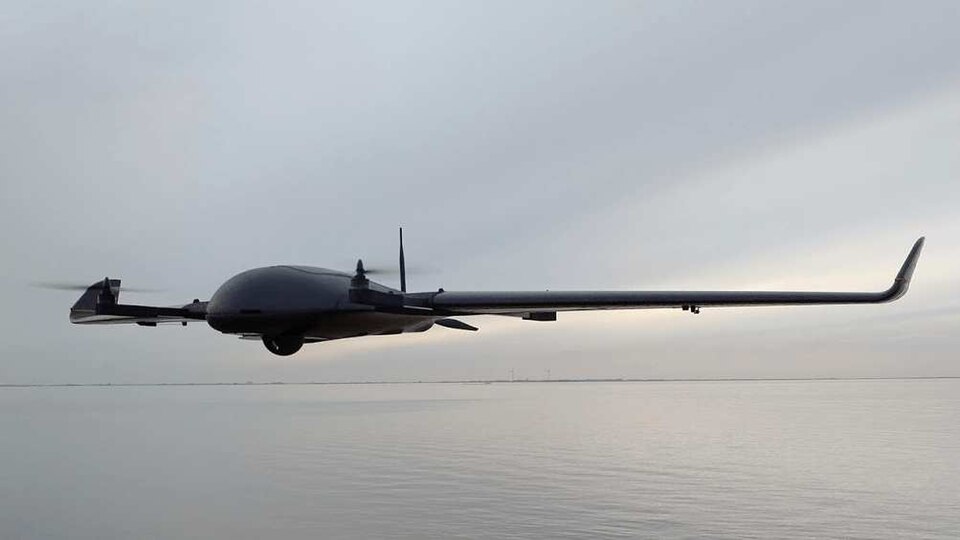
Tube artillery is not disappearing, but its old operating model is under growing pressure. The battlefield logic that once favored heavy guns massed around prepared positions is being reshaped by persistent aerial surveillance, cheap strike drones, and digital targeting chains that compress detection and engagement into minutes or less.
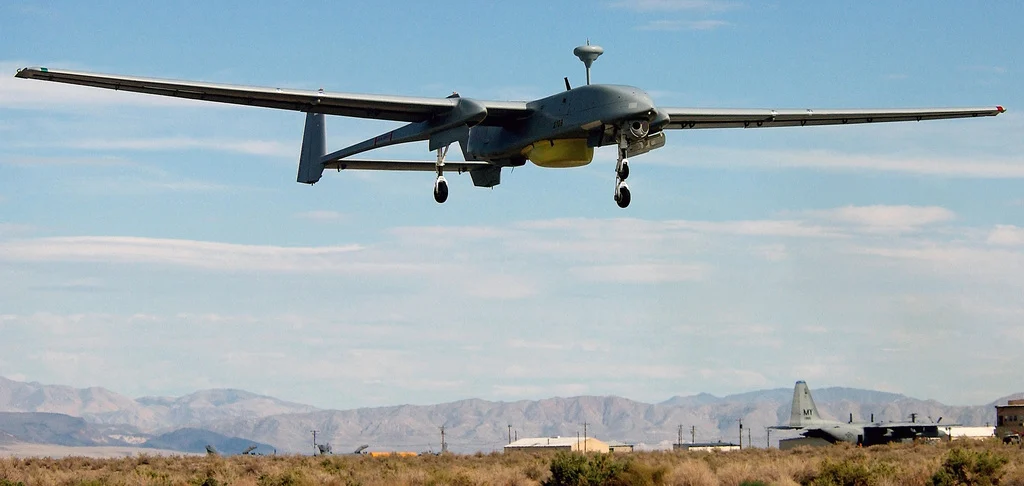
That shift matters because artillery remains essential for volume, range, and sustained fires. Even so, the references point in the same direction: conventional gun systems that cannot move quickly, hide effectively, or plug into a wider sensor network are becoming easier to find, fix, and disable.
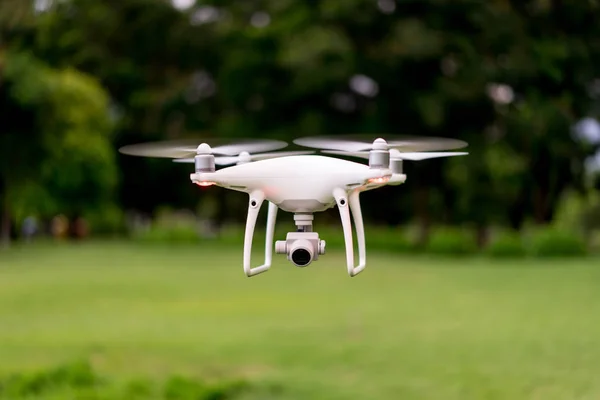
1. Drones have turned concealment into a temporary condition
Traditional artillery depended on distance, camouflage, and displacement for survival. That formula weakens when small unmanned aircraft can loiter over likely firing areas, scan roads, and revisit suspected positions repeatedly. In the Army University Press vision of future combat, “commanders no longer define the battlegrounds by large-scale troop movements” but by swarms of unmanned drones that fill the skies.
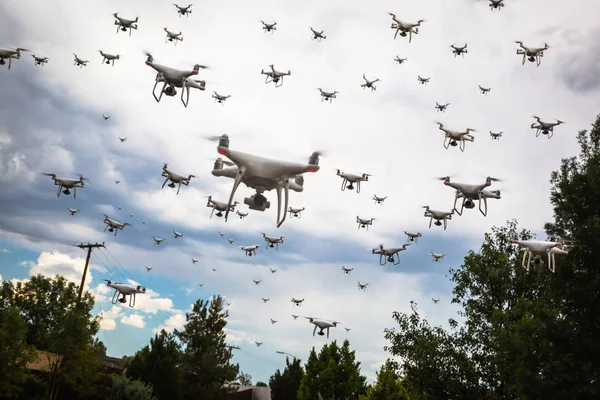
For artillery crews, that means hiding is no longer a one-time act. It becomes a constant contest against overhead sensors, data fusion, and revisit rates that are far higher than in earlier eras.
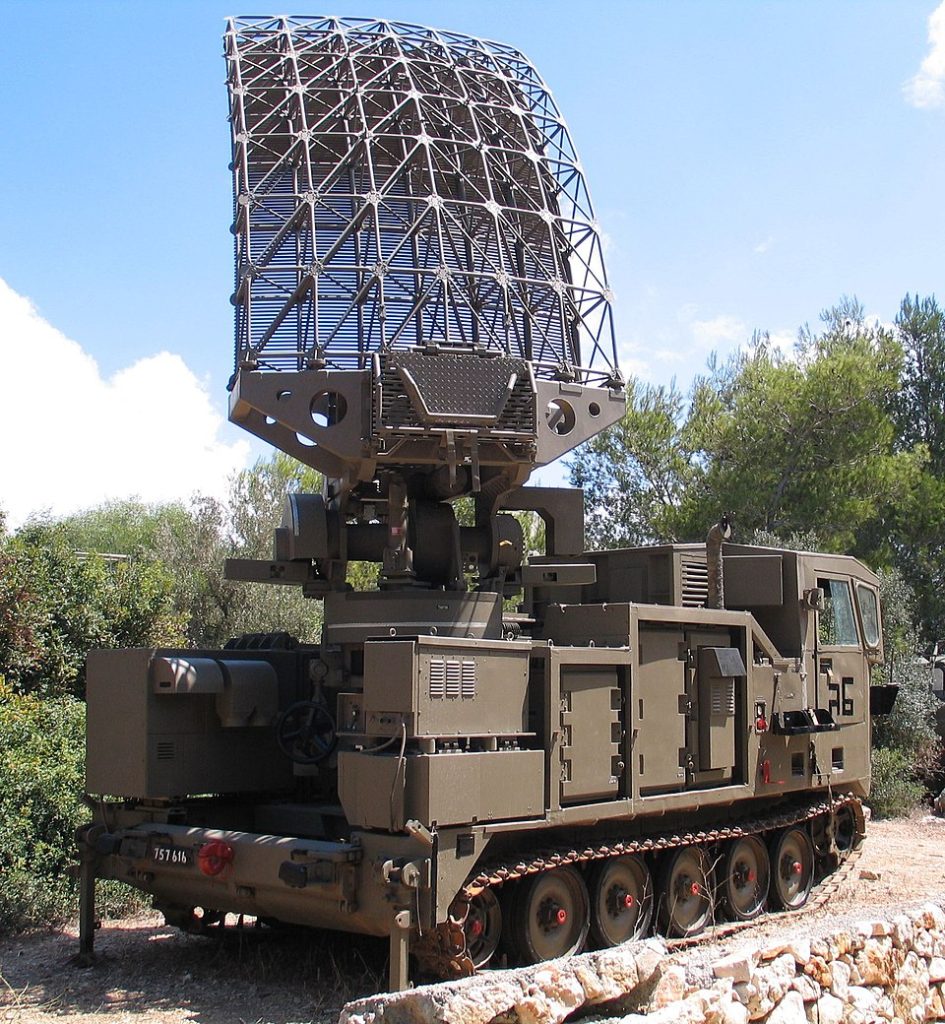
2. Counter-battery timelines are collapsing
Once a gun fires, it emits more than a shell. It creates a signature that can be tracked by radar, observed by drones, and passed through digital networks to available shooters. The ALSSA Center described how automated processing and machine-to-machine links can cut sensor-to-shooter delays dramatically, with one integrated workflow reducing a kill chain by 30 minutes. That trend does not only improve friendly artillery response. It changes the risk profile of every gun position. A howitzer that remains stationary for too long is now exposed to a faster sequence of detection, targeting, and return fire, whether the final blow comes from artillery, loitering munitions, or FPV drones.
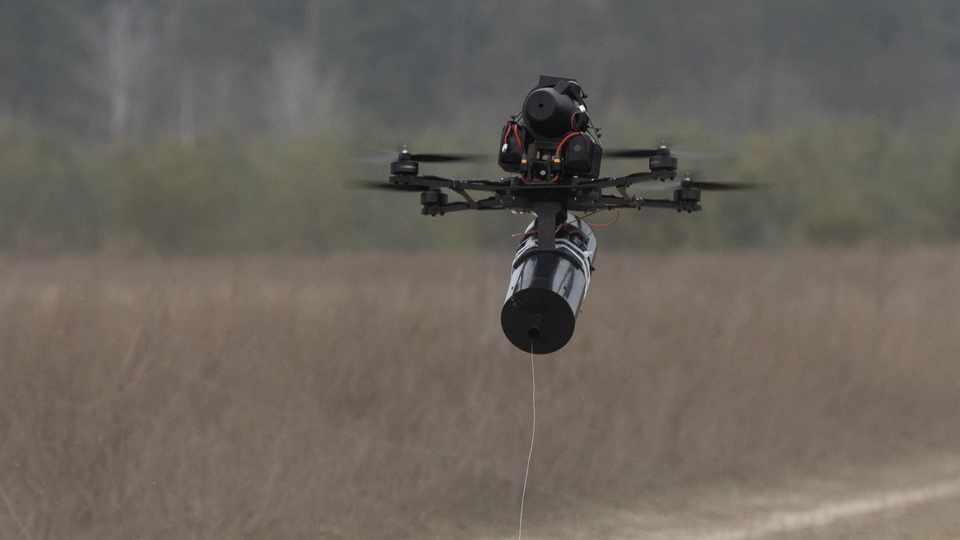
3. Small drones can disable guns without destroying the whole platform
One of the clearest changes is that artillery no longer needs to be blown apart to be removed from the fight. As Forbes detailed, Ukrainian drone operators developed a modern version of “spiking the guns” by guiding FPV drones into the barrel area of enemy howitzers and rendering them unusable through highly precise strikes. That is a major engineering problem for legacy artillery. A weapon designed to survive blast and fragmentation can still be neutralized by a relatively small munition aimed at a critical component. In practice, a gun that cannot fire is a loss even if the chassis remains mostly intact.
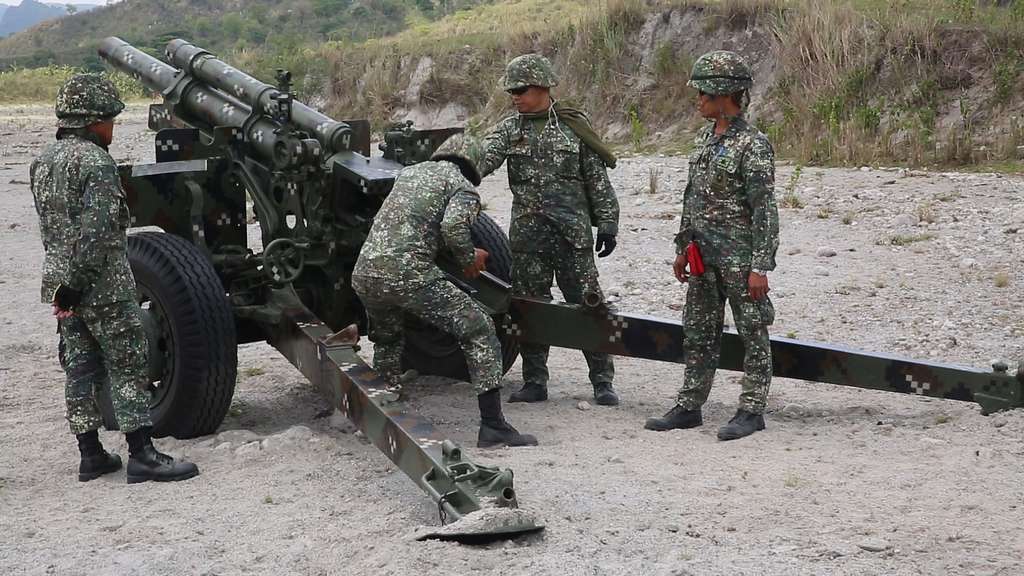
4. Large crews and exposed drill routines are becoming liabilities
Classic towed artillery depends on crew activity around the weapon: unlimbering, laying the gun, loading rounds, and preparing to move again. Every one of those steps adds time and visual exposure. New European systems are moving the other way, toward fully automated, crewless modules with crews of only two or three soldiers protected in an armored cab. The change in design philosophy is direct. If drones make stationary gun lines easier to target, then fewer exposed personnel and less time outside the vehicle become survivability features, not luxuries.
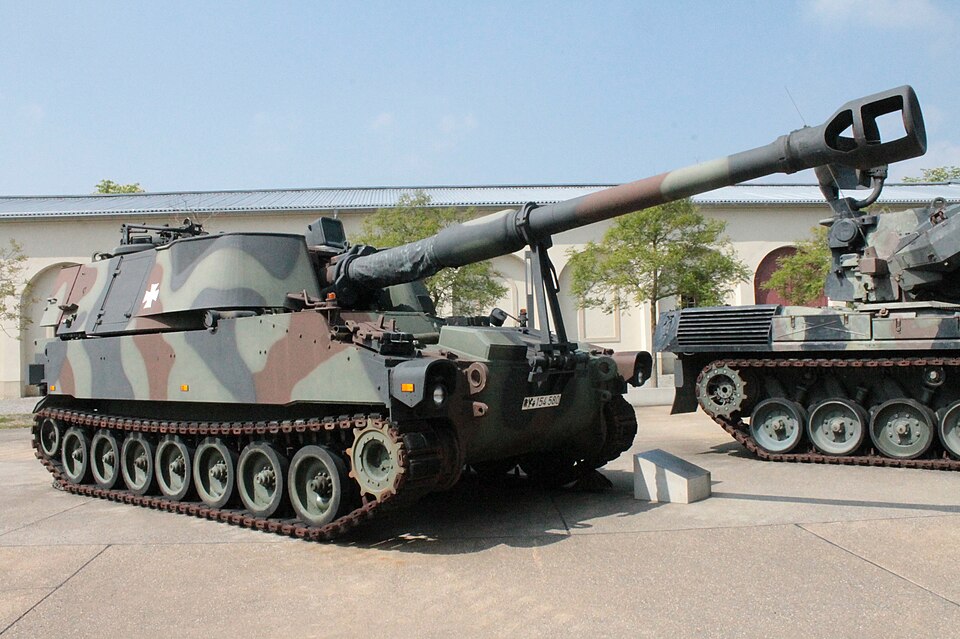
5. Shoot-and-scoot is no longer an advantage, but a requirement
Self-propelled artillery once offered mobility as a tactical benefit over towed guns. In a drone-heavy environment, rapid displacement has become the minimum standard for survival. Modern systems such as ARCHER, DITA, and EVA are optimized for a short burst of fire and immediate relocation, while some newer platforms are being designed to deliver accurate fire while the vehicle is moving. Older designs can still fire effectively. They just spend too much time being artillery in the traditional sense: arriving, setting up, shooting, and lingering long enough to be hunted.

6. Artillery now lives or dies by its place in the network
Gun performance still matters, but the references repeatedly show that connectivity matters just as much. Drone feeds, counter-battery radars, fire-control software, navigation systems, and digital command links now form a single kill chain. The systems best adapted to this environment are not stand-alone guns; they are nodes inside a data network. That is why newer artillery programs emphasize automatic gun-laying, integrated navigation, predictive diagnostics, and seamless exchange with UAVs and reconnaissance assets. The decisive factor is not only how far a shell travels, but how quickly a target moves from detection to engagement.
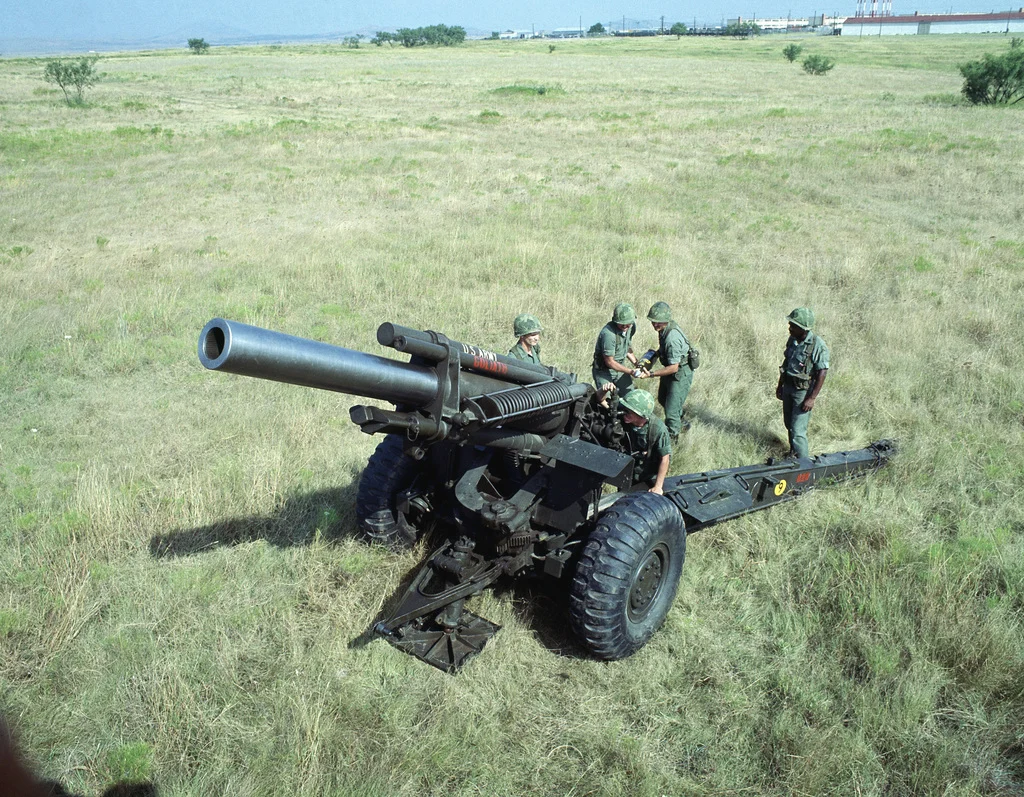
7. The survivors look less like old artillery and more like robotic fire units
The strongest pattern across the source material is not the end of artillery, but the end of traditional artillery behavior. The systems being fielded for the 2030s reduce crew size, automate loading and laying, support precision rounds out to 50–70 km, and operate as protected, mobile, digitally connected platforms rather than static batteries. That evolution matches the broader direction described in human machine integrated formations. Artillery is not losing because the gun itself has become irrelevant. It is losing when it remains slow, exposed, manually operated, and disconnected from the drone-led battlespace around it.
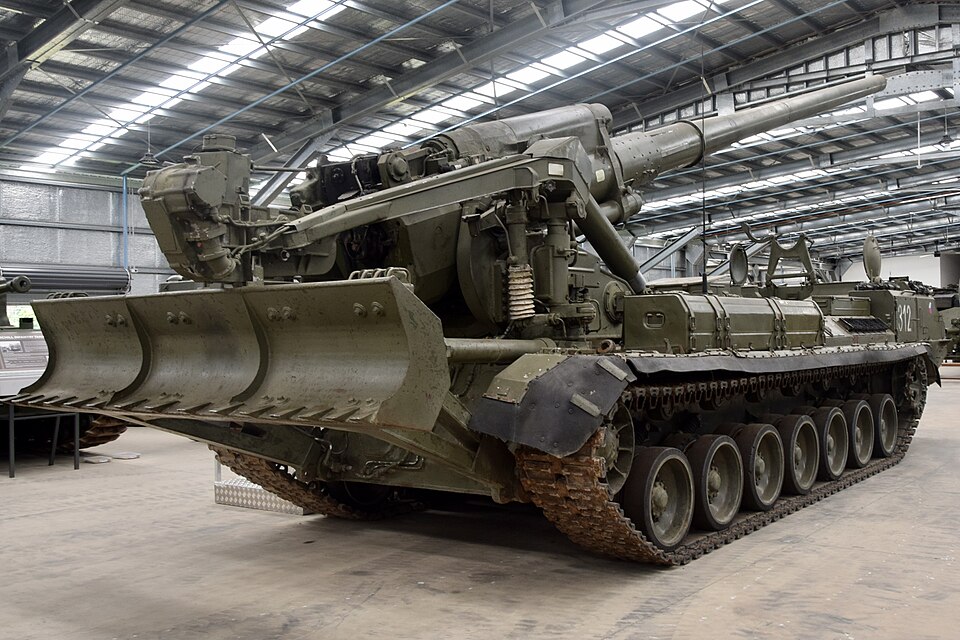
The core lesson is straightforward. Drones are not eliminating the need for artillery, but they are stripping away the safety margins that once protected traditional gun systems. What remains viable is a different category of fire support: faster to move, harder to spot, lighter on crew exposure, and tightly linked to automated targeting networks. In that environment, the losing bet is not artillery as a concept. It is artillery that still behaves like the battlefield has no drones overhead.


