
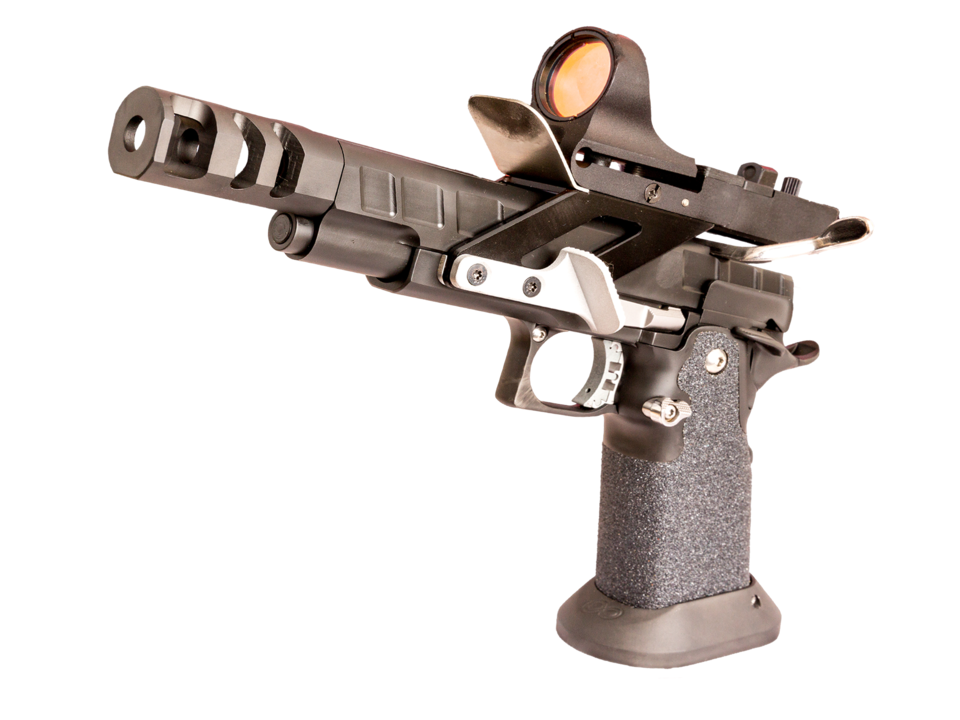
The service pistol has not disappeared, but its design brief has changed. What was once a sidearm built around fixed iron sights is increasingly being engineered around an optic cut, taller backup sights, and mounting geometry that assumes a red dot may be part of the package from day one. That shift has been gradual enough to look normal. In practice, it has altered manufacturing priorities, training doctrine, agency procurement, and even which legacy handgun variants still make sense to keep in production.
1. Miniaturized red dots finally made slide-mounted optics practical
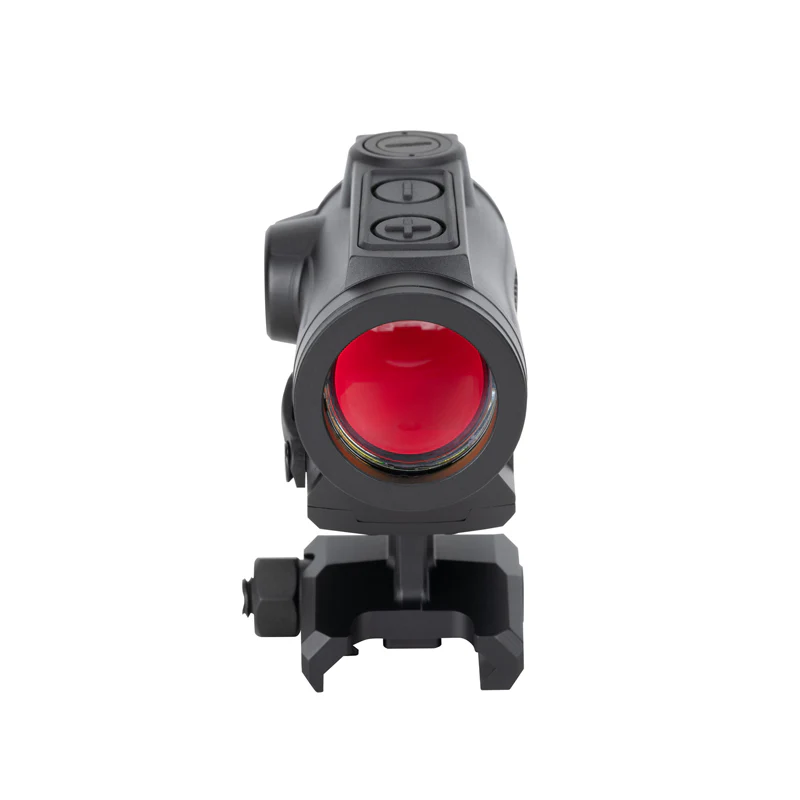
Early pistol optics were too large and too delicate to become standard equipment on duty handguns. Competition users often relied on bulkier mounting arrangements because the optics themselves added too much weight and did not tolerate recoil well enough for broad duty use. The modern change came when micro-reflex designs became light, compact, and durable enough to ride directly on reciprocating slides.
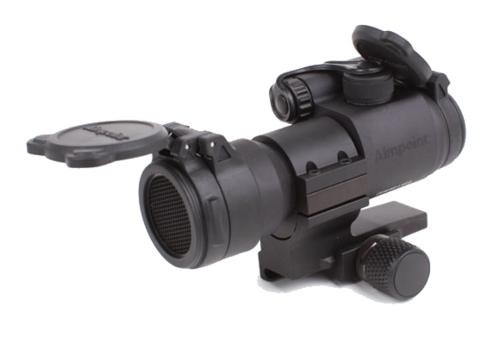
That engineering leap turned the optic cut from a specialty modification into a factory feature. As newer pistol optics dropped to roughly 1.3 ounces instead of the much heavier early setups described in historical accounts, handgun makers gained room to redesign slide profiles and mounting interfaces around optics from the beginning.

2. Factory optic cuts removed the old custom-milling bottleneck
For years, adding a dot to a duty pistol often meant shipping a slide out for machining and committing that handgun to one footprint. That process slowed adoption and kept optics in the enthusiast lane. Factory-cut slides changed the equation.
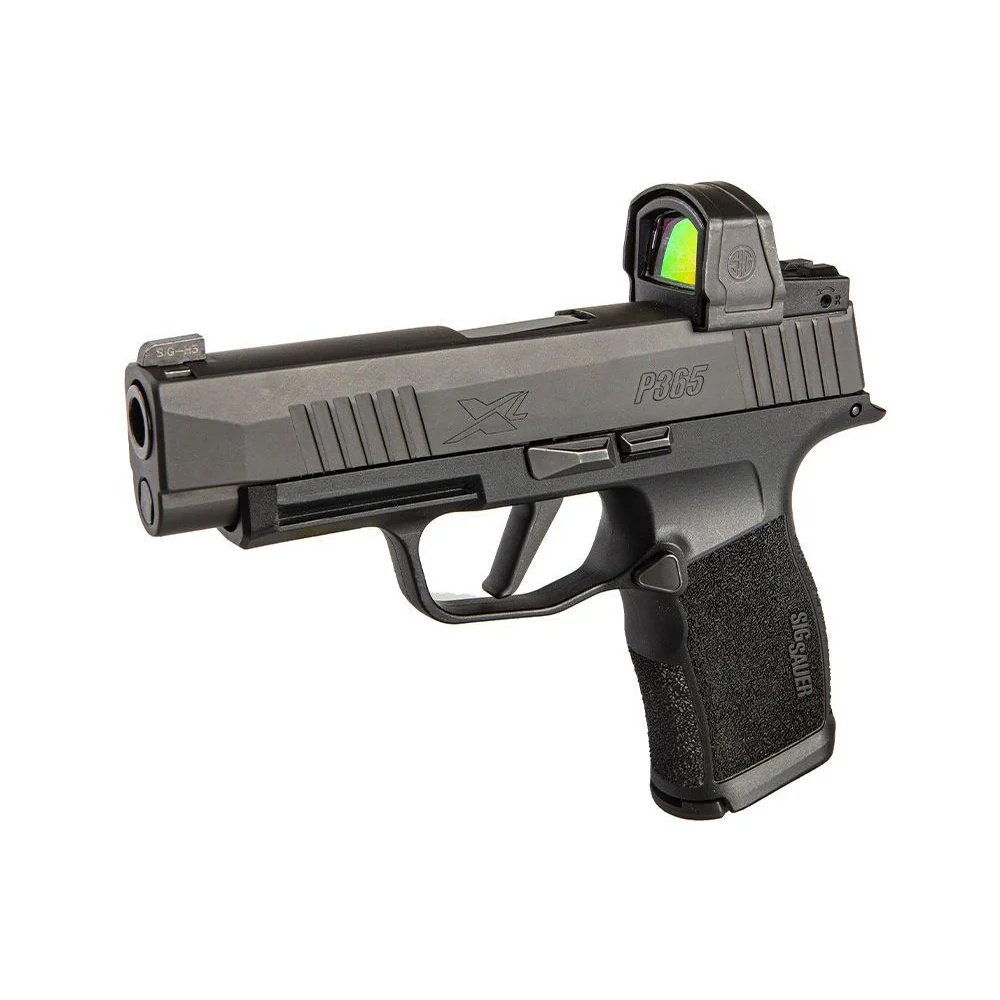
Once pistols could leave the factory with an optic interface already machined in, the barrier shifted from gunsmithing to simple installation. The effect reached beyond convenience. It also pushed manufacturers to treat the optic mount as part of the pistol’s core architecture rather than an aftermarket accommodation.
3. Law-enforcement adoption changed what “duty ready” means
Competitive shooters proved pistol dots could work, but agencies changed the market. When departments began standardizing optics-capable sidearms, manufacturers had a clear incentive to prioritize optics-ready models in their duty catalogs.That institutional shift is visible in long-term training data and procurement behavior.
A five-year national survey tracked 35 on-duty incidents involving red-dot-equipped pistols and concluded at the end of 2024 because the format was no longer considered necessary as adoption had become widespread. Once armorers, instructors, and policy writers are all working around pistol optics, the classic iron-sight-only duty gun starts to look less like a default and more like a holdover.

4. Training doctrine increasingly favors target-focused shooting
Iron sights demand alignment across multiple focal planes. Pistol dots change that by allowing a shooter to remain focused on the target while using a projected aiming point. That matters in training environments where consistency, visual processing, and quicker diagnostics are valued as much as raw qualification scores.
Red dots also make certain shooter errors easier to spot. Instructors can see how grip, draw path, and trigger control affect dot movement, which turns the optic into both a sighting system and a training aid. That has made optics-ready pistols more attractive for institutional programs that want equipment aligned with modern coaching methods rather than older sighting assumptions.

5. Optics-ready systems better fit a market that no longer wants one permanent setup
Classic duty pistols were built around fixed irons and a stable, unchanging configuration. The newer optics-ready handgun fits a more modular culture. Plate systems and direct-milled cuts each have tradeoffs, but both reflect the same larger reality: users increasingly expect their sidearm to accept evolving optics without replacing the entire pistol.
Direct cuts can sit lower and provide a more integrated mount, while plate systems offer broader compatibility with different footprints. That flexibility matters because the optic market is still moving fast, and pistol buyers now expect the handgun to adapt with it instead of locking them into one aging standard.

6. The user base expanded beyond shooters with ideal eyesight
One of the quieter forces behind optics-ready handguns is accessibility. Red dots can be easier to use for shooters dealing with aging vision, cross-dominance, or difficulty maintaining a crisp front-sight focus. That broadens the market well beyond elite competitors and highly practiced iron-sight users.
Some experienced shooters still perform at a very high level with irons. But data-driven commentary from the training world has also argued that dots help a much wider portion of the shooting population improve precision, especially outside the expert tier. A design trend becomes durable when it serves more users, not just more specialists.

7. The optics industry is now large enough to influence handgun design itself
The accessory market is no longer trailing handgun development. It is helping define it. The global red-dot sector was valued at USD 740.39 million in 2024, with growth tied to law enforcement, competitive shooting, and broader civilian demand. At that scale, optics makers and firearm manufacturers begin moving in parallel.
Common footprints, better battery management, motion-activated illumination, ruggedized housings, and lighter micro-optics all feed back into slide dimensions, screw placement, sight height, and holster compatibility. The duty pistol is no longer just a handgun with sights on top. It is becoming a host platform for an optical system.
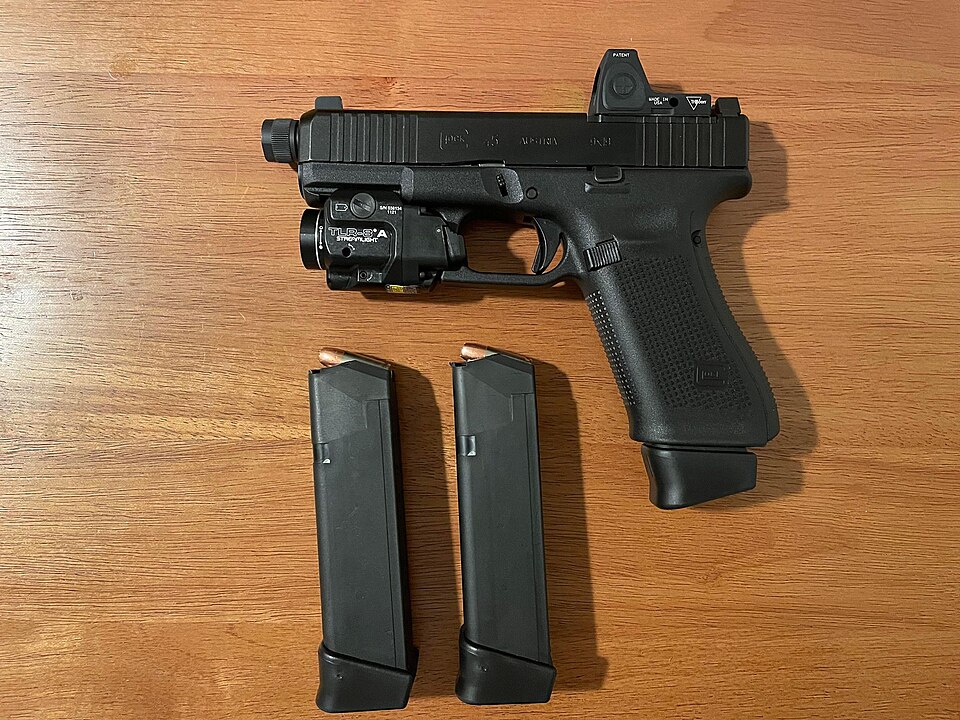
The classic duty pistol still exists, and in many holsters it still works exactly as intended. The larger trend, however, is difficult to miss. The optics cut is steadily becoming part of the baseline specification for a serious sidearm, not an optional upgrade. That is why older duty-pistol layouts are fading without much ceremony. They are not being replaced by a single headline product. They are being edged out by a broader engineering expectation that the modern handgun should already be ready for the optic it may not even ship with.


