Range problems are often blamed on ammunition, optics, or shooter technique. In many cases, the trouble starts much earlier, in a design shortcut that looked efficient on a drawing board but shows its limits once rounds begin stacking up.
That matters because small engineering compromises rarely announce themselves with a dramatic failure. More often, they show up as wandering zero, inconsistent trigger feel, feeding hiccups, or accelerated wear in the exact places that determine whether a firearm feels settled and repeatable on the firing line.
1. Using polymer where the load path really wants metal
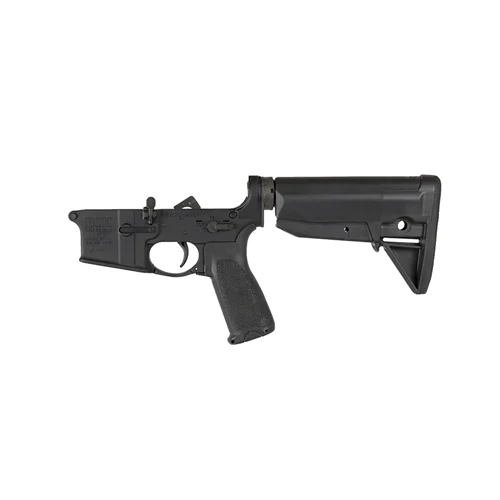
Polymer works well in many firearm applications, but range performance suffers when designers treat it as a direct substitute for aluminum or steel in high-stress structural areas. The problem is not the material by itself. The problem is copying a metal part’s geometry and asking polymer to absorb the same forces at pin holes, receiver junctions, or buffer interfaces without changing the design. That weakness has been observed repeatedly in discussions around polymer AR-style lowers, especially around rear takedown and buffer tube areas where cracking became a recurring complaint in early examples. Some builders specifically noted the need for reinforcement in “critical areas,” while others pointed to designs that lasted because they were built around polymer’s strengths instead of merely imitating forged receivers. A firearm that flexes or deforms unpredictably under load can still fire, but it stops feeling consistent, and consistency is the foundation of good range results.
2. Leaving stress points under-fastened or easy to loosen
A rifle does not need a catastrophic break to become a poor range tool. It only needs movement where movement should not exist. When fasteners at the barrel or receiver interface loosen, accuracy degrades first. In one polymer AR stress test, bolts near the barrel attachment were already showing signs of loosening before high round counts were involved. That kind of shift changes harmonics, sight relationship, and the shooter’s confidence in every follow-up group. A platform that cannot hold its critical joints together turns every accuracy check into a moving target.

3. Designing around narrow magazine tolerance windows
Magazine sensitivity is one of the quickest ways to ruin a productive range session. If a firearm only runs well with a very specific magazine pattern, the design is already living too close to the edge. That showed up clearly in testing where one polymer .300 Blackout rifle would only feed consistently from a magazine tailored to that cartridge, while more typical magazine cross-compatibility did not hold. The same evaluation also described repeated stoppages in a 5.56 version. A well-sorted firearm should not feel unpredictable simply because a shooter switched between otherwise common, in-spec magazines. Reliability margins are part of design quality, not an optional extra.
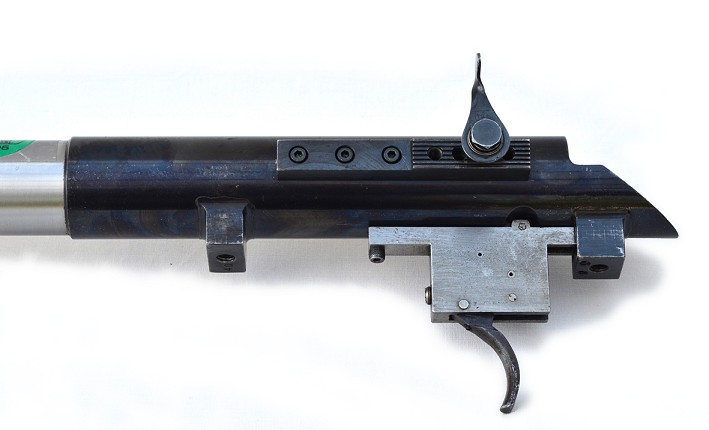
4. Treating trigger weight as a marketing number instead of a control system
Trigger pull can undermine range performance even when everything else on the gun is sound. A heavy, gritty, uneven, or poorly resetting trigger forces the shooter to work around the mechanism instead of pressing straight through it. As trigger pull matters, the issue is not simply light versus heavy. It is whether the trigger matches the firearm’s role and breaks consistently enough to support repeatable hits. The same source also notes that trigger measurement itself can vary by tool, which is a useful reminder that a quoted number does not fully describe real feel. For range use, poor trigger geometry and inconsistent reset are often more damaging than a spec sheet suggests.
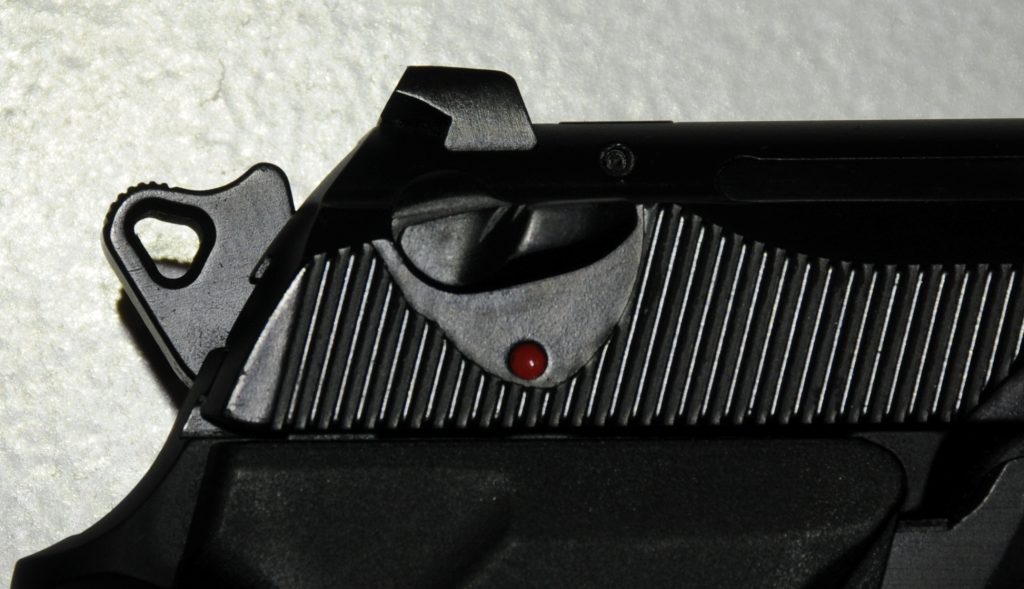
5. Omitting basic feedback and safety-oriented controls
Some missing features are discussed as safety issues, but they also affect range efficiency. A firearm without a loaded chamber indicator, external manual safety, or magazine disconnect may still function, yet it asks more of the user during diagnostics, clearing, and bench handling. The broader concern is that there is no independent premarket testing of guns for safety purposes at the federal level, according to the cited study. That same study describes absent features such as chamber indicators and notes examples of firearms prone to firing when dropped or without a trigger pull. On the range, those omissions create hesitation, slower verification, and less trust in the platform. Trust is a performance variable when a shooter is trying to isolate errors and build repeatable habits.

6. Copying proven shapes without redesigning for fatigue
One of the quieter shortcuts in firearms engineering is visual imitation. A receiver can look right, accept standard parts, and still be wrong in the corners, wall thicknesses, and transitions that govern long-term durability. Experienced builders in polymer-lower discussions repeatedly focused on curved edges, integrated structures, reinforcement, and extra material left in vulnerable zones.

Those details matter because sharp transitions and thin bearing surfaces concentrate stress. When that stress cycles through thousands of rounds, wear accelerates around pins and pockets. The gun may stay functional, but group quality and operating smoothness often decline before a shooter can point to one obvious broken part.

7. Shipping designs that rely on the owner to tune around the weaknesses
A firearm stops being well designed when ordinary users must “finesse” parts, test-fit repeatedly, bush worn holes, or substitute key components just to make the platform durable enough for normal use. That kind of post-purchase tuning can be interesting for hobby builds, but it is still evidence that the original design margin was thin. Forum discussions about polymer lowers included concerns over trigger and hammer pin wear, the need for anti-rotation solutions, and careful fitting to avoid pre-stressing parts. Those are revealing details. A robust design should tolerate normal assembly without quietly building internal stress that later appears as cracking, wobble, or premature wear. When a gun depends on user correction to stay reliable, range performance becomes inconsistent by design.
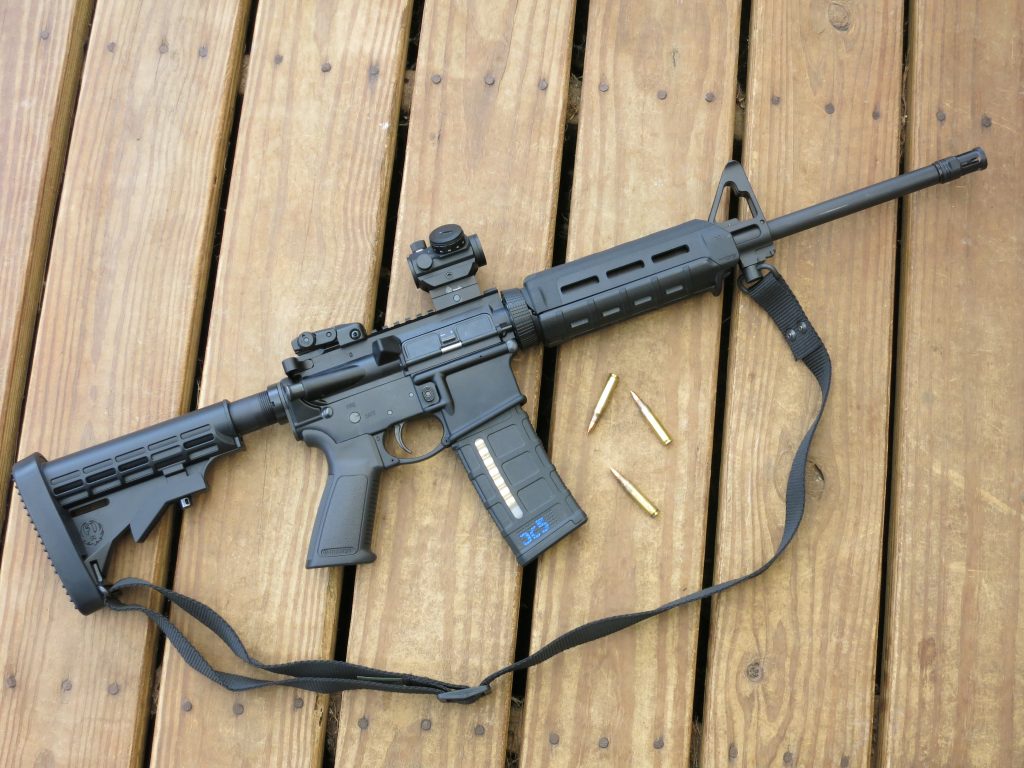
The common thread across these shortcuts is simple: firearms perform best when materials, geometry, interfaces, and controls are engineered as one system. Once a manufacturer starts borrowing strength from the shooter’s patience, the groups usually open up, stoppages become more frequent, and confidence fades with every magazine. Good range guns are rarely mysterious. They hold their structure, feed across normal tolerances, and let the trigger work for the shooter instead of against them. When those basics are compromised, performance usually erodes long before a catalog description admits it.


