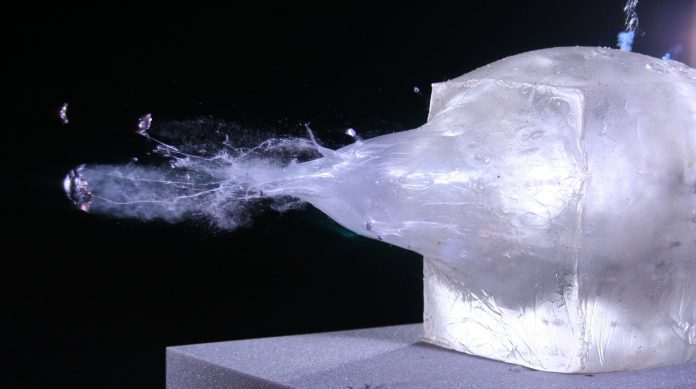
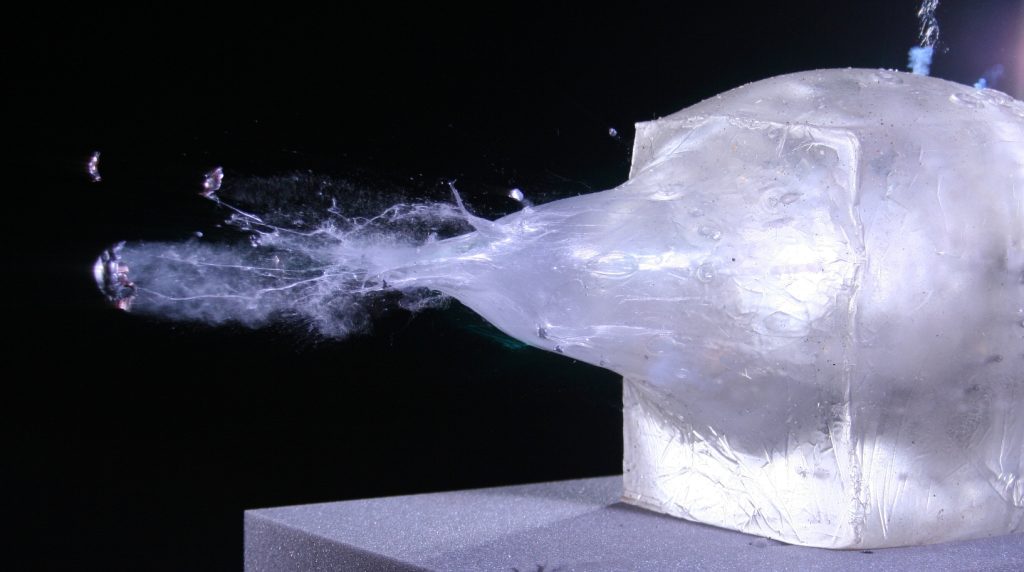
Handgun ammunition arguments often survive on repetition. A caliber gets labeled “weak,” “overpowered,” or “just as good,” and the claim keeps circulating long after ballistic gel data has shown a more complicated picture.
FBI-style gelatin testing does not settle every debate, but it does strip away a lot of folklore. Once rounds are fired through calibrated gel with heavy clothing barriers, familiar assumptions about expansion, penetration, rimfire performance, and short barrels start to break down.
1. Hollow points always outperform full metal jacket
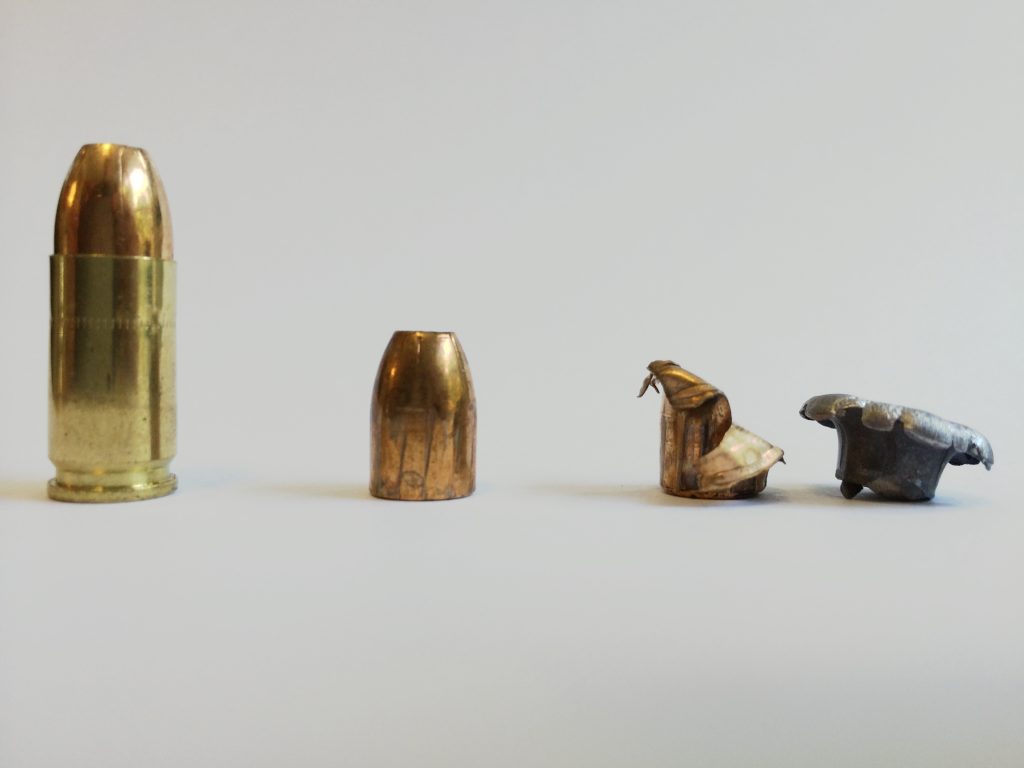
This is one of the most persistent assumptions, and smaller calibers expose its limits quickly. In pocket-gun classes such as .32 ACP, some jacketed hollow points struggled to penetrate consistently, while FMJ loads often drove deeper and more reliably. In .32 ACP gel testing, FMJ loads showed why expansion is not automatically the most important goal when velocity and bullet mass are limited. Penetration remains the first requirement. If a hollow point expands too early, or fails to carry enough momentum after meeting clothing, the larger wound profile does not compensate for shallow depth.
2. .22 Magnum from a snubnose is basically the same as .22 LR
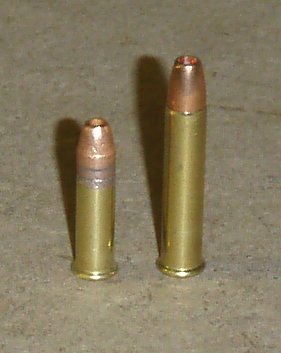
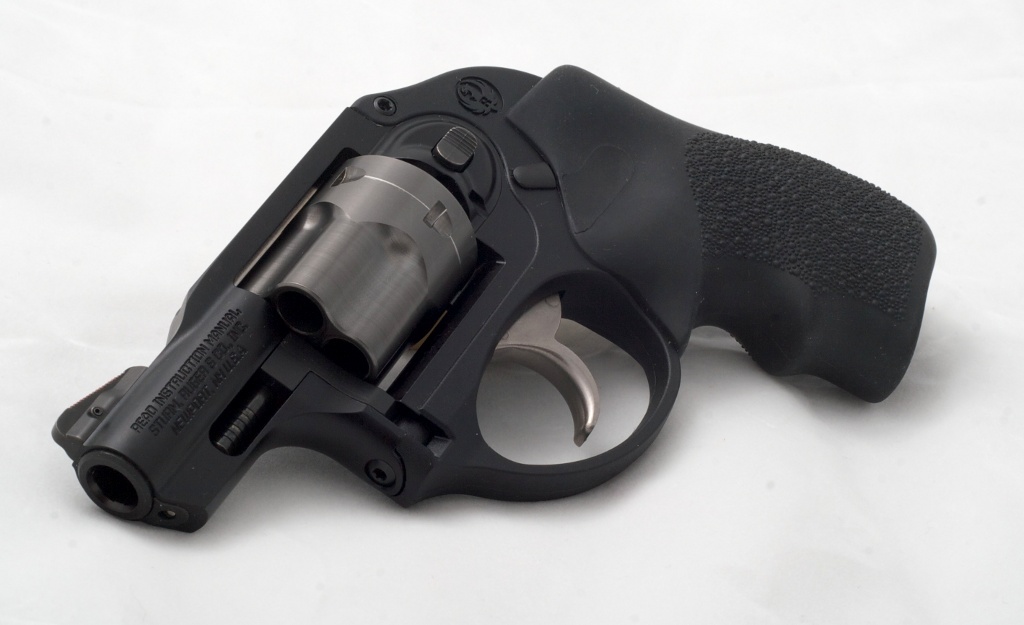
Short barrels do cut velocity, but the common claim that .22 WMR becomes little more than .22 LR in a tiny revolver does not hold up well in gel work. Tests with 1.9-inch handguns showed that .22 Magnum still carried a meaningful velocity advantage over .22 LR, and that translated into stronger penetration. The tradeoff was familiar: loads that expanded often lost depth, while conventional loads penetrated more effectively without expansion. Even so, the idea that the two cartridges become interchangeable once the barrel gets short is contradicted by measured velocity and gelatin results.
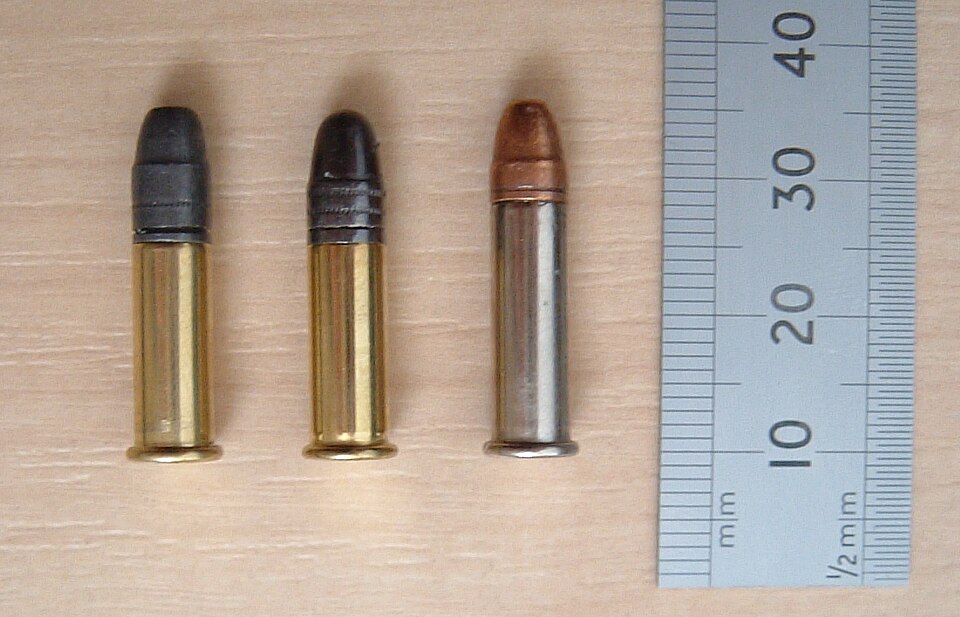
3. .22 LR is automatically disqualified by gel standards
.22 LR is often dismissed before testing begins, especially from compact handguns. Gel data shows that dismissal is too broad. In one short-barrel revolver test using four layers of denim, a CCI Stinger load reached 13 inches of penetration, clearing the FBI’s common 12- to 18-inch benchmark. That does not turn .22 LR into a service-caliber equivalent. Rimfire ignition remains less reliable than centerfire ignition, and rimfire cartridges are inherently at a disadvantage because the priming compound is distributed in the rim rather than concentrated in a separate primer. As explained in rimfire versus centerfire design, that system brings a higher chance of misfires and limits pressure potential. But gel testing still shows that the cartridge cannot be written off with a blanket statement.
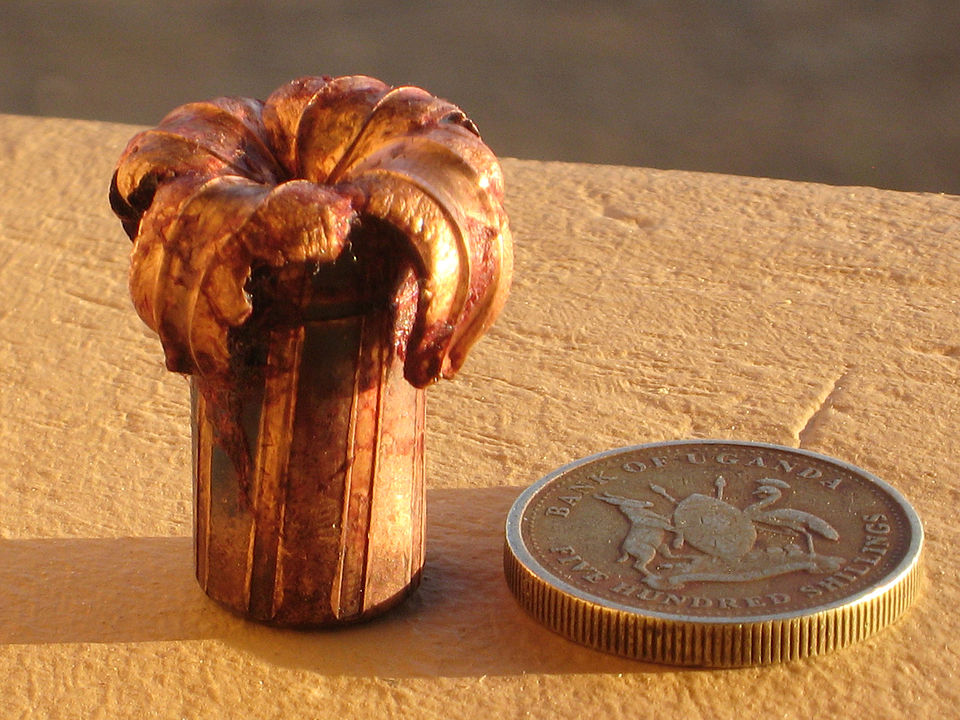
4. If a bullet expands, the load is doing its job
Expansion photographs are persuasive, which is why they dominate so many caliber discussions. Gel blocks tell a less flattering story. Several small-caliber defensive loads expanded nicely but failed to penetrate deeply enough after passing through clothing. .22 WMR short-barrel loads, for example, showed decent expansion in some cases, yet penetration suffered. The same pattern appeared in several pocket-pistol hollow points. A bullet that opens wide but stops early has not met the same standard as one that reaches useful depth. Gel testing repeatedly shows that expansion without penetration is an incomplete success.
5. Barrel length only changes velocity a little
Handgun and compact-firearm testing consistently shows that barrel length changes are not uniform. Some loads gain far more than others, and short barrels can shift terminal behavior from expansion to non-expansion or from adequate penetration to marginal performance. That is why ammunition that looks strong on a rifle box, or even in a service pistol, can behave very differently from a pocket gun. This is not just a handgun issue. Broader velocity testing has long shown that “feet per second lost per inch” is not a fixed rule, because pressure curves, bullet design, and friction all matter. In small handguns, those changes become visible in gel quickly: .22 LR gained substantial performance with only a modest barrel increase, and .32 ACP showed meaningful velocity gains from a slightly longer pistol. The gun and the load form a system, not separate variables.
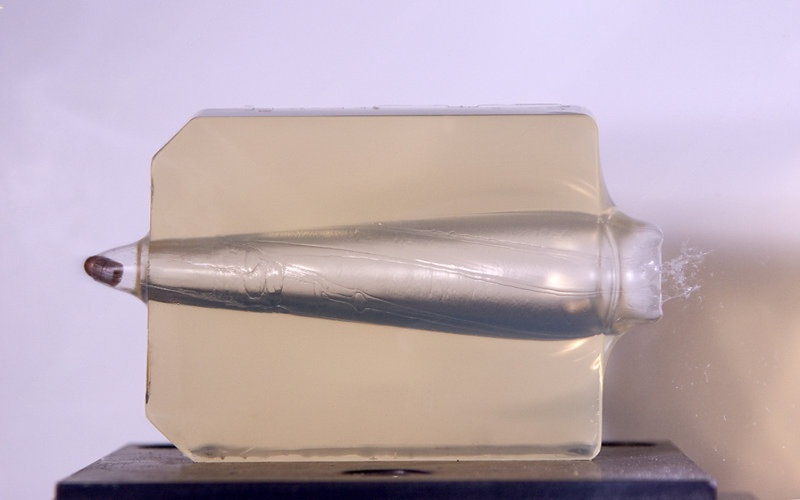
6. Heavy clothing barely matters to handgun bullets
Four layers of fabric do more than slow a bullet slightly. They can clog hollow points, delay expansion, or prevent it altogether. The FBI clothing test exists for a reason, and barrier work continues to show why. Some modern loads handle fabric well, but others become effectively non-expanding projectiles after passing through it.
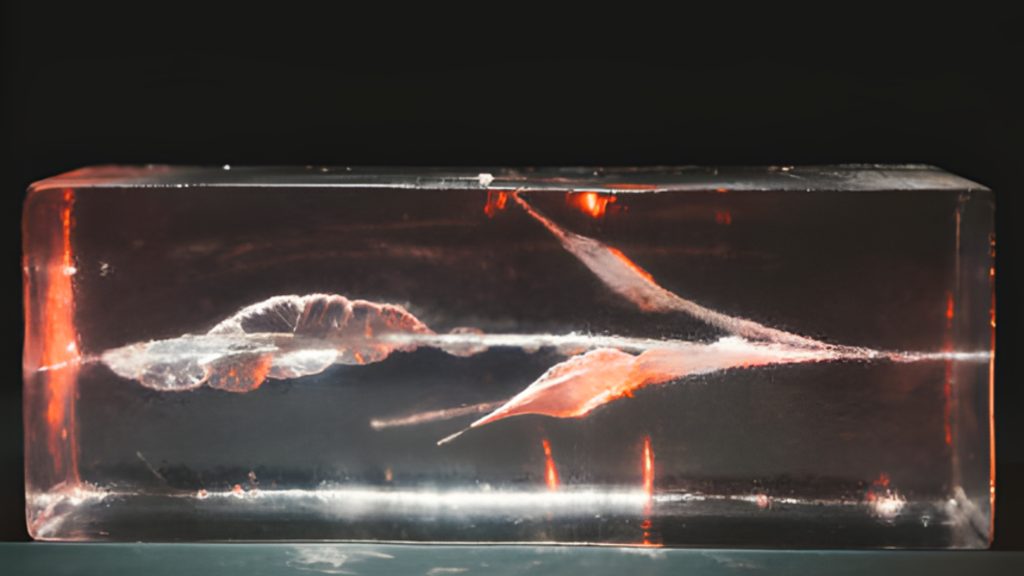
This is especially important in smaller calibers where there is little excess velocity to spare. According to FBI-style barrier testing, even soft barriers can disrupt hollow-point performance enough to push penetration beyond or below the ideal window depending on the design.
7. More recoil means better terminal performance
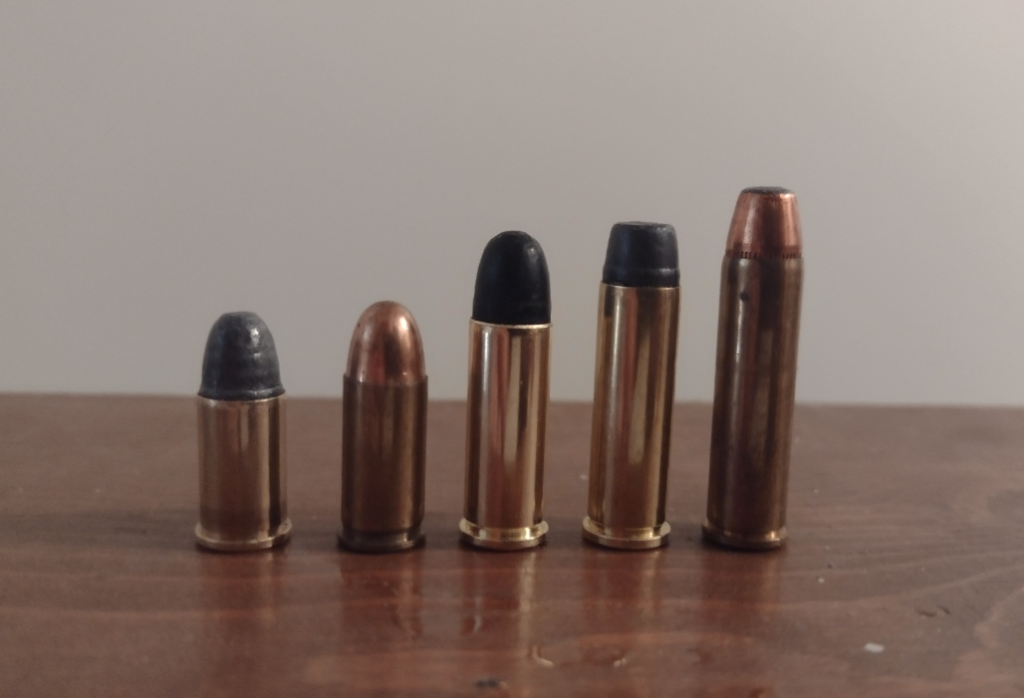
Gel work in the .32 revolver family is a useful corrective. .32 S&W Long and .32 H&R Magnum delivered respectable penetration with much lighter recoil than magnum-class revolver loads. Meanwhile, .327 Federal Magnum produced standout performance with the right load, but the data also showed that not every hotter round offered proportionally better practical results. One .327 load was described as “nothing short of excellent” in gel, while lower-recoil alternatives still achieved adequate penetration.
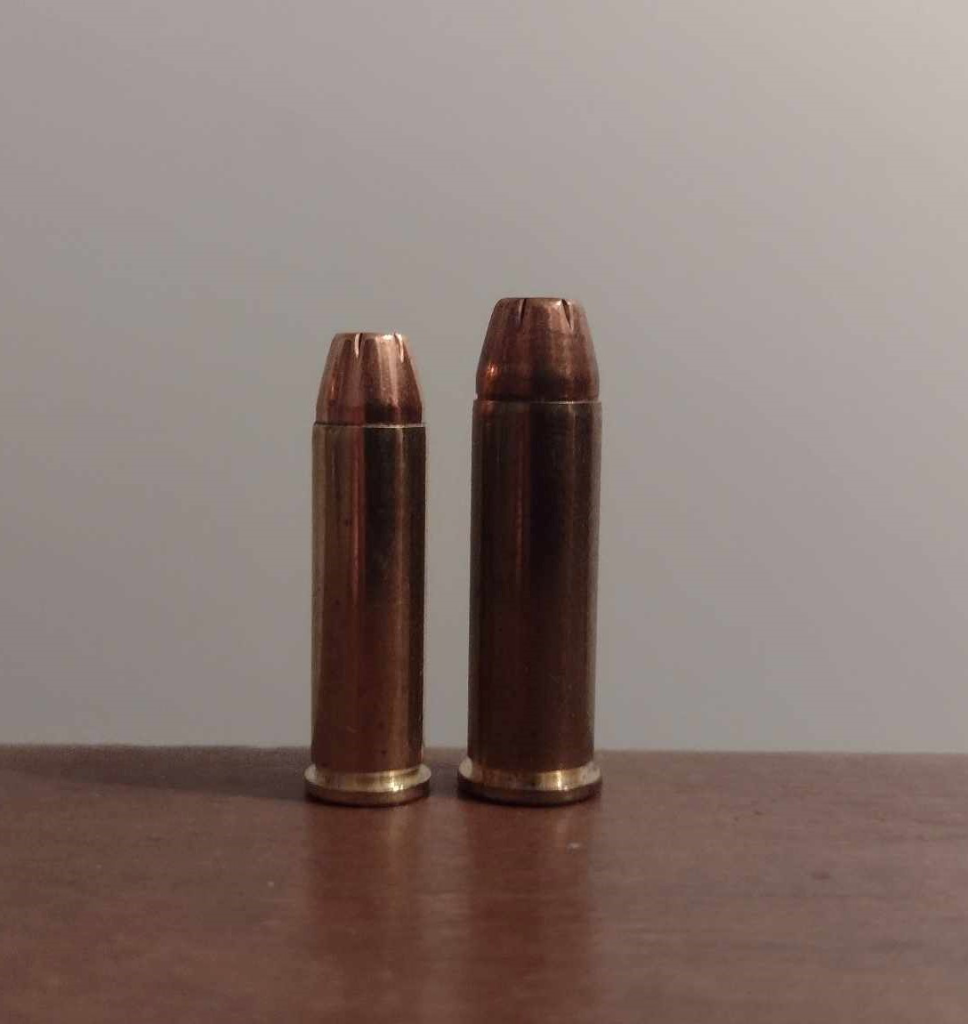
That kind of spread undermines the idea that recoil level alone predicts terminal effect. The common thread in these myths is simple: caliber labels and old range talk do not predict gel performance very well. FBI-style tests reward bullets that penetrate consistently, handle clothing, and behave predictably from the barrel lengths people actually carry. That is why the most stubborn ammo myths usually collapse the moment the gel block gets a vote.


