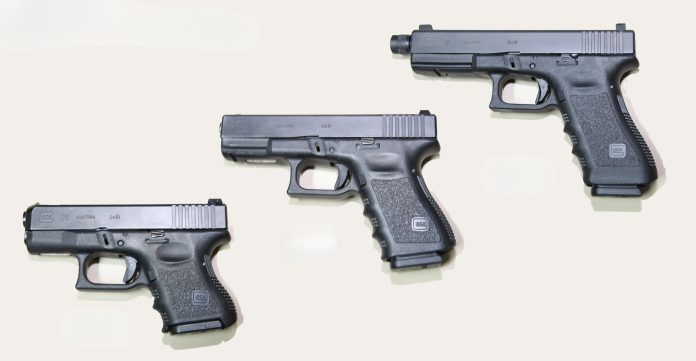
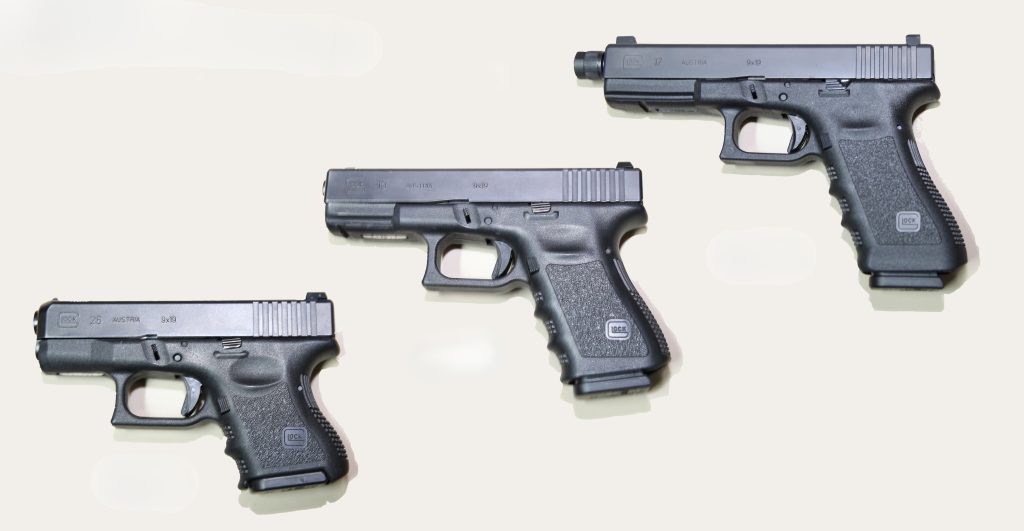
For decades, Glock’s appeal rested on repetition. A buyer, agency armorer, or parts maker could treat the catalog as a stable map of generations, shared dimensions, and familiar internals. That consistency helped create one of the most durable ecosystems in the handgun world.
That baseline is changing. The company’s commercial lineup is being trimmed, optics-ready configurations are becoming more central, and newer “V” models are widely associated with design changes meant to complicate illegal conversion-device use. Taken together, those moves suggest that the classic Glock era was not ended by one dramatic redesign, but by a series of small engineering and portfolio decisions.
1. The catalog is no longer built around endless variation
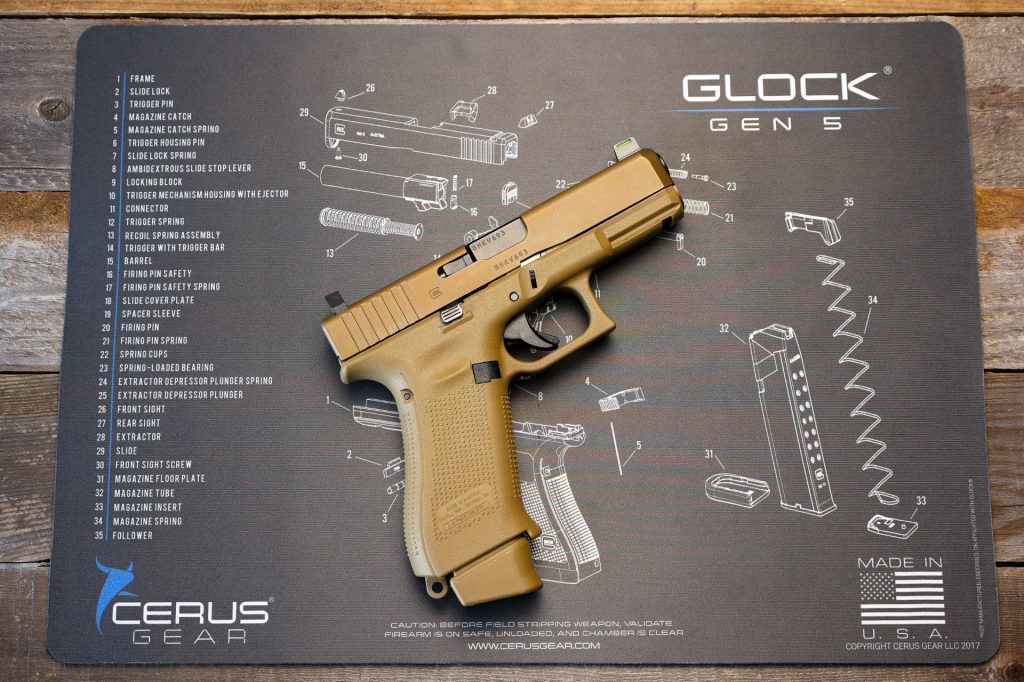
Glock’s commercial range had expanded across multiple generations, frame sizes, MOS and non-MOS versions, and overlapping chamberings. According to multiple discontinued Gen3, Gen4, and Gen5 commercial models, the company is now reducing that spread and replacing much of it with a leaner family of “V” variants. This matters because a broad catalog once reinforced the sense that every classic Glock format would remain continuously available. A smaller, more standardized lineup changes the center of gravity. Production, stocking, and support logic begin to favor the next baseline rather than the older one.
2. Optics are becoming part of the pistol, not an accessory decision
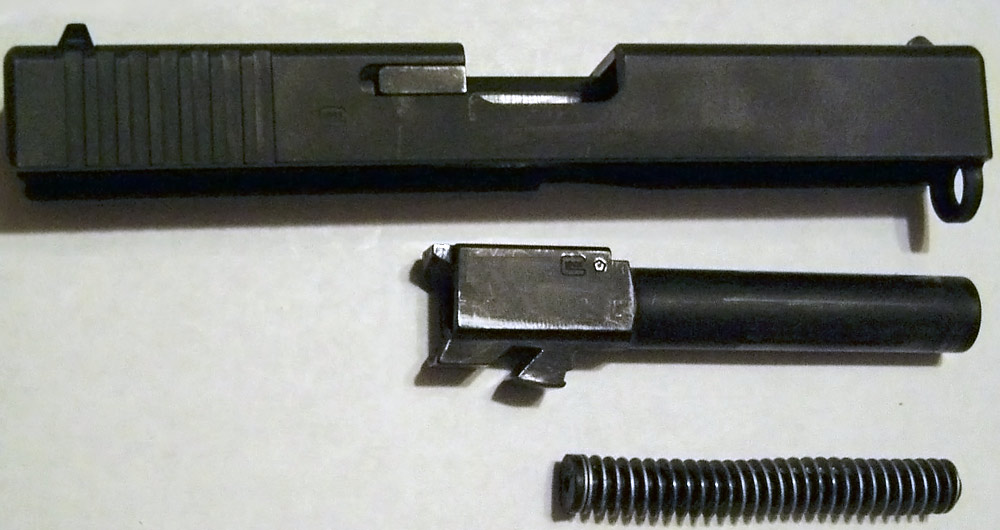
The old Glock formula assumed iron sights first and optics later, often through aftermarket work or MOS variants. That distinction is fading. Glock’s own materials state that certain Gen4 and Gen5 models utilize the Modular Optic System, and the broader market has moved toward factory optic-ready handguns as a default expectation. That shift changes slide cuts, mounting standards, screw patterns, sight height expectations, and holster fit. It also changes how manufacturers define a base model. Once optics-ready architecture becomes normal rather than optional, the classic plain-slide Glock stops being the reference point for the platform.
3. Internal geometry is now a compliance issue
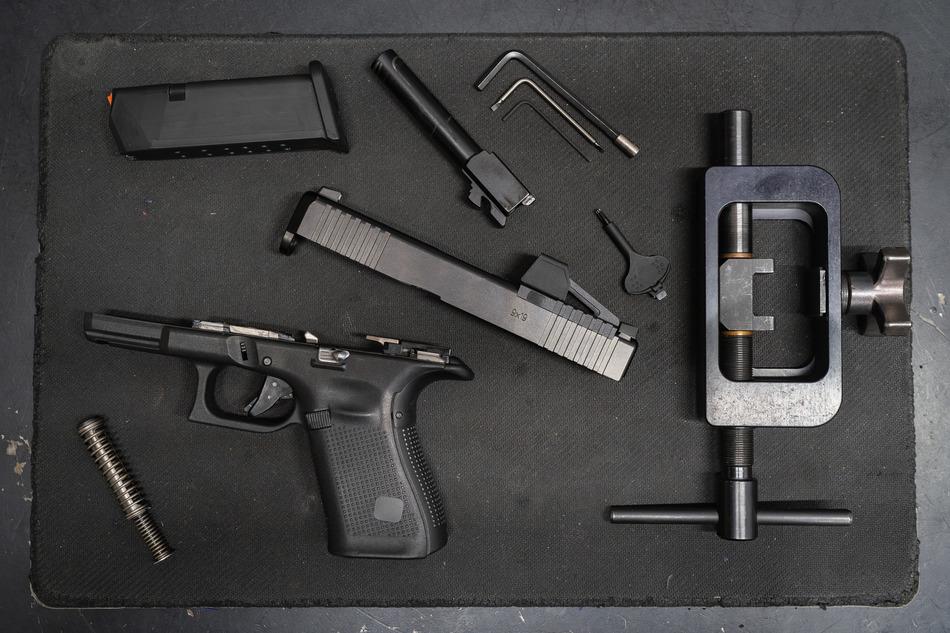
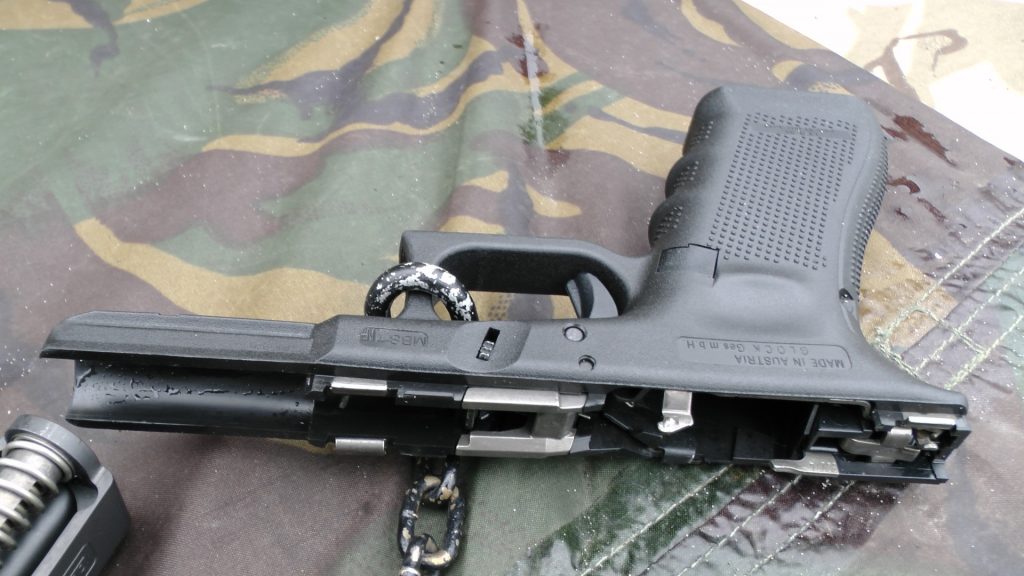
The most consequential change may be one most owners never see. Illegal conversion devices commonly called Glock switches work by interfering with the trigger bar and rear slide area, turning a semi-automatic pistol into a machine pistol. Federal authorities classify the device itself as a machine gun under U.S. law. That legal and engineering reality has pushed internal geometry into the spotlight. Features once judged mainly by reliability, manufacturability, and parts commonality are now being evaluated for resistance to unauthorized modification. When that becomes a design requirement, the old “leave the internals alone” approach gives way to a more defensive architecture.

4. “V” models represent a break, even when the names look familiar
A G17 or G19 badge used to tell most of the story. Increasingly, it does not. Industry reporting around the new “V” line points to revised trigger-bar and rear-plate arrangements intended to make illegal switch installation more difficult. That means a familiar model number may hide a different engineering philosophy underneath. The visual continuity preserves brand identity, but the mechanical continuity is no longer guaranteed. In practical terms, the label stays the same while the platform underneath starts to diverge.

5. Red-dot adoption is reshaping training and procurement expectations
The rise of pistol optics is not only a consumer trend. Law-enforcement training circles have spent years arguing that red dots improve target focus, sight acquisition, and feedback during shooting. One industry discussion described optics as allowing shooters to keep visual attention on the threat while superimposing the aiming point, rather than shifting across multiple focal planes. That changes what agencies ask manufacturers to provide from the factory. It also changes what commercial buyers expect on store shelves. Once training doctrine, mounting systems, and qualification standards adapt around optics-ready pistols, legacy iron-sight-first designs begin to look like holdovers from an earlier production era.
6. The aftermarket will have to pick a new standard
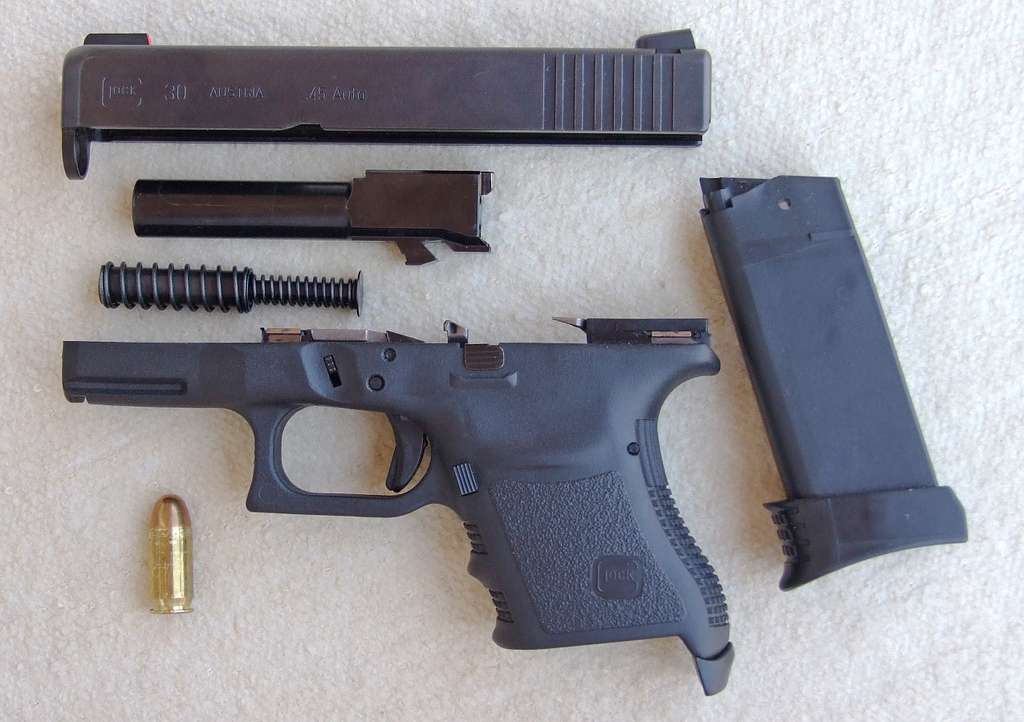
Classic Glock dominance depended on interchangeability. Holsters, spare parts, sights, and internal components were all built around predictable, long-running patterns. A trimmed catalog and revised internal specs force accessory makers to decide which models deserve tooling investment.
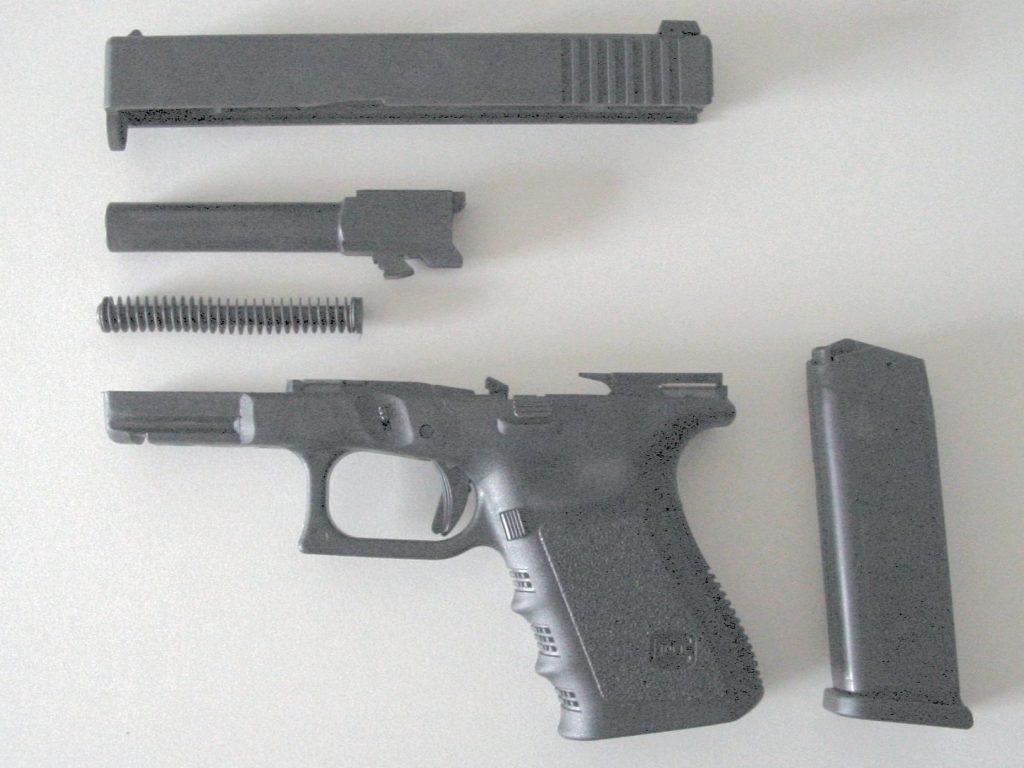
Small internal changes can have outsized effects. Rear plates, trigger components, and optic interfaces are exactly the areas where minor revisions can break old assumptions. Even when magazine compatibility survives, the wider support ecosystem may gradually reorganize around newer production guns rather than legacy favorites.
7. The company is treating risk mitigation as product design
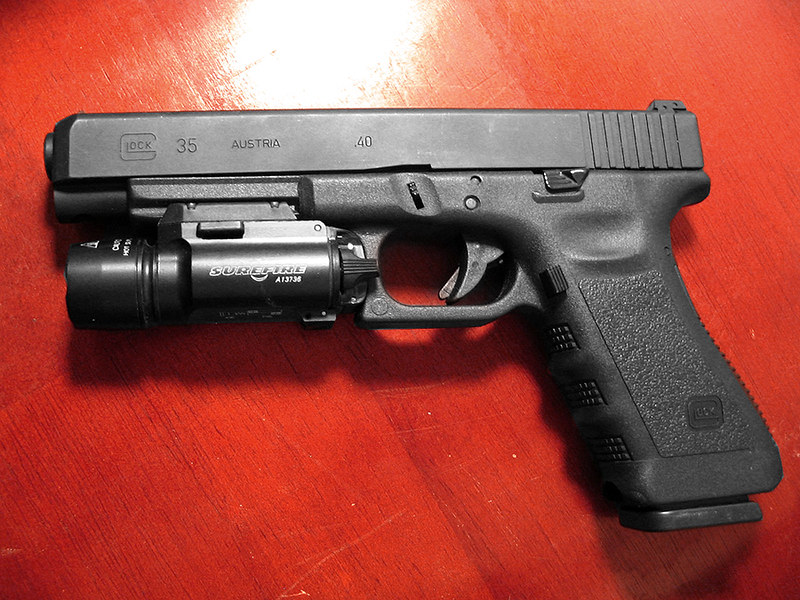
Glock has explained the portfolio reduction in strategic terms, stating, “In order to focus on the products that will drive future innovation and growth, we are making a strategic decision to reduce our current commercial portfolio.” That reads like a standard manufacturing statement, but the surrounding context gives it more weight. Lawsuits, compliance pressure, and the spread of conversion devices have turned design vulnerability into a reputational and legal concern. In that environment, simplifying the lineup and hardening key interfaces are not separate decisions. They are part of the same industrial response.
The classic Glock era was defined by stability: long-running generations, familiar internals, and a vast interchangeable ecosystem. The newer era is being defined by quieter priorities optics integration, portfolio reduction, and design features shaped by compliance pressure as much as by shooter preference. The result is less a reinvention than a re-baselining. Glock still looks like Glock, but the assumptions that once made the platform feel permanently fixed are giving way to a more controlled, more selective, and more engineered future.


