Long-range misses rarely come from a single dramatic failure. More often, they start with a small error that compounds over distance until the bullet lands inches or feet from where the reticle was held. That is what makes precision shooting so unforgiving. Wind, rifle setup, body position, optic settings, and trigger work all interact, and the farther the shot stretches, the less room there is for casual technique. The mistakes below are the ones that most often turn a clean firing solution into a miss.
1. Treating wind like a simple number
Wind is the most common wrecking ball in long-range accuracy because it is never doing just one thing across the full flight path. A shooter can feel a mild breeze at the firing point while the bullet passes through stronger or even opposing currents farther out. One experienced wind coach put it plainly: “No amount of reading, classroom schooling, or calculation will teach you to shoot the wind. That does not make wind random. It makes it layered. In guidance used by long-range trainers, the near-shooter wind zone carries the greatest influence on bullet deflection, especially inside 500 yards. Downrange indicators still matter, but many shooters skip the most reliable starting point the wind they can actually measure at their own position.
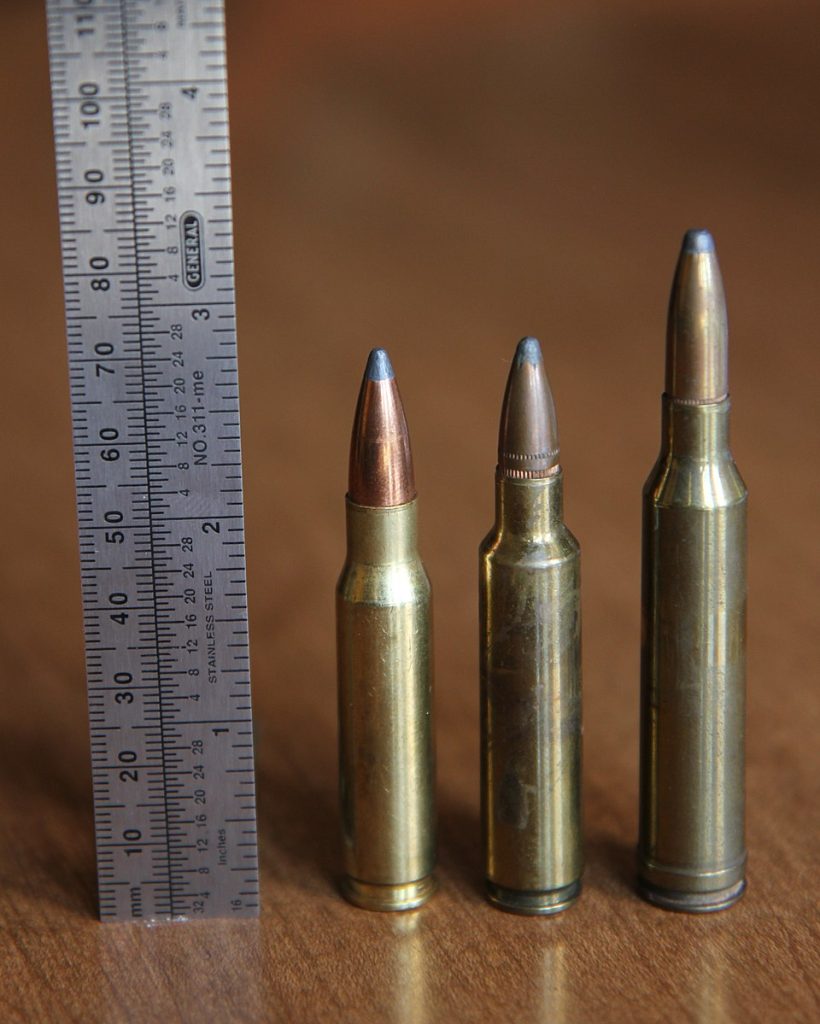
The scale of the problem is easy to underestimate. With a 160-grain 7mm Remington Magnum load, a 20 mph crosswind can move a bullet about 27 inches at 500 yards. That is not a fine correction. That is a complete departure from the intended point of impact.
2. Ignoring parallax after changing distance
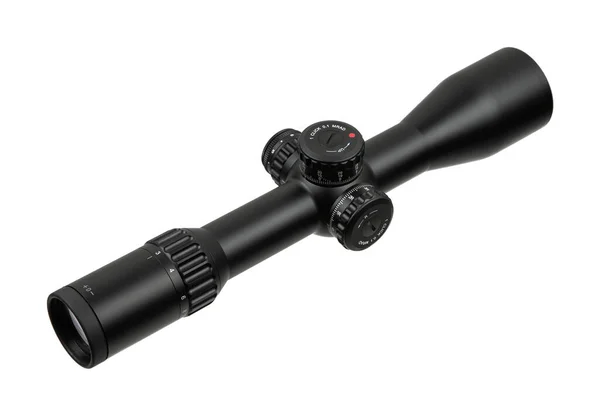
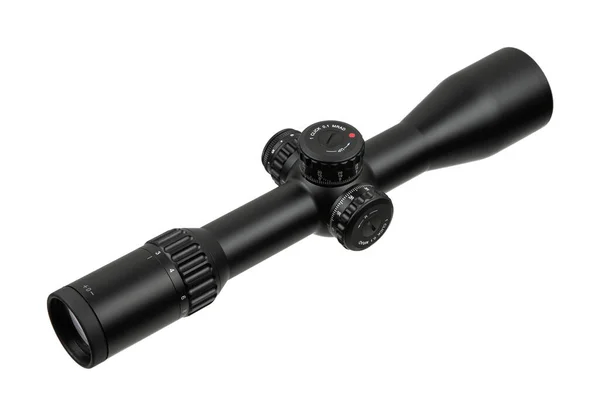
Parallax is one of the least visible errors in precision shooting because the image can still look sharp while the reticle is not truly aligned with the target plane. If the eye sits off-center behind the scope, the rifle can be aimed at a different point than the shooter believes. That problem grows with distance, and it is why disciplined shooters reset parallax whenever the yard line changes. The common shortcut is spinning the side-focus knob to the printed distance and assuming the scope is ready. In practice, those markings are often approximate. A proper check means stabilizing the rifle, moving the eye slightly, and confirming that the reticle does not float across the target. If it moves, the scope is not set correctly.

3. Letting rifle cant sneak into the shot
A canted rifle changes where the bullet lands, and the effect becomes more obvious as range increases. Even a solid position can hide this mistake because the shooter may level the reticle against a sloped hillside, uneven terrain, or a crooked visual reference rather than true vertical. This is why a bubble level has become standard equipment on serious long-range rifles. It works only if the shooter actually checks it before breaking the shot. Right-handed shooters commonly roll the rifle slightly clockwise under pressure, which can send impacts laterally. The error feels small in the gun but prints large on target.
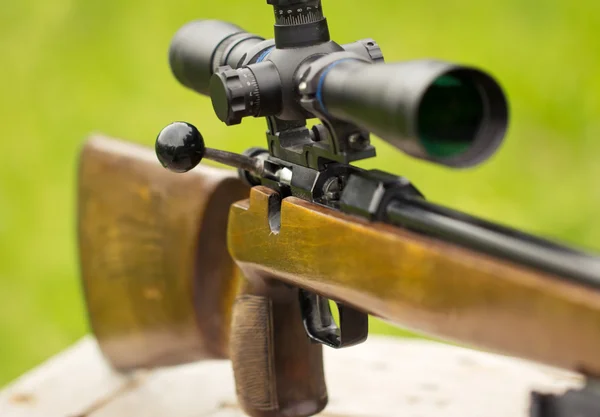
4. Breaking the shot with poor trigger control
Long-range rifles do not forgive jerking, slapping, or snatching the trigger. A reticle that looked steady a split second earlier can be dragged off target by sideways finger pressure or a rushed break. The correction is not complicated, but it is demanding: consistent finger placement, pressure straight to the rear, and follow-through after the shot. Precision rifle fundamentals emphasize that the trigger should be pressed without disturbing the sight picture. Dry-fire drills remain one of the fastest ways to expose the problem because movement that goes unnoticed in live fire becomes obvious when the rifle does not recoil.
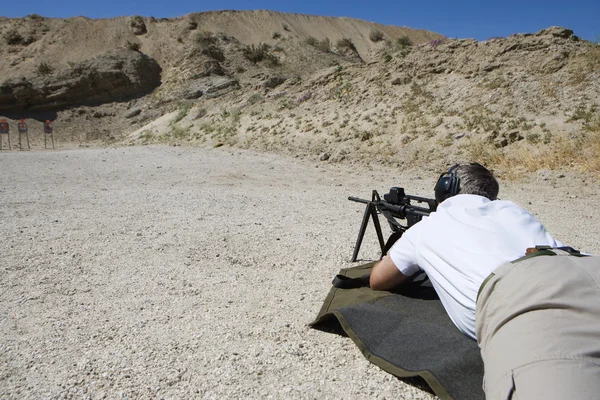
5. Shooting without a true natural point of aim
Many misses that get blamed on ballistics are really position problems. If the rifle does not rest naturally on target, the shooter ends up muscling it into place. That introduces tension, and the rifle moves as soon as the shot breaks A solid natural point of aim means the body is aligned behind the rifle and the sights settle on target without force. Close the eyes, breathe, relax, reopen them, and the reticle should still be where it belongs. If it drifted, the position needs adjustment, not more effort. This matters not only for the first shot, but for how the rifle tracks under recoil and whether it returns to the target afterward.
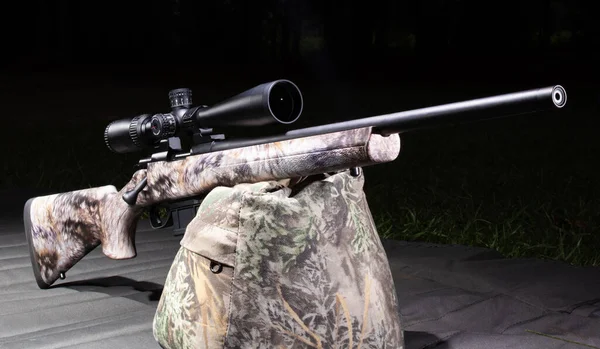
6. Losing the target during recoil and follow-through
Plenty of shooters fire and instantly lift their head to look for impact. That habit throws away information the rifle was about to provide. Recoil management and follow-through are what allow a shooter to stay in the scope, regain the sight picture, and spot the result. This is where body alignment, stock pressure, and scope setup all come together. If the rifle recoils off to one side, the shooter cannot see the miss or make a fast correction. As recoil instructors have argued for years, the goal is not just comfort it is building a position that lets the rifle recover predictably so the shooter can observe the shot and respond.
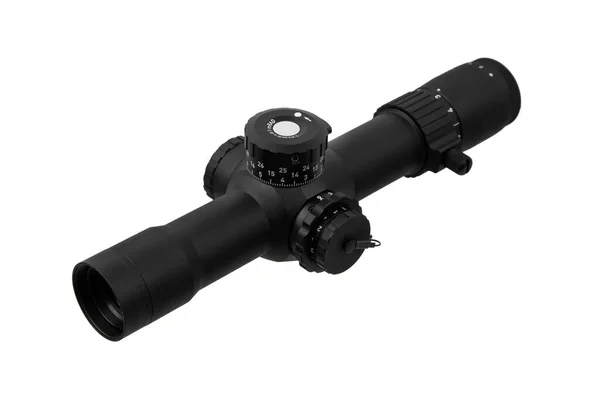
7. Trusting gear settings that were never verified
Turrets left off zero, second focal plane reticles used at the wrong magnification, and hurried elevation changes all create misses that look mysterious until the optic gets checked. These are not glamorous mistakes, but they are common and entirely mechanical. Long-range systems demand routine verification. Elevation should be returned to zero after use. Wind holds should match the reticle’s actual subtension at the chosen magnification. Scope settings should never be assumed correct just because they were correct earlier in the day. Precision shooting punishes assumptions.
Accuracy at distance is mostly the art of removing preventable error. The shooter who measures wind carefully, confirms optic settings, builds a natural position, and presses the trigger without disruption gives the bullet a chance to do its job. The shooter who skips those checks usually learns the same lesson the hard way: long range magnifies everything.


