Modern striker-fired pistols look simple on the outside: polymer frame, enclosed slide, few controls, and a firing system built around a compact striker assembly. That visual simplicity hides a harder engineering reality. The same internal trouble spots keep returning because the modern pistol market keeps demanding lighter slides, shorter travel, modular parts compatibility, and broad manufacturing efficiency all at once. What often gets labeled as a single “problem” is usually a timing problem, a materials problem, or a tolerance problem. The repeated redesign cycle says less about one flawed brand than about how little room exists inside a compact locked-breech pistol for error.
1. Unlock timing is still brutally sensitive
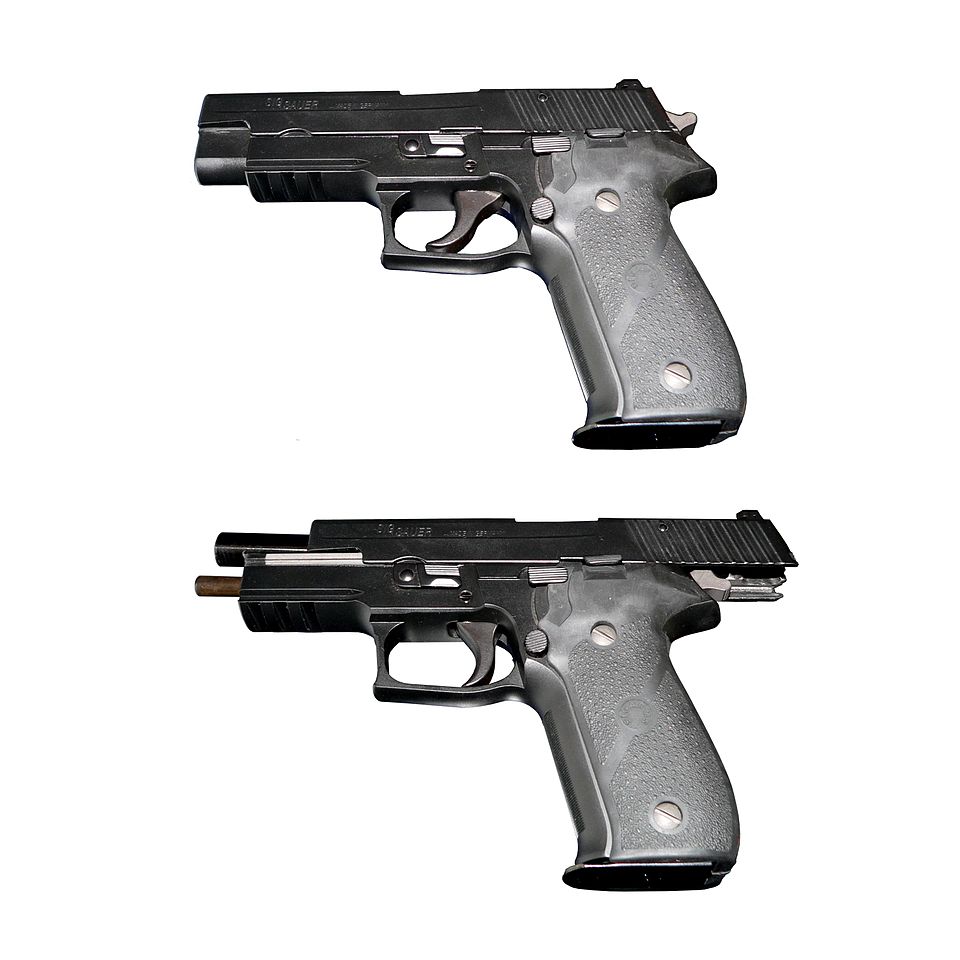
One of the most persistent hidden failure points is the split-second relationship between ignition and barrel unlock. If the slide and barrel begin separating while the striker or firing pin has not fully retracted, the primer can show smear or drag instead of a clean round impact. That behavior appears across multiple platforms because compact pistols cycle quickly, and higher slide velocity leaves less margin for retraction timing. As many new striker-fired pistols leave irregular indentations on primers as normal operation, manufacturers keep revisiting cam geometry, slide mass, striker length, and spring rates. The point is not cosmetic brass appearance alone. It is the broader mechanical truth that a locked-breech pistol lives or dies by timing windows measured in tiny fractions of movement.
2. Return springs age faster than users expect
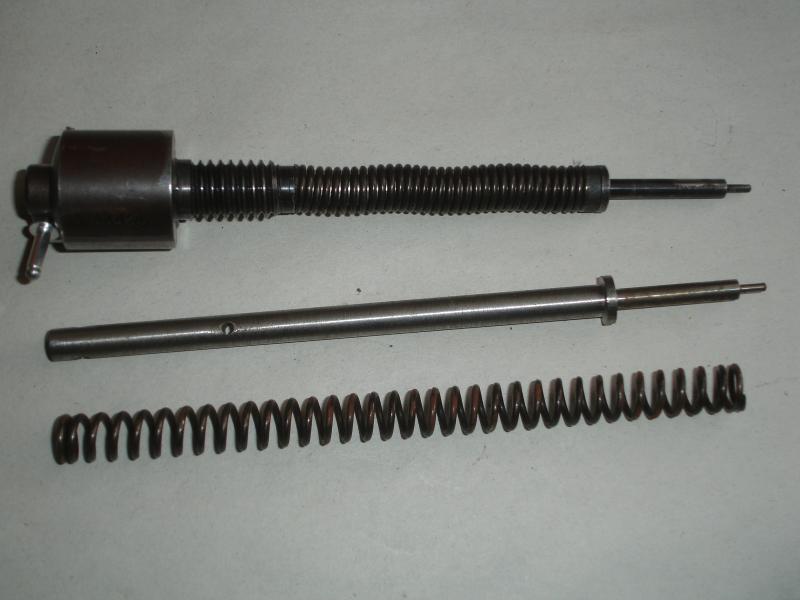
Striker systems depend on springs more than many owners realize. Firing-pin return springs and recoil springs do not need to fail outright to change how a pistol behaves; they only need to weaken enough to alter slide speed or striker retraction. A slightly tired recoil spring can allow faster rearward movement, while a weaker striker spring can leave the tip protruding longer than intended. That is why makers repeatedly adjust spring weights and service intervals. Springs are cheap parts, but they govern some of the pistol’s most important timing decisions.
3. Smaller pistols amplify every tolerance stack
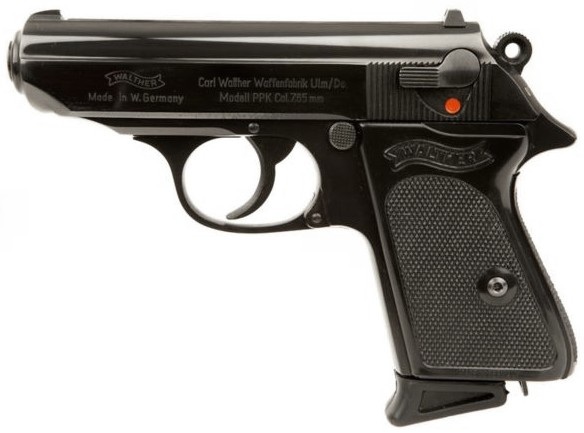
Subcompact and micro-compact striker pistols keep forcing redesigns because the architecture removes mass without removing pressure. Shorter slides cycle faster. Lighter reciprocating assemblies resist recoil impulse less. Reduced travel also means internal parts have fewer milliseconds to complete each task. In practice, that turns tiny dimensional changes into large behavioral differences. A full-size service pistol can hide minor imperfections in geometry, spring tension, or striker travel. A pocket-size pistol often cannot. That is why manufacturers keep revising striker channels, breech-face dimensions, locking surfaces, and recoil assemblies even when the overall design looks unchanged.
4. Simplicity creates concentrated stress points
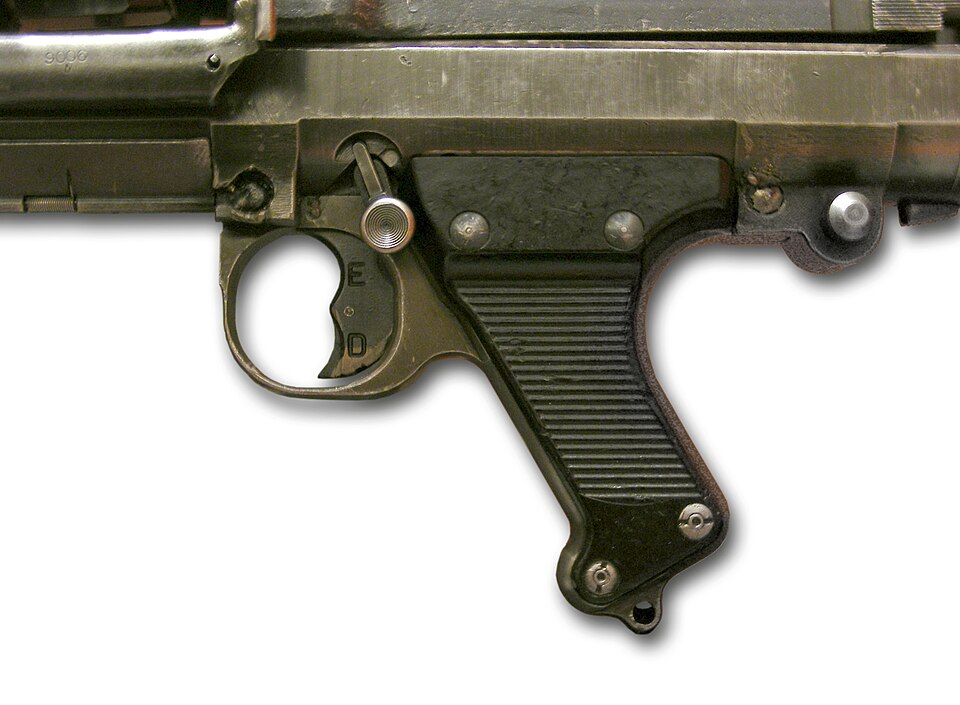
Striker-fired handguns are popular partly because they use relatively few parts and offer a consistent trigger pull. That simplicity improves packaging and maintenance, but it also concentrates multiple jobs into fewer components. The striker assembly, trigger bar, connector surfaces, and internal safeties all share more of the total system burden than they would in many hammer-fired layouts. When one surface wears, drags, or changes shape slightly, the effects travel through the entire firing cycle. A simpler mechanism is not automatically a more forgiving one.
5. Materials and heat treatment decide whether wear stays cosmetic
Some hidden failure points are not design sketches at all; they are metallurgical decisions. Sliding steel parts repeatedly striking, camming, and rubbing across each other need surfaces that resist wear without becoming brittle. That is where nitriding, case hardening, and controlled quenching matter. According to typical nitriding specifications fall between four and 25 microns of white layer depth, and firearms manufacturers also chase high surface hardness because it improves wear resistance in contact areas. If hardness, depth, porosity, or distortion control are off, hidden problems can emerge long before a part visibly breaks. A striker channel that wears unevenly or a locking surface that peens early can push the pistol back into the same redesign loop.
6. Manufacturing shortcuts can migrate into critical internals
Modern pistols are built for volume, and that means some internal components may come from processes chosen for speed and repeatability as much as ultimate durability. In broader firearms manufacturing, metal-injection-molded parts have long carried concerns about premature field failures when processing or densification are not well controlled. Heat-treat specialists note that MIM components have had a reputation in the industry for being inferior to those manufactured with conventional machining That does not make every MIM part suspect. It does explain why manufacturers keep reworking sears, trigger bars, and safeties after launch: the hidden weak point is often not only shape, but process capability.
7. Aftermarket compatibility limits how far engineers can move
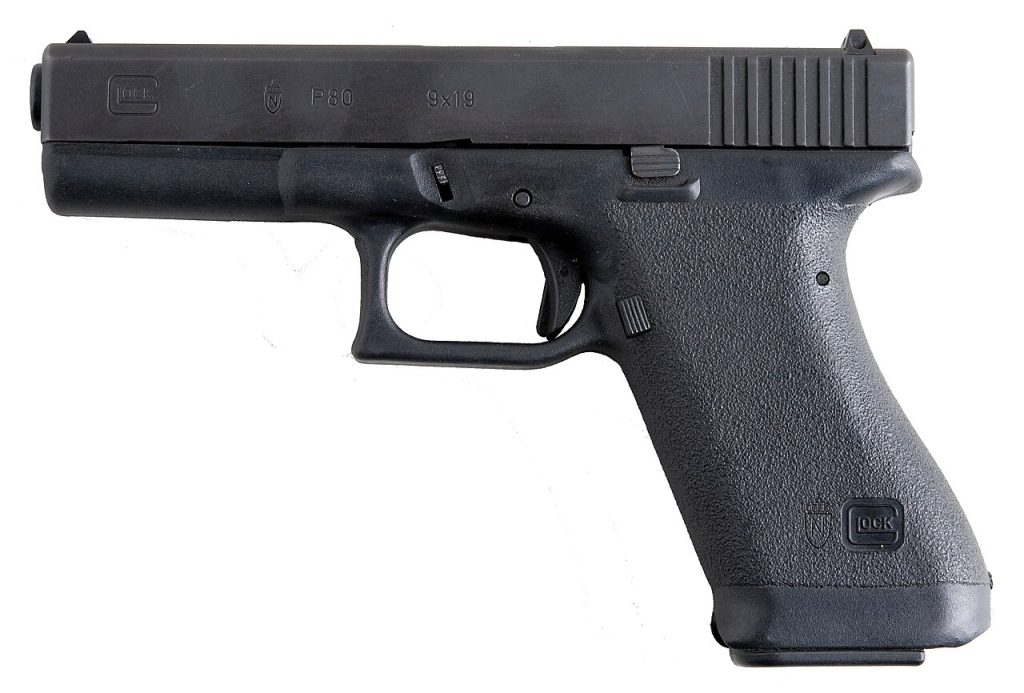
A major reason familiar weak points persist is that many new pistols are designed around known magazine patterns, holster fit, slide dimensions, or broader Glock-style part ecosystems. Compatibility accelerates adoption, but it also traps designers inside inherited geometry. Once a platform is expected to coexist with an established parts universe, radical fixes become harder to implement. The market rewards commonality, yet commonality can preserve legacy compromises. As Glock-pattern compatibility has become a defining market feature, manufacturers often end up refining the same narrow internal spaces rather than replacing the architecture entirely.
8. Sealed internals solve dirt problems but complicate diagnosis
Striker-fired pistols are often valued for enclosed, debris-resistant actions. That helps reliability in ordinary use, but it also means hidden wear can accumulate out of sight. Drag in a striker channel, residue buildup, burr formation, and subtle spring fatigue are not always obvious during routine fieldstripping. By the time users notice odd primer marks, inconsistent ignition feel, or extraction changes, the root cause may already involve several interacting parts. Engineers redesign these zones repeatedly because hidden systems are harder to monitor in service.
9. Reliability is now judged under harsher legal and market pressure
Redesign cycles are no longer driven only by breakage or warranty work. Manufacturers now face tighter consumer scrutiny, a more crowded pistol field, and growing attention to platform commonality and internal geometry. That does not change the physics of the striker system, but it does shorten the industry’s tolerance for recurring faults. A pistol that once would have received a quiet spring update may now trigger a broader engineering review. In a slower and more competitive market, small internal issues are treated as strategic liabilities.
The repeating weak points in striker pistols are not mysterious. They cluster around timing, spring force, surface durability, mass reduction, and tolerance control. Modern handguns keep redesigning them because each new demand for a slimmer, lighter, more modular pistol pushes the same hidden systems closer to their limits. That is why the outside of the product category changes quickly while the inside keeps returning to familiar engineering battles.


