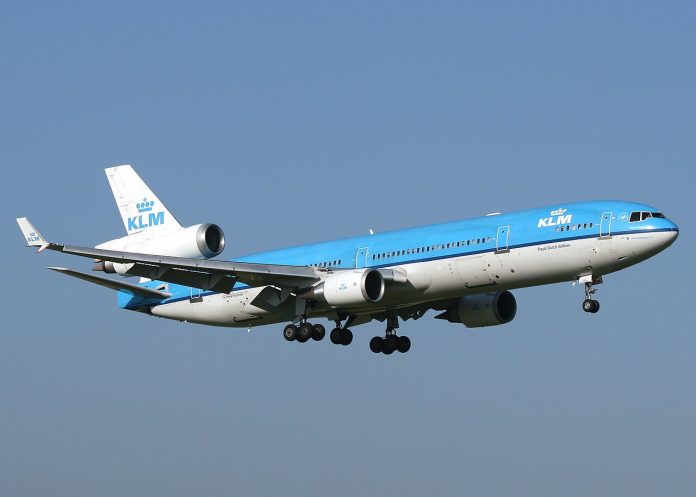
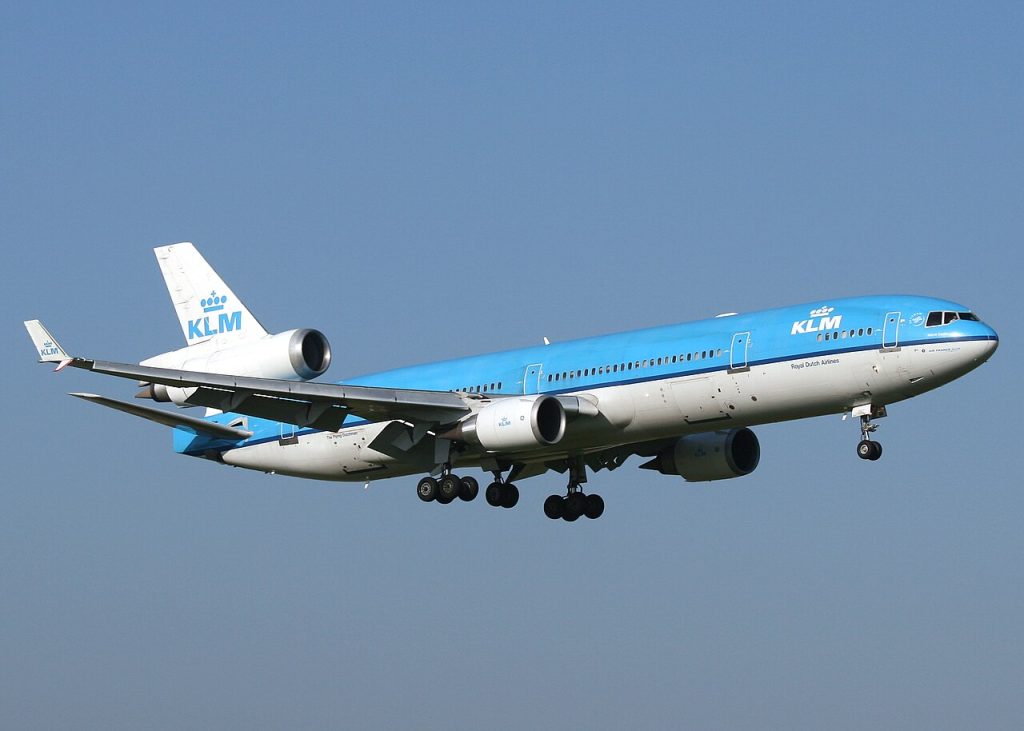
The grounding of the MD-11 did more than interrupt cargo schedules. It reopened a broader engineering discussion about what happens when an aircraft built for one era remains useful deep into another. The MD-11 has long occupied a peculiar place in aviation: advanced enough to outlive many of its peers, but old enough that every inspection, retrofit, and maintenance interval carries more weight than it once did. After the FAA grounded all MD-11 aircraft pending inspection and repair, the type became a case study in the pressures facing aging freighter fleets.
1. Age changes the maintenance conversation
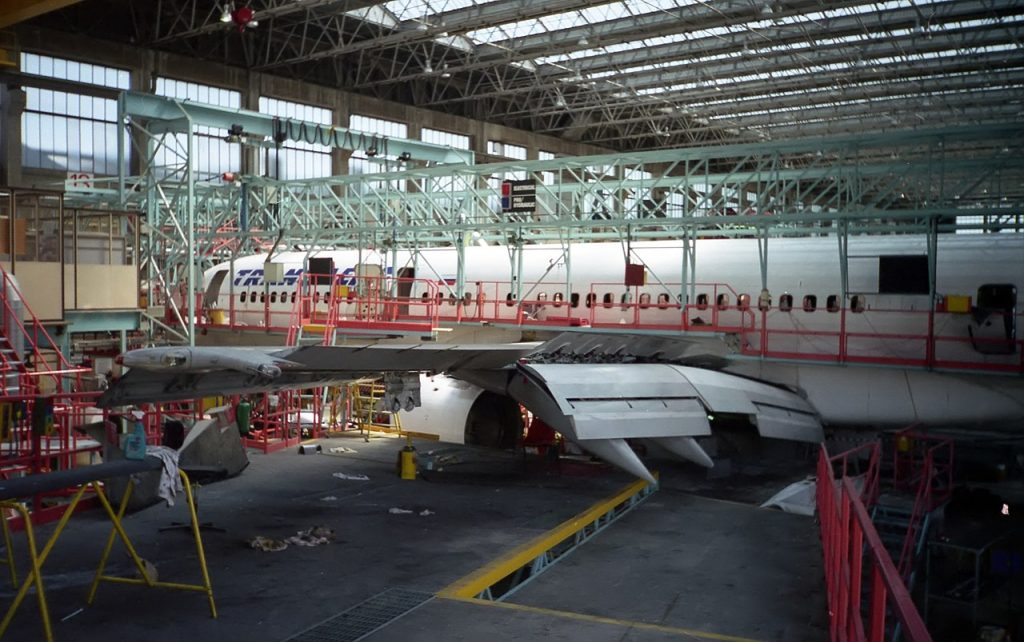
Older aircraft are not judged by calendar years alone, but by cycles, loads, repairs, and how those factors accumulate in hidden places. Research on multiple-site and widespread fatigue damage has long shown that aging airframes demand more than routine checks, because small cracks can appear in clusters and interact in ways that are harder to predict than a single isolated flaw. That matters especially in cargo work, where aircraft may stay commercially valuable long after passenger operators move on. The result is a technical paradox: the airplane can still be economically useful while becoming structurally more inspection-intensive.

2. The MD-11 was always a compromise between legacy design and newer ambitions
The MD-11 was not a clean-sheet airplane. It was a heavily updated derivative of the DC-10, with a stretched fuselage, winglets, a glass cockpit, and revised aerodynamics, but it retained much of the older program’s underlying architecture. Only 200 aircraft were built before production ended in 2000. That lineage gave operators a capable long-range freighter, yet it also meant the type carried forward structural and systems assumptions from an earlier generation of widebody engineering. As the rest of the market shifted toward newer twin-engine designs, the MD-11 became a durable specialist rather than a mainstream platform.

3. Small hardware can govern very large risks
One of the hardest lessons in aircraft engineering is that major failures do not always begin with major parts. In the current MD-11 scrutiny, investigators focused on the spherical bearing race and adjacent pylon-mount hardware that helps secure an engine assembly to the wing structure. That focus highlights a familiar pattern in aging fleets: service life often turns tiny geometric details into central safety questions. Groove edges, lug interfaces, fit tolerances, and inspection visibility can become more important than the sheer size of the component suggests.
4. Visual inspection has limits
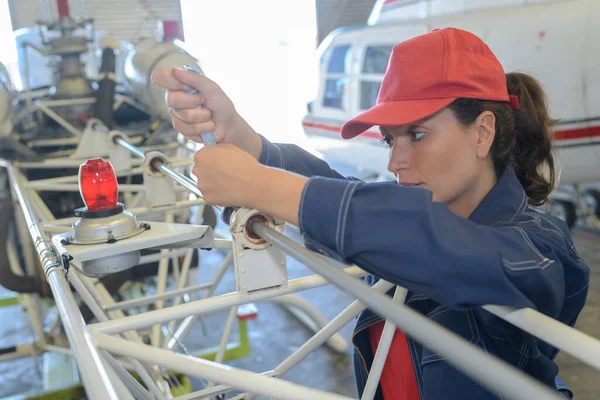
Boeing’s 2011 service communication, as described in later reporting, told operators to use general and periodic detailed visual inspections of the pylon aft mount area. The challenge with aging structures is that visible evidence can appear late, after fatigue has already consumed much of a part’s life. That does not make inspection ineffective. It means inspection strategy becomes an engineering discipline of its own, especially when the concern involves crack initiation in a location that may be hard to assess under ordinary line-maintenance conditions.
5. Freighters often outlive the market logic of their original design
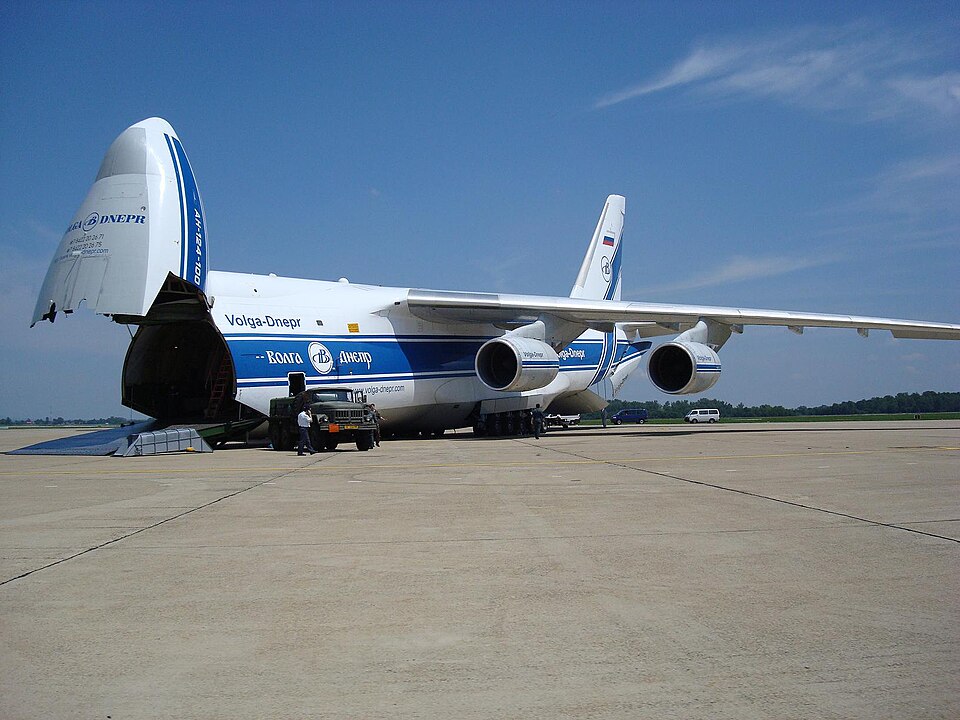
Passenger airlines largely abandoned the MD-11 years ago, but cargo operators kept it relevant because the aircraft still offered substantial payload and intercontinental reach. The freighter version could move about 200,151 pounds of payload, which explains why the type remained attractive in express logistics long after passenger service faded. That long cargo afterlife is common in aviation. It also means the engineering burden shifts: instead of asking whether an aircraft is commercially modern, operators must ask whether it remains supportable, inspectable, and structurally manageable under present-day standards.

6. Design inheritance can persist for decades
The DC-10 and MD-11 family has long been discussed through the lens of engine-mount and hydraulic-system vulnerability. The MD-11 added hydraulic fuses and other improvements, but it still lived within a design family shaped by earlier assumptions about redundancy, structural margins, and failure separation. The broader lesson is not that old designs are automatically unsafe; it is that inherited architecture can keep resurfacing as fleets age. That is why grounding decisions resonate beyond one model. They force engineers, regulators, and operators to revisit what earlier generations considered acceptable separation, visibility, and maintenance practice.

7. Handling characteristics become part of the aging-aircraft equation
The MD-11 was known for a narrower margin during takeoff and landing than many comparable widebodies. Its smaller tailplane, aft center-of-gravity strategy in cruise, and relatively high wing loading delivered efficiency benefits, but they also made the airplane less forgiving in critical phases of flight. As fleets age, those characteristics matter in a different way. An airplane that already demands precision can place even more emphasis on training consistency, maintenance quality, and operational discipline as its systems and structures accumulate years of service.

8. The fleet is now too small to hide from logistics reality
The MD-11 once had a broad operating footprint. Today, its active role has shrunk sharply, with many surviving airframes stored and only a few operators still linked to the type in any meaningful way. UPS has already confirmed that it retired its entire MD-11 fleet, and other operators have had to reassess their timelines. A small fleet creates its own pressure. Parts support, inspection programs, engineering attention, and institutional knowledge all become harder to sustain when an aircraft is no longer central to the market.

9. The bigger issue is not one airplane, but the future of late-life cargo fleets
The MD-11 grounding sharpened a question that extends well beyond one trijet: how long can older freighters remain practical when structural aging, specialized inspections, and shrinking support networks all intensify at once? Cargo carriers have often extracted extraordinary value from mature airframes, but that value depends on confidence in detectability, repairability, and fleet support.
This is the real pressure point. Aging cargo jets do not leave service only because they are old; they leave when the technical effort required to keep them reliable stops fitting the operating model. The MD-11 now stands as one of the clearest examples of that threshold coming into view. The hard questions surrounding aging cargo aircraft are therefore less about nostalgia than about engineering economics and risk management. When a jet survives long enough to become a logistics institution, every remaining flight depends on whether its design still matches the inspection tools, maintenance assumptions, and redundancy expectations of the present day.


