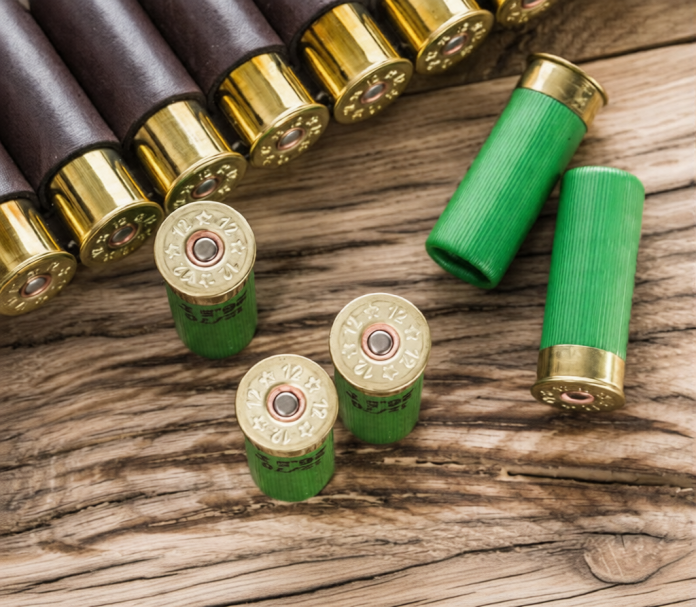
The cartridge mistake is usually not too little power. It is too much recoil for the shooter, the rifle weight, and the real hunting distance. That error shows up in a familiar pattern: a hunter chooses speed, energy, or a larger case because the ballistics chart looks reassuring, then discovers the rifle is harder to practice with and harder to shoot cleanly from field positions. In hunting rifles, recoil is not just a comfort issue. It changes how often people train, how steadily they break a shot, and how much cartridge performance they can actually use.
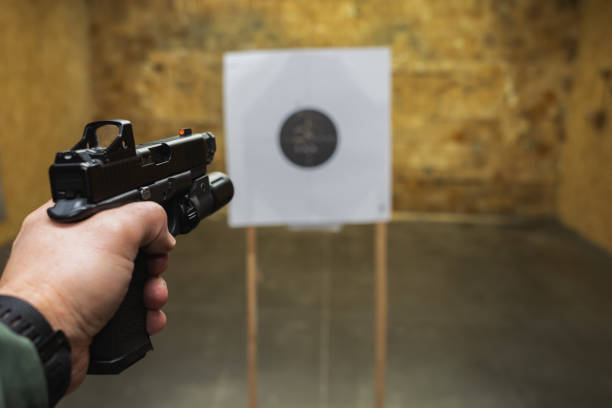
1. Confusing paper ballistics with field shootability
Velocity and energy matter, but they do not kill game by themselves. As one reference put it, “By themselves, neither kills game. This is only done with bullet performance, applied in the right place.” That is the part many cartridge debates skip. A load that produces bigger numbers may still be the poorer hunting choice if it makes precise shot placement less repeatable.
This is why moderate cartridges keep surviving trend cycles. The 7mm-08, for example, was described as widely chambered and loaded while offering practical hunting reach with less punishment than larger 7mm and .30-caliber magnums.
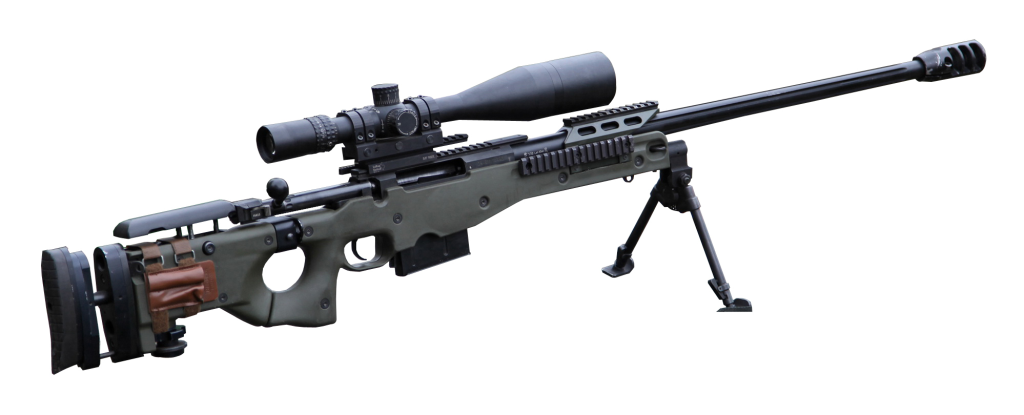
2. Assuming recoil only matters after the bullet leaves the barrel
High-speed video discussions often show that most recoil happens after bullet exit. That is true, but it does not erase recoil from the accuracy conversation. Even slight movement matters in rifle shooting, and some shooters also alter their hold before the shot breaks.
One technical discussion noted that just 0.016 degree of barrel movement can change impact by roughly an inch at 100 yards. That does not mean recoil is the only cause of misses. It means the margin for error is smaller than many hunters assume, especially as recoil rises and rifle weight falls.
3. Ignoring the pre-recoil problem
The bigger issue is often not the rifle’s rearward motion. It is the shooter’s anticipation of it. That same debate over recoil and accuracy kept circling back to a simple conclusion: in many rifles, inaccuracy becomes a pre-recoil event. Hunters tense up, pull harder into the stock, snatch the trigger, or rush the shot. Those changes happen before ignition, and they show up long before a cartridge reaches any theoretical limit of terminal effect.
4. Choosing cartridge size before choosing bullet construction
Many hunters try to solve everything with more cartridge, when the smarter solution is often better bullet selection. Modern hunting bullets have widened the useful range of moderate cartridges by improving expansion, weight retention, and penetration.
A reference on terminal performance made the point clearly: bullet performance comes first. Tougher bonded bullets, partitions, and copper designs can often do more to improve results on game than stepping up to a harder-kicking cartridge loaded with a poorly matched projectile.
5. Treating lighter, faster loads as automatically better
Fast, light-for-caliber bullets create impressive muzzle numbers, but they are not a universal answer. They often produce more blast, sharper recoil impulse, and in overbore cartridges more barrel wear as well.
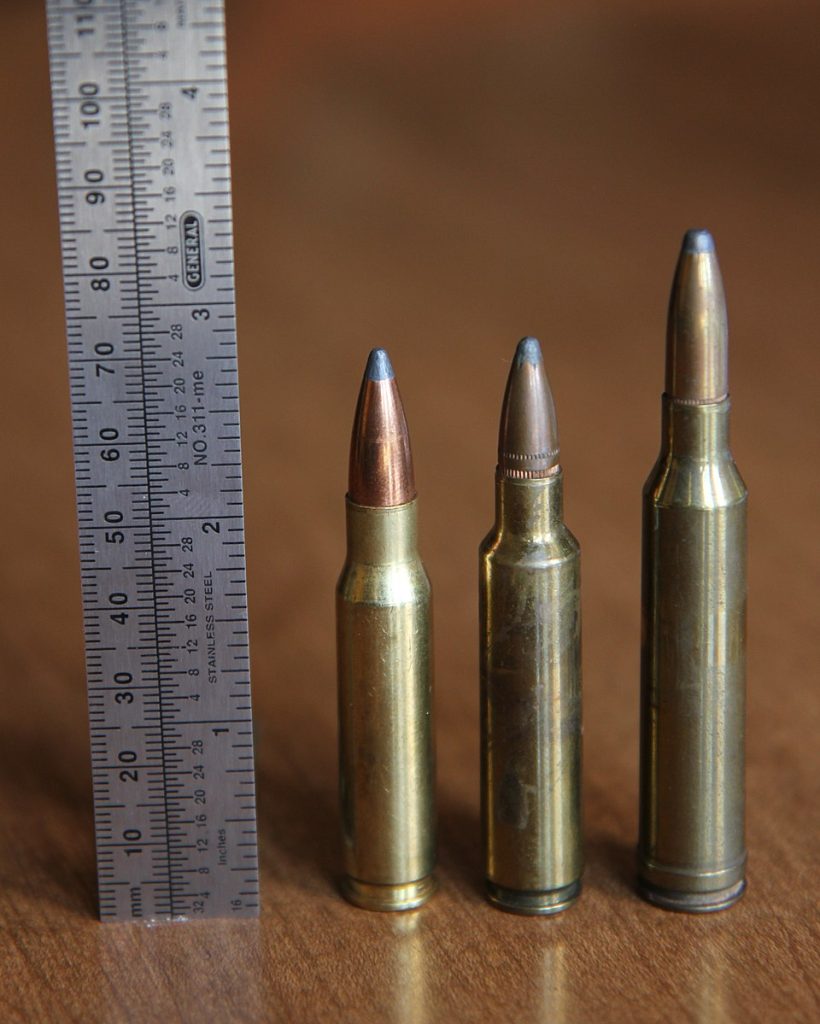
One long-range loading discussion argued that “Velocity Sells” while also showing how chasing speed can produce diminishing returns. The example comparing 7mm-08, 7mm Rem Mag, and 7mm RUM illustrated the point: much larger powder charges did not deliver proportionate gains in velocity. In a hunting rifle, that extra powder also contributes to recoil.
6. Overlooking powder charge as part of recoil
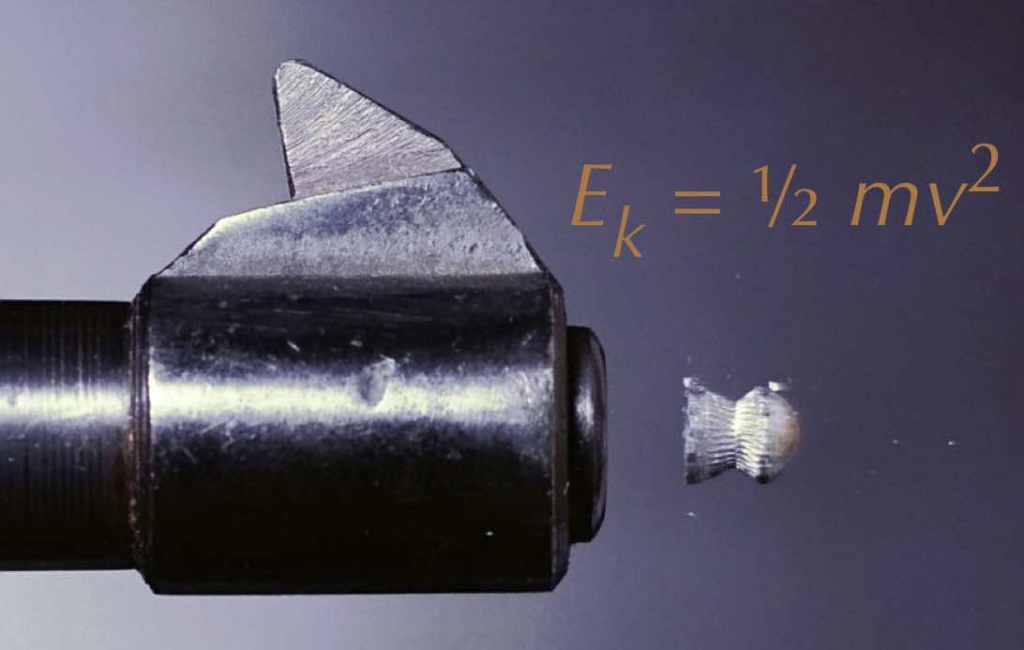
Hunters often compare bullet weight and muzzle velocity, but recoil is not driven by those alone. Powder mass is part of the equation too, which is why a larger case downloaded to similar velocity can still recoil more than the smaller cartridge it is trying to imitate.
This is one reason reduced-magnum logic often disappoints. A moderate cartridge built around the intended performance level usually remains easier to shoot than a magnum throttled back to reach the same speed.

7. Believing “manageable” recoil is the same as “easy to learn on”
In the youth-rifle discussion, one experienced poster wrote, “able to tolerate the recoil” is not the same as “best thing to learn to be a rifleman on.” That is the mistake many adults make for new hunters and for themselves. A cartridge can be survivable from a bench yet still be disruptive enough to slow skill development.
Another poster put it even more bluntly: “I think most dads make a mistake subjecting kids to recoil.” The point extends beyond kids. Any shooter learns faster with a rifle that invites repetition instead of bracing.

8. Forgetting that rifle weight and stock design change everything
The same cartridge can feel very different in two rifles. Light mountain rifles magnify recoil. Stock geometry changes how recoil is delivered. A cartridge that seems mild on paper can become snappy in a short, light hunting rig, while a heavier rifle may make it feel easy.
This is why discussions that compare cartridges without mentioning rifle weight often mislead hunters. A .308 or 7mm Rem Mag in a light rifle can feel dramatically different from the same load in a heavier platform, and that difference shows up on target.
9. Discounting mild cartridges that hit above their reputation
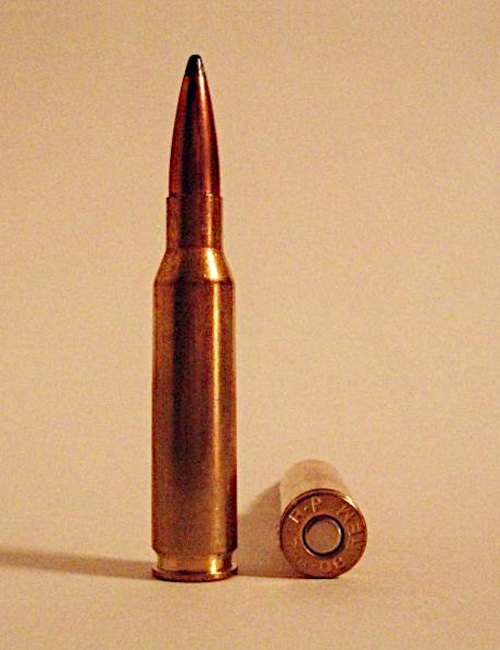
Moderate hunting rounds stay relevant because they keep working. The 7mm-08 is a prime example. It has long been praised for mild recoil, useful bullet weights, and game performance that exceeds what its paper ballistics suggest.
Its appeal is not mystery or nostalgia. It sits in a practical zone: enough bullet diameter, enough velocity, enough penetration potential, and recoil that many shooters can handle without developing bad habits. That balance is why it remains one of the better examples of cartridge efficiency in the hunting world.
The recoil mistake is not choosing a cartridge that is too weak. It is choosing one that reduces the odds of a well-placed shot. For many hunters, the better answer is a cartridge that carries enough power with a good bullet and a rifle they can shoot often. In the field, that combination usually outperforms a harder-kicking setup that looks better only on the chart.


