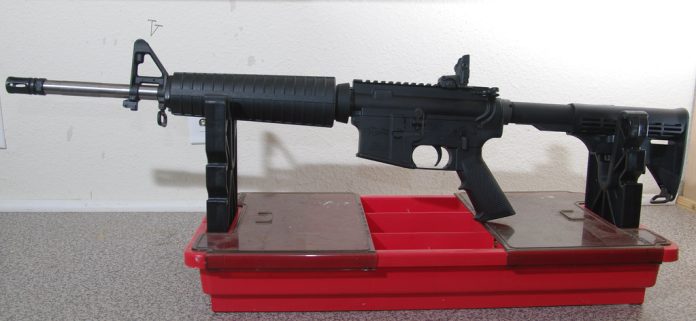
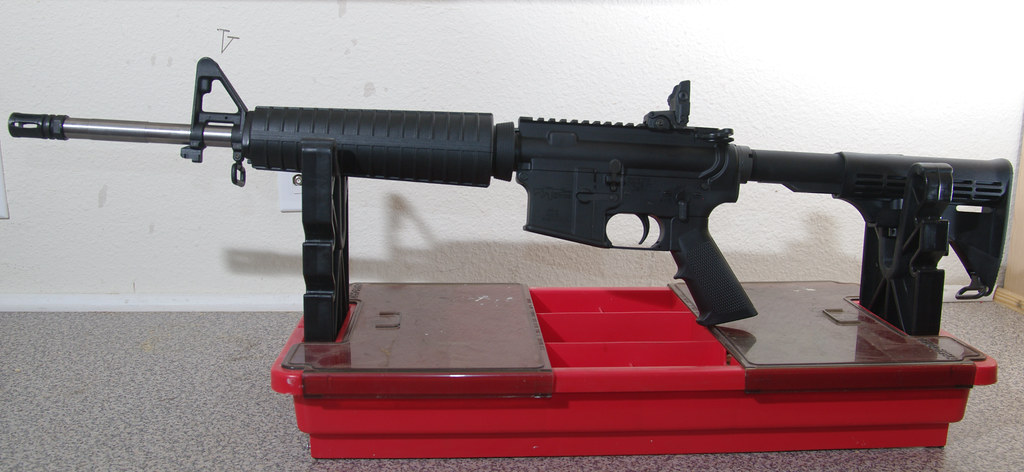
The AR-15 gets called simple because the parts ecosystem is huge and the layout looks familiar after only a little time behind one. That reputation hides the real story. The platform is forgiving in some places, but it is still a machine built around pressure, timing, fit, and rules that do not always line up from one state to the next.
That is where bad assumptions start doing damage. Some produce annoying stoppages. Others create wear that shows up later. A few can turn a casual parts-bin habit into a compliance problem that never looked serious at the workbench.
1. Treating “AR” like a firing mode instead of a model name
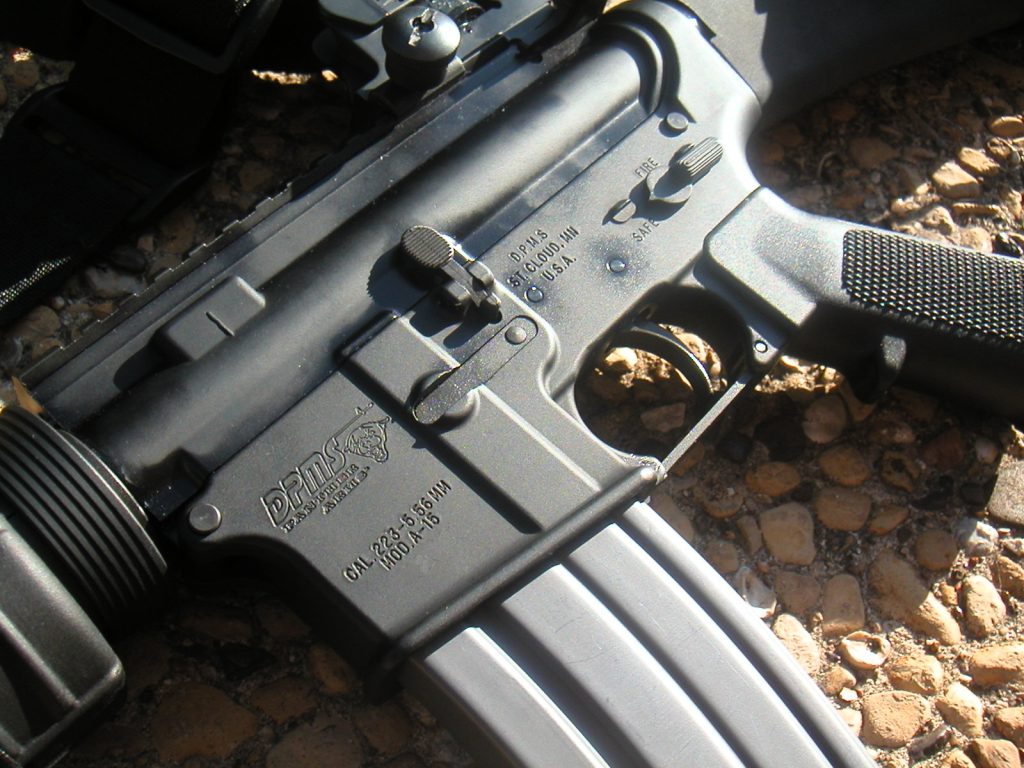
One of the oldest mistakes is also one of the most persistent. “AR” does not mean assault rifle, and it does not describe how the gun fires. The label comes from ArmaLite, the company behind the original design lineage. That seems basic, but the confusion matters because people often blend cultural shorthand, military comparisons, and legal language into one messy definition. An AR-15 is a family name. It is not a technical description of automatic fire, and it does not settle what features a specific rifle actually has.
2. Assuming a civilian AR-15 is basically an M16 with one part removed
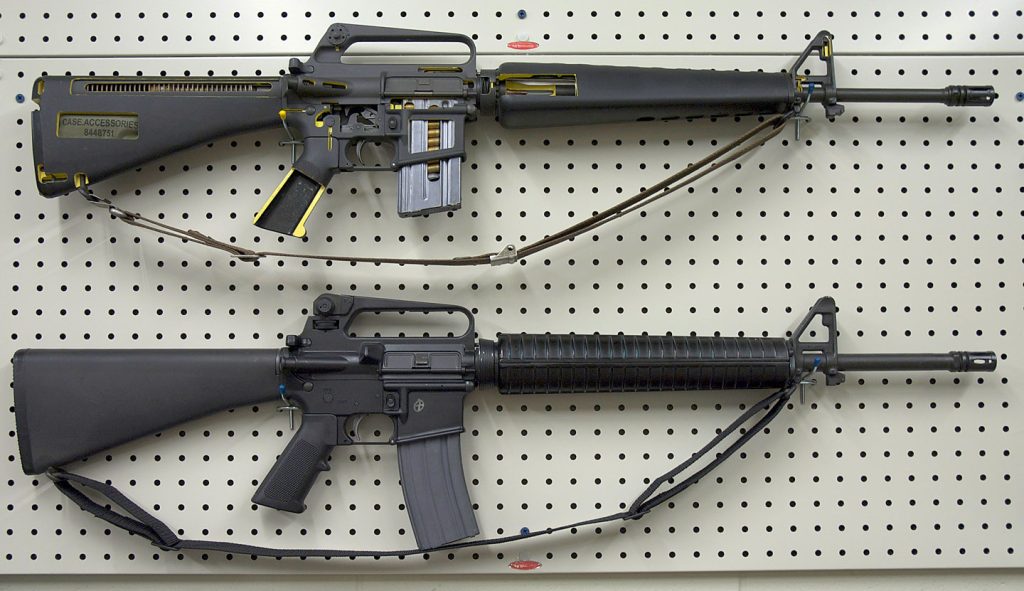
The outside resemblance is what keeps this myth alive. Furniture, rails, optics, and even overall profile can look close enough that many shooters start believing the internal difference must be minor. It is not. The meaningful divide is in the fire-control system and the receiver geometry that supports select-fire function. That misunderstanding encourages reckless talk about “simple conversions” and leads inexperienced builders toward controlled parts and unsafe assumptions. The practical lesson is straightforward: appearance does not tell the story of the operating system.
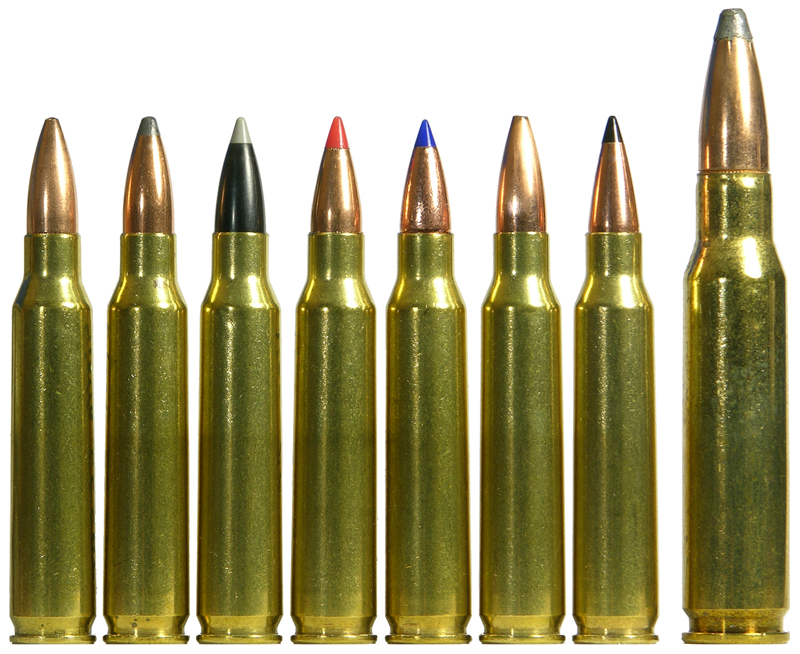
3. Treating .223 Remington and 5.56 NATO as if barrel markings are optional reading
The cartridges look close enough to invite shortcuts, but the chamber is what decides whether that shortcut is harmless or not. A .223 chamber can have a different throat and leade than a 5.56 NATO chamber, and pressure behavior changes with it. That is why 5.56 NATO in a .223 Remington chamber remains a combination worth checking before any range trip. This is not internet nitpicking. It is a basic engineering issue involving chamber dimensions, not just cartridge shape. Builders who mix barrels, bolts, and ammo without reading the markings tend to discover the difference at exactly the wrong moment.
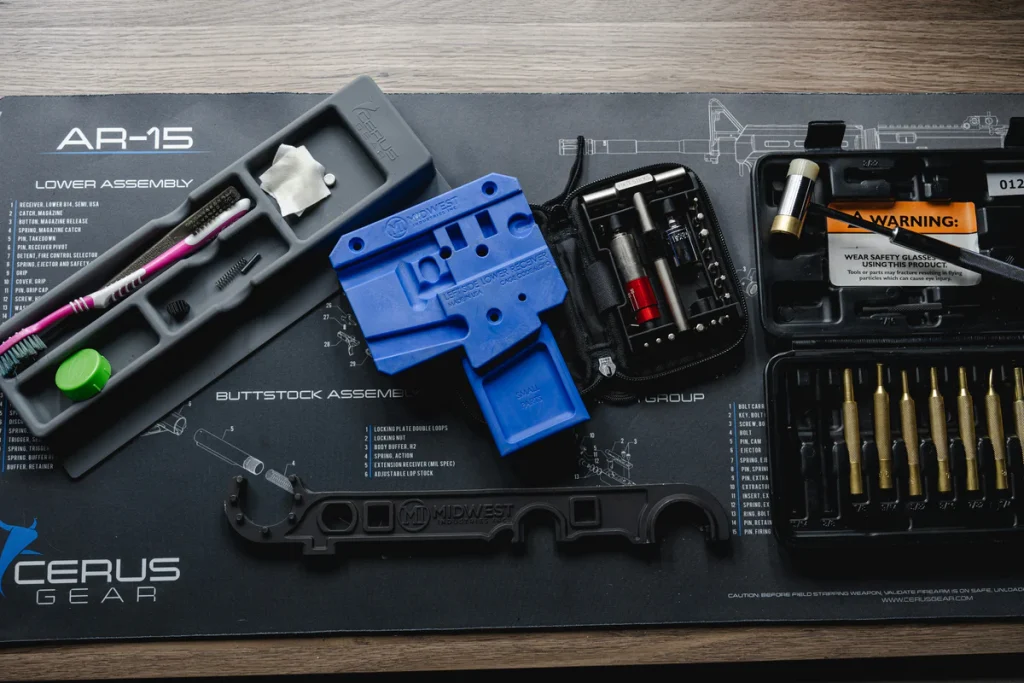
4. Believing modularity means the rifle will self-correct bad assembly
The AR is often described as adult LEGO. That line survives because the rifle does break down into clear subassemblies and does allow easy swapping of parts. What the phrase leaves out is that modularity does not erase tolerance stacking, alignment checks, or torque specs. If the gas block is slightly off, if pins do not move the way they should, or if something that should stay fixed starts shifting under heat and recoil, reliability quickly turns from predictable to conditional. Even small details matter here. Updated armorer guidance regularly points to values such as 50–58 inch-pounds for specific carrier key screws, and proper staking is not cosmetic. As Chad Albrecht of School of the American Rifle put it, “these parts are Legos, and that builders can just slap them together” is one of the myths that keeps causing trouble.

5. Chasing ejection pattern before confirming the rifle actually has a real problem
Few AR habits waste more time than diagnosing a brass pile before diagnosing the cycle of operation. Ejection angle can offer clues, but it is not a verdict by itself. too many variables affect ejection pattern, including ejector spring condition, extractor wear, ammo variation, carrier mass, buffer weight, and spring strength. The better first question is simple: does the rifle run, lock back, and repeat with the chosen magazine and ammunition? If the answer is no, then the fault has to be narrowed down by step. If the answer is yes, random part-swapping often creates the malfunction that was not there before.

6. Replacing parts before checking lubrication, ammo, magazines, and the gas path
Many cycling complaints start with expensive guesses and end with a very ordinary fix. In one troubleshooting discussion, a user boiled the first step down to “OIL. Mine all like to be wet.” That advice stuck because it reflects how many stoppages begin: dry guns, weak ammo, dirty chambers, worn springs, gas leakage, or mismatched buffer systems. Methodical troubleshooting still beats shopping. A clean chamber, a known-good magazine, one consistent ammunition load, extractor and ejector inspection, carrier key inspection, and a one-round lock-back test reveal more than most impulse upgrades. A detailed armorer-style checklist often starts with cleaning the chamber and checking the gas system before changing major parts.

7. Assuming reputable brands eliminate the need to check headspace
Well-known logos do not cancel tolerance stacking. When a new bolt meets a new barrel from a different source, the question is not whether both companies are respected. The question is whether the final combination closes and supports the cartridge the way it should. If headspace is too tight, the rifle may resist going fully into battery. If it is too long, case stretch increases and the margin for trouble narrows. That is why technical barrel guidance continues to recommend checking headspace on mixed-component builds instead of assuming brand reputation solves it.

8. Reducing home-defense setup talk to recoil and barrel length
Those are easy talking points, but they are not the whole problem. Shot placement, misses, and what a projectile does after passing through barriers matter at least as much. Structured testing that used 12 inches of 10% ballistic gel in front of interior-wall materials underscored a point many shooters already know but do not always center in the conversation: misses keep going. That makes the discussion less about slogans and more about controllability, target identification, safe storage, and what the chosen load does after drywall and tissue. Platform choice matters, but consequences travel beyond the muzzle.

9. Thinking loose parts are harmless if nothing is assembled
The AR world encourages spare uppers, stripped lowers, short barrels, braces, stocks, and bins full of hardware. That culture makes it easy to forget that some legal problems begin with configuration potential rather than a finished rifle. One legal explainer quoted in the source material defines it this way: “Constructive Possession exists when a person knowingly has the power and intention at a given time to exercise dominion and control over an object, either directly or through others.” The same caution applies to storage. In some households, access can matter almost as much as ownership, especially with regulated configurations.
A locked container with restricted access is not only a safety measure. It is also one of the clearest ways to reduce ambiguity around who controls what. The AR-15 rewards careful builders and punishes casual certainty. Most avoidable problems do not come from mysterious defects. They come from skipped checks, mixed assumptions, and a habit of treating a pressure-driven system like it will forgive every shortcut. The boring work is still the work that counts: read the barrel markings, match the buffer system to the gun, verify assembly details, diagnose before replacing, gauge mixed parts, and treat storage and compliance as part of the build rather than separate chores.


