Handgun caliber arguments usually go sideways when they get reduced to folklore. The more useful question is simpler: which rounds become unforgiving when ignition, penetration, expansion, and recoil all have to work at once?
The answer is not always about raw power. Modern testing keeps pointing back to the same standard enough depth to reach vital structures, consistent behavior through clothing, and recoil a shooter can actually manage. The commonly cited 12-to-18-inch penetration window remains the baseline many testers use for judging whether a handgun load has enough reserve when angles, arms, bone, and heavy garments get involved.
1. .22 Long Rifle
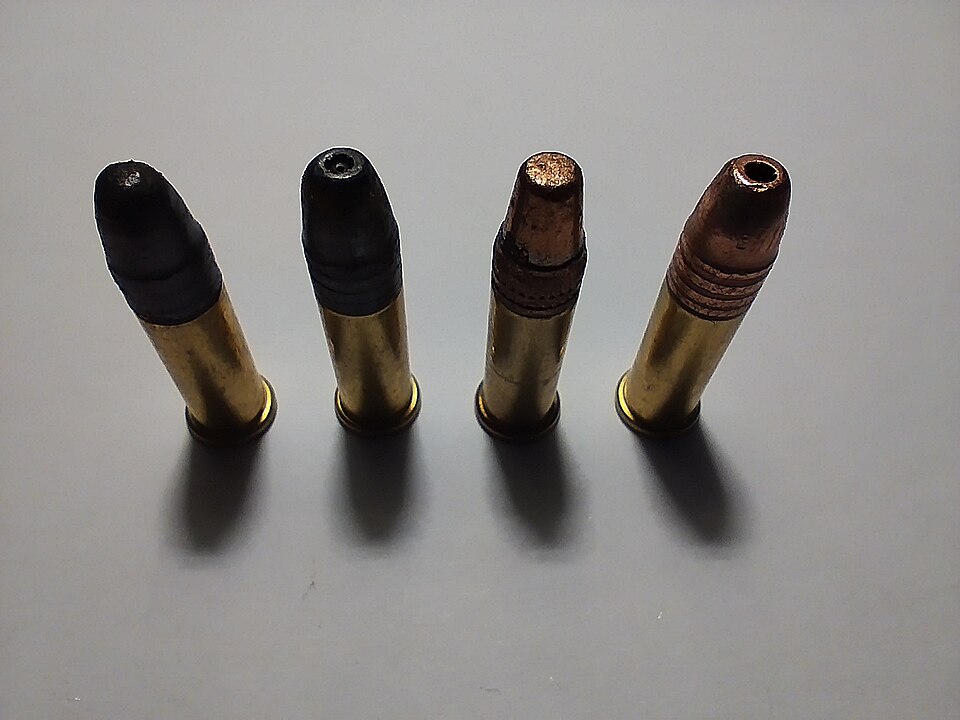
.22 LR stays in the conversation because recoil is almost nonexistent and the pistols chambered for it can be tiny. That convenience is real. So is the tradeoff. Rimfire priming is structurally less dependable than centerfire, which matters more in a defensive handgun than it does on a plinking range. The main article’s estimate of 1–2% misfires in premium loads and 8–10% in bulk ammunition captures why many shooters still treat .22 LR as a compromise. Penetration is also hit-or-miss from short barrels, and expansion is often unreliable. In Lucky Gunner’s pocket-pistol testing, even small increases in barrel length changed performance noticeably, with one .22 LR test setup showing an average 126 fps jump between short and longer handgun barrels. That kind of sensitivity leaves very little margin when the gun is already starting with a small, light bullet.
2. .25 ACP
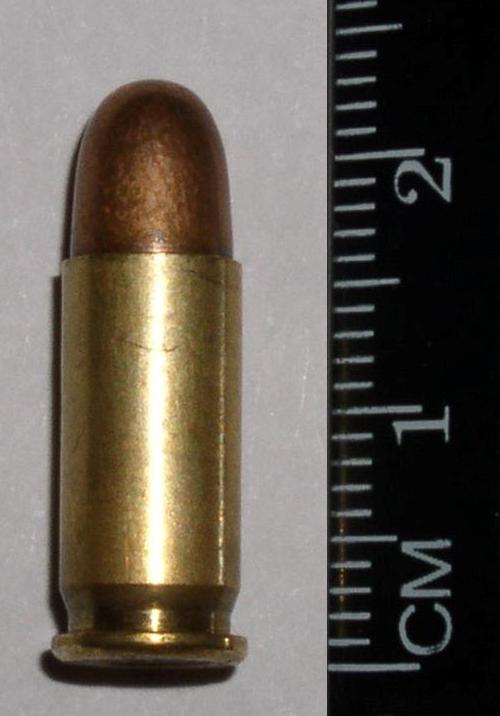
.25 ACP fixed one .22 problem by moving to centerfire ignition, but it never solved the bigger ballistic problem. It is reliable for its size. It is still very small for the job. Many .25 ACP loads produce under 70 ft-lbs of energy, and the round has a long record of shallow penetration or minimal disruption. A widely cited real-world dataset compiled by Greg Ellifritz listed 35% of .25 ACP shootings as failures to incapacitate. Gel testing has echoed the same concern: even FMJ loads can be inconsistent, while expanding bullets often give up too much penetration. In practical terms, the cartridge asks the shooter to accept centerfire reliability without getting much terminal performance in return.
3. .32 ACP
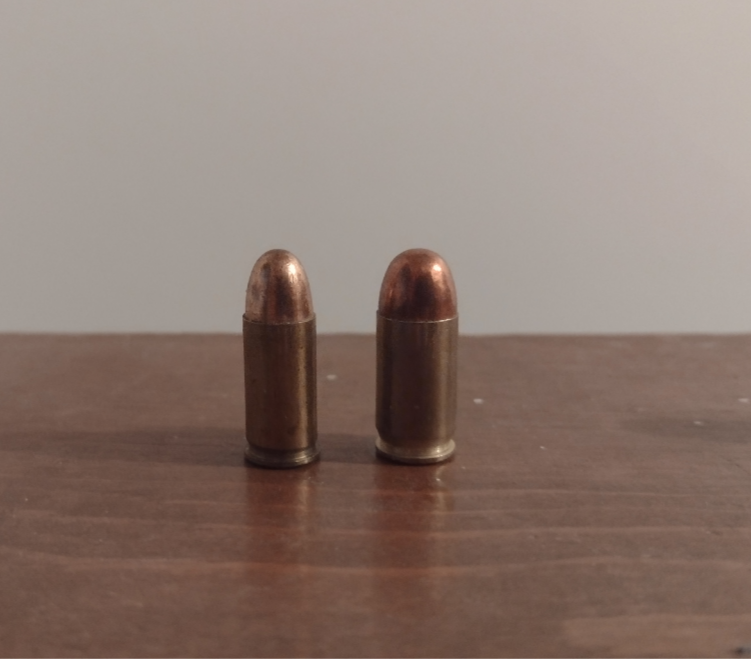
.32 ACP has always had a loyal following because it is easy to shoot and can run in very slim pistols. Its weakness is that it often performs right on the edge of adequacy. The main article places typical energy around 125–170 ft-lbs, which helps explain why the caliber is so load-sensitive. In Lucky Gunner’s pocket-pistol work, .32 ACP hollow points repeatedly struggled to penetrate consistently after heavy clothing, while FMJ loads tended to do better on depth. That creates an old compromise that still has not gone away: expansion often costs too much penetration, but non-expanding bullets do little to widen the wound track. For a cartridge carried largely in very short-barreled handguns, that is a narrow operating window.
4. .410 Shotshell From a Handgun
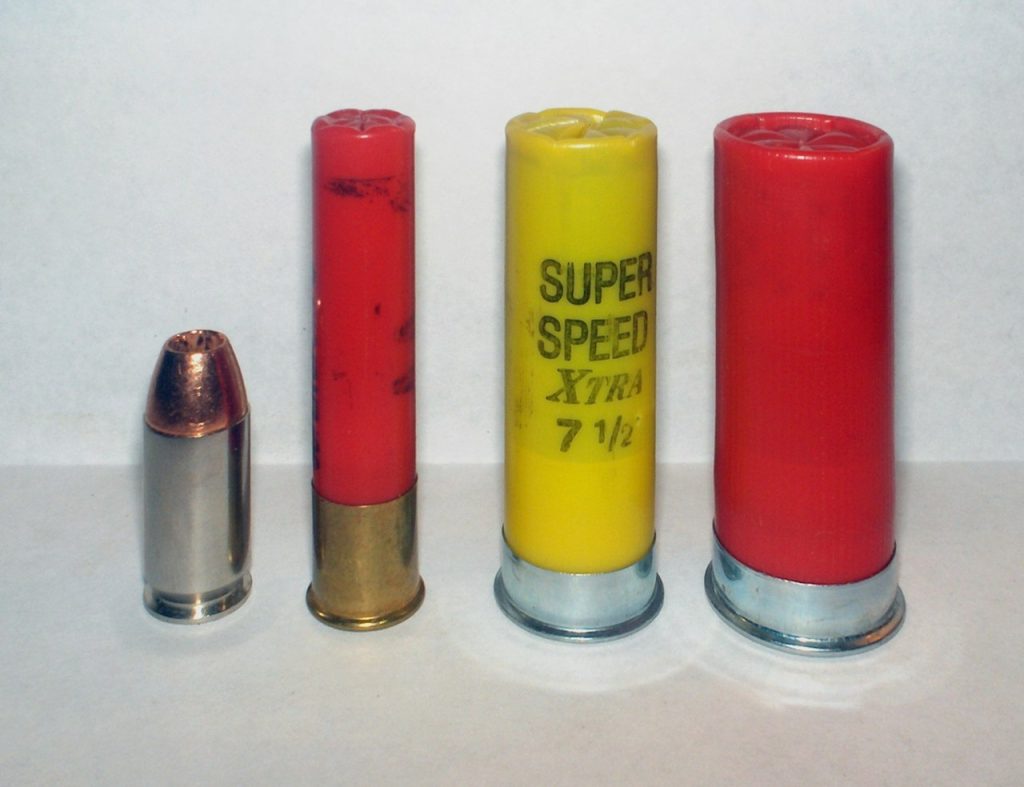
A .410 revolver looks persuasive on paper because it promises spread from a handgun-sized platform. In actual testing, the spread is part of the problem. The main article notes patterns approaching 30 inches at 15 feet, which raises immediate accountability issues. Birdshot loads perform even worse when penetration is examined. Demonstrations cited in the main article showed #9 shot failing to penetrate a plastic bottle and #4 shot failing to get through ¾-inch plywood. Some buckshot loads can do better at very close range, but the platform stays unpredictable compared with conventional handgun cartridges designed to deliver a single projectile to a repeatable point of impact.
5. .380 ACP From Micro Pistols
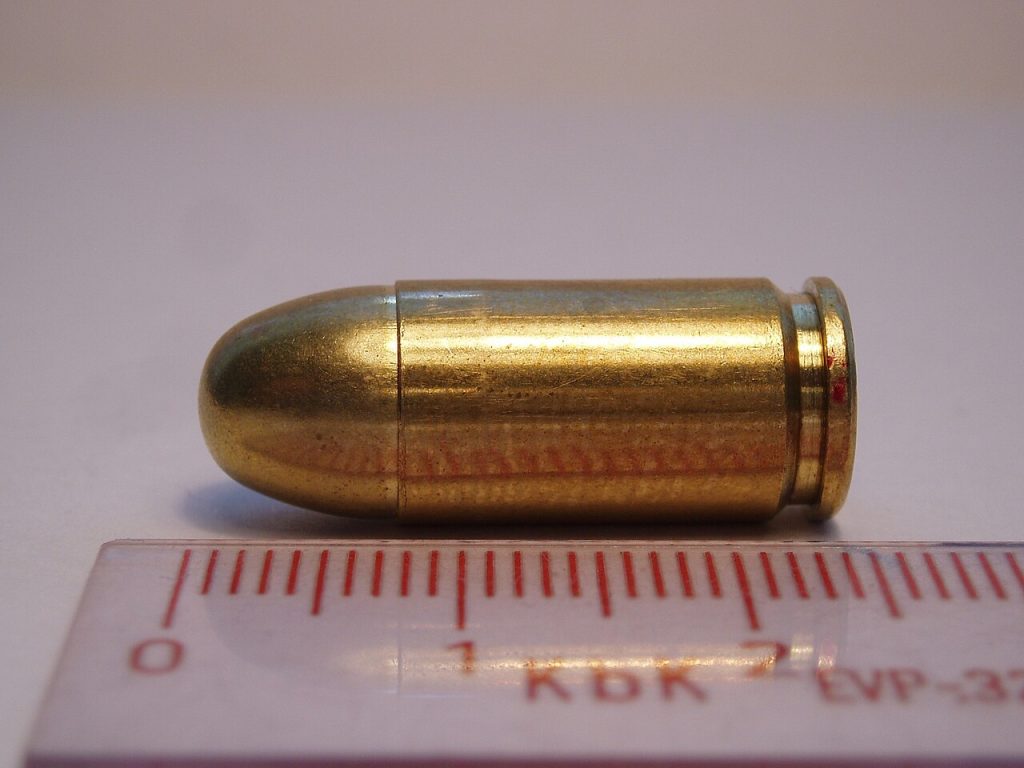
.380 ACP is not automatically a weak choice. The problem is that short barrels can expose every weakness in the load. In small carry pistols, some hollow points expand too quickly and stop short, while others act more like ball ammunition after clothing clogs the cavity. Lucky Gunner’s broader gel testing found that .380 loads often split into two camps: acceptable penetration with little or no expansion, or decent expansion with penetration below standard. That does not make the caliber unusable. It makes it a cartridge that demands careful matching between bullet design and the realities of micro-pistol velocity loss.
6. 10mm Auto for Routine Concealed Carry
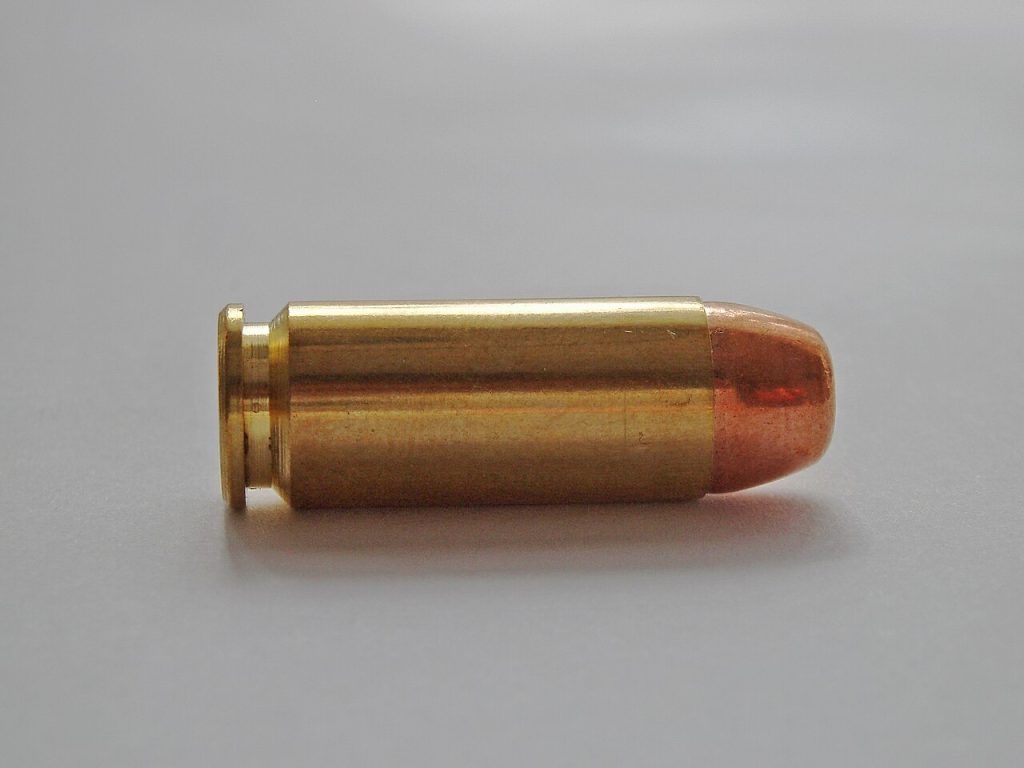
10mm Auto shows the opposite failure mode. The issue is not weakness. The issue is whether its extra power comes with costs that cancel the advantage. The FBI’s own experience with powerful duty loads showed how recoil can affect both shooters and guns across a large fleet. In one account from a former FBI Ballistic Research Facility chief, there were “huge issues for us with 10 millimeters” because recoil impulse created functional reliability problems.
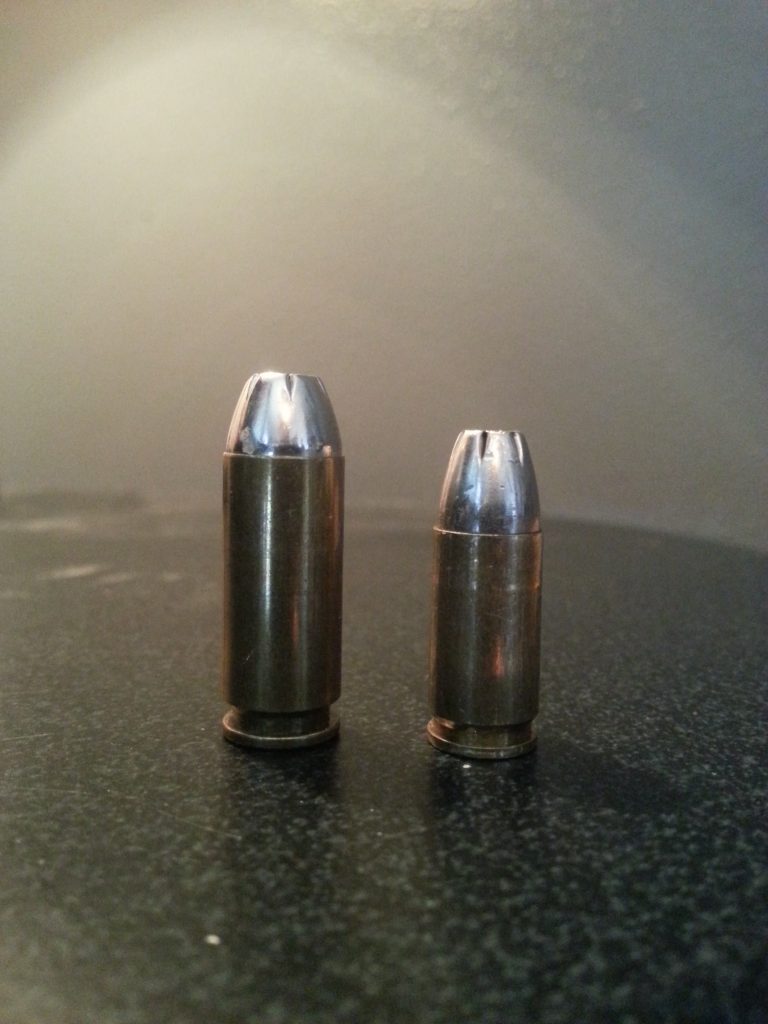
The same larger lesson pushed the bureau back toward 9mm as bullet design improved. As one ammunition engineer put it, “There’s not a nickel’s worth of difference” between modern 9mm and .40 S&W in protocol performance. For ordinary concealed-carry roles, harder recoil, more blast, and deeper penetration do not automatically translate into a better overall system.
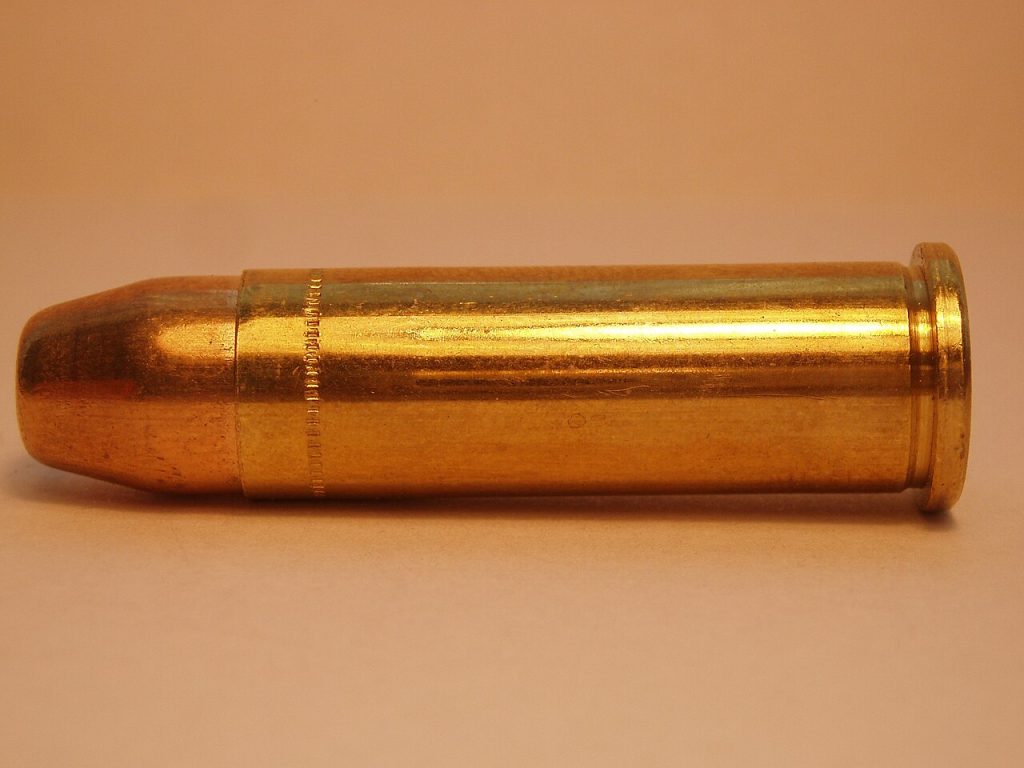
7. .38 Special From Ultra-Short Barrels
.38 Special has history on its side, but snub-nose revolvers can strip away a lot of what made the cartridge work so well in longer guns. Velocity loss is the central issue. In sub-two-inch barrels, many hollow points struggle to both expand and still reach the commonly cited 12-inch minimum. Heavy clothing can clog the cavity, and +P loads can add recoil faster than they add useful performance. Lucky Gunner’s testing philosophy also reinforces why snubs deserve separate scrutiny: short barrels change impact velocity enough that service-pistol data can be misleading. A .38 snub can still work, but it becomes far more dependent on purpose-built short-barrel ammunition than its reputation suggests.
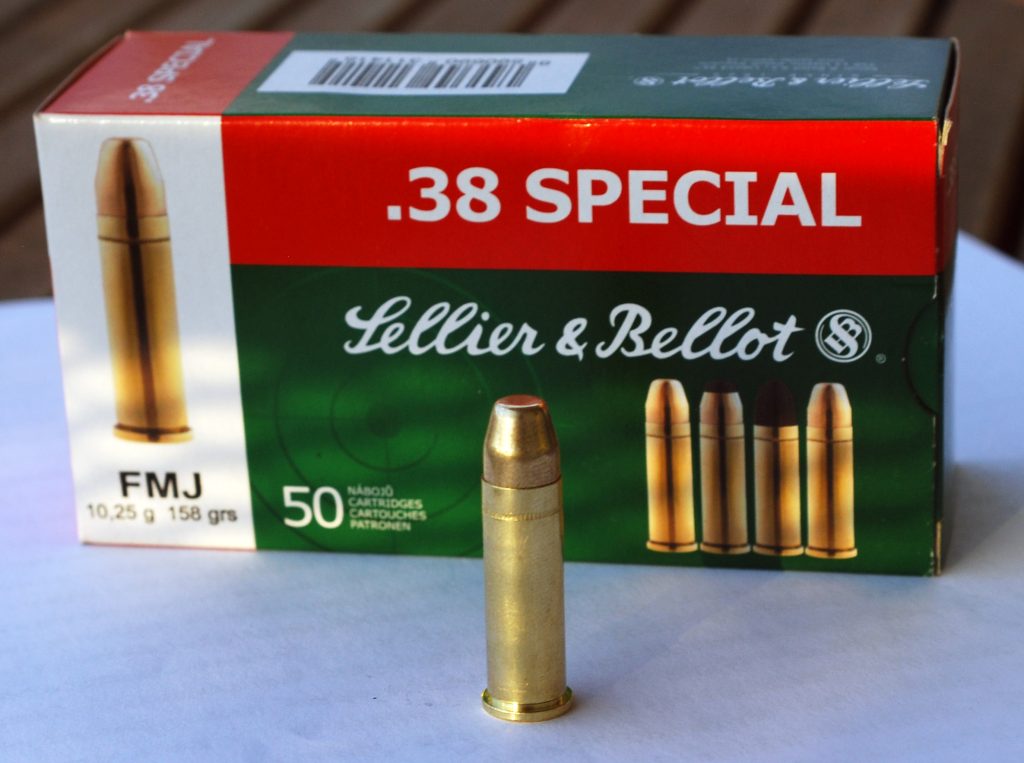
The common thread running through all seven is not brand loyalty or caliber tribalism. It is reduced margin for error. Some of these rounds are too weak, some are too inconsistent, and some impose recoil or patterning penalties that make accurate follow-up work harder than it needs to be. That is why modern handgun performance discussions keep circling back to the same priorities: reliable ignition, adequate penetration, controllable recoil, and consistent bullet behavior. In defensive handguns, the round that looks interesting on paper is not always the round that gives the shooter the most forgiveness when conditions turn imperfect.


