The Army’s issued handgun has never been just a backup tucked on a belt. In every era, it has reflected a larger engineering choice: more power after a battlefield lesson, more capacity after a doctrinal shift, or more adaptability when one pistol no longer fit every job. Some sidearms became icons because they stayed in service for decades.
Others mattered because they solved a narrow problem at exactly the right time. Together, they trace how the Army moved from cavalry revolvers to modular 9mm pistols without losing sight of the same basic demand: a weapon that still works when the primary one is gone.
1. Colt M1911 and M1911A1
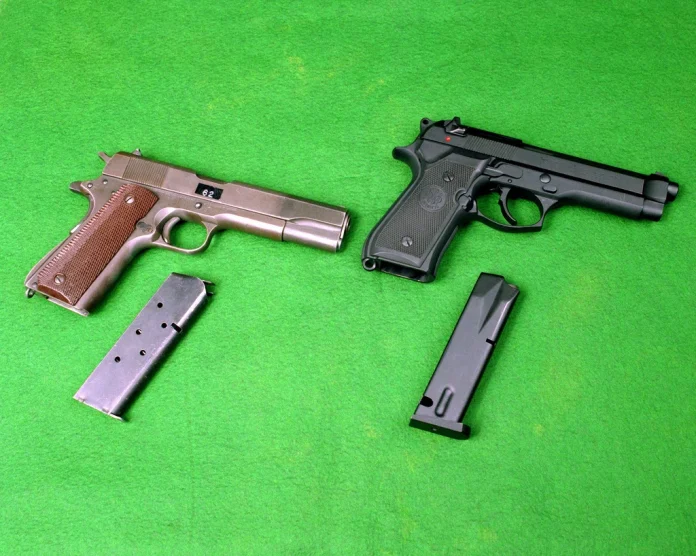
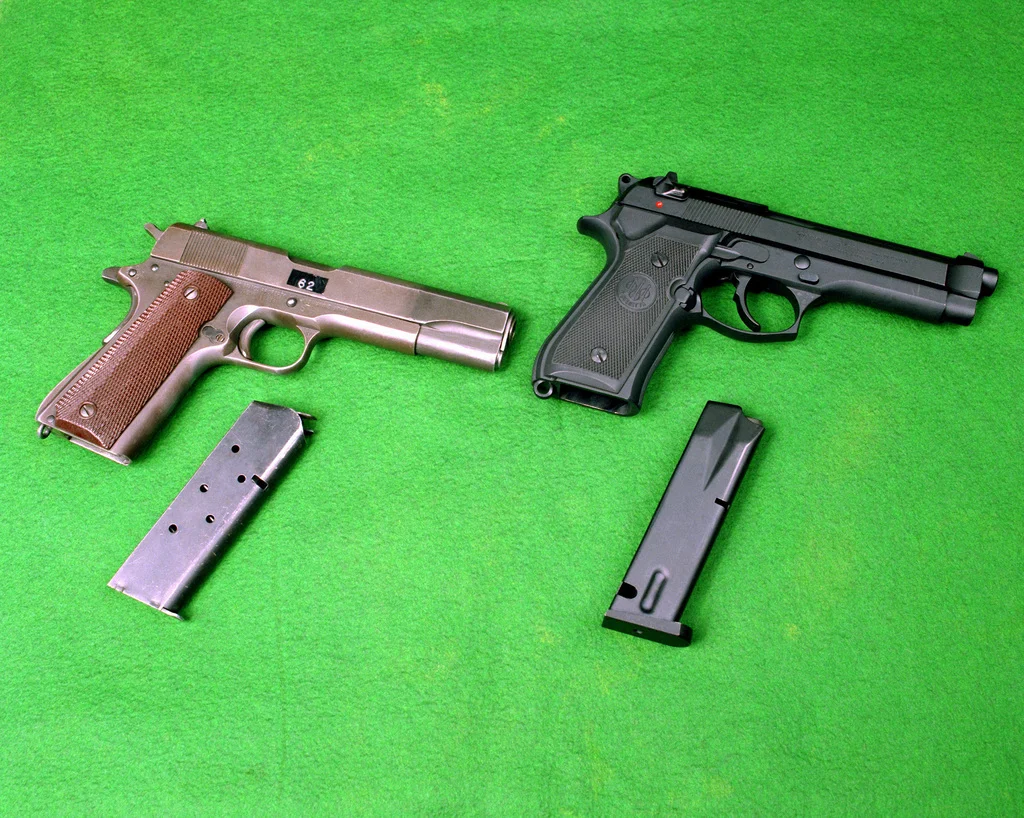
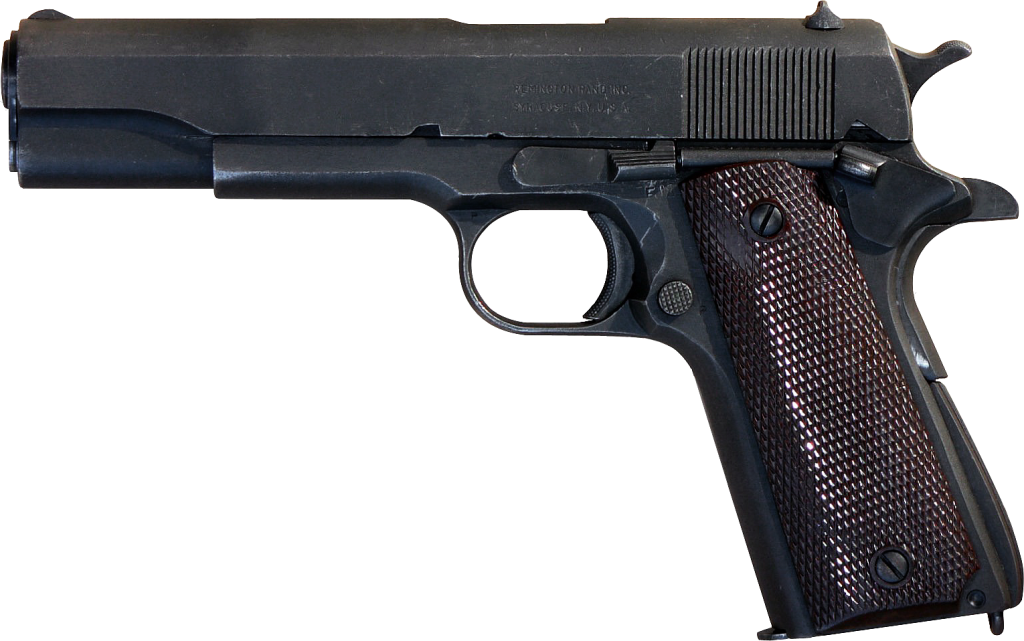
The M1911 remains the benchmark against which Army sidearms are still measured. Its adoption followed hard experience with .38-caliber revolvers and the Army’s push for a heavier bullet, a debate reinforced by the Thompson-LaGarde recommendation for a caliber of at least .45. In the decisive Army trial, the Colt design fired 6,000 rounds with no failures, an endurance result that separated it from the field.
The later M1911A1 did not replace the original concept so much as refine it. Changes to the trigger, sights, hammer, and grip geometry made the pistol easier to handle under stress while preserving the same short-recoil, single-action architecture. Its long service through multiple wars gave it a rare status in Army history: not just a successful sidearm, but the pattern of what a fighting pistol was expected to be.
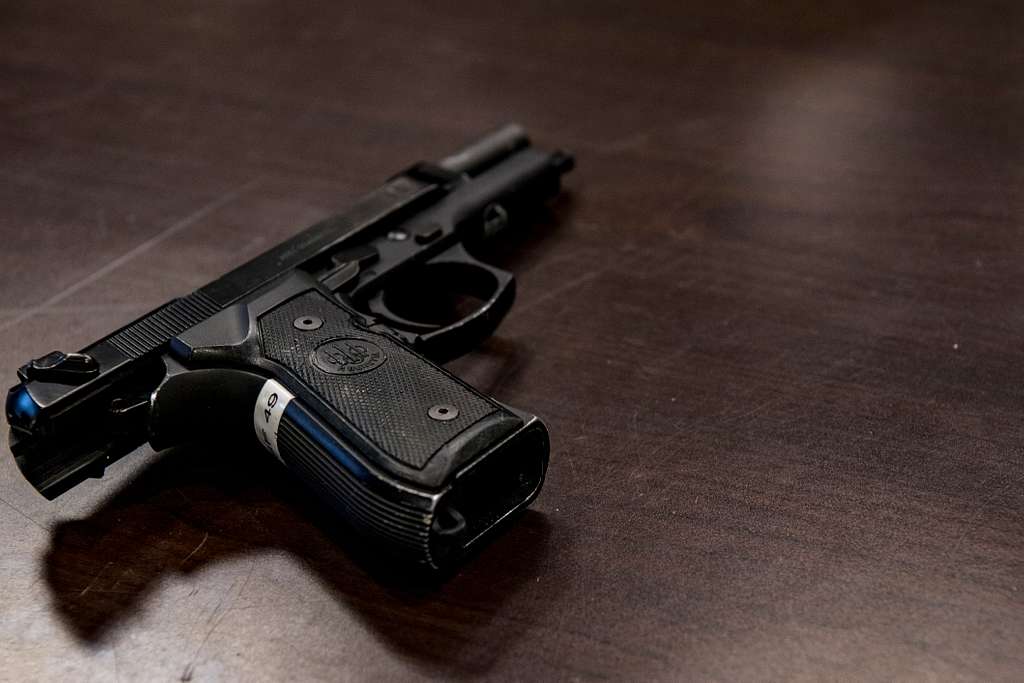
2. Beretta M9
The M9 marked the Army’s biggest handgun reset of the late 20th century. Standardization pressure across the services and NATO drove the search, and the XM9 competition eventually narrowed to Beretta’s 92F and SIG Sauer’s P226. Both passed, but the Beretta was selected after posting 1,750 mean rounds between failure in dry conditions and winning on the total package evaluation.
Its reputation later became more complicated than its test results suggested. Early slide-break concerns were tied to overpressure ammunition, and a later safety modification produced the 92FS-pattern update. In long service, many complaints centered less on the pistol’s core design than on upkeep, worn components, and magazines. The platform also evolved, with the M9A1 adding a rail and sand-resistant magazines for dusty environments, showing how sidearm reliability often depends on the entire support system and not just the pistol itself.

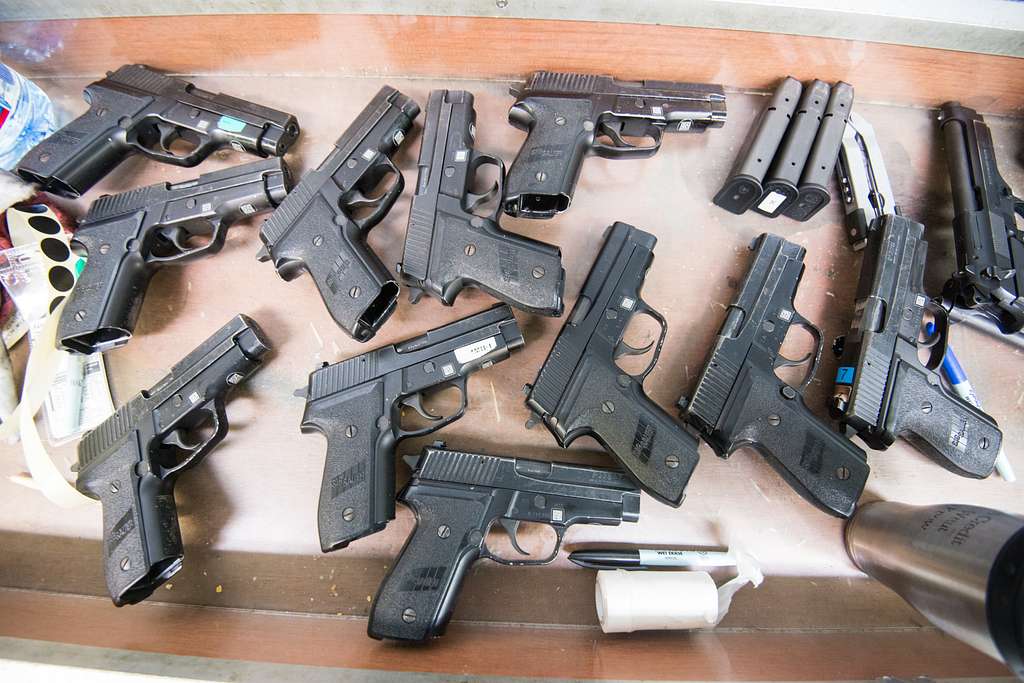
3. SIG Sauer P228 (M11)
The M11 proved the Army never truly believed one handgun size could do every job. After the M9 became standard, investigators, aircrews, and other personnel still needed a more compact pistol that was easier to carry in vehicles, cockpits, and low-profile assignments.
In Army testing, the P228 delivered 15,000 rounds with one malfunction, a strong result for a compact sidearm. Its importance was doctrinal as much as technical. The pistol validated the idea that a smaller handgun was not a compromise weapon, but a purpose-built answer for specialized roles inside a force otherwise standardized on the M9.
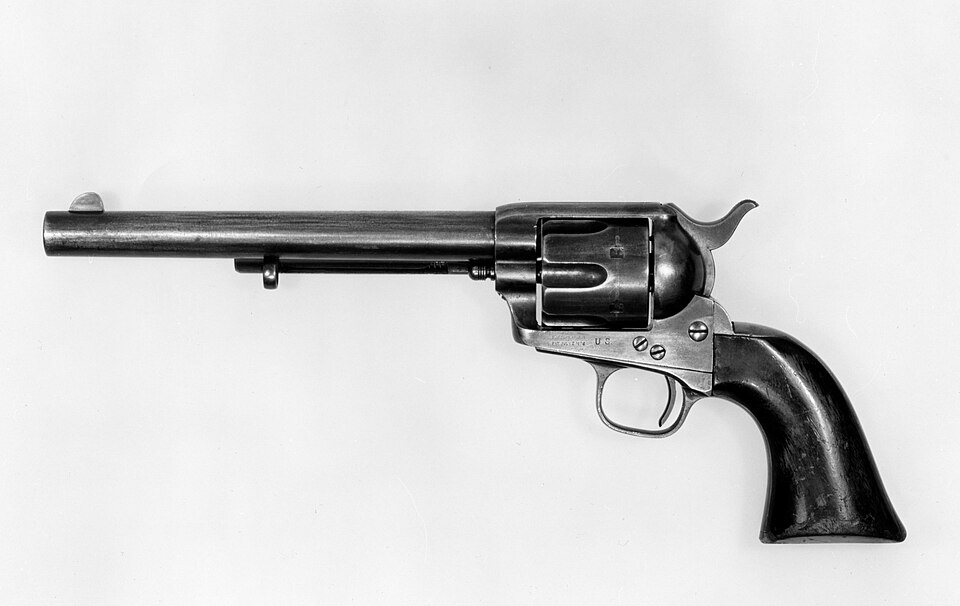
4. Colt Single Action Army
The 1873 Colt Single Action Army gave the Army a revolver built around durability at a time when service sidearms still had to survive frontier use, rough handling, and limited support. Its solid topstrap frame answered concerns that earlier open-top designs lacked sufficient strength.
It also arrived with a clear Army endorsement. Capt. John R. Edie wrote, “I have no hesitation in declaring the Colt revolver superior in all aspects, and much better adapted to the wants of the Army than the Smith & Wesson.” Mechanically simple and easy to understand in the field, the revolver became one of the clearest examples of Army preference for ruggedness over complexity.
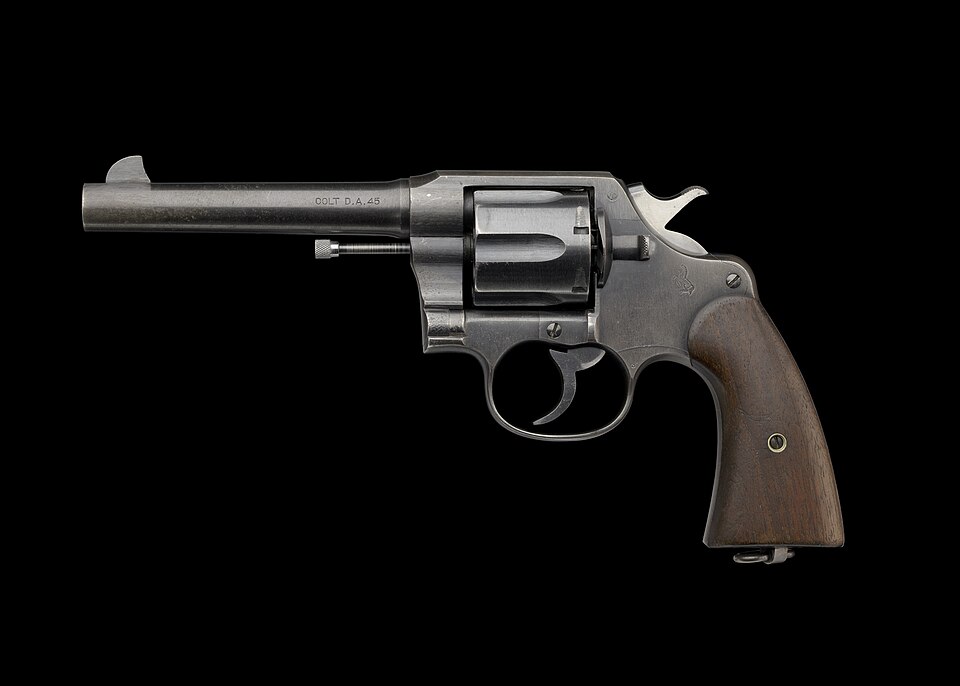
5. Colt and Smith & Wesson M1917 Revolvers
The M1917 revolvers exist because wartime demand often outruns elegant planning. When M1911 production could not keep up during World War I, the Army adapted large-frame revolvers to chamber .45 ACP with half-moon clips, preserving ammunition commonality without waiting for pistol output to catch up.
The scale of that stopgap was substantial. Colt produced more than 150,000, while Smith & Wesson delivered more than 153,000 between 1917 and 1919. Their lasting importance lies in the engineering workaround: a practical way to run rimless autoloading ammunition in a revolver while keeping logistics simpler during rapid expansion.
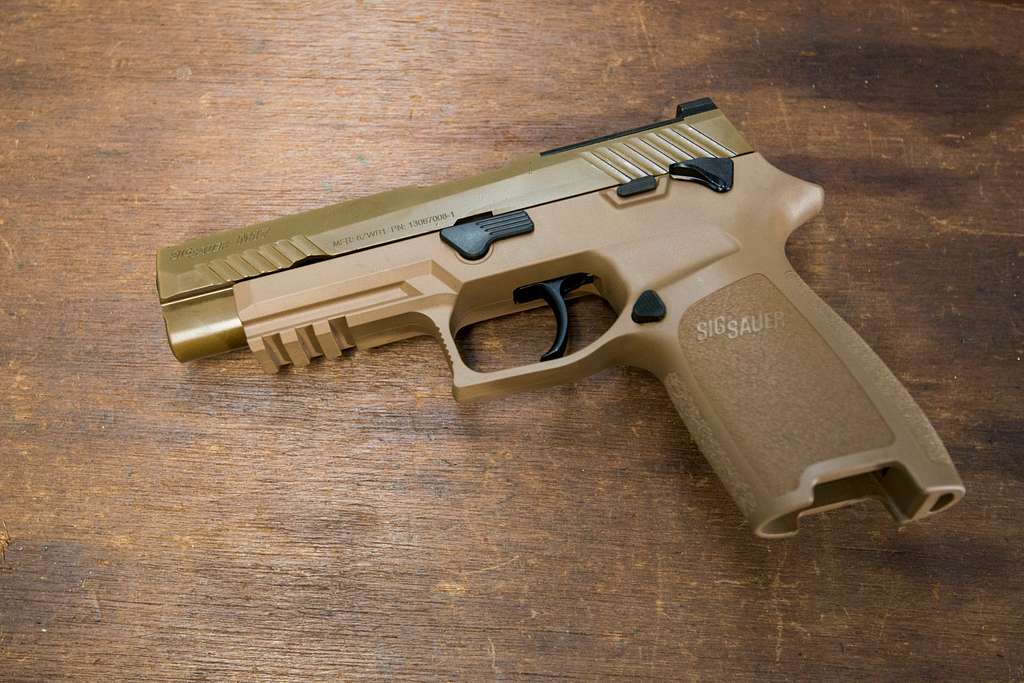
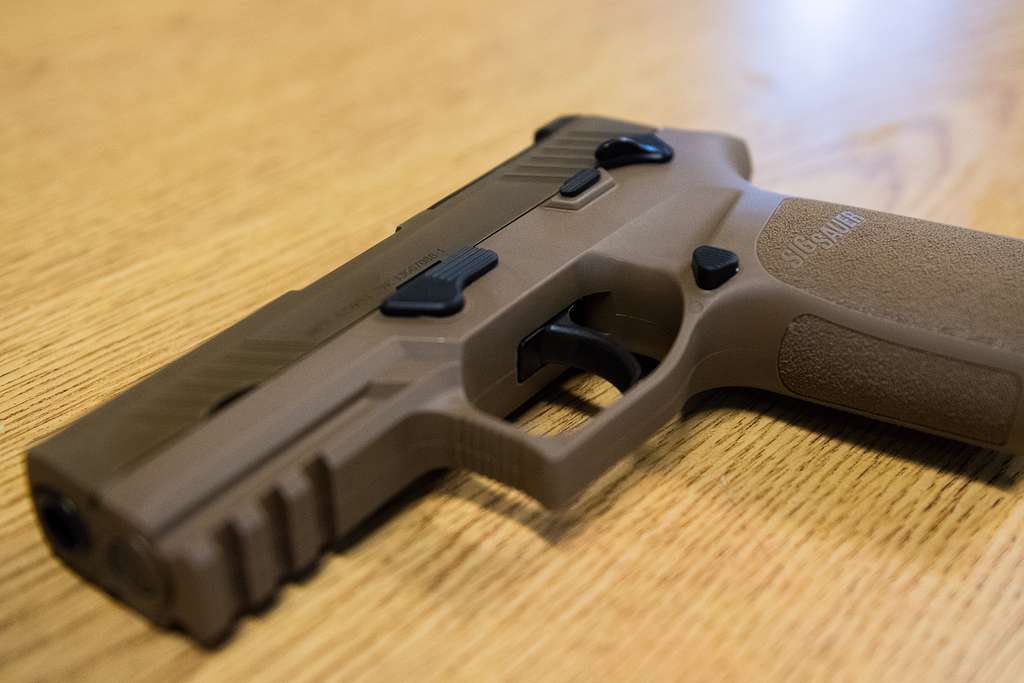
6. SIG M17 and M18 Modular Handgun System
The M17 and M18 represent a different Army idea of standardization. Instead of forcing one fixed handgun across every role, the Modular Handgun System uses a shared architecture to support both full-size and compact variants. Army program material identifies the system as a 9mm, striker-fired platform with grip modules in three sizes, letting units fit the pistol more closely to the shooter and the mission.
The full-size M17 carries 17 rounds standard, while the compact M18 covers roles once handled by separate compact pistols. That matters because the Army’s newest sidearm family is built around sustainment and configuration as much as raw firing performance. The M18 is also formally identified by the M11’s replacement, making the system a direct answer to two older requirements at once.
7. The Army’s Compact-Handgun Requirement
One of the strongest patterns in Army sidearm history is that compact pistols never disappear for long. They simply reappear under new names and procurement programs. The need comes from the same places every time: cockpit space, vehicle work, discreet carry, and assignments where a full-size service pistol creates more burden than advantage.
That is why the compact requirement deserves its own place in the story. The M11 filled it for years, and the M18 now carries it forward within a modular family. Seen that way, the Army’s handgun history is not only about famous individual pistols. It is also about a recurring institutional lesson: sidearm dimensions are not cosmetic, but part of mission design.
Across these seven entries, the pattern is clear. The Army’s defining handguns were not remembered only because they were powerful, famous, or long-serving. They lasted because each one answered a real service problem stopping power, standardization, production shortages, compact carry, or modular fit and did it well enough to shape what came next.


