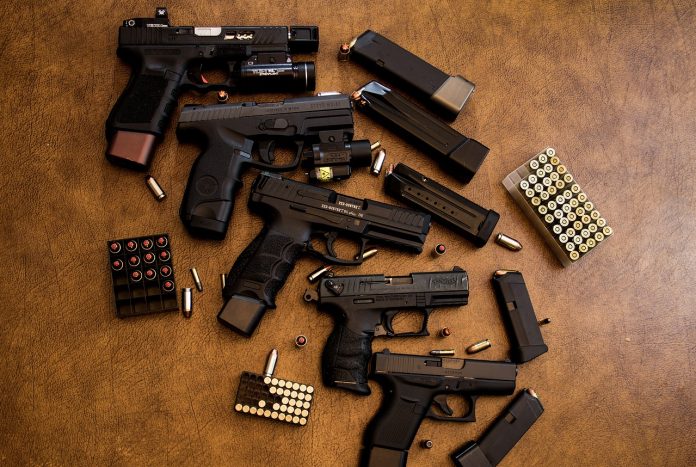
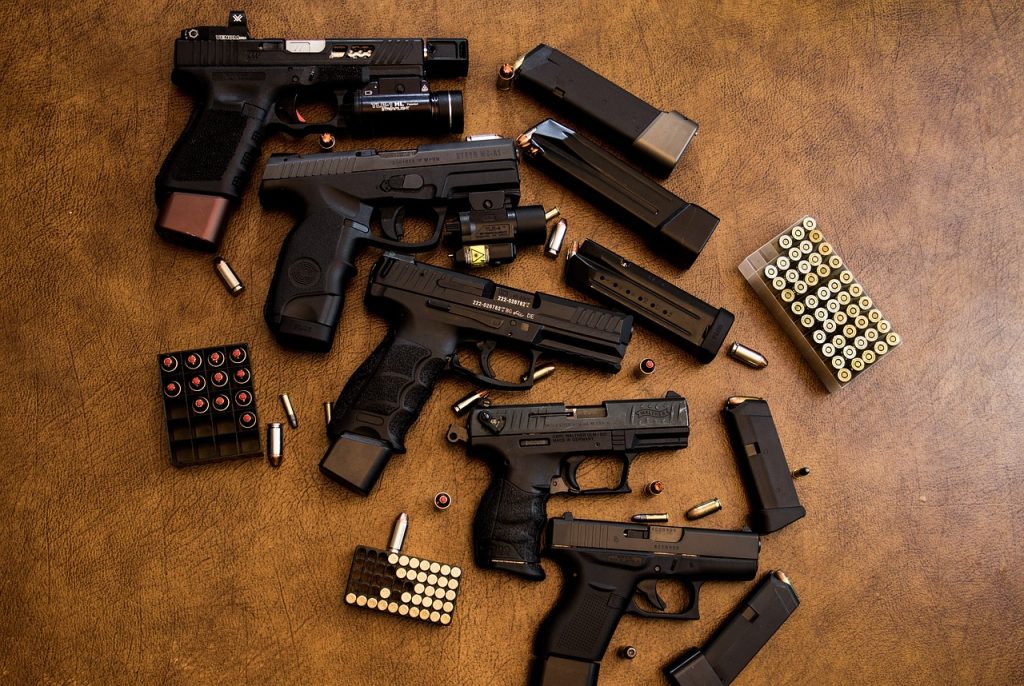
Glock spent decades building a reputation on consistency. That is why its recent commercial lineup reset stands out: the company is not trimming around the edges, but clearing out a large swath of familiar models and reshaping what its catalog looks like going forward. The move matters beyond one brand’s product chart. Glock’s commercial pistols have long sat at the center of law-enforcement adoption, aftermarket support, holster fit standards, magazine compatibility, and the broader direction of striker-fired handgun design. When Glock simplifies its lineup, the ripple effect reaches far beyond its own factory floor.
1. The catalog had become too wide to ignore
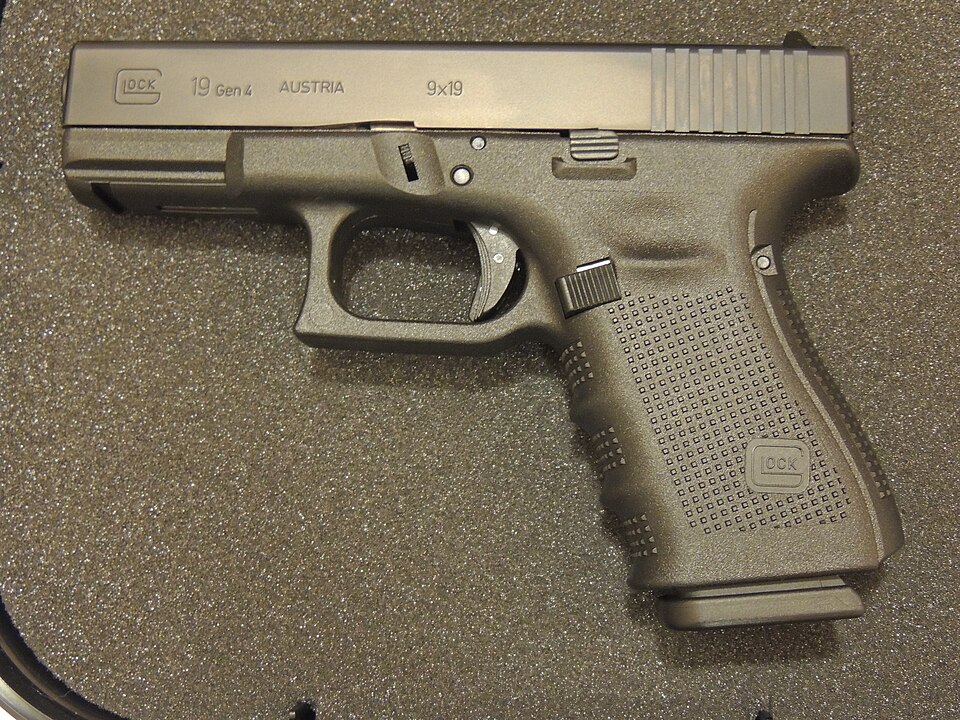
Glock’s official explanation is direct. The company said it is making a strategic decision to reduce its commercial portfolio “to focus on the products that will drive future innovation and growth.” In practical terms, that means fewer overlapping variants, fewer slow-moving SKUs, and more manufacturing attention on the models that still anchor the market. That logic becomes easier to understand when the lineup is viewed as generations layered on top of generations. Gen 3, Gen 4, Gen 5, MOS variants, long-slides, niche-caliber versions, and distributor specials all added complexity. For a manufacturer known for simplicity, the product tree had become surprisingly crowded.

2. Gen 4 and Gen 5 were caught in the reset
The biggest shock is not that obscure models disappeared. It is that many mainstream Gen 4 and Gen 5 pistols were swept up too. Glock publicly confirmed the V Series as the new baseline while outside tracking of discontinued listings showed Gen 4 and Gen 5 models marked discontinued across a broad portion of the commercial range. That changes the usual Glock pattern. Earlier transitions often left old and new generations overlapping for long periods. This time, the handoff is sharper, making the lineup look less like a ladder and more like a full platform reset.

3. Optics-ready design is no longer optional background noise
One of the clearest directional shifts is toward optics compatibility. MOS pistols helped move Glock into the red-dot era, but the company now appears focused on making future-ready slide and mounting systems central rather than optional. Reference reporting also noted a broader move toward optics-capable designs as the catalog changes over. This is where older variants begin to look expendable. Models built around earlier slide cuts, older frame formats, or feature sets that do not fit Glock’s next design standard become harder to justify in a trimmed lineup.
4. The V Series gives Glock a cleaner baseline
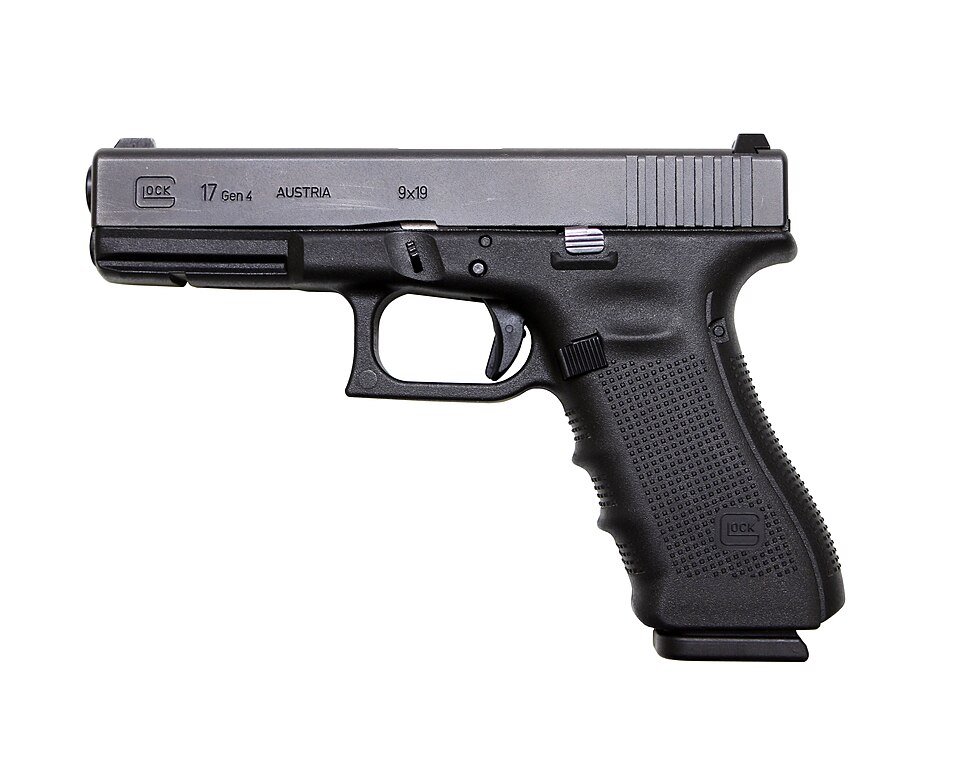
Glock described the V Series in unusually plain terms: “The GLOCK V Series is here to establish a baseline of products while simplifying our processes.” That sentence explains most of the strategy. The company is not merely replacing old names with new ones; it is setting a simpler common starting point for what comes next. Reports tied the initial V rollout to familiar core models such as the G17, G19, G26, G45, and related variants. Early coverage also indicated that MOS versions were not the launch priority, suggesting Glock first wanted a standardized base architecture before rebuilding outward.
5. Anti-conversion engineering appears to be part of the redesign
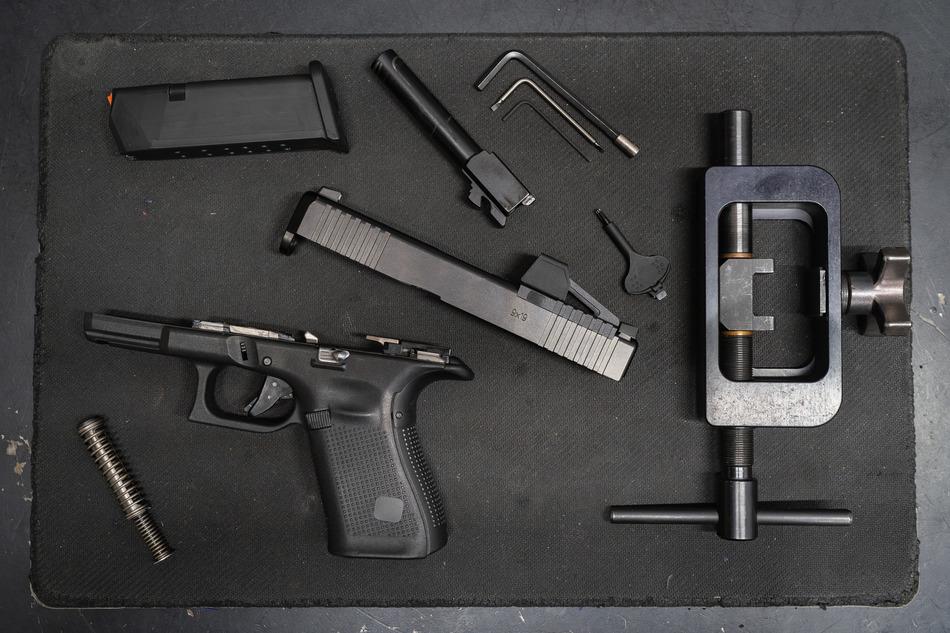
Much of the industry attention has centered on illegal conversion devices commonly called “switches.” Glock did not frame its public statement around that issue, but multiple reference reports connected the V pattern to internal design changes intended to make such add-ons harder to use. One widely cited description pointed to raised channels around the striker assembly and a redesigned backplate. This is where the story shifts from simple catalog cleanup to engineering response. A pistol maker that built its name on rugged standardization now has strong incentive to redesign around misuse prevention without abandoning the core handling and operating logic that made the platform popular in the first place.

6. Regulation and lawsuits changed the background conditions
The redesign is easier to understand in the context of external pressure. California enacted AB 1127, aimed at handguns considered readily convertible by illegal devices, and lawsuits in other states added more scrutiny to the issue. Even if Glock’s transition was already in development, the legal environment made a simplified and modified commercial lineup more urgent. This is not just a Glock problem. It is a sign that handgun design is increasingly shaped by compliance engineering as much as by barrel length, grip texture, or caliber choice.
7. Slimline guns were too important to sideline
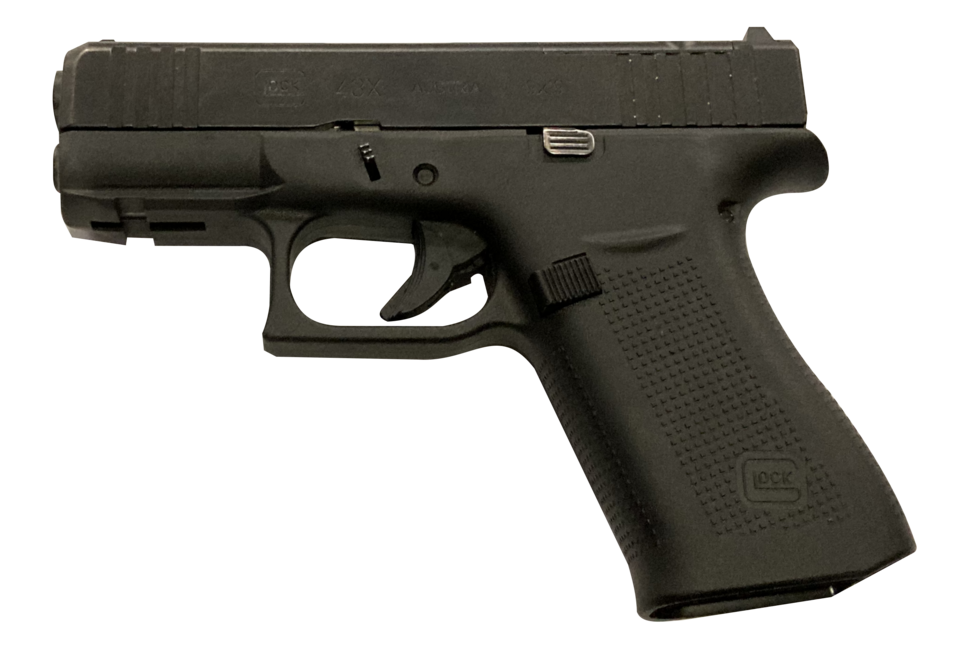
While much of the traditional double-stack lineup was reshuffled, slimline pistols remained a stable anchor. The G43, G43X, and G48 family had too much relevance in concealed-carry use to treat as legacy holdovers. They already occupy a different lane: narrower frames, lighter carry profiles, and a design path that blends features from multiple Glock eras. That matters because it shows Glock was not simply erasing the past. It was protecting the segments that still map cleanly to current demand, especially compact and carry-oriented formats that continue to define the commercial market.
8. Older generations still matter because the ecosystem is enormous
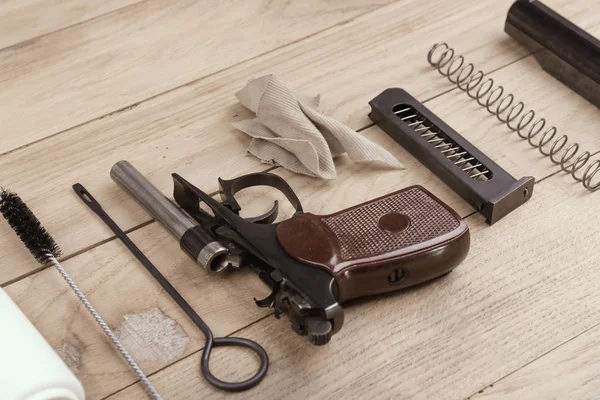
Discontinuation does not erase installed base. Glock generations remain deeply embedded in holster fitment, agency inventories, armorer training, spare parts bins, and aftermarket manufacturing. Gen 3 in particular still has an enormous footprint, helped by patent expiration, clone activity, and one of the broadest parts ecosystems in the handgun world. Some references put Glock output at over 20 million pistols produced globally, which explains why legacy support remains commercially meaningful. That is also why Glock’s promise to continue service parts and maintenance matters. A discontinued Glock is still part of a very large operating universe.

9. Law-enforcement influence still hangs over every Glock decision
Glock’s commercial changes are easier to read against its institutional history. The brand became deeply entrenched in American policing because of durability, simple manual of arms, and broad parts commonality. One reference noted that in 2022, more than half of the largest U.S. agencies were carrying Glock handguns. Another historical account described Glock’s rise from an Austrian entrant to a dominant duty-pistol standard. That legacy helps explain why Glock appears careful to keep support intact even while reshaping the commercial side. A company built around commonality cannot afford to make legacy users feel stranded.
Glock’s discontinuations are not just a farewell to a handful of familiar model names. They mark a shift in how a major pistol maker balances legacy support, optics integration, manufacturing simplicity, and compliance-driven redesign. The important takeaway is not that old Glocks vanished. It is that Glock is redefining what its default pistol architecture looks like in the next phase of the market.


