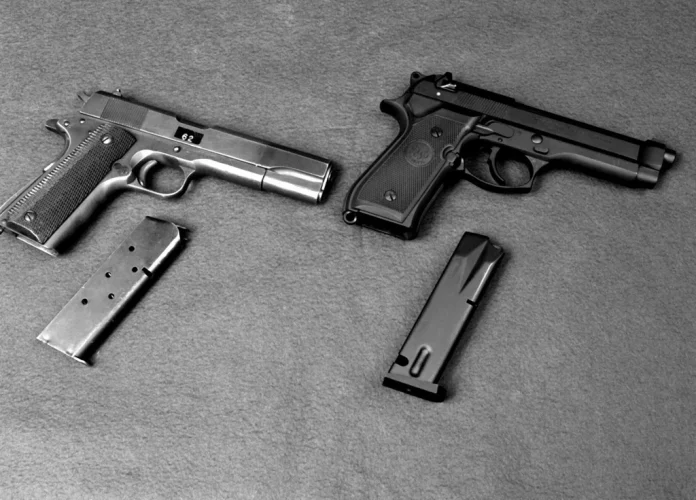
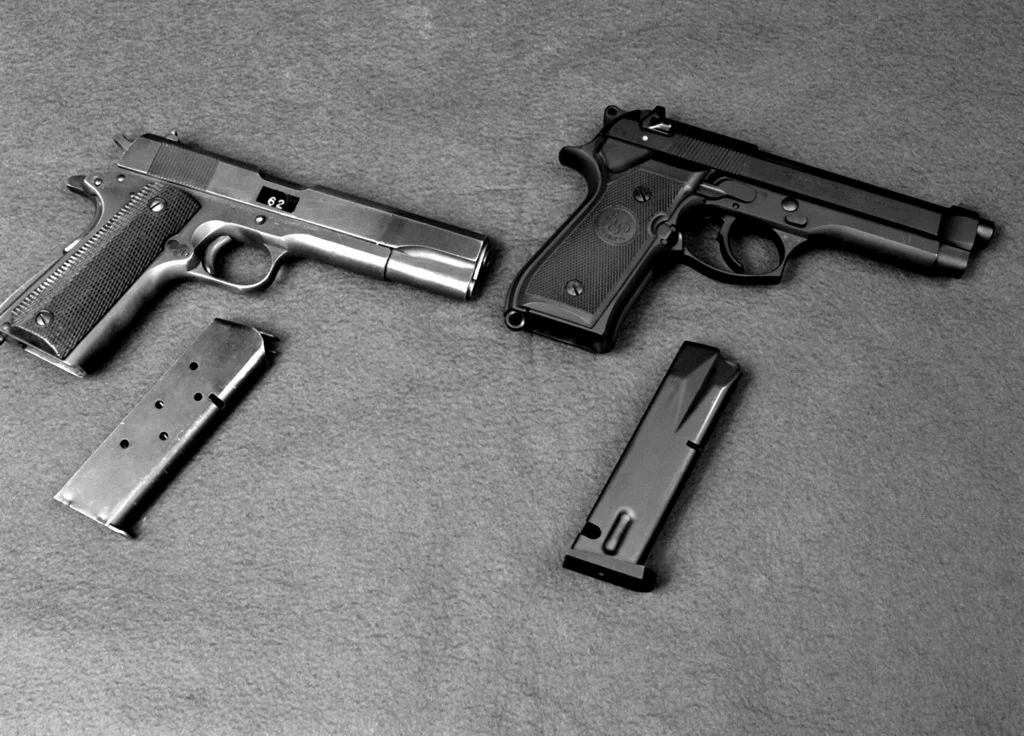
Army sidearms are rarely remembered just for what they fired. The handguns that mattered most changed training routines, maintenance practices, ammunition planning, and even the shape of the holster on a soldier’s belt. That is why the most influential Army-issued pistols are not simply the most famous ones.
They are the designs that forced the institution to adapt around them, whether by moving from percussion-era revolvers to metallic cartridges, from revolvers to semi-automatics, or from low-capacity steel frames to accessory-ready 9mm pistols built for a modern logistics system.
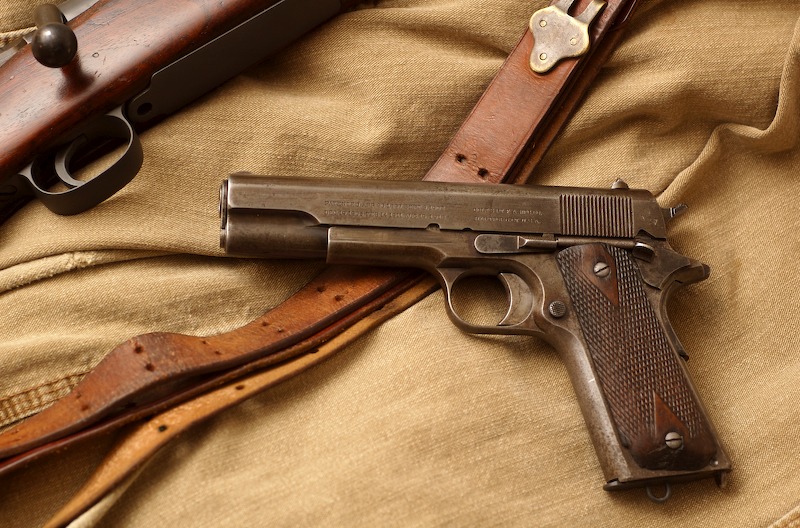
1. Colt M1911 and M1911A1
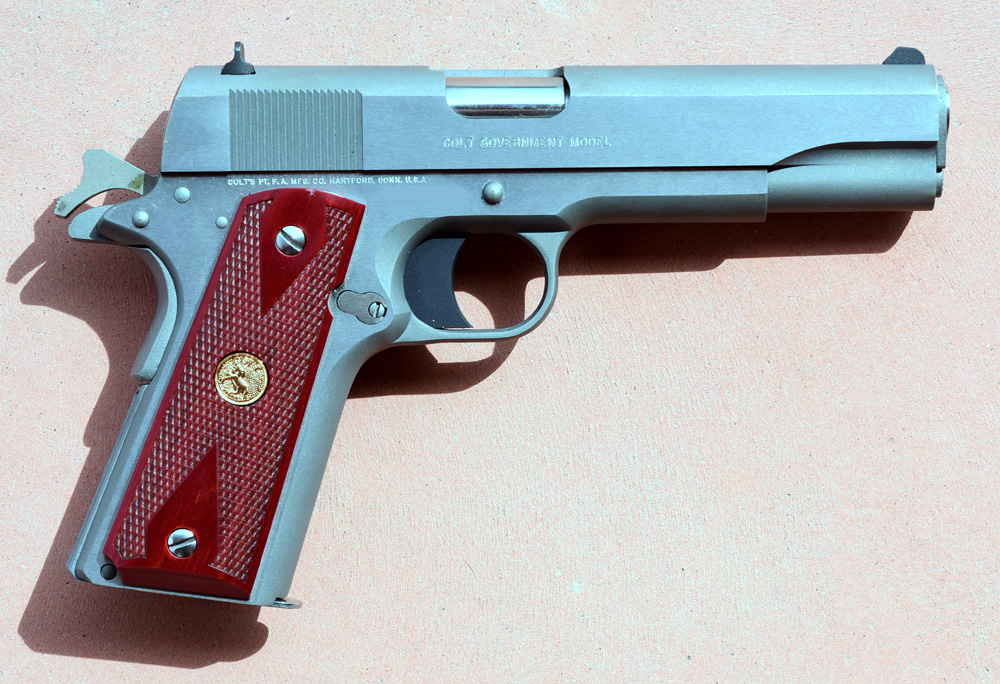
No U.S. Army sidearm cast a longer shadow than the M1911. Adopted in 1911 after brutal endurance testing, Browning’s .45-caliber pistol gave the Army a semi-automatic handgun that paired rugged reliability with fast reloading and simple field maintenance. In one of the trial’s defining moments, the Colt reportedly ran 6,000 rounds without a malfunction, which helped separate it from competing designs and set an enduring standard for service-pistol durability.
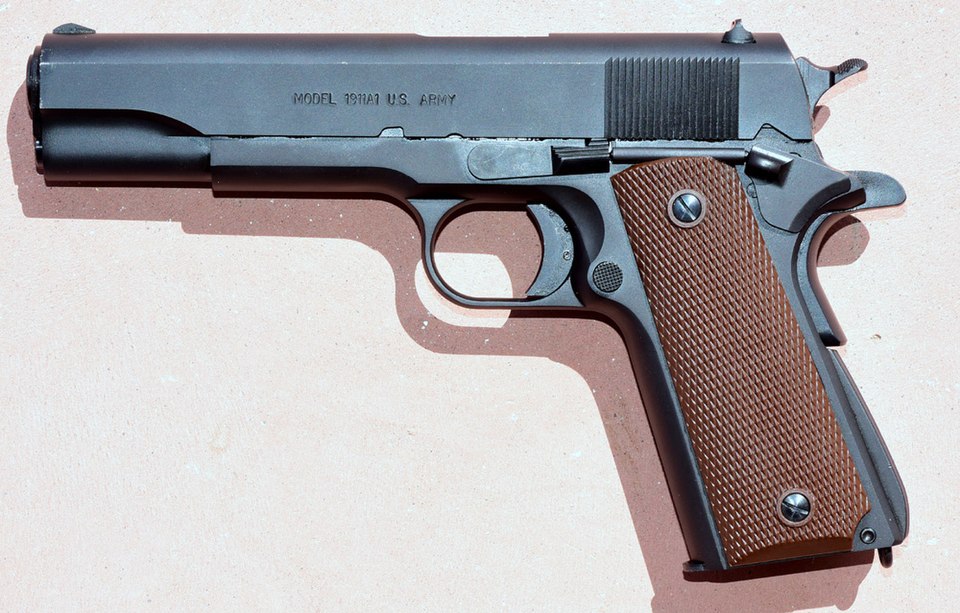
The pistol’s influence also came from what the Army wanted it to solve. Experience in the Philippines had pushed ordnance officials toward a .45-caliber sidearm, and the M1911 locked that preference into Army culture for decades. The later M1911A1 updates in 1926, including an arched mainspring housing and shorter trigger, showed that a proven platform could be refined without changing its core operating system. It then stayed in front-line service for more than 70 years, surviving world wars, Korea, Vietnam, and the Cold War era before standard issue finally shifted away.
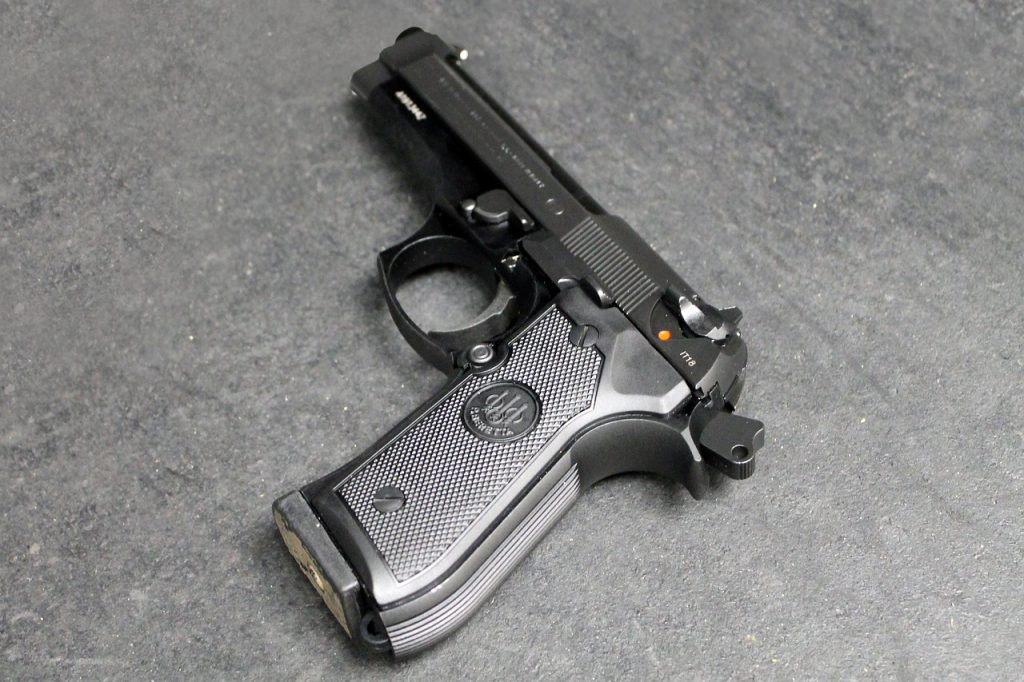
2. Beretta M9
The M9 mattered because it turned handgun procurement into a full-scale systems problem. When the U.S. military selected the Beretta in 1985, the decision was about more than replacing worn M1911 frames. It reflected a drive for NATO ammunition commonality, higher magazine capacity, ambidextrous handling, and a sidearm that could be supported across all services with standardized parts.
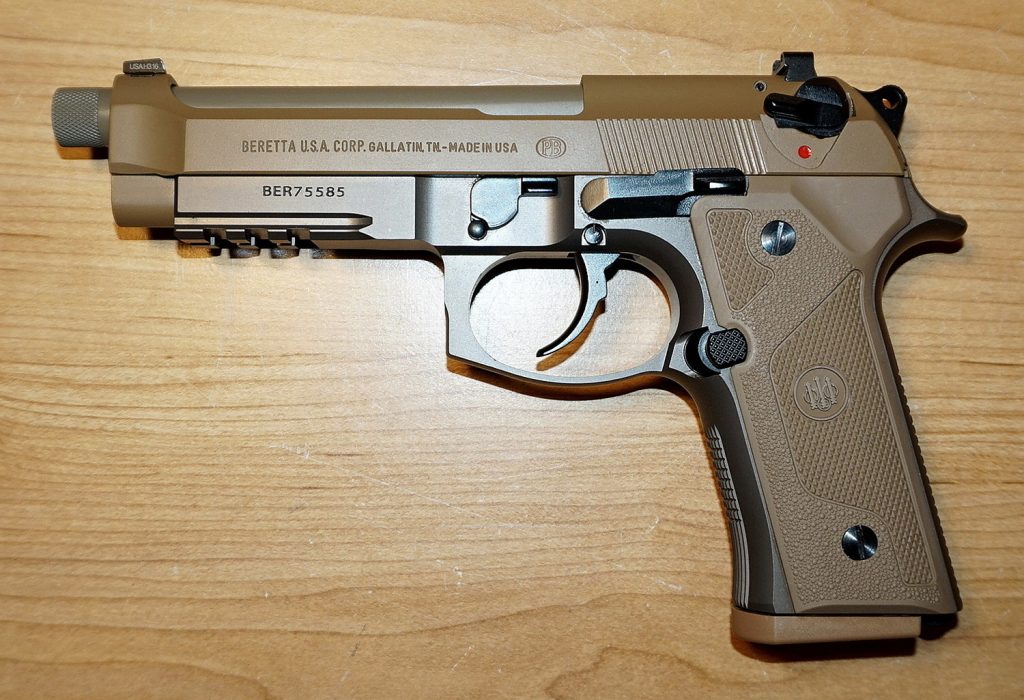
Its mechanical package changed expectations overnight: 15-round magazines, double-action/single-action operation, reversible controls, and corrosion-resistant finishing moved the Army away from the old seven-round .45 template. The pistol also became a case study in lifecycle reality. Reliability was shaped not just by the gun itself, but by magazine specifications, parts wear, and maintenance discipline. Later updates, including the M9A1 rail addition in 2006, reflected a broader change in military pistol thinking: lights and other mounted accessories were no longer optional extras but part of the expected package.

3. SIG Sauer M11
The M11 never had the visibility of the M1911 or M9, but its influence ran in a different direction. Based on the compact P228, it showed that the Army could support a specialized sidearm for users who needed something smaller than a full-size service pistol without abandoning common ammunition or a familiar handling system. That mattered institutionally.
The M11 helped normalize the idea that one standard sidearm did not fit every mission, especially for protective details, investigators, and other personnel who worked in tighter spaces or needed easier carry. It preserved 9mm commonality while proving that compact pistols could still meet serious reliability demands. In procurement terms, the M11 helped open the door to a more flexible Army view of sidearms: standardization where it made sense, specialization where it paid off.
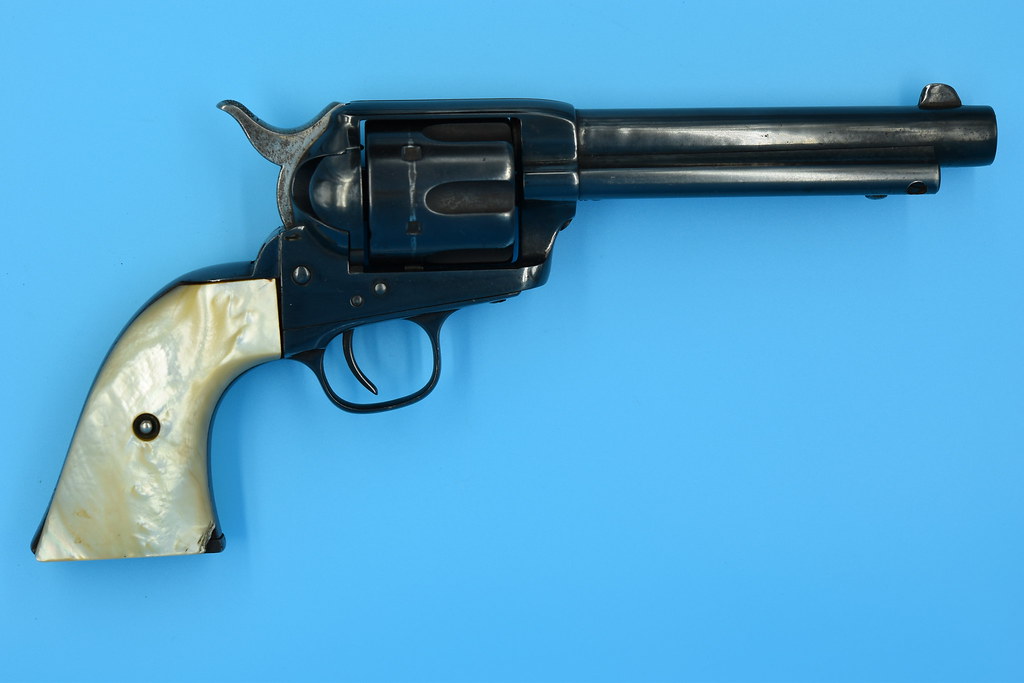
4. Colt Single Action Army, Model 1873
The Single Action Army was the Army’s bridge into the metallic-cartridge age. Chambered in .45 Colt, the revolver gave soldiers a robust, self-contained sidearm at a time when handgun technology was moving away from percussion systems and toward more durable field use. Its reputation was built on simplicity, and that simplicity mattered in an era when support systems were thin and field conditions were rough.
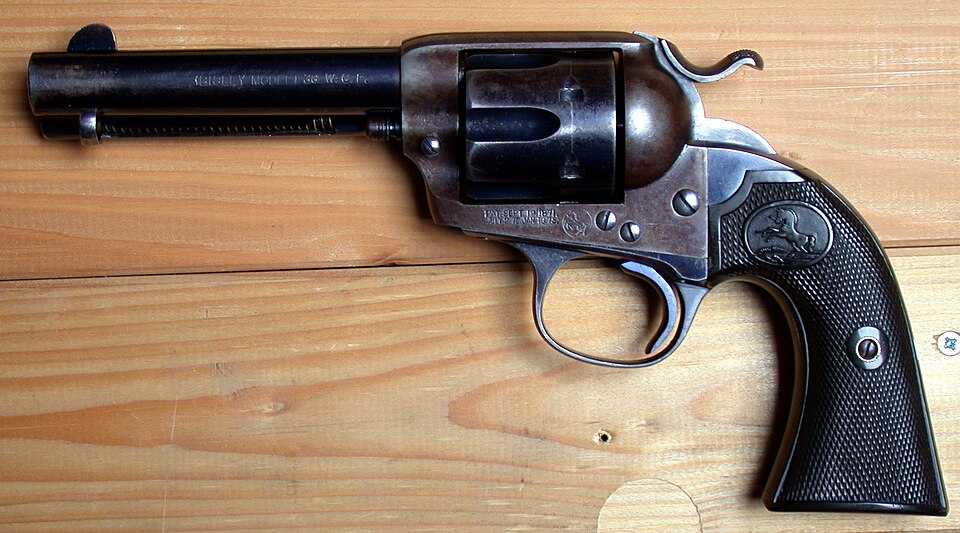
Its cultural image became enormous, but the technical influence is the real story. The Model 1873 helped cement the Army’s long comfort with a powerful .45-class handgun cartridge and demonstrated how a mechanically straightforward design could thrive when maintenance resources were limited. It remained closely associated with Army service deep into the frontier era and beyond, creating a template for what a standard sidearm looked like before the semi-automatic age took over.
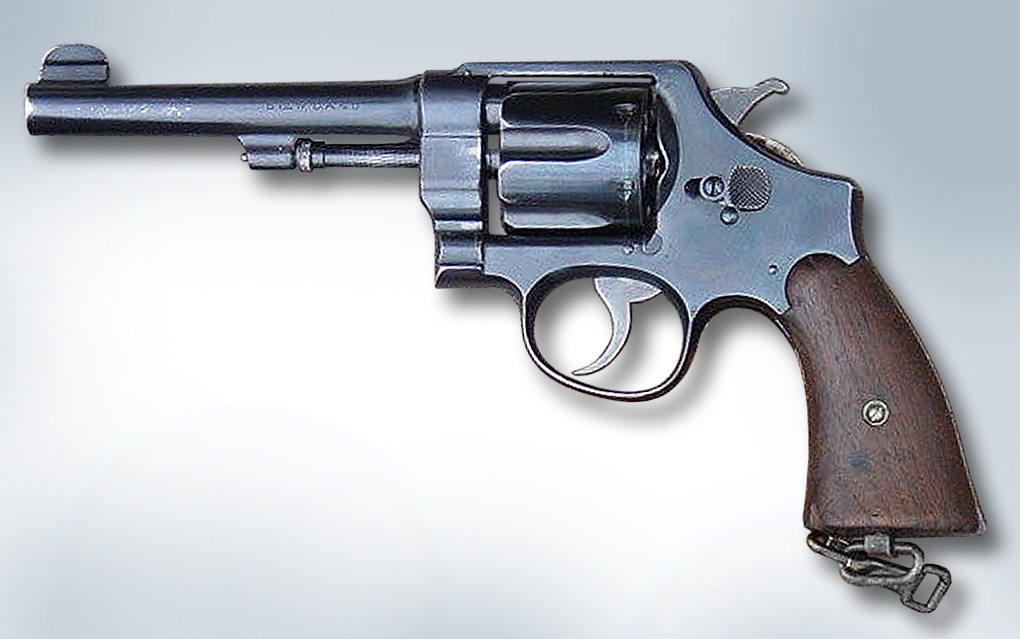
5. Colt and Smith & Wesson M1917 Revolvers
The M1917 was a wartime workaround that became an engineering lesson. When M1911 production could not satisfy demand during World War I, the Army adopted large-frame revolvers from Colt and Smith & Wesson chambered for .45 ACP. The clever part was the use of half-moon clips, which let revolvers handle a rimless cartridge efficiently for both loading and extraction.
This was more than a stopgap. It showed how the Army could protect ammunition commonality even when forced into a different handgun format. More than 300,000 M1917 revolvers were produced combined, making the improvisation significant at scale rather than a niche emergency measure. The design’s real influence was organizational: adapt the platform, keep the cartridge, and avoid creating a logistics mess under pressure.
Taken together, these five sidearms map the Army’s changing definition of a useful pistol. Early revolvers emphasized durability and cartridge power, the M1911 established the semi-automatic benchmark, the M9 made capacity and standardization central, and the M11 reinforced role-based flexibility. The common thread is not nostalgia. It is the Army’s repeated preference for sidearms that could survive hard use, fit existing support systems, and stay useful long after the original adoption decision was made.


